September 11th: A Global Perspective

September 11 (3)

Each year our 5th graders take an entire day to explore the tragic events of September 11, 2001.  Each year, the students become more and more removed from the topic because they weren’t even born at the time of the tragedy.  The events of September 11 and the impact they had on our war on terrorism are part of the 5th grade social studies standards, but we also spend a great deal of time at our school on social emotional learning and how we support one another in a community.
September 11 (22)

Each year I write a blog post about how we teach September 11th, and each year there is a new addition or a new angle in which to explore the day.  This year, students opened the day in their classrooms by talking about everyday heroes.  They shared where their own families work and how each of us can be an everyday hero.

September 11 (17)

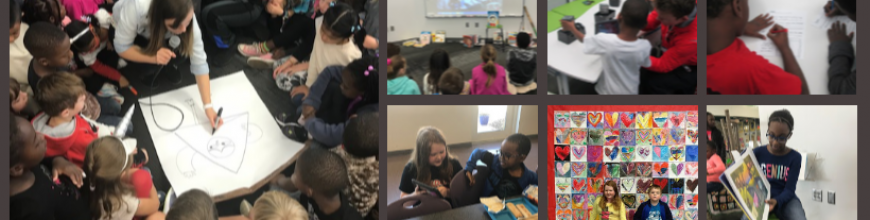
Then, students split into 4 groups and rotated through 4 experiences every 30 minutes which were facilitated by me and the classroom teachers.

Experience 1:  Haiku poetry.  With Ms. Mullins, students learned about the unlikely heroes of the day including dogs.  They studied the poetry form of haiku and how a brief 3-line poem with 17 syllables can magically express a feeling or an image.  They focused their haiku on heroes.  They didn’t have to specifically write about the heroes of 9/11, but many chose to.

September 11 (28)

Experience 2:  Response to tragedy from afar.  With Ms. Selleck, students looked at how people around the country and the world responded to the tragic events of 9/11.  It was a time that people wanted to take action and do something to help.  Children wrote letters, drew pictures, and made cards.  The Maasai people of Africa offered 14 cows as a gift for America.  Ms. Selleck shared Carmen Agra Deedy’s story 14 Cows of America and students considered how people who weren’t even in our country wanted to help.  This posed an interesting question of how we might respond to the tragedies taking place every day in other countries.
September 11 (20)

Experience 3:  Heroes of 9/11.  There were so many heroes that stepped forward on 9/11 and many of those heroes lost their lives in the process.  At this experience, students took a look at many example of heroes and read the story Fireboat by Maira Kalman.  Students learned about this old fireboat first launched in 1931 and how it was called to duty on 9/11 to help pump water to fight the fires.  Students designed a drawing to represent the many heroes that took action on 9/11.

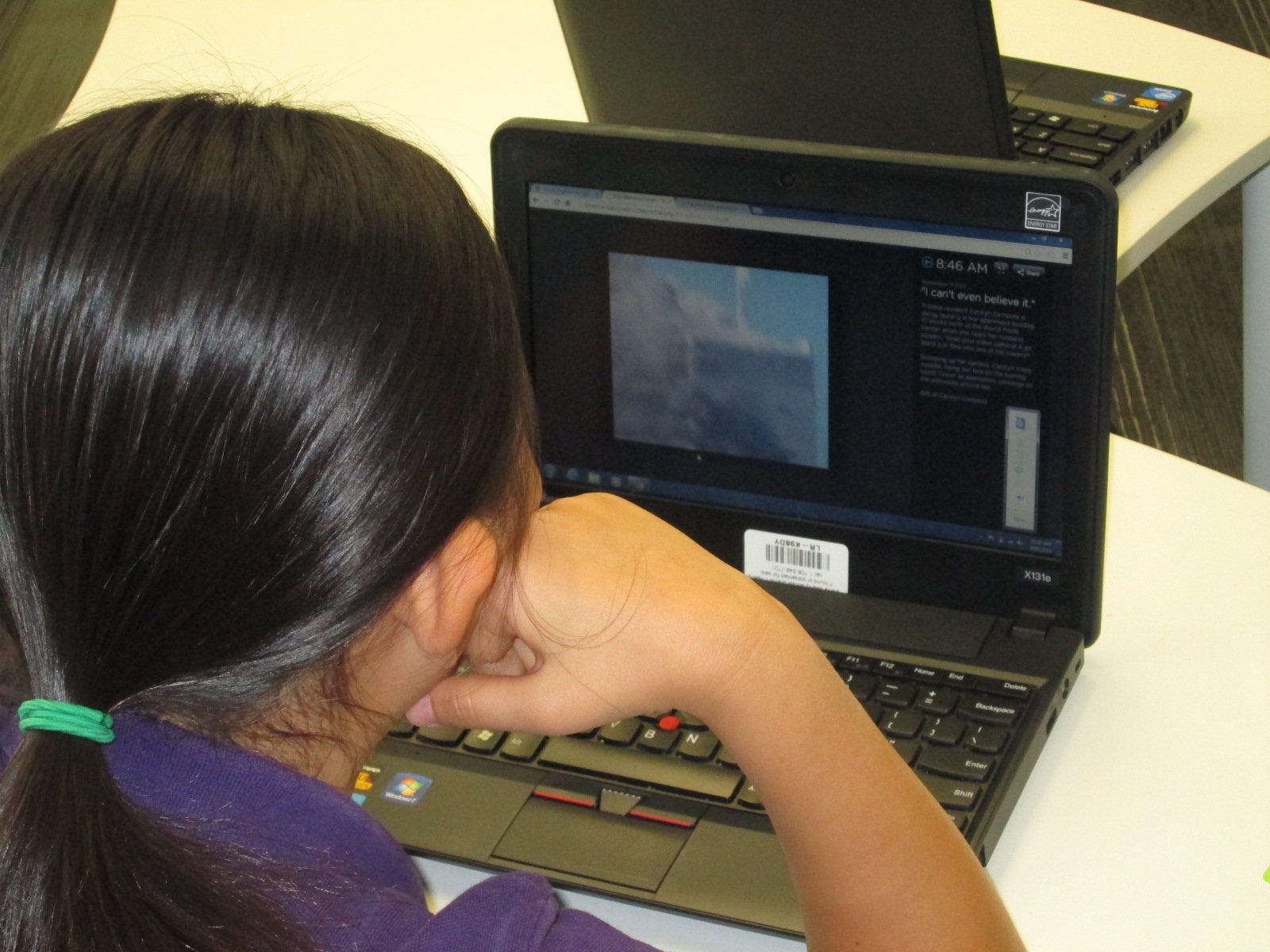
Experience 4: The events of 9/11.  This is the most sensitive of the experiences for students because we all react differently to seeing the tragedy of 9/11.  Over the years, I’ve developed a pathfinder of sites that explore 9/11 from multiple angles.  There are interactive timelines, eyewitness accounts, actual video footage of the day, oral histories of memories from victims’ family members, virtual tours of the memorials, and cartoon videos explaining the events in kid-friendly language.  We start with a video:

This video frames that on 9/11 we remember but we also take action to create good in the world.  I invite students to view the various resources and reflect on what they might do to create good instead of evil.  At the bottom of the pathfinder there is a padlet where students can record their actions that they want to take.  During this experience, I always tell students that they don’t have to watch any of the videos.  They can also take a break at any moment if the tragedy just becomes too much to handle.

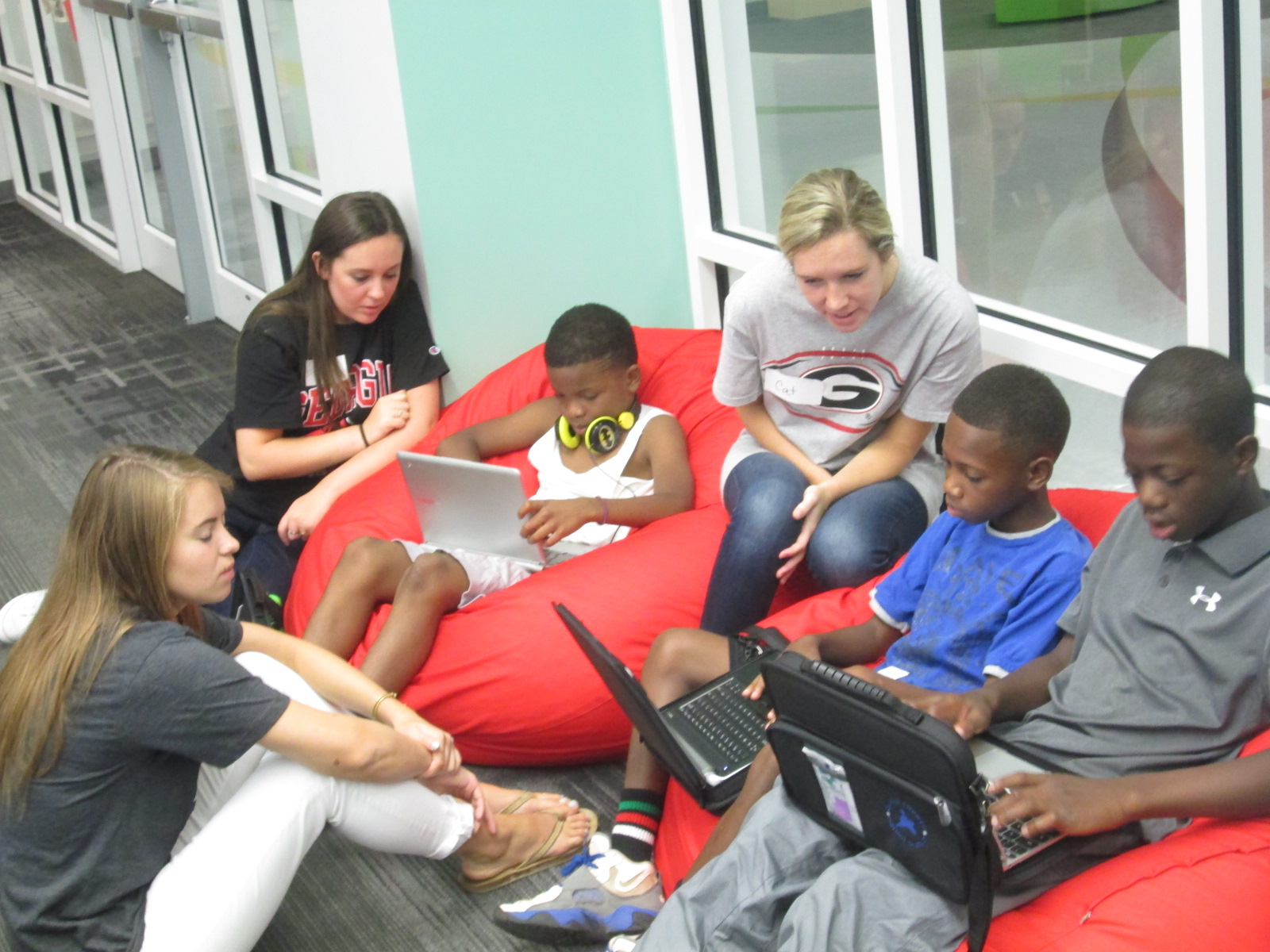
This year, 2 new pieces were added to this experience.  First, Gretchen Thomas, a UGA teacher in instructional technology, brought one of her #EDIT2000 classes to support students.  This was a piece that I’ve always felt was missing from the pathfinder experience.  September 11th is such a heavy topic, and I do worry about how kids are processing the information.  With these UGA students, we were able to pair every 5th grader with a UGA student to have reflective conversation about each website, video, and story that students experienced.  UGA students shared their own understanding of 9/11 as well as their own memories of being in elementary school when it happened.
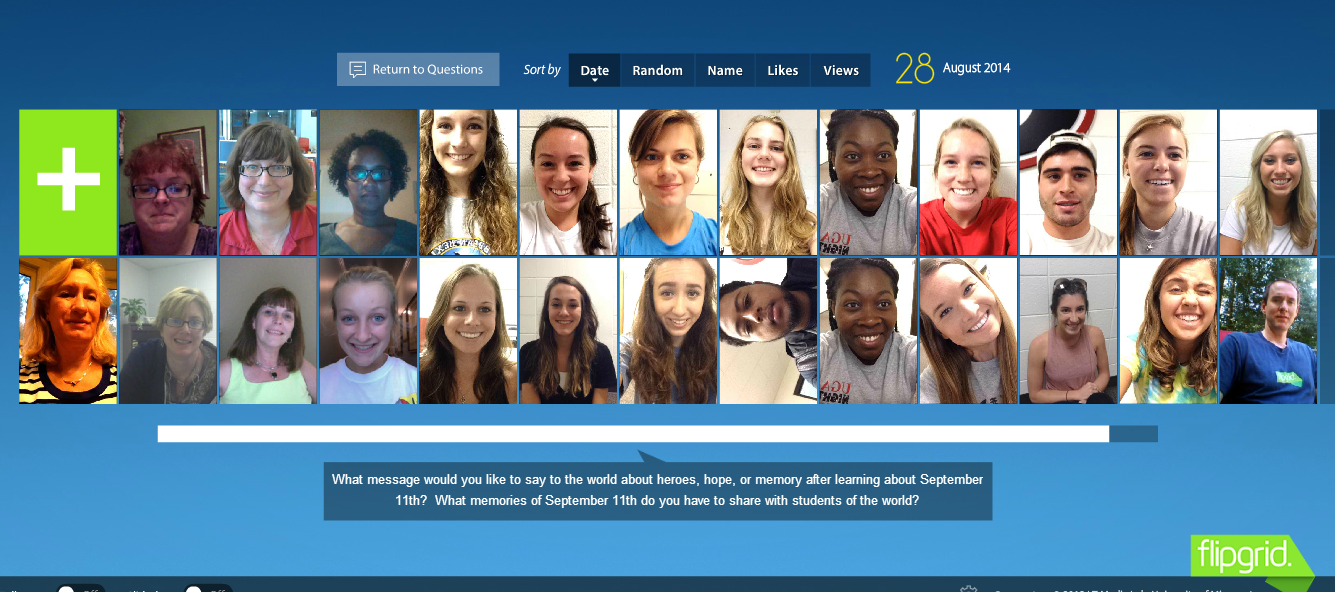
 

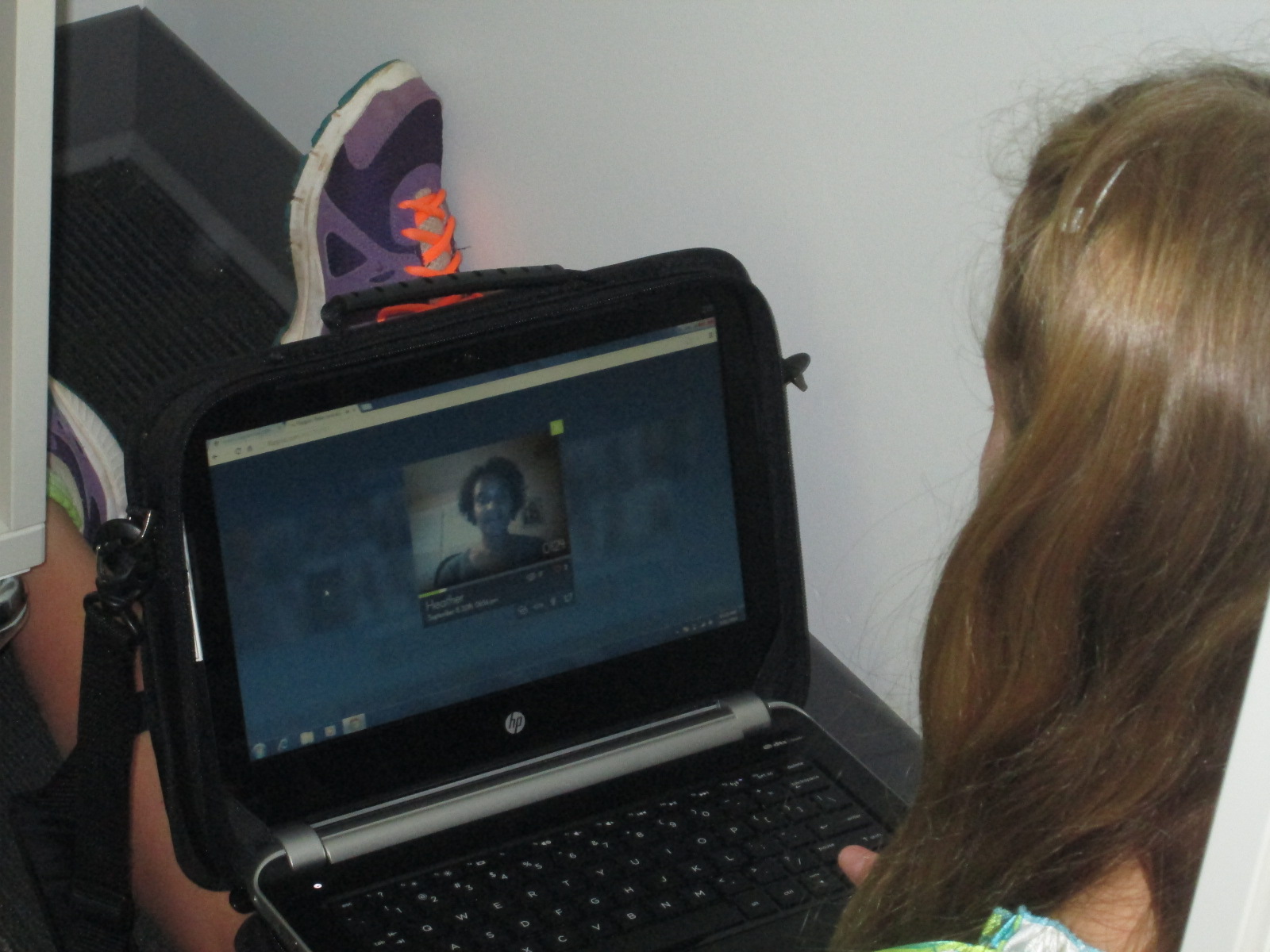
I’ve also been thinking a lot about global thinking, global collaboration, and global perspectives.  This year, I decided to make a Flipgrid well in advance of today.  Through social media, I’ve been sharing the Flipgrid in the hopes that multiple people will share their own perspectives of 9/11.  While there wasn’t an overwhelming response to share stories, the stories that were shared were powerful.  The students in Gretchen Thomas’s class shared their own memories of being in elementary school at the time.  These stories included very personal connections to the tragedy such as family members who were in New York on the day of the tragedy and a student coming into New York on a plane from another country and being diverted to Canada.  Several librarians stepped up to share stories as well.  Beth Miller of Georgia shared her story of working in the World Trade Center during the bombing in the 1990’s and how she had family and friends who were in the towers on 9/11.  Her family made it but several friends did not.  Elissa Malespina of New Jersey shared the story of her husband being in New York on 9/11.  He was on one of the last trains coming into the city.  It was chilling to think how many people have been affected by 9/11 in very personal ways.  Even if you don’t have a personal connection, there are many stories about where people were when the tragedy happened.  I wish that I could talk about every story on this Flipgrid because each one is meaningful in its own way.  Please take time to listen to these stories and feel free to add your own.
September 11 (25)

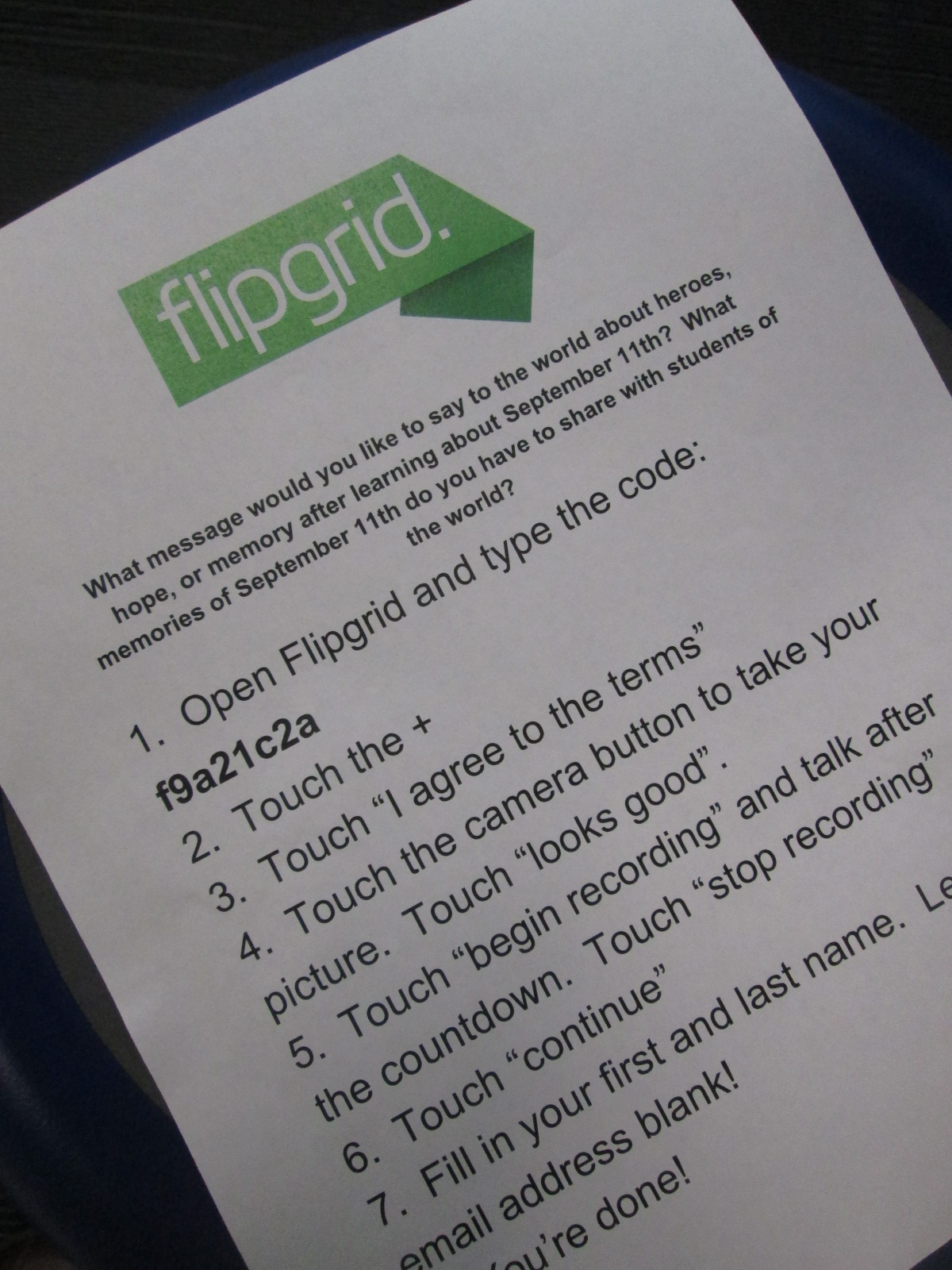
This Flipgrid was a part of the pathfinder but it was also a place that students recorded their own thoughts at the end of the day.  Students spent some time reflecting in classrooms.  Then, they came out into the 5th grade hallway with iPads to record their reflections on the Flipgrid.  Another of Gretchen’s UGA classes came to assist with this process.  I had instructions typed up with the Flipgrid code and we got as many students recorded as possible at the end of the day.  Students loved collaborating with students from UGA to create their videos.

I think that this project has such potential for a global collaborative project.  What would it be like if students in another country shared the tragedies taking place in their own countries?  What would happen if our students in the  US considered how they could respond to the tragedies taking place in other countries?  What are people’s perspectives on 9/11 from other countries around the world?  What do everyday heroes look like around the globe?

My hope is that this project can continue in some way this year.  If it doesn’t, I hope that next year’s layer that gets added on is developing a more global perspective on tragedies around our world and how we respond to those tragedies as a global society.


Exploring Themes & Goals at the Decatur Book Festival

Decatur Book Festival 001

I’m no stranger to the Decatur Book Festival.  This Labor Day weekend tradition always has a prime spot on my calendar each year.  It’s not often that you get the opportunity to connect with so many profound adult, teen, and children’s authors in one location.  Each year, the festival seems to take on new life and I gain something for myself, for my own children, and for my students every time I attend.

This year, the children’s stage featured panels of authors and illustrators rather than single speakers.  Panels were organized around themes and were facilitated by a children’s author or literature-loving moderator.  I loved this revision to how the festival worked in the past because the facilitators of each panel made sure that the audience learned about each author/illustrator, each book, the process behind how it was created, as well as exploring the theme of the panel.

Here are a few of the sessions I attended.

Bugs, Birds, and Birthday Cake!

This panel was all about the fun of animals and humor in stories.  Mac Barnett shared his upcoming book Telephone.  LeUyen Pham shared her book A Piece of Cake.  Angela DiTerlizzi shared Some Bugs.   One of the quirkiest things about this panel was when each author/illustrator shared 2 truths and shenanigan about themselves.  Each author/illustrator shared some pretty off the wall examples, so it was really hard to decide which of the 3 examples was truth and which was made up.  This brought about so much audience participation and engagement, but it also revealed to us each speaker’s personality which in turn revealed something about their work as an author/illustrator.

Pure Imagination

This panel explored the power of imagination in children’s books and kids’ lives and featured Matt Phelan (Druthers), Amy Krouse Rosenthal (Uni the Unicorn), and Kelly Light (Louise Loves Art).  This panel reminded us all of the importance of taking time to imagine and dream even as an adult.  Panelists also emphasized the importance of play and tinkering without judgement.  We each hold within us the power to dream and imagine and have to give ourselves permission to let the ability continue to shine through even in constraints that we face.

All in the Family

This panel featured family teams of author/illustrators including Frank Morrison & Connie Schofield-Morrison (I Got the Rhythm) and James & Kimberly Dean (Pete the Cat and the New Guy).  It was interesting to hear how married couples collaborate with one another on a project.  The speakers revealed that it can definitely be a challenge and a blessing to work with someone that you are so close to.  Each collaborative partnership seemed to have developed strategies to push one another while at the same time respecting one another’s creative talents.  Author Elizabeth Dulemba moderated this panel, and I loved how she highlighted each creative duo equally well.  She also took time to bring up the conversation of diversity by specifically pointing to I Got the Rhythm and it’s pages where so many people can find themselves within the illustrations.  The Decatur Book Festival had many aspects of diversity represented this year.  I will nudge that racial diversity wasn’t at the top of the list.  I hope that diversity will continue to be explored at this festival along with many other kinds of diversity so that readers will continue to find themselves in the books and in the authors and illustrators in attendance.

Great Books for New Readers

This panel focused on newly released books to hook a variety of readers including Jon Scieszka (Frank Einstein and the Antimatter Motor), Jennifer Holm (The Fourteenth Goldfish), Tom Watson (Stick Dog Chases a Pizza), and Mike Lane (The Vanishing Coin).  This was a really interesting panel full of fun and laughs.  Each author had a unique way of presenting his or her work.  Mike Lane performed a magic trick with the audience.  Jenni Holm shared stories of how her father kept bacteria cultures in the fridge.  Jon Scieszka performed his own magic trick by growing hair on his head right before our eyes.  It was easy to see why new readers would gravitate toward these authors.  They write stories that connect with readers, especially readers who want to read about magic, fun, experimenting, and just plain silliness.

This Really Happened: Graphic Memoirs for Kids

Decatur Book Festival 034

This panel explored how real life events can be relived in a graphic novel format and featured CeCe Bell (El Deafo) and Jimmy Gownley (The Dumbest Idea Ever).   I had already heard lots of buzz about El Deafo, but when I watched CeCe Bell stand up and share the very personal story of where her graphic novel came from, I was inspired.  To take a life changing event that some people might look at as tragic or confining and turn that story into a graphic novel superhero story is a true artistic gift to readers.  So many students will find themselves in this character and feel strength in their own disabilities.  I can’t wait to put this book in students’ hands to read for enjoyment but also as a strong example of how our life experiences become the stories we tell.

All the Girls in the World


This was a panel of women authors who write about strong girl characters and featured Jennifer Holm (The Fourteenth Goldfish), Laurel Snyder (Seven Stories Up), and Megan Jean Sovern (The Meaning of Maggie).  The always-profound Deborah Wiles moderated this panel with carefully crafted questions.  Her wonderings explored the true stories behind the fictional novels as well as the hard topics that each author chose to explore in her writing.  This panel was the perfect way to end my festival experience because it left me with so many wonderings as well as so much wisdom.  Multiple times kids in the audience raised their hands to express that they experience sadness in their lives and survive that sadness, which reinforced the idea that authors need to include sadness in books.  We can’t shield our young readers from a world where sadness and heartache exists.  Books can show readers how they might persevere through these trials just as the characters in these 3 novels do.


How did the festival inform my library goals?

My library goals for this year really are proving to be something that I carry with me wherever I go.  To me, this means that they really are goals that matter.  In the past, I can’t recall writing goals that I could recite with memory or goals that I could connect to so many experiences throughout the school year.

As I experienced the Decatur Book Festival, I couldn’t help but think about my goals.

1.  To provide students, teachers, and families opportunities to dream, tinker, create, and share

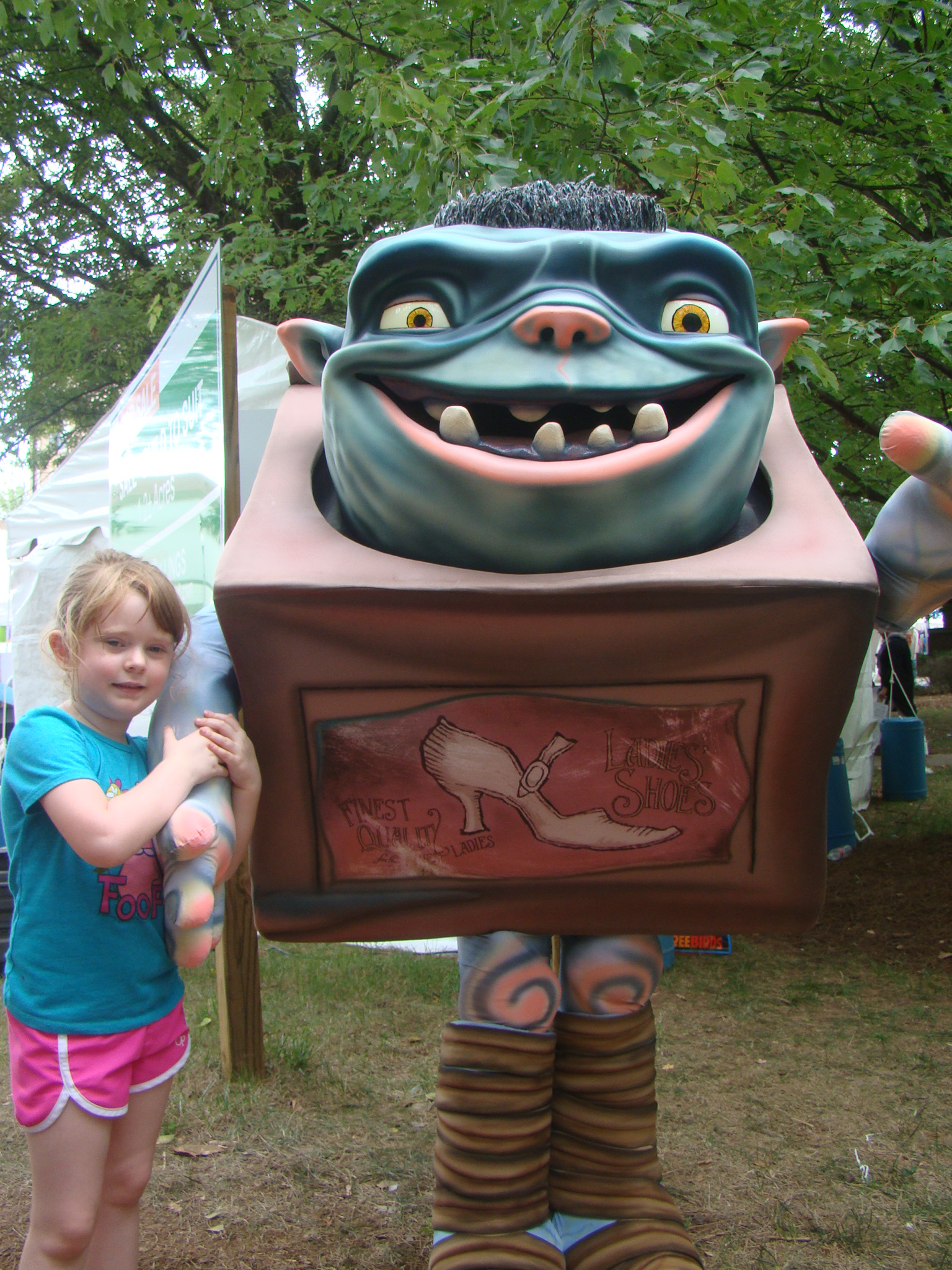
Dreaming. Tinkering. Imagining.  These words kept surfacing throughout the whole festival.  Kelly Light talked about how she let her daughter pick 2 books at bedtime as well as share one story.  She believed in the power of using the imagination to create soemthing new as well as be inspired by the stories created by others.  LeUyen Pham created individualized illustrations in each book that she signed in her autograph line.  I heard her ask one person if she had a picture of a baby that a book was being signed for.  She drew an image of the baby in the book by looking at a cellphone picture.  She made my own daughter feel like a rockstar while signing her copy of Vampirina Ballerina and drew Alora as a ballerina in the book.  Throughout the festival, there were opportunities for families to spend time together dreaming, tinkering, and making from booth with cardboard boxes and art supplies promoting the new film The Boxtrolls to the Decatur Makers booth where a variety of maker opportunities existed for families.

Decatur Book Festival 023

2.  To engage in global thinking and global collaboration

The panels organized by themes really pushed my thinking.  As I listened, I started to think…..what if global collaboration revolved around themes?  When I think about connecting around a particiular book, I mostly think about American-published books.  I honestly have no idea about books, authors, etc from other countries.  What if we concentrated on a theme, connected with other schools around the world, and read books and created content around that theme?  I imagine that we would experience new authors, new books, and new perspectives that we never dreamed of before. I really don’t have a definite path because of this, but it has sparked something in me that is listening and watching for opportunities for global collaboration and thinking.

3.  To empower student voice

During the “All the Girls in the World” panel, a girl stood up and talked about The Fourteenth Goldfish and Seven Stories Up.  She shared how reading those stories shows her and other girls that it is ok to feel they way that they feel and that there are other people in the world struggling with those same topics.  I wish I had captured her exact words so that I could carry them with me because she reminded me of how much wisdom our students are carrying.  That panel gave her an opportunit to stand up and make her voice be heard and she reminded me that I need to continue to think about the opportunties that I’m providing students to stand up and make their own voices be heard.  So many students need so many different kinds of experiences to find their moment to speak up.  My hope is that I can maximize those opportunities for the students of our school.

4.   To support the reading habits and curiosities of students, teachers, and families

Visitng this festival always exposes me to authors and books that haven’t been on my radar before.  By listening carefully to each author/illustator’s story, I have a personal experience to share with readers as they make decisions about the next book that they will explore.  Listening to each author/illustratore share they journey they have made to publishing the works that we hold in our hands makes me even more aware that every book on our library shelves holds a story of how it came to be and makes me want to know that story to share with readers.  I wish that more authors would use blogs and social media to share their stories of their journey to publication so that we could connect these backstories to readers.  Hearing these stories makes me want to dig a little more to connect readers with the stories of the authors that are hiding on our library shelves.


Developing Library Goals to Carry Into Every Collaborative Meeting

photo 2 photo 1

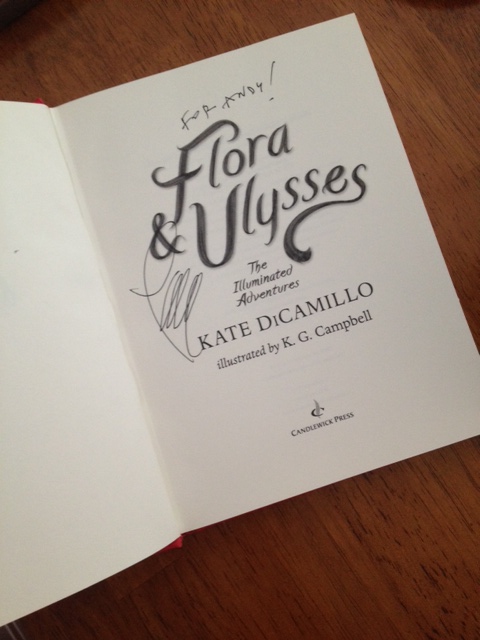
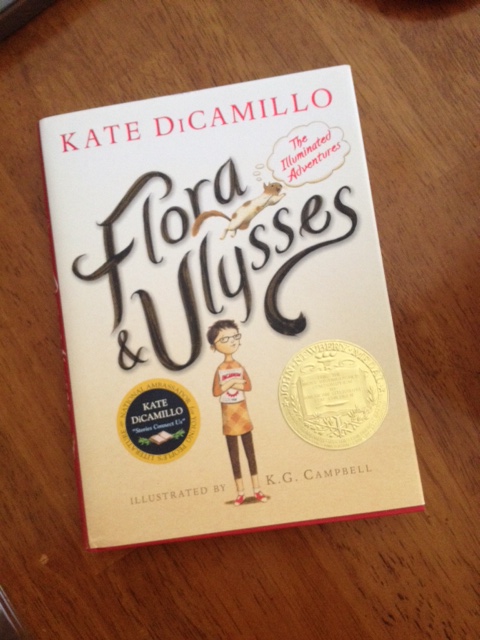
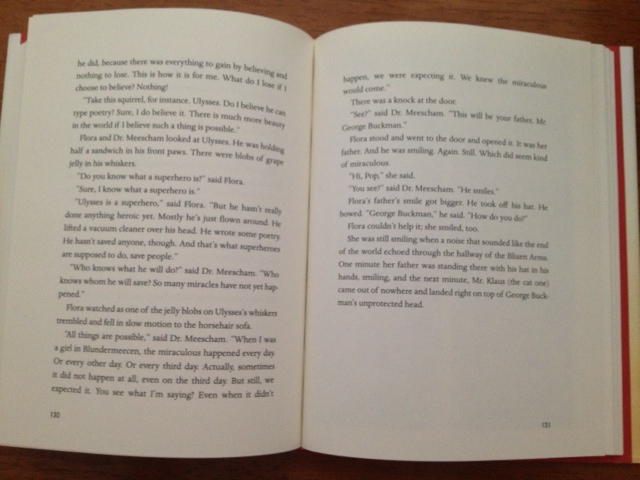
Last year, a book impacted my life, my library program, and found its way into so many conversations with students, teachers, and librarians.  “Expect the Miraculous” came to be our mantra in the Barrow Media Center thanks to Flora & Ulysses: The Illuminated Adventures by Kate DiCamillo.  It was all thanks to p. 130-131.

photo 3

This summer, as I sat down to develop our library program goals for the 2014-2015 school year, that mantra of expecting the miraculous everyday was still a big part of my thinking.  However, this summer I carried so much more with me as I reflected on goals.

I had my experiences and conversations with the #Wandoo5 at Evanced Games in Indianapolis.

photo 3 (3)


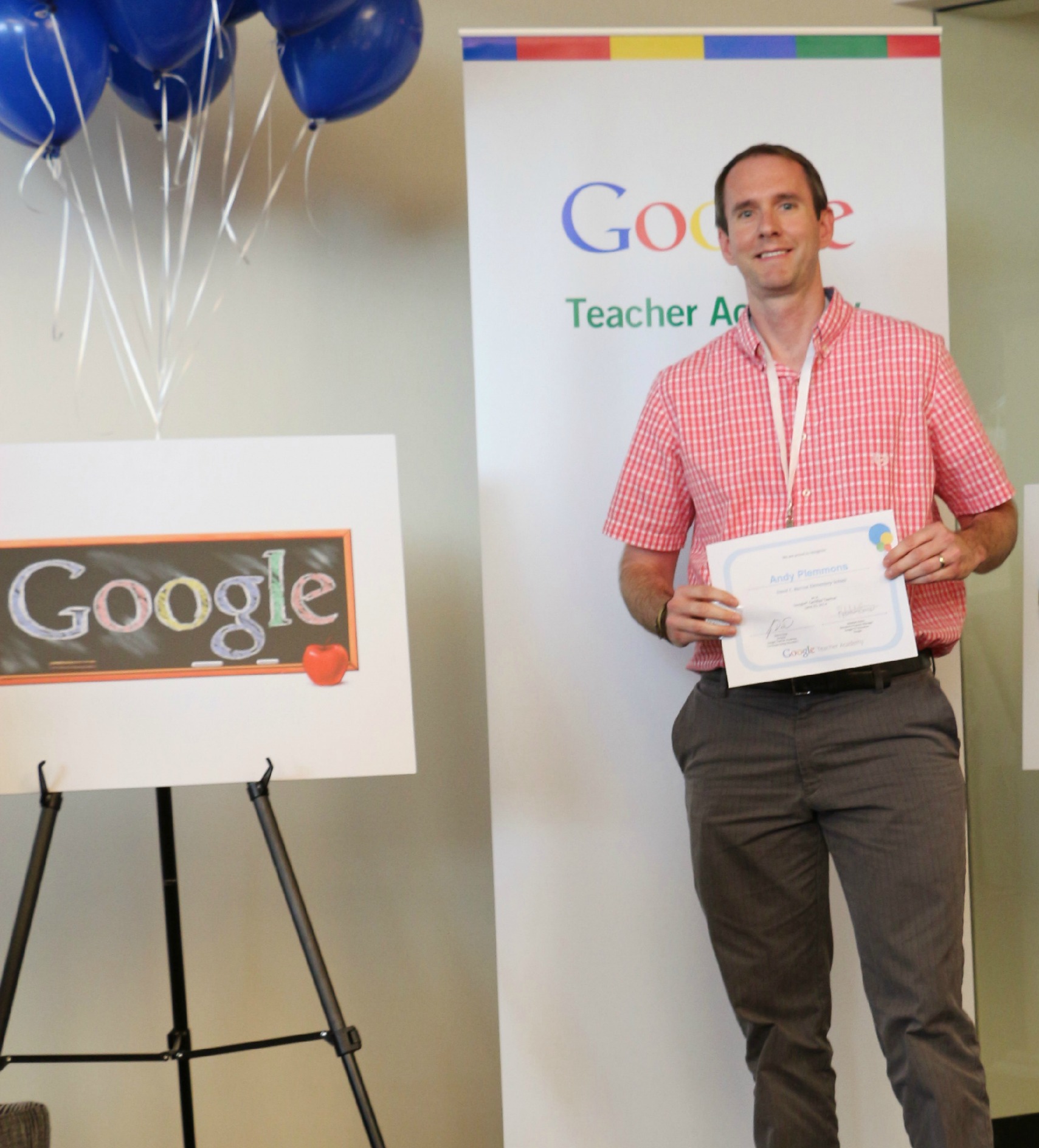
I had the moonshot thinking and action plan of the Google Teacher Academy and becoming a Google Certified Teacher.

graduation


I had the Invent to Learn Workshop with Sylvia Martinez and Gary Stager.

Photo credit: Sue Levine


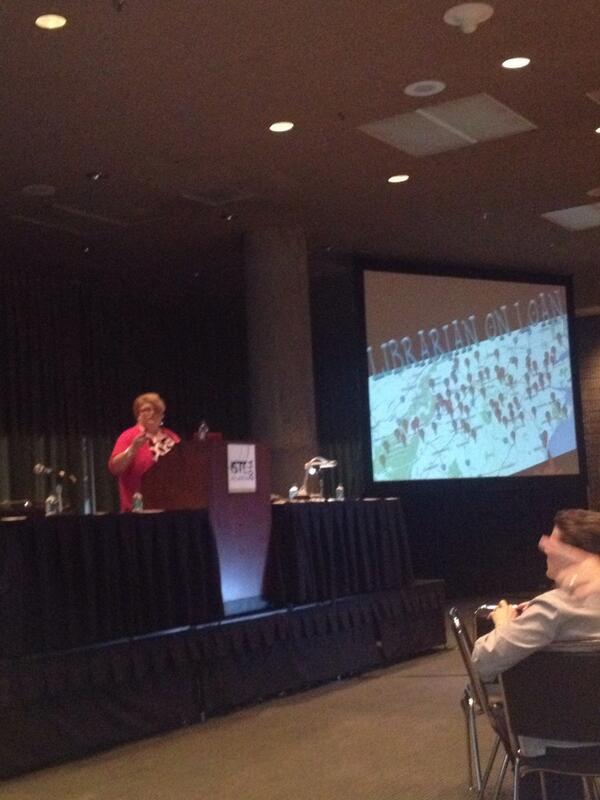
I had numerous experiences at the ISTE 2014 conference including a zombie fighting keynote from Jennifer LaGarde, empowering talks from George Couros and Todd Nesloney, and inspiring keynotes from Ashley Judd and Kevin Carroll about the importance of each child’s story and the importance of play.

The more I reflected on my summer professional learning experiences the more I realized that I wanted this year’s goals to be different.  In the past, I’ve made big goals about developing the participatory culture in our library, but I’ve also made specific goals about the collection.  While the collection is important, it is not my primary focus for the library program.  I was reminded of a question in Jennifer LaGarde’s keynote about the Dewey decimal system and her answer of “who cares”.  Who cares if I have specific goals about the library collection?  What cares if the 300’s have the recommended number of books?  Who cares what the average age of the biographies is?  The heart of the program isn’t the physical collection.  The heart of the program is the students, the teachers, the families, and the community.  The heart of the program is the opportunities that they have through the library.  Now, I’m not saying that I’m abandoning the collection or that I don’t have goals about the collection.  It’s just that my primary goals of the library aren’t about the collection.

I want goals that I can carry with me into every collaborative meeting that I attend.  I want goals that I can put up on the walls of the library and add tangible evidence throughout the year of how they are impacting the students, teachers, and families in our school.  I want goals that support our school and district goals as well as reflect what is being talked about on a global level.

This week, I will share these goals with our faculty during pre-planning, but they’ve already faced their first test.  During our first day of pre-planning our principal set the stage for our year.  I must say that it was one of the most inspiring opening days that I’ve ever been a part of because it wasn’t filled with duties and responsibilities, mandates, and daunting changes.  Of course, all of those things  will be present this year, but our principal chose to focus on how we can value each child’s story, how we can add to and enhance that story by what we offer at school, and how we can develop a vision and mission for our school that represents what we truly believe in education.  As I listened and as I talked with other teachers, I was already carrying my goals with me, and I must say that I felt really good about the 4 goals that I’ve chosen.

These are the goals that are based on the themes that consistently surfaced in all of my reading, professional learning, conversations, and reflections.

Goal 1:  To provide students, teachers, and families opportunities to dream, tinker, create, and share

blokify printing (2)

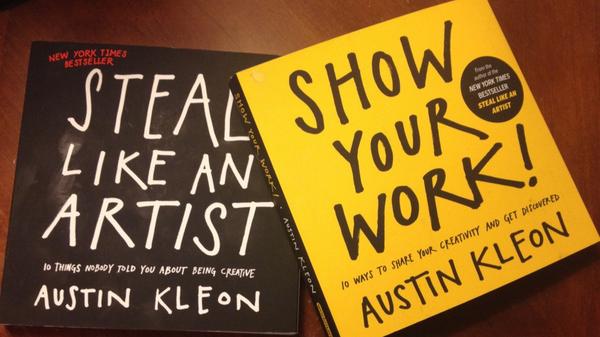
I chose these verbs carefully because I think that the order matters.  So often, we feel the time crunch in education and I think we often jump to having students make something with so many detailed requirements that they don’t have time to dream about what they hope they could make or have time to mess around, fail, and learn from those failures.  As I plan projects with teachers this year, I want to intentionally plan spaces for students to pause and wonder and have time to explore before they actually create a final product that is shared with an authentic audience.  I want us to think carefully about how we “show our work” just as Austin Kleon outlines in his books.  He says, “If your work isn’t online, it doesn’t exist.”  I’ll be thinking carefully about how we give students opportunities to create and also how they share their process as well as their final product.

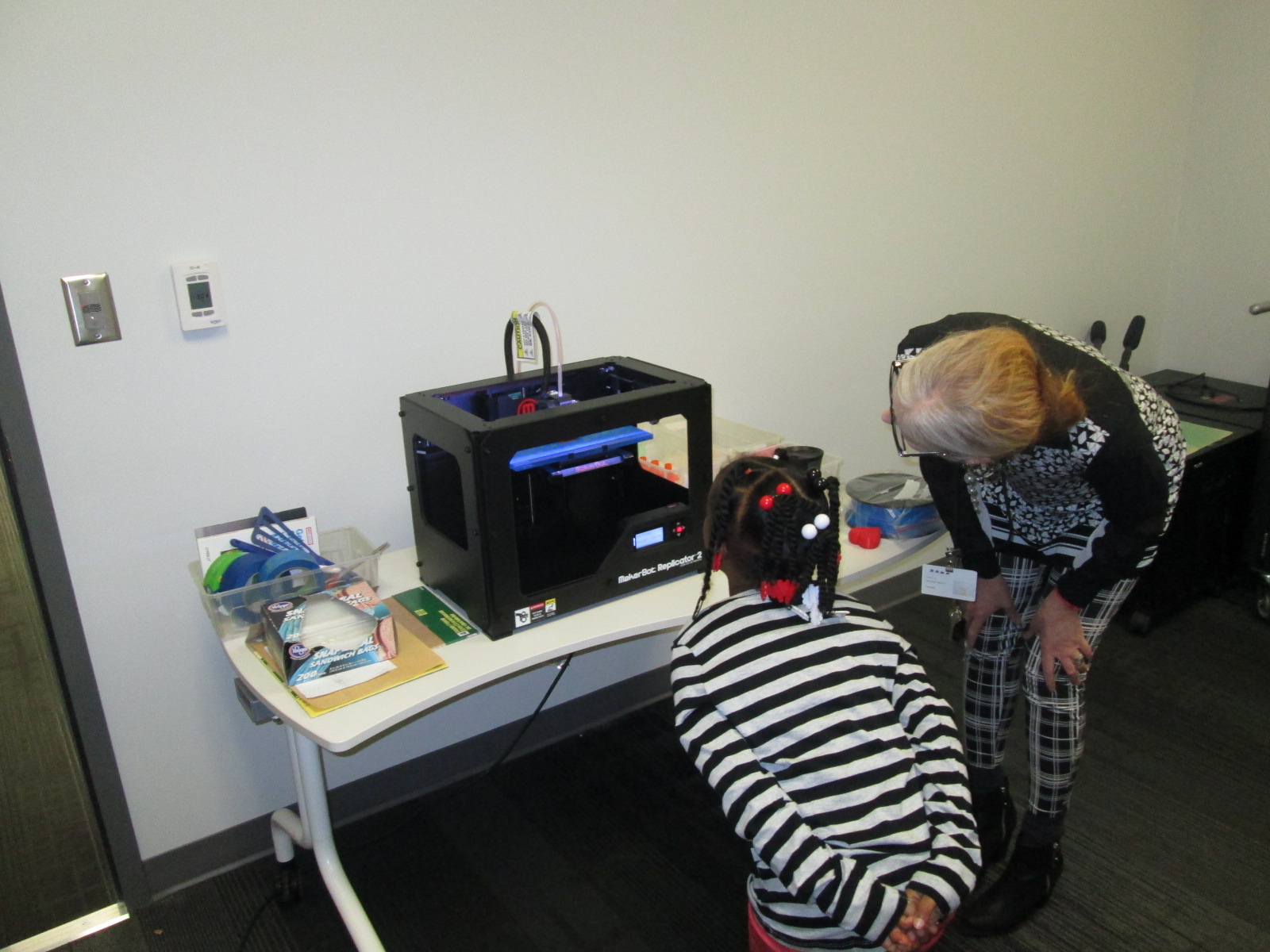
Within this goal, I have subgoals about the number of large-scale projects I will do with each grade level, the development of our library makerspace, the collaborative relationships with our community makerspace and tech startup, and embedded digital citizenship.

Goal 2:  To engage in global thinking and global collaboration

Global TL logo

I can’t even count the number of times that global thinking and collaboration came up this summer.  I feel like so many people around the world are primed and ready for this endeavor during the upcoming year.  Last year, our library was more connected than it has ever been through authors, guest speakers, reading events, and peer feedback through Skype and Google Hangouts.  Even though we felt connected, most of our work was projects or single connections.  I would love to see global thinking and collaboration become more evident in what we do through long-term collaborative relationships around the globe and authentic questions and projects that matter to the world.  Within this goal are the many networks that I will be a part of this year including GlobalTL, Connected Classroom, Skype in the Classroom, and my Twitter PLN.  I’m inspired by the work of Sylvia Rosenthal Tolisano and will look at her work as we plan this year.

As teachers and I plan this year, we will ask ourselves how we are being global thinkers and how we are connecting our students beyond the walls of our school.

Goal 3:  To empower student voice

IMG_3479

When I thought about this goal, I was reminded of many stories shared by George Couros at ISTE including the story of a little boy who made a video where he overjoyed by getting one “like” on a social media post.  I was reminded of Todd Nesloney sharing about his math fair and how he asked students to “wow” him by showing their math knowledge.  Students did more that “wow” him.  They shared their passions in life, involved their families, and were empowered.  I was reminded of how we all want to be heard and feel like we’ve made a difference.  As I plan with teachers this year, I want to ask how we are empowering each student by allowing them to share their passions and feel that their voice is heard.  In the library, I will continue to explore this as well by giving students opportunity to document our year, make decisions about library resources, share their passions through contests and displays, pass on their expertise through co-teaching experiences, and listening closely for opportunities I don’t even know about.

Goal 4:  To support the reading habits and curiosities of students, teachers, and families

It’s no secret that the more you read the better reader you become.  You of course need to have the skills and strategies to accompany that time commitment.  You also need access to reading that matters to you.  This year I want to be more intentional about supporting reading curiosities to match students, teachers, and families to the kinds of stories and information they are looking for.  I also want to be more intentional about documenting that commitment to reading.  Our library is not the only source of reading materials, so I want to continue to build a collaborative relationship with the public library, local bookstores, and other community resources to all work together toward a common goal.

This year, we will explore an Evanced tool called Wandoo Reader.  This tool will give students a portal for documenting their reading lives through tracking book titles and minutes read.  Along the way, there will be challenges issued to students, and within Wandoo Reader, they will earn pieces to a robot that they will customize.  I hope that this tool will offer a level of engagement for tracking reading as well as encourage students to spend more time reading in multiple ways from multiple locations.

IMG_3035


Our planning will begin this week and I look forward to carrying these goals with me, trying them out, and see what miraculous things happen this school year.

What are YOUR library goals?  I invite you to think about them in new ways and share.