A Flipgrid Celebration with 2nd Grade and the Flipgrid Team

Flipgrid Skype (1)

Our 2nd graders just wrapped up a huge research project.  During the project, they chose a leader from black history, researched that person, wrote a short persuasive piece about their person, designed a US postage stamp, and recorded a video using Flipgrid.  Their videos were pulled together on a Smore which included a Google Form for people to vote on their favorite leader from black history to be featured on a postage stamp.   Read more about our project:

Post 1

Post 2

Along the way, the students had several connections to an authentic audience.  They started the voting portion of the project by sharing at our schoolwide assembly.  Students stood in front of the entire school and told about the project as well as shared a video from each question of the grid.  The Smore was emailed to every teacher and student in the school.

I also shared the Smore on Twitter and our library Facebook page.
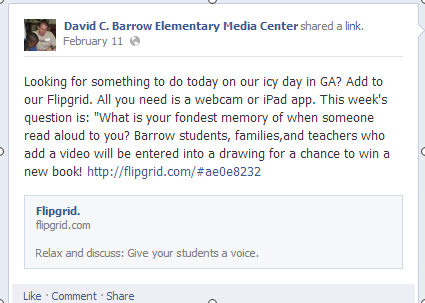
facebook post


Shawna Ford, librarian in Weatherford Texas, saw my tweet and had her 2nd grade students view the project.
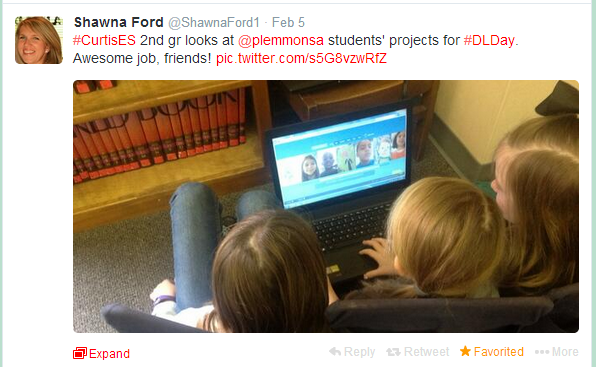
Shawn Ford Students


As the project continued, my posts and tweets were shared and retweeted until our Smore had 480 views and counting.
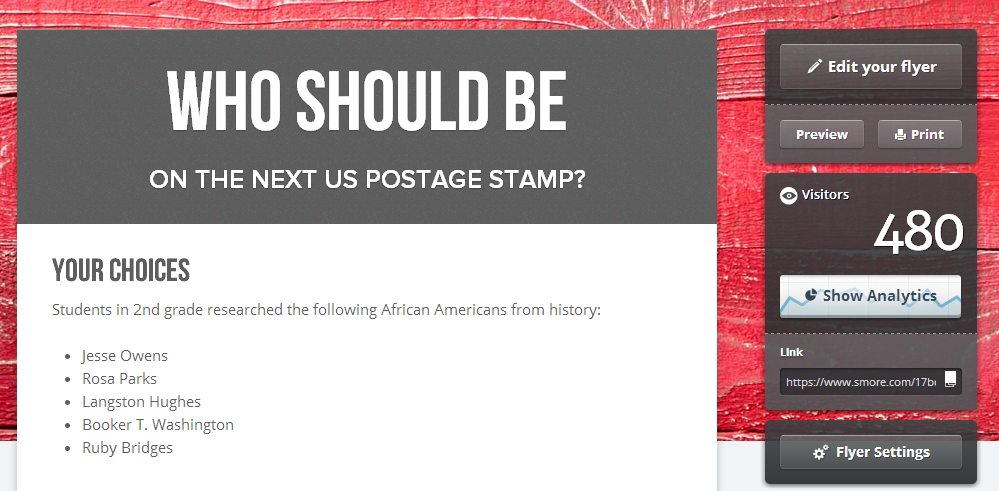
smore hits

Our project was viewed in 161 locations and counting.
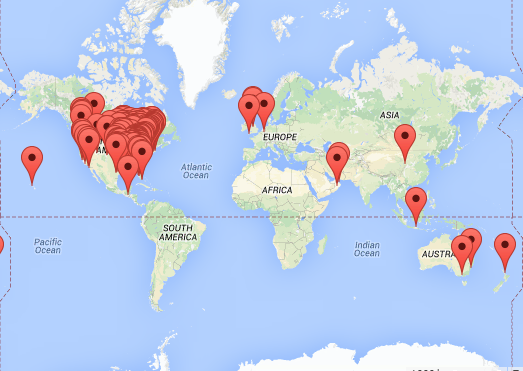
Smore Map


Throughout the project, Charles Miller and Bradford Hosack, our friends at Flipgrid, were following along and sharing our work as well.  It has been an incredible experience for students to use a tool, encounter success and frustrations, and be able to offer feedback to developers that respond to that feedback.  The Flipgrid team has been so responsive to all of the feedback we have provided to them, and they consistently work on Flipgrid to make it better.
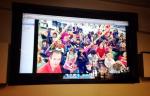
Flipgrid Skype (9)

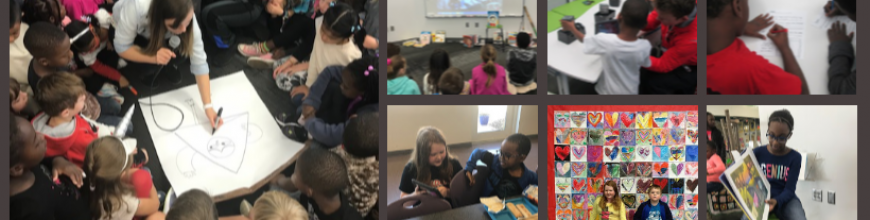
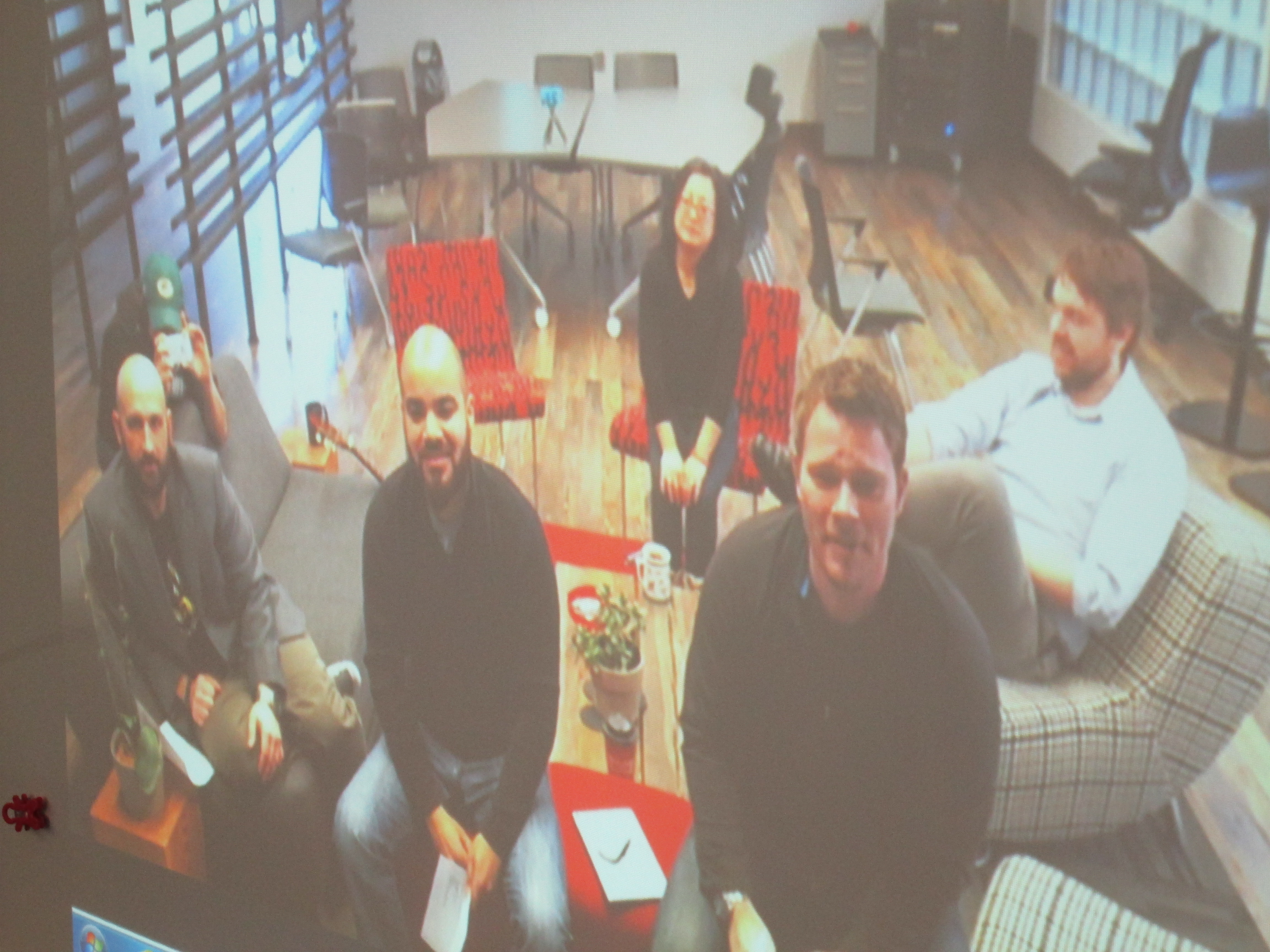
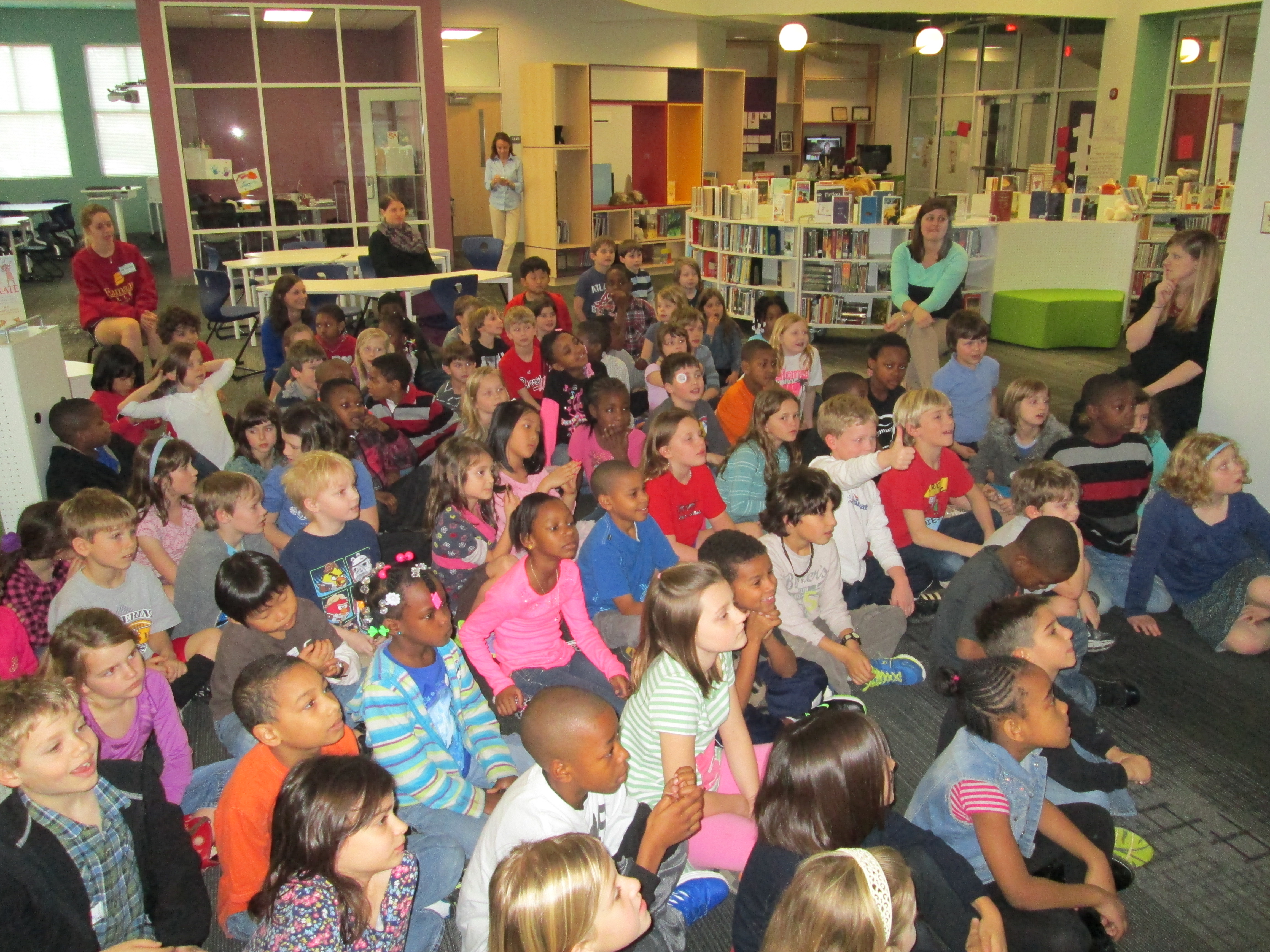
Today, our 2nd graders came together in the library to connect with the Flipgrid team via Skype.  The team shared information about how Flipgrid was developed and talked to the kids about coding.  All of the 2nd graders had background in this concept because they all participated in the Hour of Code back in December.  I loved how the Flipgrid team reiterated what I had told the students many times.  You have to work through the frustration.  You have to be willing to fail and learn from your failures to make things better.  The team said more than one time that they wanted to create a tool that works for users, so they are constantly listening to users of Flipgrid to improve their product.  I hope that the students carry these ideas into all area of their lives to be willing to take risks and work hard at what they are passionate about.

Flipgrid Skype (3)

Charles and the Flipgrid team then gave us some stats about our videos.

  • 1875 people watched the student videos
  • 699 people clicked on the heart to like videos that the students made
  • students created 1 hr 15 minutes of video all together

During this presentation of facts, Charles reminded students that when they make a project like this and share it with the world it really is giving them a global voice.  I loved that he said this because it is something we strive for in our library:  giving students a global voice.

One of my favorite parts of our Skype was the awards.  We wanted to honor several students during this segment.  Because each video was “liked” by viewers of the video, I could easily see which videos had the most likes.  This became an award category.  We also had specific students who received shout-outs on Twitter because people watched the videos and cared enough to specifically name a student video that they loved.  Finally, we had some students who worked really hard to express themselves in their writing and persuade people to vote.  I created a certificate to use.
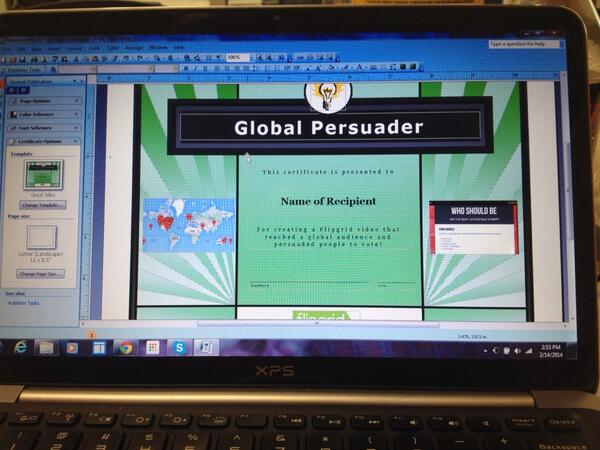
certificate


After selecting all of the students, I sent a list of the awards to the Flipgrid team and they announced the winners via Skype.  It felt like the Academy Awards as the Flipgrid team cheered for students as I handed out the certificates, and it was amazing to hear the shouts and claps of all of the 2nd graders cheering on their peers.

Flipgrid Skype (8) Flipgrid Skype (6)


Mixed in with our connection the kids had a chance to ask the Flipgrid team questions.  I loved the moments where one student said “sometimes it doesn’t work” and another student said “I think you need to be able to turn up the volume for people who talk soft”.  These weren’t questions, but the Flipgrid team let the students know that because of their videos they were already thinking about volume and that they were working to make sure Flipgrid always worked for users.

During and after our Skype, the Flipgrid team and I shared several pictures from both sides of the Skype: Georgia & Minnesota.
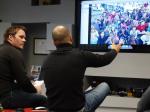
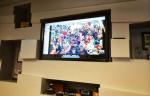
We closed our time together by revealing the results of the overall voting for the favorite leader from black history to be on a postage stamp.  The votes were extremely close, but Rosa Parks came in just 1 vote ahead of Jesse Owens.  By this point, the kids were so excited about all that had happened with their project that the vote didn’t even seem to matter anymore.

Thank you to Charles Miller, Bradford Hosack, and the entire Flipgrid team for helping us celebrate this project today before we move on to our next adventures in the library.  Thank you!


http://www.youtube.com/watch?v=g0oEWtWvfiw

Our Miraculous Start to 2014 with Flipgrid

miraculous flipgridIn the new year, I wrote a post about expecting the miraculous in 2014.  I can honestly say that the expression “Expect the Miraculous” has taken on a life of its own in our school.  Let me tell you how it happened.

To kickoff the second half of the year, we held a schoolwide assembly.  The purpose of the assembly was to review goal setting, celebrate our unique talents, and to give ourselves permission to have dreams.  It really was an amazing assembly.  We had student performances, a teacher who played her violin, a youtube video from Kid President, and Martin Luther King Jr contest winners.  The assembly was also a space for me to talk about expecting the miraculous.  I read the excerpt from Flora & Ulysses: The Illuminated Adventures.

“All things are possible,” said Dr. Meescham.  ”When I was a girl in Blundermeecen, the miraculous happened every day.  Or every third day.  Actually, sometimes it did not happen at all, even on the third day.  But still, we expected it.  You see what I’m saying?  Even when it didn’t happen, we were expecting it.  We knew the miraculous would come.” ~Kate DiCamillo

I also shared synonyms for the word “miraculous” such as “extraordinary”.  Finally, I told my own story of expecting the miraculous.  My story involved our new 3D printer.  From the day I heard about 3D printers, I expected that one day our library would have one.  I wasn’t sure how or when, but I felt in my heart that this incredible piece of technology was something our students should have access to in school.  About a year ago, our district considered purchasing a 3D printer for our school.  It was all the way down to the ordering process, but something happened over the summer and it didn’t get order.  Still…..I expected the miraculous.  I wrote grants and began advertising the idea of purchasing a 3D printer.  I publicized that a portion of our book fair profits would go toward 3D printing.  However, this was a slow process and I knew it would take time to raise almost $3000 for a printer and supplies.  Still….I expected the miraculous.  Then, in October, Makerbot announced their partnership with Donors Choose.  I immediately submitted my project and hoped for the best knowing that much of the available funding would most likely go to Brooklyn schools.  Still…I expected the miraculous.  Miraculously, our printer was funded overnight!

This is the story that students heard.  I followed this with an invitation for them all to “Expect the Miraculous” with me.  To capture our goals, dreams, wishes, and expectations for 2014, I created a Flipgrid.  I gave them a quick tutorial on how to record a video into the Flipgrid by walking them through screenshots of the process.  Then, I setup a Flipgrid recording station in the library.

Flipgrid station Over the past 2 weeks, students have written about their hopes and dreams in class and visited the library to record.  It has been an amazing process to watch.  Goals have ranged from reading goals to behavior goals and from school-related to extra curricular related.  I encourage you to spend some time listening to their miraculous expectations and feel free to click the + and add your own.  Students have enjoyed coming into the library and listening the the videos on our touchscreen computer at the front of the library.  I can put the Flipgrid on slideshow and it flips through each video throughout the day.

IMG_1810[1]

I’ve heard so many kids, families, and teachers using the word “miraculous” in conversations.  Some students have even recorded their videos at home with their family.  Our school embraced the phrase so much that we even put it outside on our sign.

miraculous

One more miraculous thing happened.  Kate DiCamillo posted an opportunity on her facebook page to ask questions about her books.  I asked, “What miraculous things have you expected that actually happened and what miraculous things are you still expecting?”  Here’s her reply!

Miraculous

Expecting the Miraculous Now and in the New Year

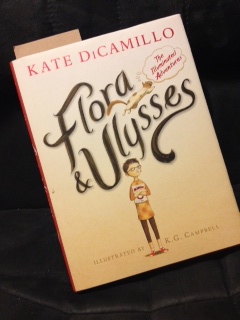
photo (4)Over the summer of 2013, I was fortunate enough to receive an advance reader copy of Flora & Ulysses:  The Illuminated Adventures by Kate DiCamillo.  She is by far one of favorite authors because her words always seem to speak to me in some way beyond just the story.  On p. 130, I came across a quote that I have honestly carried with me in my heart and mind since reading it.  In fact, it has become a motto that I embrace in our school library because it exemplifies the brand that our library represents.

“All things are possible,” said Dr. Meescham.  “When I was a girl in Blundermeecen, the miraculous happened every day.  Or every third day.  Actually, sometimes it did not happen at all, even on the third day.  But still, we expected it.  You see what I’m saying?  Even when it didn’t happen, we were expecting it.  We knew the miraculous would come.” ~Kate DiCamillo

Expect the miraculous.  It’s the phrase that I cheezily say to myself as I enter school each day.  It’s what I remind myself of when I sit down to plan with teachers.  It’s what I whisper to myself in the midst of a technology fail.  It’s what came out of my mouth in a recent interview with School Library Journal:

For wary school librarians, Plemmons adds, “My philosophy is, if we don’t expect miraculous things to happen in our libraries, then we’re just limiting ourselves. Why totally shut a door when we don’t know where it leads to?”

I don’t want to put limits on what kids are allowed to do just because I might not be an expert in a particular tool or concept.  I’m willing to try anything new with any age of students and expect that something great will happen even if it’s not what I imagined happening in my head.  In Invent to Learn, Sylvia Martinez and Gary Stager say,

“It is unacceptable and unnecessary to deny children the opportunity to work on something they are passionate about because the teacher is not an expert in that particular field.”

Looking back through my posts of 2013, I see so many incredible things that happened in our library because we (myself, students, teachers, families, connected educators, and special guests) expected the miraculous.  Here are just a few:

  • 5th graders working together to design, plan, persuade, collect, paint, and dedicate during the Little Free Library project.  We now have 2 Little Free Libraries thanks to their hard work.  We went into the project with so many unknowns, but we always expected that the libraries would exist in our community.  Check out the posts!
  • 2nd graders developing their writing skills through blogging and connecting with students in Van Meter, Iowa.  This project included a miraculous connection with author/illustrator Jenny Sue Kostecki-Shaw.  Check out the posts!  Post 1  Post 2   Post 3

http://www.youtube.com/watch?feature=player_embedded&v=DJ2mEkEpQaA

  • 3rd graders engaging in action research to solve a real-world problem at our school.  Their investigations included webcam observations, indoor and outdoor observation, skyping with Cornell University and a former Barrow Buddy via Skype, and email communication with other experts.  Their work resulted in many attempts at saving birds from crashing into our school windows.  Post 1  Post 2
  • 1st graders using Twitter to write persuasive messages about our environment.  Check out the post!
  • Multiple connections for special events like World Read Aloud Day, World Book Night, Dia de los Ninos, Read for the Record, and Talk Like a Pirate Day.
  • Students purchasing books for our library with their very own student book budgets.  Check out the post!

http://www.youtube.com/watch?feature=player_embedded&v=1yaj5TeQG0Q

  • Students from throughout the school crowd-sourcing a poem using Google Forms for Poem In Your Pocket Day.  Check out the post!
  • Our annual Poem In Your Pocket Days live on Adobe Connect with viewers in multiple states and countries.  Post 1   Post 2
  • Kindergarten students becoming experts inTux Paint and making an informational video to teach others to use the program.  They even connected with students in Van Meter, Iowa to share their expertise.  Post 1  Post 2

http://www.youtube.com/watch?feature=player_embedded&v=uTwGjinM-nY

  • Moving into a brand new library and working together to learn how to use it.  Check out the post!
  • The entire 4th grade working together in the library over several days to research explorers and Native Americans as well as challenge their thinking about heroes and villains.  Check out the post!
  • 2nd graders using Thinglink to publish monster stories.  Check out the post!
  • A Picture Book Month Smackdown with 2 authors and schools in 5 different states.  Check out the post!
  • After our district decided not to buy a 3D printer, we continued expecting the miraculous.  Miraculously, Donors Choose and Makerbot created a partnership and overnight a 3D printer was funded for our library!  Check out the post!
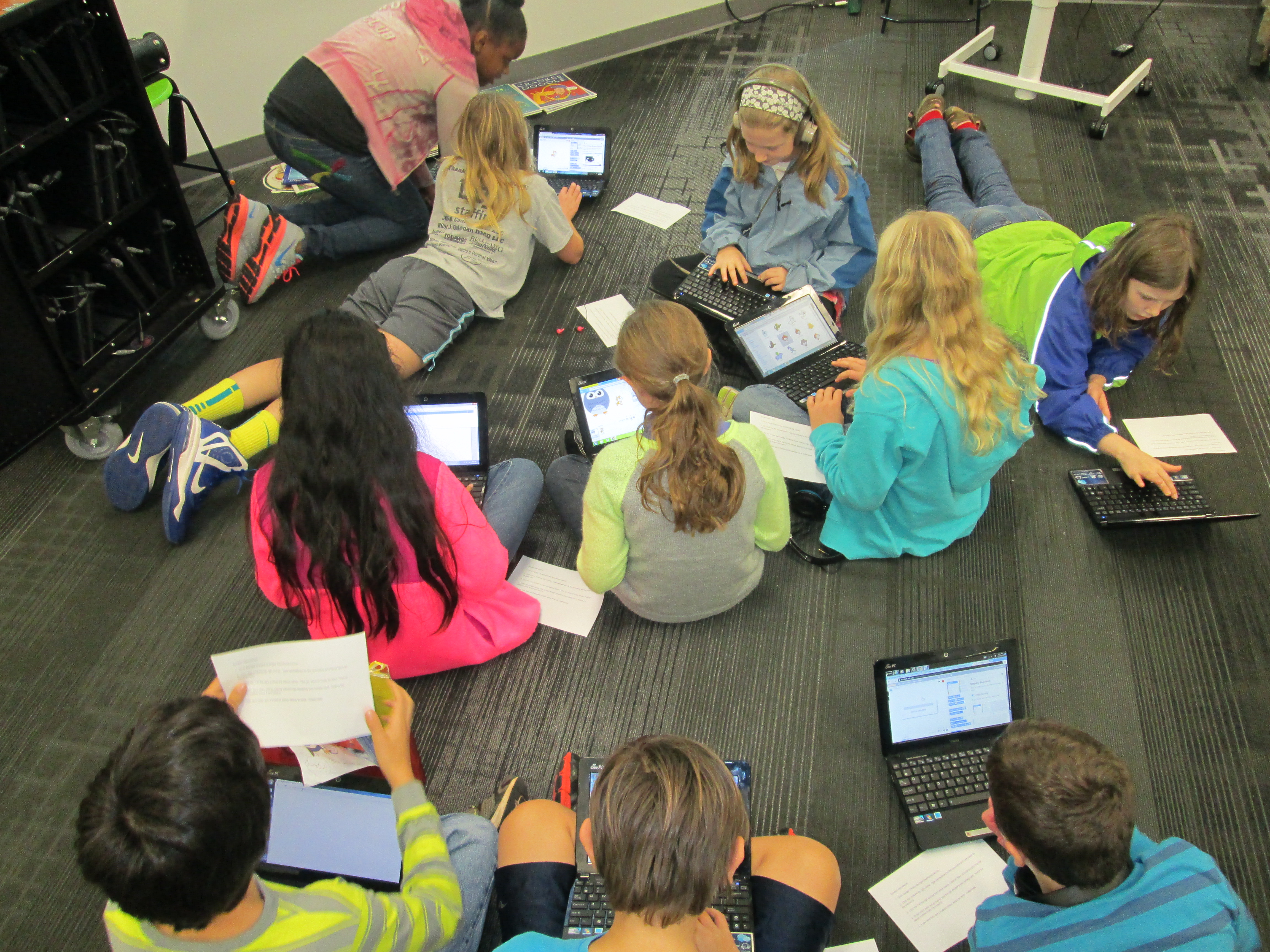
  • Classes in every grade level committed to exploring computer programming during the Hour of Code.  I’m expecting more miraculous things to come out of this one hour experience.  Post 1  Post 2
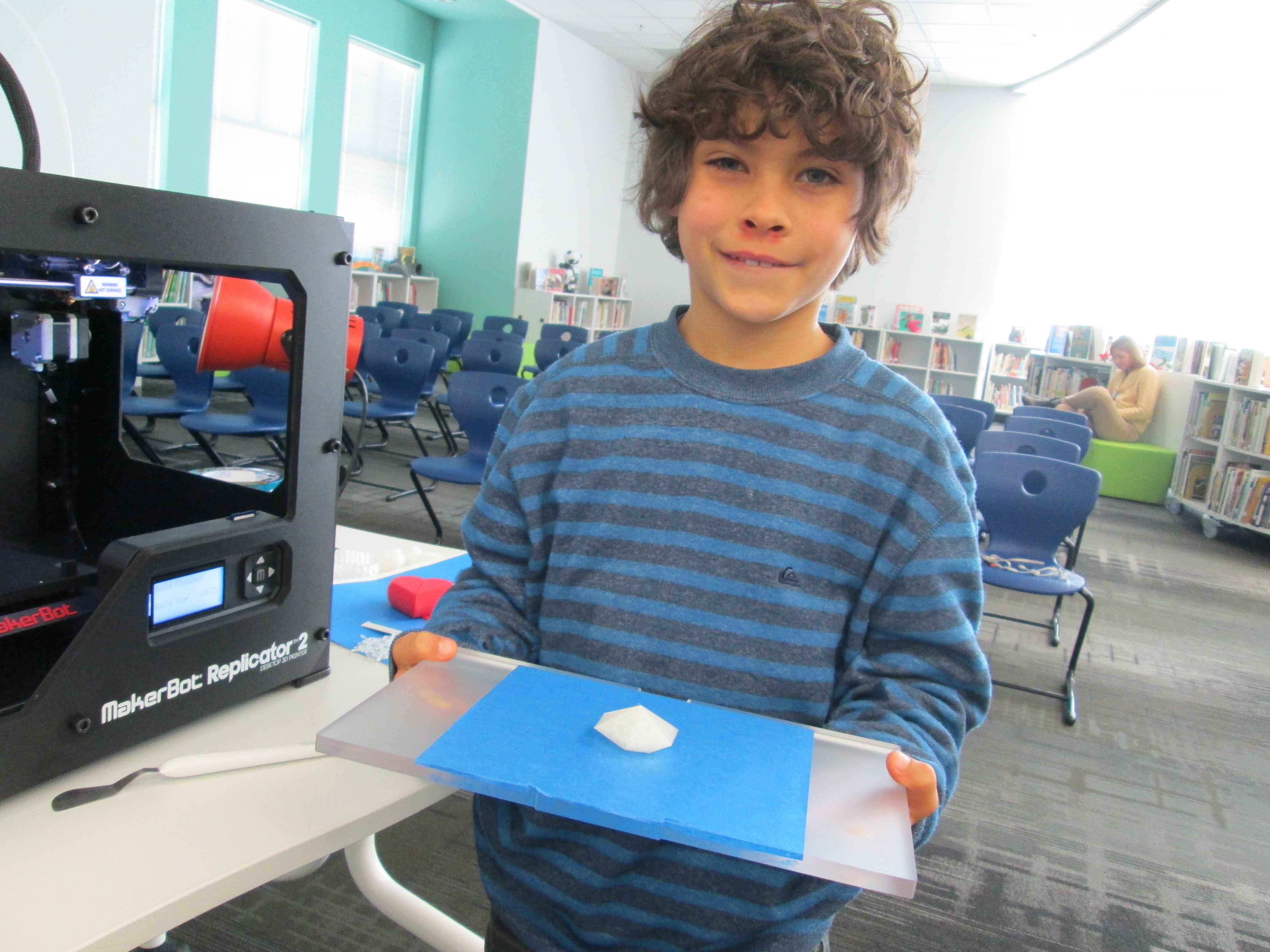
  • Our very first student-made design was printed on our 3D printer.  Grant and I expected the miraculous (even though we were prepared for failure).  Check out the post!

http://www.youtube.com/watch?feature=player_embedded&v=MECvE__EN3E

1st print (18)

When we give kids the space to explore, the tools to create, the connections to expertise and collaboration, and a global audience to share with, miraculous things will happen.  I know that not everyone believes this.  Recently, an article was published in the Athens Banner Herald highlighting out Hour of Code activities.  In the article, I was quoted saying:

“I encourage them to think about how coders aren’t afraid to make mistakes,” Plemmons said. And when they do make a mistake, they work with their peers to fix it.

Even though I try to avoid reading online comments (and I wish I had used the word failure instead of mistake), I was disturbed by one commenter’s post.  She said:

Such a lax attitude is not acceptable in my book. I am afraid to make mistakes in my work so I make sure all possibilities are considered and all details are addressed and included. I also make great effort to anticipate any questions my clients may have and am ready with an answer before I sit down at a meeting. I don’t need to ask others to help me fix any problems; I’ve already fixed them.

It’s good to tell kids to relax and not worry about making a mistake as they learn, but that real work for hire must be near perfect without wasting a lot of people’s time or your own.

The most disturbing part of this comment to me was the notion that giving kids space to fail, step back, re-evaluate, and try again is having a lax attitude.  Many major companies encourage their employees to fail early and fail often. This allows their employees the freedom to be innovative and take risks knowing that those risks are what unveil the latest great ideas. By failing early, learning from failure, and fine tuning their products, companies are able to release the best quality product that they can. In the digital world, companies continue to listen to the consumer and push out updates to improve any mistakes or ideas that they missed. This is the same kind of situation with students. They aren’t publishing final products online that are full of mistakes. Rather, they are attempting to make the computer do what they want it to do, trying some code, seeing what works and what doesn’t, and fine tuning their work. No one sits down and makes a perfect product without first failing.  Expecting the miraculous certainly doesn’t mean that you are expecting things to be perfect on the first try.

I was reminded of the importance of failure when I was recently reading Presentation Zen by Garr Reynolds.  Reynolds says:

“The fear of making a mistake, risking an error, or being told you are wrong is constantly with us. And that’s a shame. Making mistakes is not the same thing as being creative, but if you are not willing to make mistakes, then it is impossible to be truly creative. If your state of mind is coming from a place of fear and risk avoidance, then you will always settle for the safe solutions–the solutions already applied many times before.”

“Children are naturally creative, playful, and experimental. If you ask me, we were the most human when we were young kids. We worked on our art, sometimes for hours without a break, because it was in us, although we didn’t intellectualize it. As we got older, fears crept in along with doubts, self censoring, and overthinking.”

In 2014, I am going to continue expecting the miraculous with my students, my collaborators, my families, and my peers.  We will embrace our failures, learn from them, and continue to create innovative work together.

I am going to start 2014 by asking my students, “What miraculous things do you expect in 2014?”  They will record their responses on a Flipgrid.  I invite you to add your own expectations to the same Flipgrid.  Go ahead.  Give it a try.  Expect the miraculous.

Day 2 (3)

Flipgrid Book Talks with 5th Grade

Flipgrid. Relax and discuss.A few weeks ago 5th grade reading teacher, Melissa Freeman, asked if her students could have some time in the library reading picture books and informational books related to the Civil War and Civil Rights Movement.  I quickly began pulling a big stack of books for them to read.  We wanted some way of capturing this experience to refer back to during Social Studies time, so I’m so glad that I discovered Flipgrid!

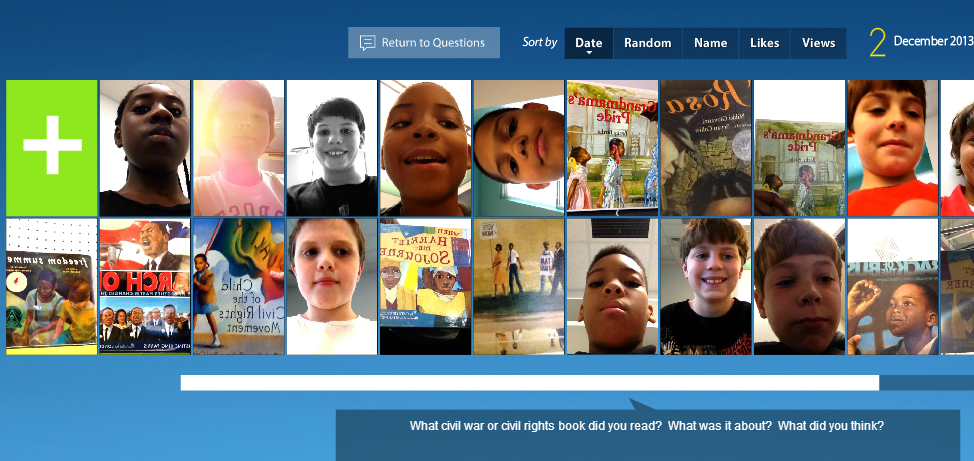
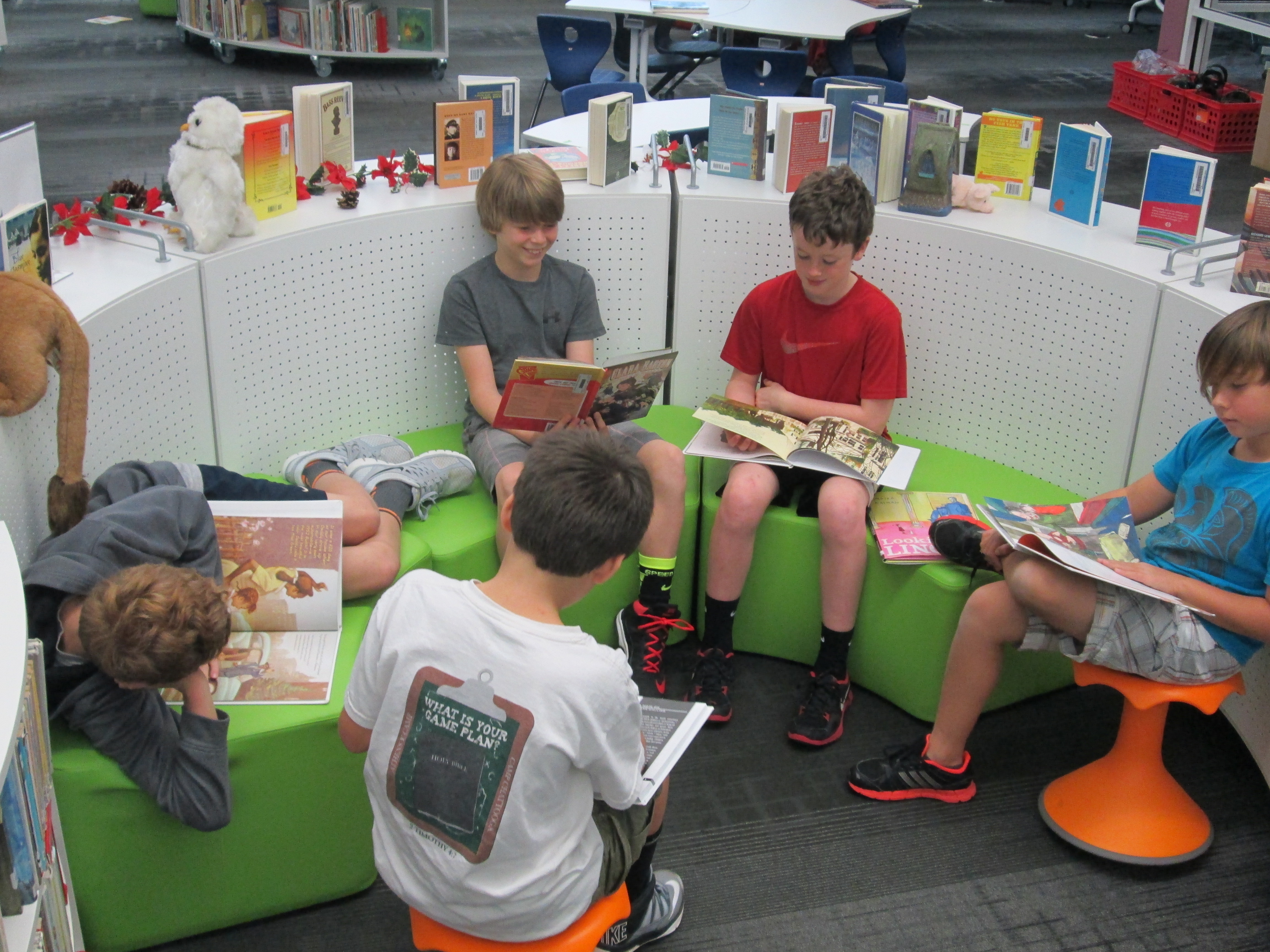
flipgrid civil war & rights (11)Each 5th grade class came to the library today.  I had the books spread out on tables.  We started in the floor for an overview.  I shared our purpose of reading books connected with our social studies content.  The teacher and I both stressed that our main goal was to spend quality time reading the books and preparing to do a book talk.  Flipgrid was going to be our tool to capture these book talks, but Flipgrid was not our focus.  We also talked about why Flipgrid was the chosen tool.  We brainstormed ideas such as the ability to go back to these book talks during social studies to find books that matched standards.  Students also thought that others in the school could visit the grid to learn about some books that they might not check out on their on.

With our purpose established, I showed students an example of what a book talk video might look like.  I also quickly walked through the Flipgrid screens to show what each one looked like in order to record a video.  This overview took us about 15-20 minutes.

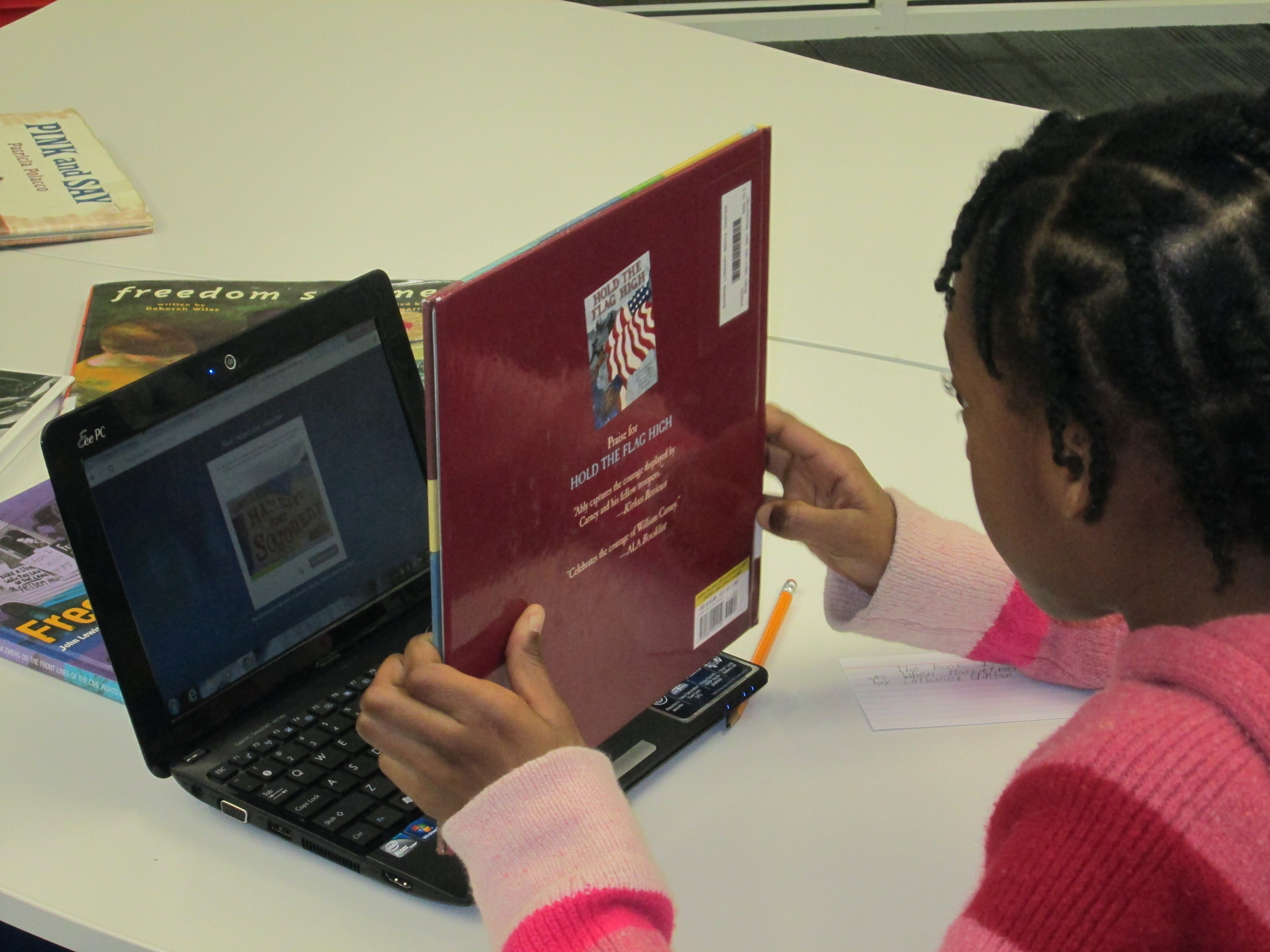
Students each went to the tables, chose their book, and found a cozy spot to read.  As students finished their reading, they got index cards and pencils to write down a few notes to help them with their book talks.  Finally, they got an iPad, typed in the flipgrid code, and found a quiet spot to record.

flipgrid civil war & rights (8)The student response to this tool in 5th grade was very positive, but they did have some suggestions for improvement:

  • When they held the books up to show them on the video, the words on the books were flipped backward.  We did not figure out how to fix this in the recording screens.
  • When students submitted their video, sometimes it put the video up to 8 times on the grid.  I had to manually go in and delete the extras.  We are not sure why this happened to some students and not others.
  • Some students received a timeout error message when uploading their videos.  They had to repeatedly submit the video until they got the successful upload message.

I typed all of these comments in an email and sent it to Flipgrid support.  We hope that we hear some answers to these issues or see Flipgrid continue to improve.  Even with the technical problems, the students all hope that their teacher and I will continue to use this tool.

Listen to their book talks here.  Students will continue to add videos to grid during their reading class with Mrs. Freeman.

Flipgrid Book Reviews with 2nd Grade

Flipgrid. Relax and discuss. 2I have a new favorite tool:  Flipgrid.  This tools allows you to setup a grid with multiple questions and students can use webcams on computers or a free iPad app to record up to 90 second responses to the questions.

Our 2nd grade is currently working on response to literature writing.  They want to create book reviews to post onto their KidBlogs.  To kickoff the writing of book reviews, we looked at a book review written a few years ago by Kindergarten teacher, Kelly Hocking.  We decided after reading the review that it was made up of 4 parts:  A hook, a short & sweet summary, connections & opinions, and recommendations.

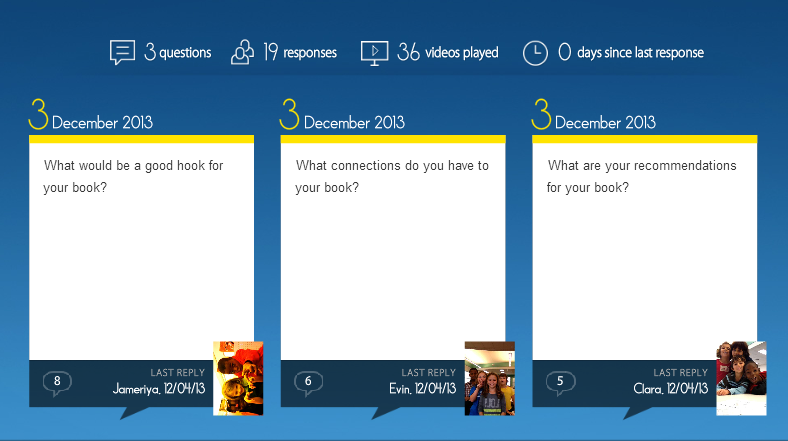
Flipgrid. Relax and discuss.Next, I read the book Carnivores by Aaron Reynolds and illustrated by Dan Santat.  I wanted students to have a chance to practice writing the parts of a book review, but rather than do it whole group, we used FlipGrid.  I created a grid with 3 questions:

  1. What would be a good hook for your book?
  2. What connections do you have for your book?
  3. What are your recommendations for your book?

Each question has a code for flipgrid.  I downloaded the app onto all of our iPads.  For the app, students just have to type in the code to access the question.  I printed each question with its corresponding code on paper to give to groups.  Students divided into groups of 4 and were assigned one of the 3 questions.  After doing this lesson with 2 different groups, I learned that for 2nd grade it was really important to write down what they were going to say, so students first wrote out their response to their question on an index card.  Then, they practiced reading the card and deciding who would say each part on the recording.  To record, students:

  • opened the app
  • typed in their code.
  • touched the plus sign
  • accepted terms
  • took a photo
  • recorded their response
  • uploaded their video by typing a name and email

The videos were all sent to our grid.  We gathered back on the floor to listen to some examples of hooks, connections, and recommendations.  I also sent the link to the teachers so that they can refer back to the hooks, connections, and recommendations that were made as they begin to write their own book reviews.  I imagine that these videos could become parts of mini-lessons about what makes a strong hook or how to write a stronger recommendation.

You can listen to their responses by visiting the grid.

I’m proud of these 2nd graders and their teachers for diving into an unknown tool.  They learned about writing book reviews, but they also learned from their failures in using a new tool and passed on their learning to the groups that come after them.  We had some great discussions about what we will remember the next time we use Flipgrid, and I know that the process will get smoother each time.   I think Flipgrid will be a tool I will come back to again and again.  In fact, I’m using it tomorrow with 4th graders to create a grid of book talks about civil rights leaders.