Read for the Record 2015

Each year, Jumpstart  sponsors a day for readers all around the globe to join their voices in reading the same book. A different book is chosen each year, and this day has become a day that we love to connect with other schools to read the book together.  This year the featured book was Not Norman: A Goldfish Story by Kelly Bennett and illustrated by Noah Z. Jones.  Jumpstart puts the book online during Read for the Record so that readers can easily access the book to read aloud.  I love having a large full screen version of the book for students to look at while we read alone and with our Skype partners.

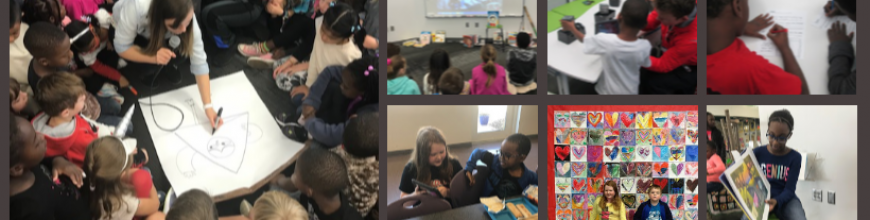
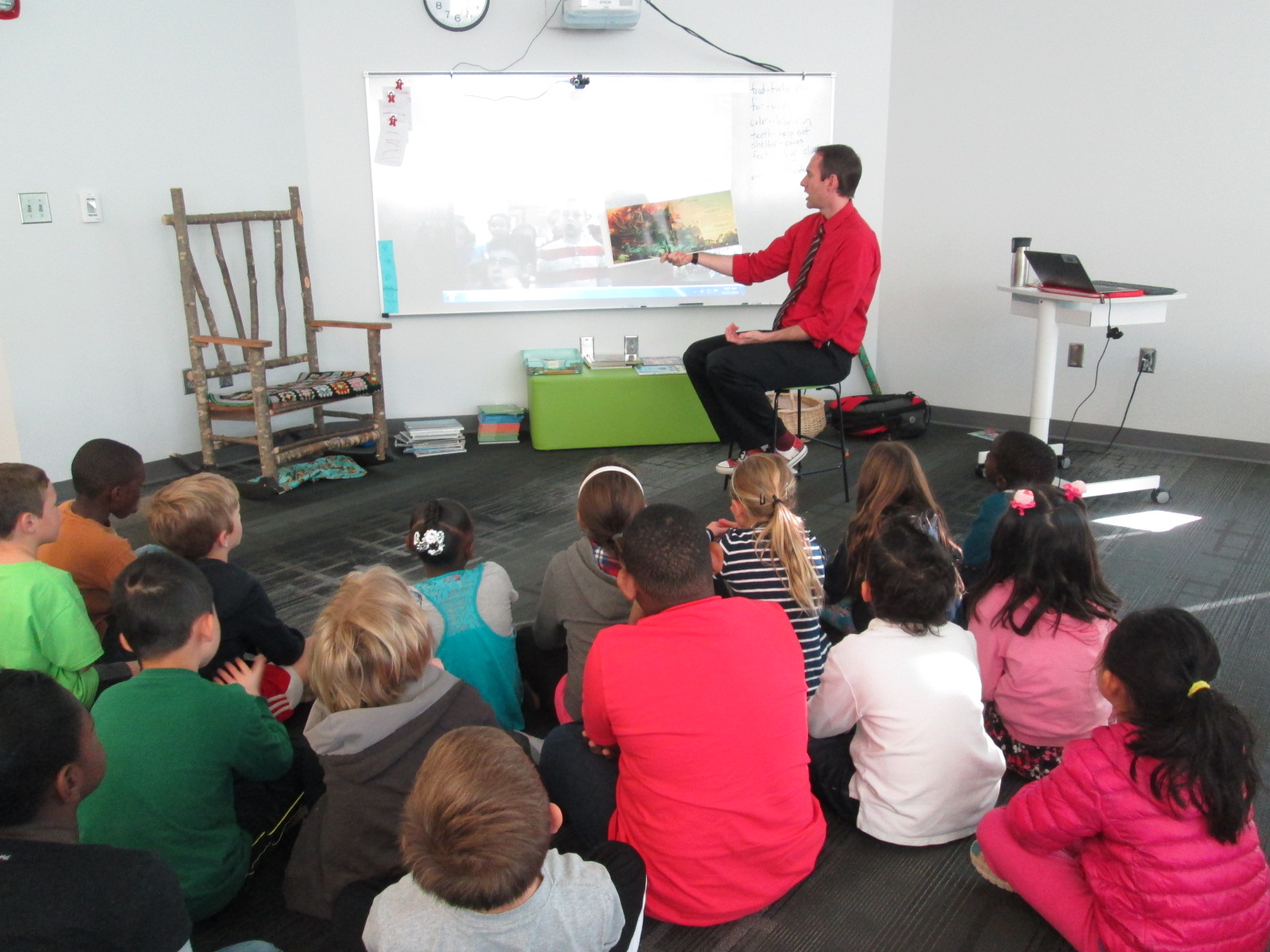
Ms. Sandifer’s Kindergarten class started our day by reading the book with me on our projection screen.

I loved hearing the students make noticings about the images that weren’t included in the words.  We also had fun making predictions before we turned the pages such as when a tree branch is making a noise outside but we got to guess before we found out.  One student thought it would be a zombie!

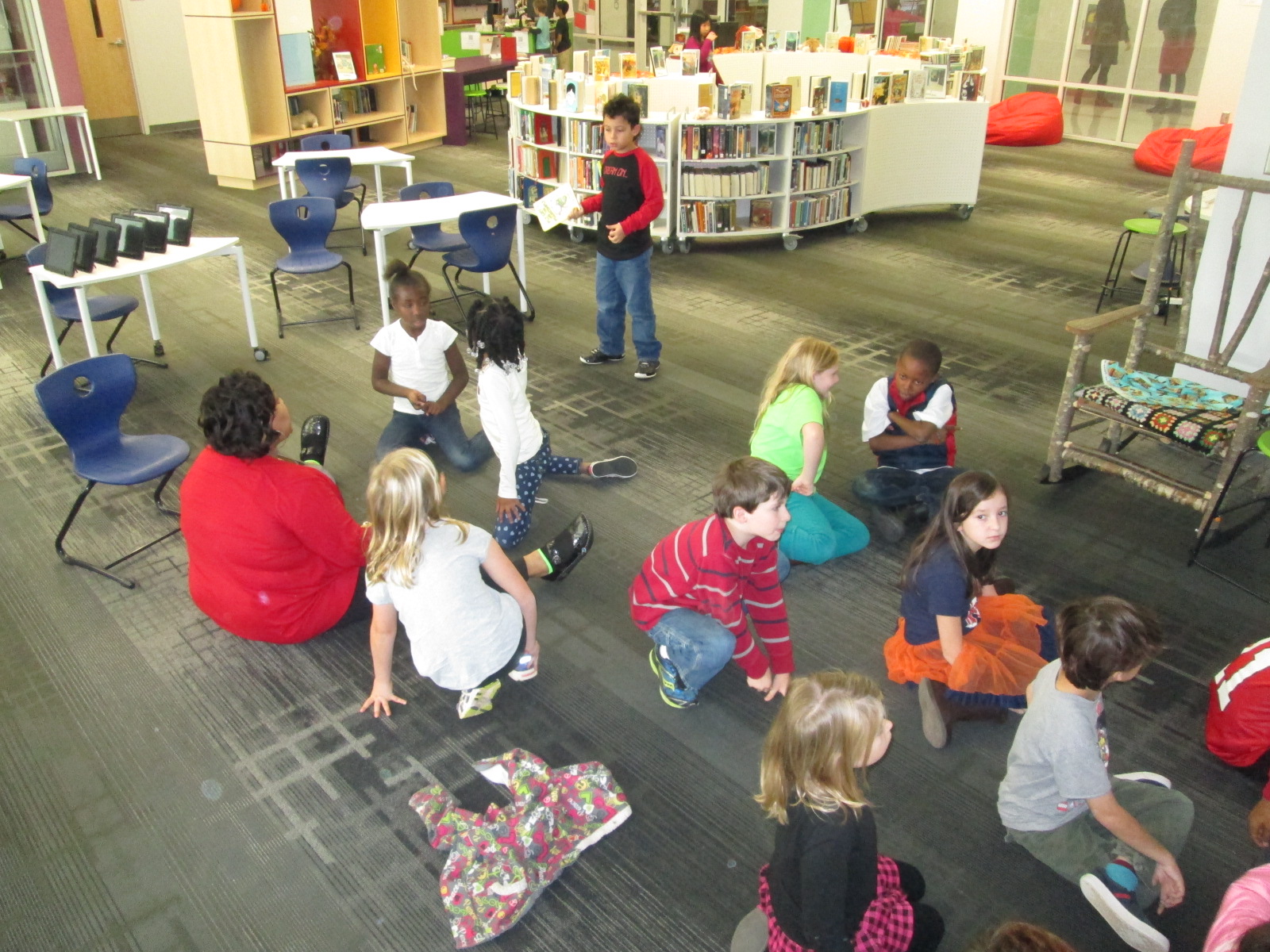
Next, Ms. Kelly’s Kindergarten class (my daughter’s class) came and connected with Jennifer Reed and her 3rd graders in Newton, MA.  We had fun looking at a map before the call and learning that we were connecting with students over 1,000 miles away. Our students also got to introduce themselves to one another.

Jennifer’s students did choral readings of pages, while I read most of our pages with Kindergarten students joining in for words they recognized.  Students were amazed that Jennifer Reed and I know each other in real life and will get to see one another at the AASL conference in Columbus this November.

Finally, Ms. Choate’s Kindergarten class came to the library to enjoy a live Google Hangout with Kelly Bennett reading Not Norman and sharing the answers to several questions about being an author and getting ideas for writing.

This was a great addition to the event to allow many classes to enjoy hearing the author.  We wish there had been more interaction between students and the author, but it was fun listening in to her voice and ideas.

There’s still time to participate in Read for the Record.  You can read the book for free online today and count you and your family in the numbers toward the record.

Let’s Make Our Mark and See Where It Goes for Dot Day 2015

How do you and your students want to make your mark on the world this school year?  International Dot Day, which is September 15ish, is the perfect time to make connections with other schools, spark creativity and collaboration, and see where it takes you for the rest of the year.  Whether you’ve celebrated Dot Day from its beginnings or you are just getting started, we invite you to get creative with your students and share that creativity with the world.

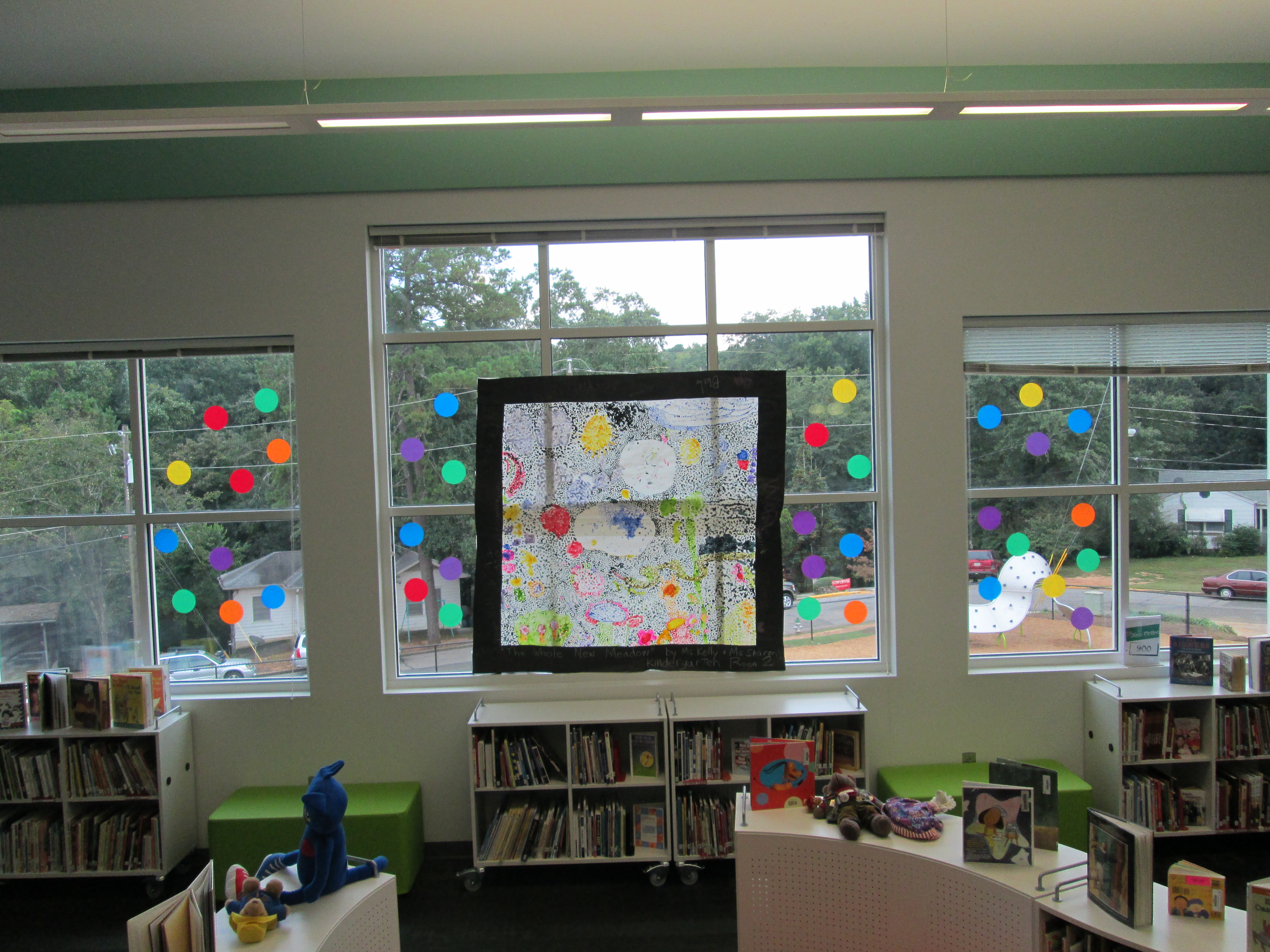
hocking mural (3)

From the official page:
International Dot Day, a global celebration of creativity, courage and collaboration, began when teacher Terry Shay introduced his classroom to Peter H. Reynolds’ book The Dot on September 15, 2009.The Dot is the story of a caring teacher who dares a doubting student to trust in her own abilities by being brave enough to “make her mark”. What begins with a small dot on a piece of paper becomes a breakthrough in confidence and courage, igniting a journey of self-discovery and sharing, which has gone on to inspire countless children and adults around the globe.”

There’s no “right” way to celebrate Dot Day.  In fact, every year people around the globe come up with new and creative ways to make dots and connect with others.  That’s the magic of this special day.

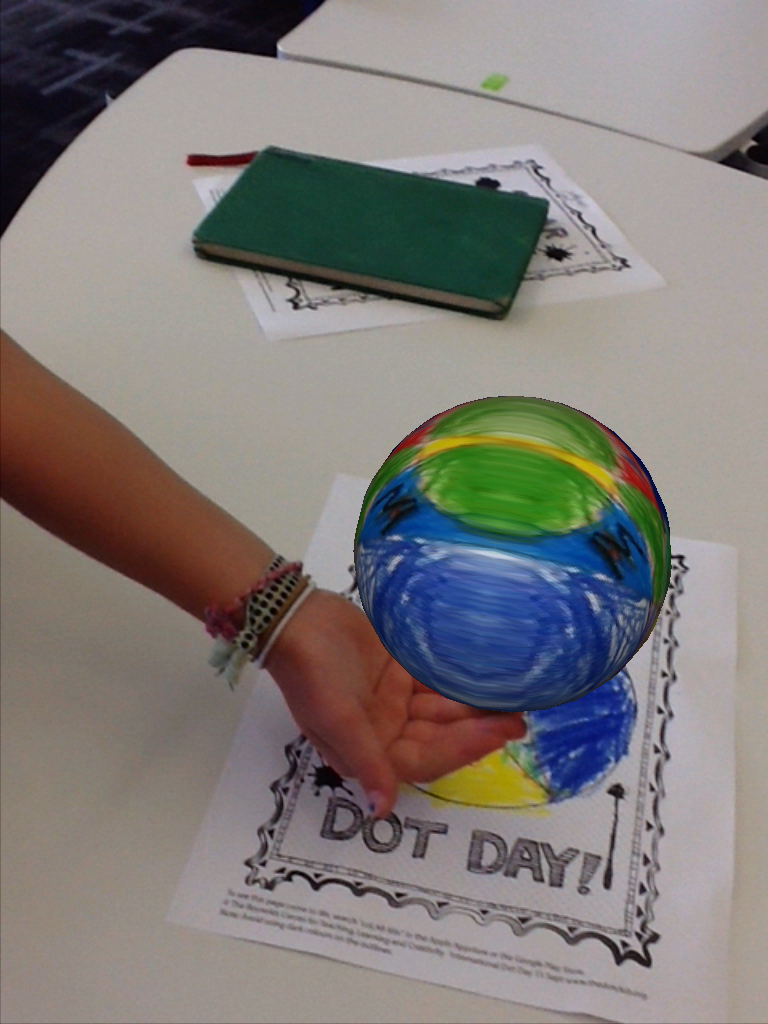
colAR (3)

What happens during a Dot Day connection?
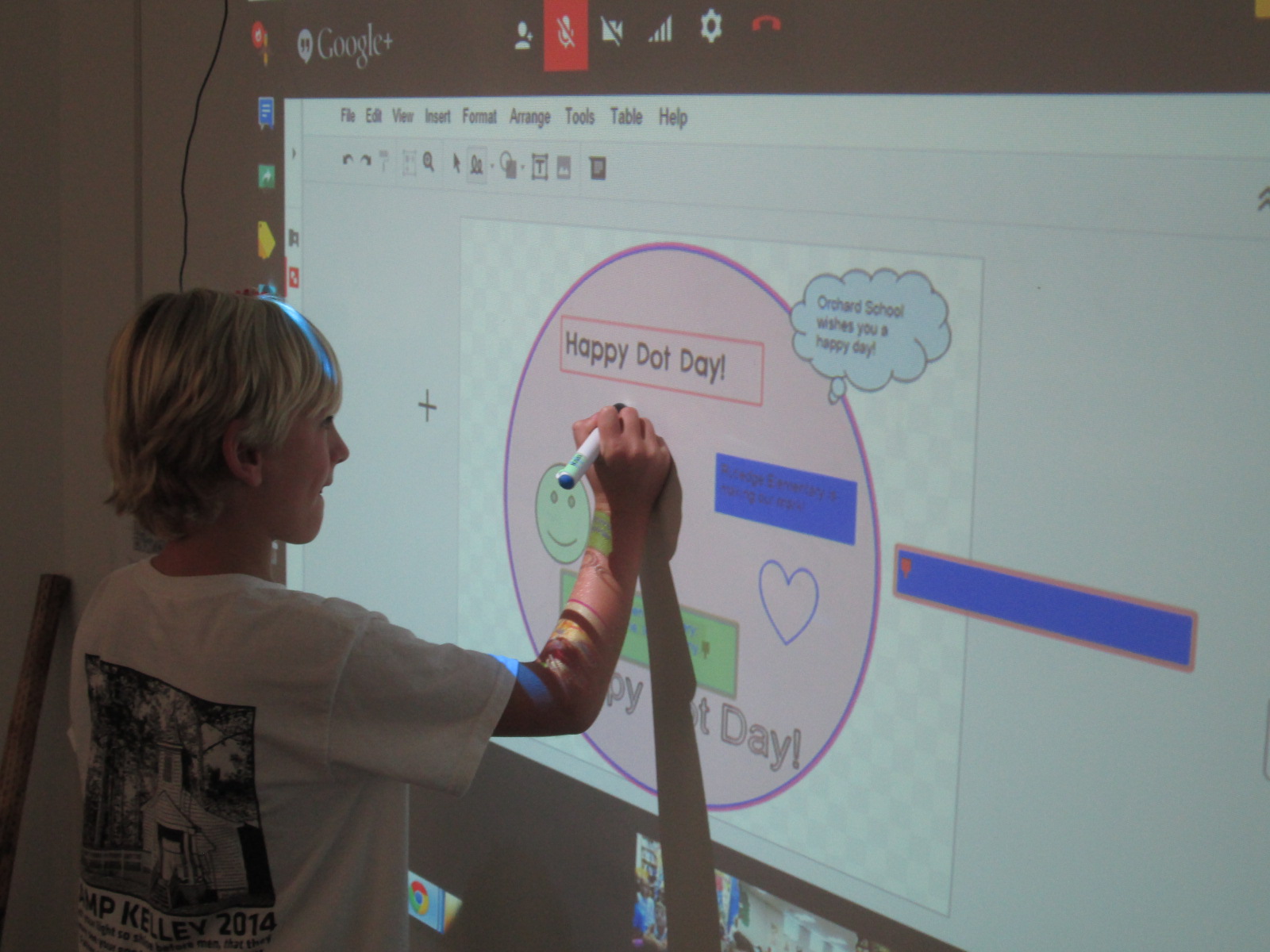
Often, we start by reading The Dot by Peter Reynolds or other dot-inspired books such as Press Here by Herve Tullet.  This is done via Skype or Google Hangouts with a connecting class. We begin to connect the dots with one another by learning a bit about one another.  Sometimes we create something together.  For example, last year students in Barrow Elementary made collaborative digital dots with connecting schools via Google Drawing.

Dot Day (37)

If you need some ideas to get started, consider taking a look at Matthew Winner’s past lessons or check out what others have posted in the Dot Day gallery.

Shannon Miller and John Schu’s Dot Day video is always an inspiration.

Also, check out the Celebridots page for dots created by some of your favorite authors and illustrators.

Many times connecting schools send some of their creations to one another through traditional mail.

How to get started

  1. Register your school on the official Dot Day page.  You’ll be added to the global map as well as gain access to the educator guide which is packed with information
  2.  Visit our shared Google Doc to start making connections with other schools.  We plan to make connections during the whole week of September 14-18.  Simply post your schedule, ideas, and contact information. Then, browse the doc for other schedules that match yours.  Skype in the Classroom is also a great place to make connections.
  3.  Start collaborating with your connecting schools and get ready to make your mark with your students.

Part of making your mark on the world is getting your students’ voices and creations out into the world.  As you connect, share your creations on Twitter using #DotDay and #Makeyourmark  Consider creating a blog post to show your students’ work to the world.

Now, make your mark and see where it takes you.

tinyurl.com/dotday15

Providing Space for the Miraculous

WRAD15 Day 3 (4)

I’m a planner.  In my personal life, I like schedules, details, and wouldn’t consider myself very spontaneous.  However, in education, I’ve learned to push this part of me aside and embrace flexibility.  It isn’t always easy, but it is essential.  When I meet with teachers to plan a collaborative project, we definitely put together a strong plan, but nothing makes me happier than hearing teachers say “let’s just see where this goes”.  Phrases like that mean that we are giving ourselves permission to be flexible.  We are providing space to look for miraculous things that are taking place right before our eyes.  If we script every step of a project, then the project gets done, but at what cost?  To me, the cost is student voice.  When we structure lessons and projects too much, we miss the opportunities to listen to individual student voices and interests.  We miss opportunities that might be waiting for us out in the world with experts, other schools, developers, and more just because it doesn’t fit on our timeline.

IMG_4947

Here’s a perfect example of what can happen when space is provided for the miraculous to happen.

During our 2nd grade black history project, we made numerous changes to our plans.  I’ve written several posts about this, but to summarize, we:

  • made the project more authentic by creating our own award called the Barrow Peace Prize
  • established our own criteria for the award, which matched numerous character traits that students study in social studies
  • housed all of the student videos on Flipgrid and linked them on a Google site with our embedded voting tool
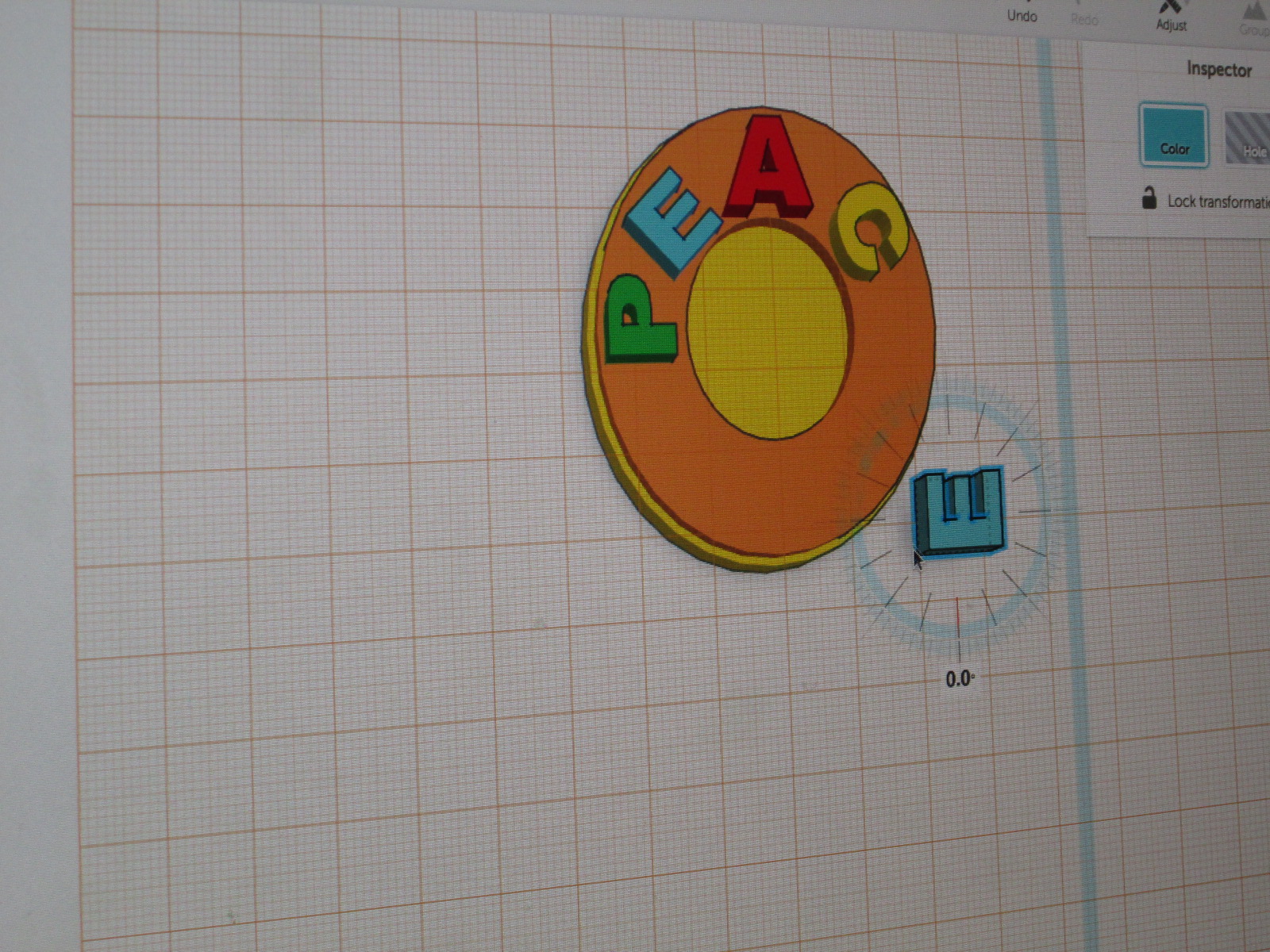
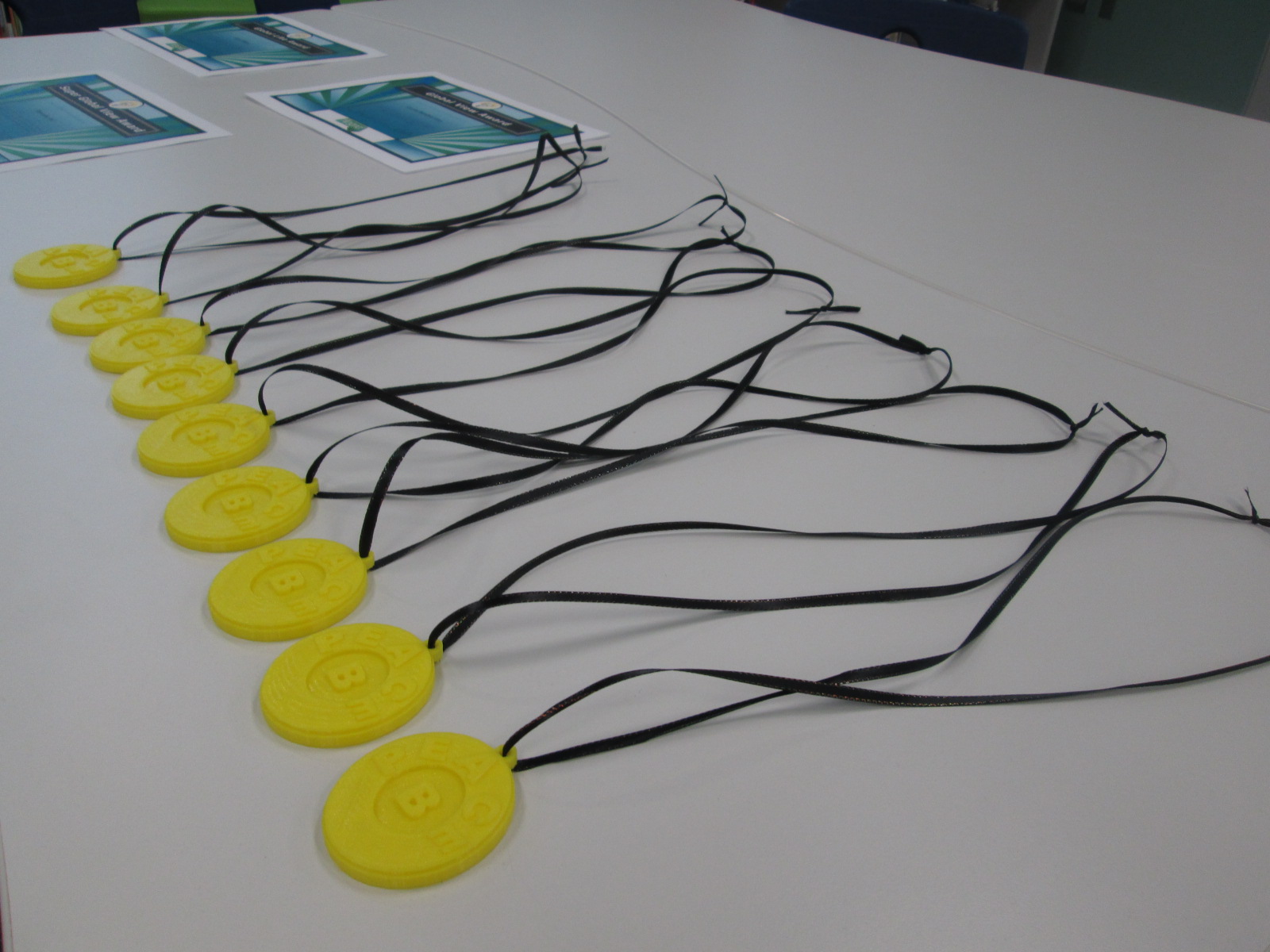
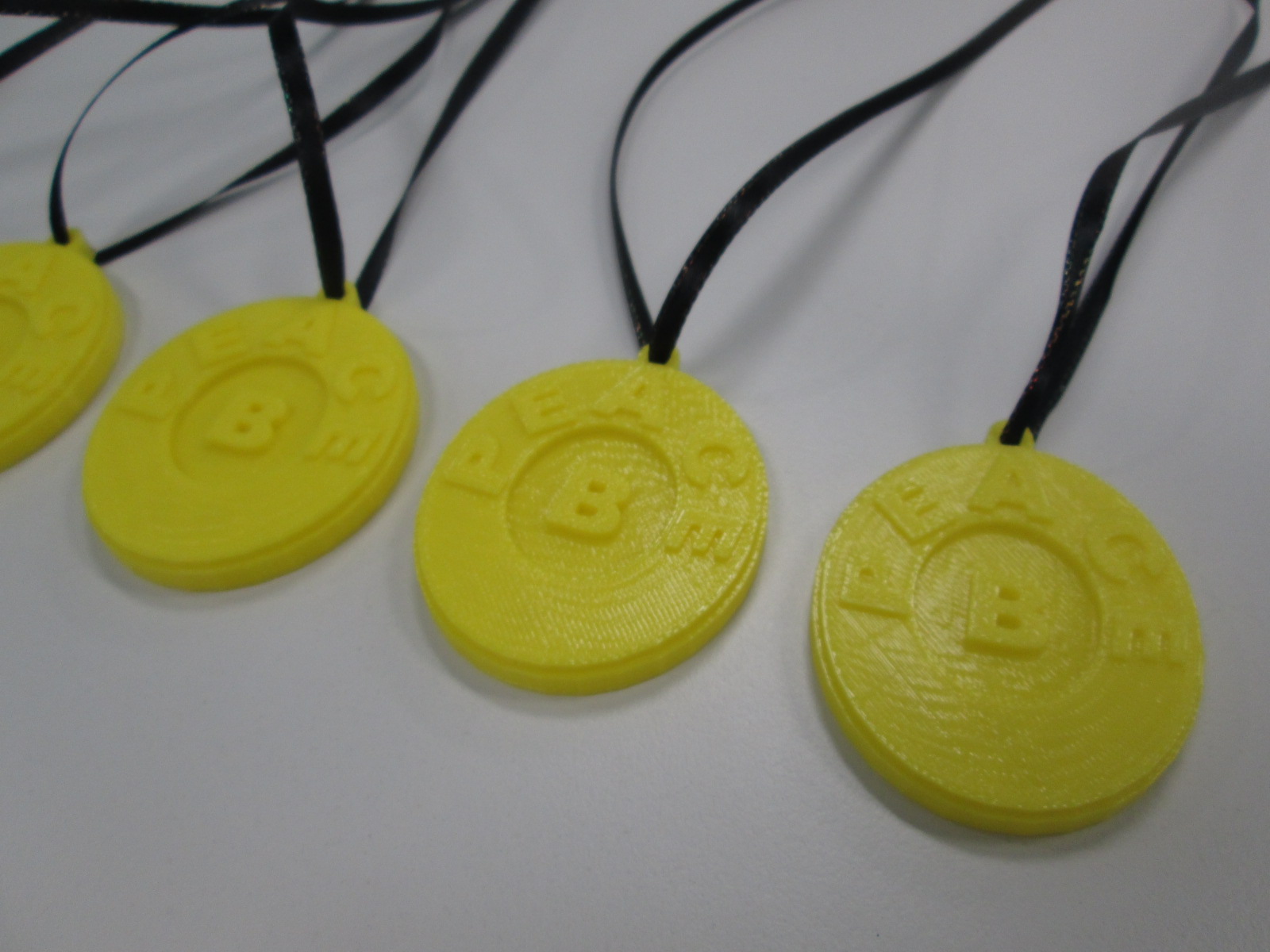
  • created a medal using our 3d printer to honor the person from black history who won the votes

When we planned this project, we knew that certain components would be there such as time to research, time to write persuasive pieces, and time to record videos.  One thing we didn’t know when we started was that we would actually create a medal on the 3D printer.  Because we allowed ourselves to be flexible, to give individual students voice, and to look for the miraculous, an individual student was able to design and create a 3d-printed Barrow Peace Prize.

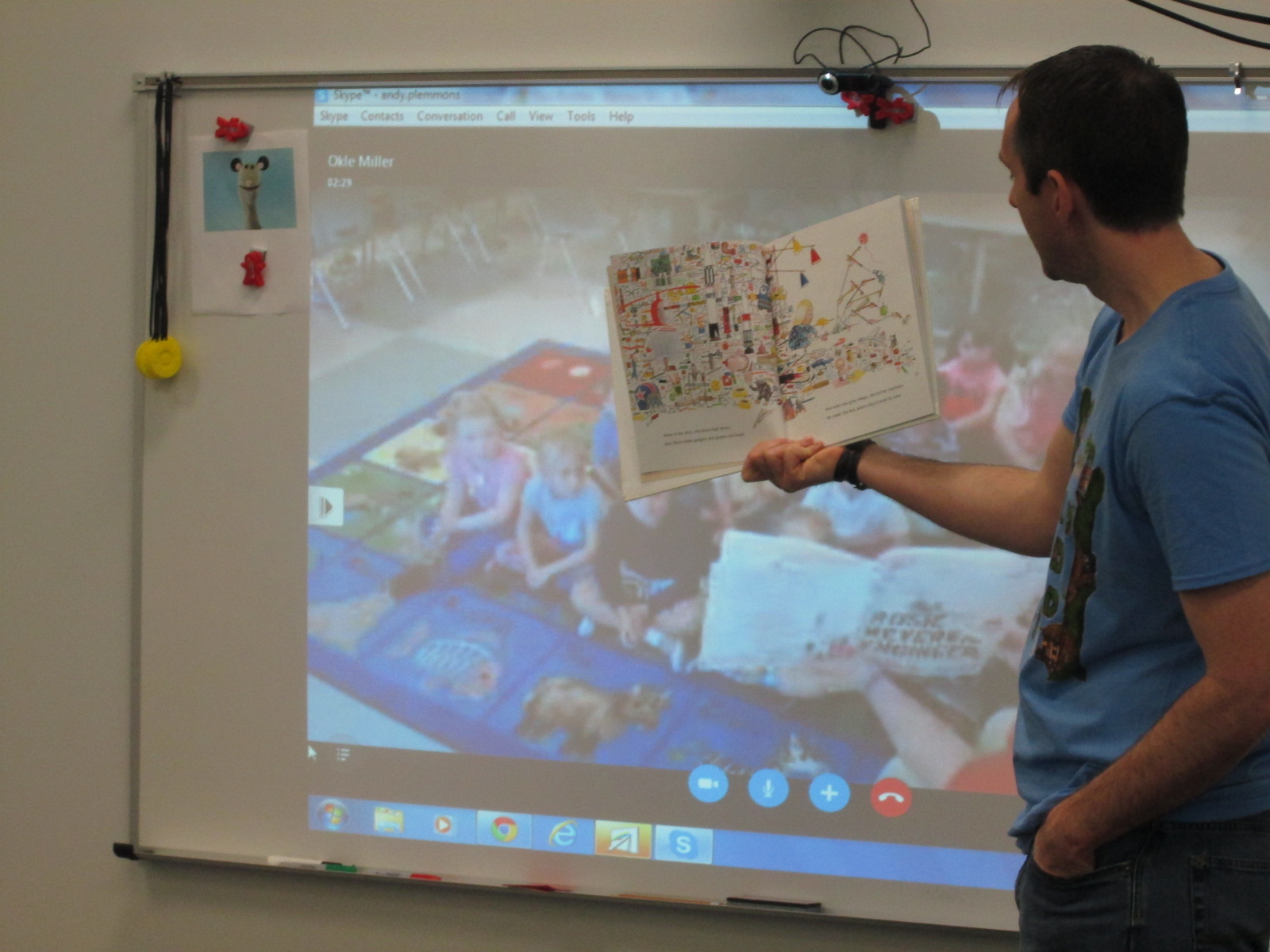
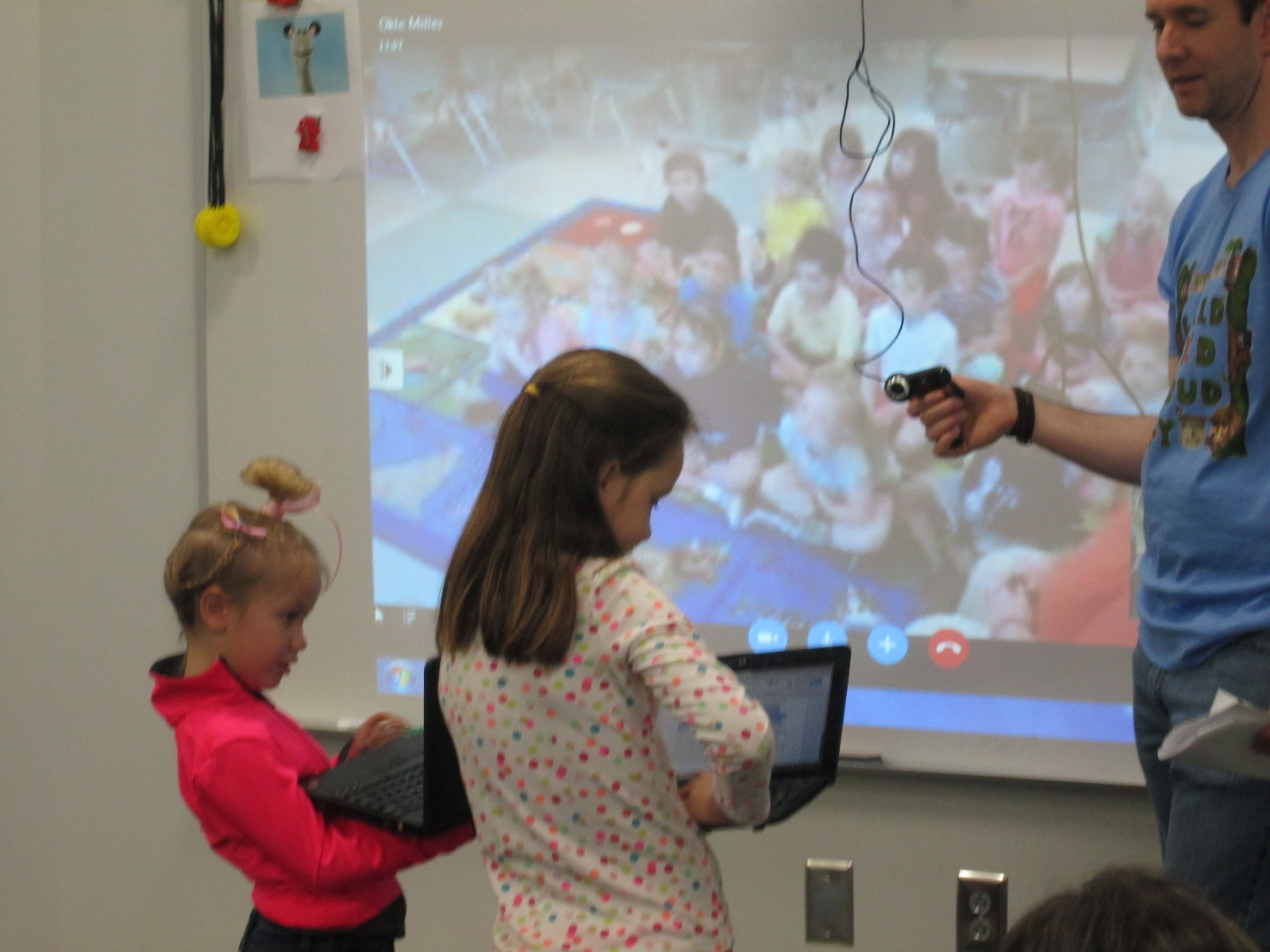
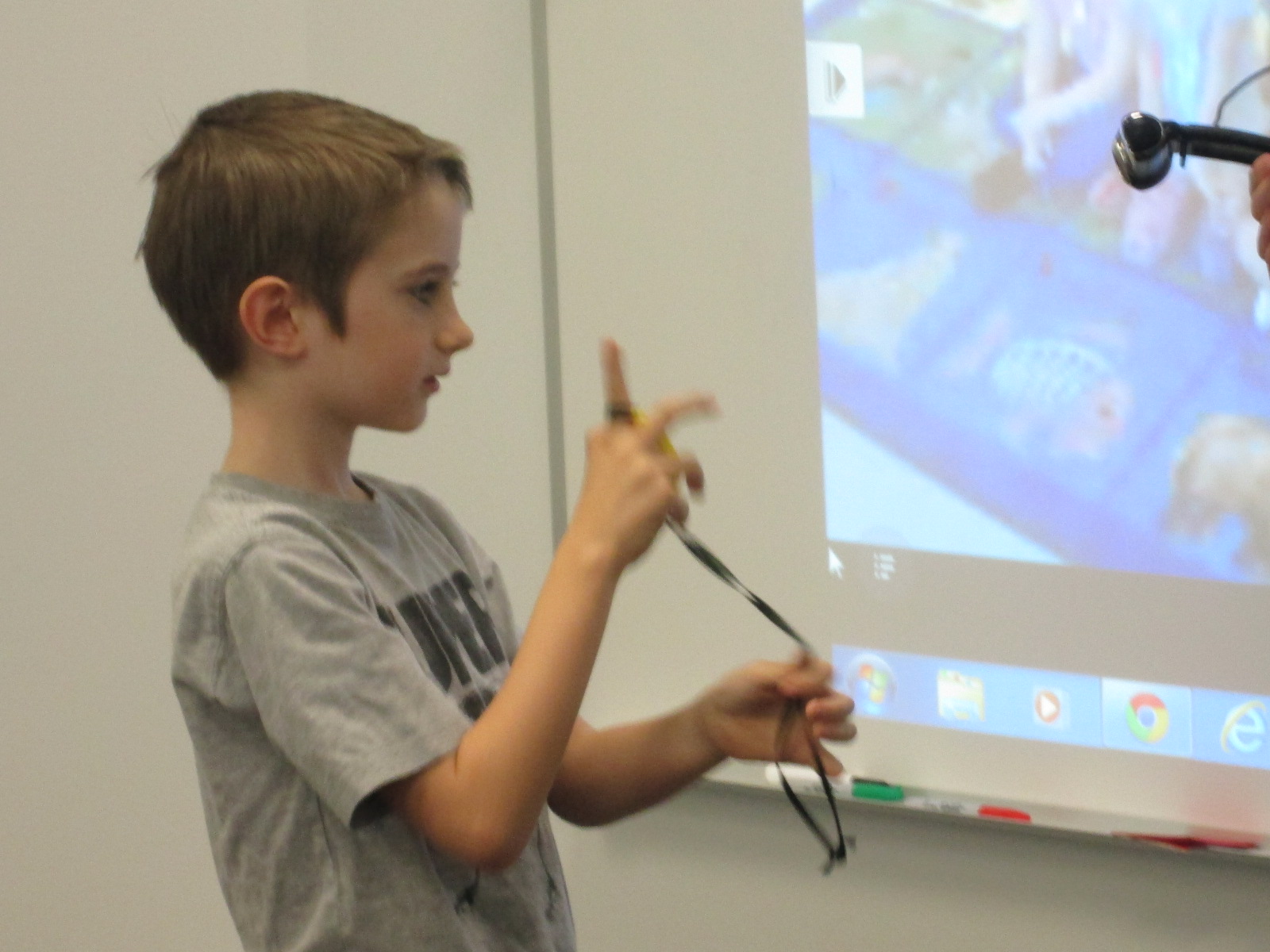
Taylor, our student designer, has been so proud of his work.  This one moment where we provided space for the miraculous has given him and our school some other incredible moments.  Taylor was able to share his work with Okle Miller’s Kindergarten students in Tampa, FL via Skype and inspire them to make their own inventions.  He also shared his work with the Flipgrid team in Minneapolis during our Skype.

While Taylor was designing his work, I was of course sharing it on Twitter.  Brad Hosack, co-founder of Flipgrid, half-jokingly replied:

This one tweet made us think even more.  We originally just planned to print one medal and share it among all of the 2nd grade teachers in honor of the winner of the black history votes, but because we gave ourselves space for flexibility, other miraculous things happened.  We printed enough medals to put one in each 2nd grade class so that now students can take turns in their classroom holding or wearing the medal, and we also sent some to Flipgrid headquarters in Minneapolis, MN.

Flipgrid Barrow Peace Prize (1)

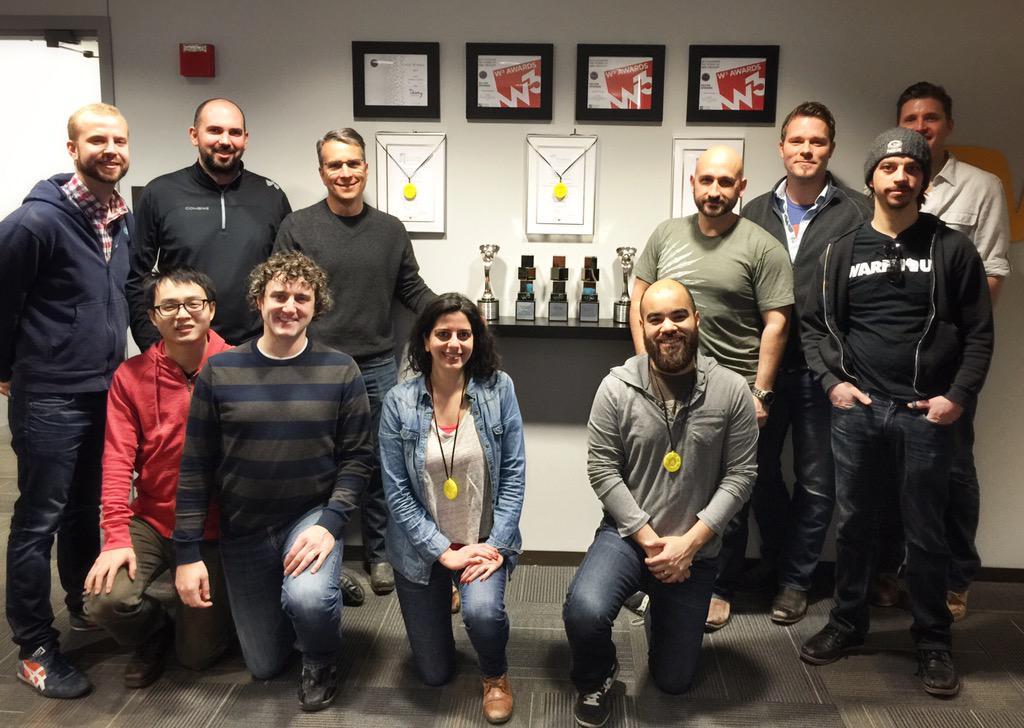
Now, Taylor’s 3D creation is hanging in Minneapolis with Flipgrid’s many other awards.  How miraculous is that?

The Flipgrid team proudly displays their Barrow Peace Prize medals along with their numerous other awards.

It is stories like these that remind me of the importance of slowing down and being flexible.  Planning is still crucial, but I’m reminded that I shouldn’t plan so much that it hinders the amazing things that can happen when we let go of control and see what happens.  I encourage you to give it a try.

https://twitter.com/EMCPublishing/status/575379804901351424

Happy World Read Aloud Day 2015: Connecting Through Stories Part 3

WRAD15 Day 3 (3)

The official World Read Aloud Day 2015 is in the books.  We still have 2 days of connections, but it was fun to have a full day for the actual calendar date.

We started our day with enrichment clusters.  I have a group of 2nd-5th graders who are exploring coding and making in a variety of formates.  We connected with Okle Miller and her Kindergarten students in Tampa.  We read Rosie Revere Engineer and then my students had a chance to share some of the inventions that they are creating.  It was fun to see the messages of the book come through in their sharing.  Most students did not have a complete product and most had plenty of failures during the process.

Eli showed a lego mindstorm robot that he put together right before the Skype.  He has designed several robots, and this one was his version of a dog that you could walk since “everyone wants to be able to walk a dog and might not have one”.

https://www.youtube.com/watch?v=ygJP3fo_Etc&feature=youtu.be

Francisco showed his alarm that he made with littleBits that would go off when the sun came up.

WRAD15 Day 3 (6)

Ludwig and Malachi showed off their video game made of cardboard, Scratch, and MaKey MaKey.

WRAD15 Day 3 (11)

Louisa and Ansley showed off their blogs about how to use Tinkercad to 3d design.

WRAD15 Day 3 (8)

Taylor showed off his Barrow Peace Prize medal that he designed and 3d printed.

WRAD15 Day 3 (5) WRAD15 Day 3 (4)


Next, Ms. Ramseyer’s class connected with Crystal Hendrix and her students in Asheville, NC.  We read I’m Bored and once again had fun taking turns being the girl and the potato.  We also had the students talk about what they would write for a second book, and they were very interested in having the potato get eaten.

http://youtu.be/UvmOob0j65U


Ms. Wright’s 2nd grade connected with Jennifer Reed’s students in Newton, MA.  It was very special to get to share Beekle with one another.  We had some great discussions about the little girl in the book as well as dreaming the unimaginable and having courage.  We even continued our conversation after we said goodbye.

http://youtu.be/xh7XEop9ZrE

Donna MacDonald’s 4th grade students were such great role models for Ms. Heather’s PreK students today.  It was our PreK’s 1st Skype experience, and it was so special.  We read Wolfie the Bunny.  My students read the part of Dot, and Donna’s students were all of the other characters.

http://youtu.be/OagWetqH4a4

Getting to connect with authors is another really amazing part of the World Read Aloud experience.  Barbara O’Connor was our 1st author of the day, and she connected with Mr. Coleman’s 4th grade class and a few of Ms. Tesler’s students.  She read from How to Steal A Dog.

After the story, she took lots of questions from the audience.  We learned the story of the poster that inspired the book and the story of calling Willie’s real owners to give them a copy of the book.  We also heard about the revision process and how a book that is coming out next year is already heavily into this process with the editor.

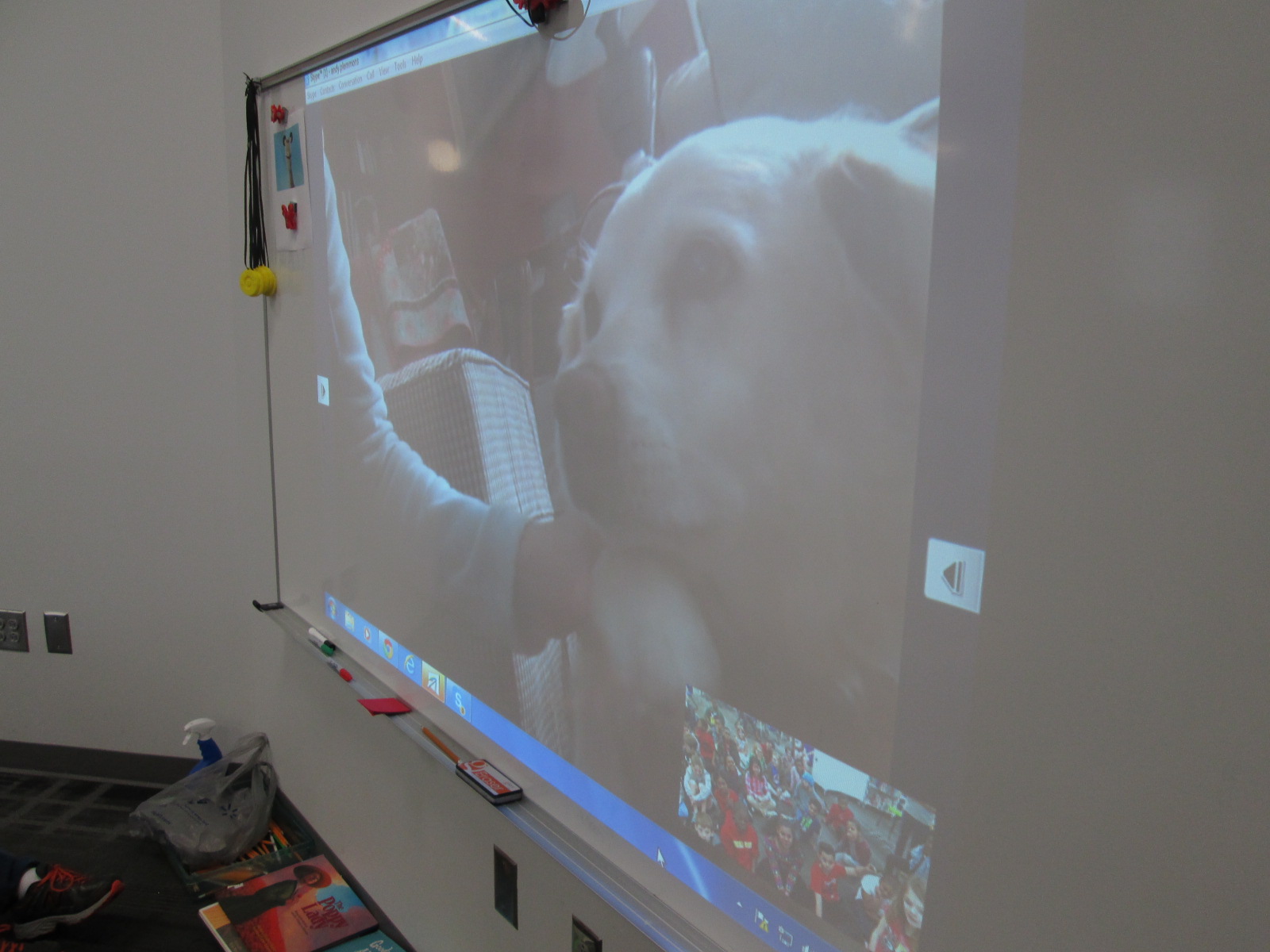
Barbara even walked us through her house to show us the manuscript with all of its pages and markings.  Our visit wouldn’t be complete without seeing the 2 famous dogs in Barbara’s house.

WRAD15 Day 3 (38)


Ms. Mullins brought several 5th graders to connect with Margo Jantzi in Virginia.  We read Crankee Doodle.  Margo was hilarious with her pony voice, and I played the roll of Crankee.

Ms. Clarke’s students had a unique opportunity to connect with Mrs. P from Mrs. P.’s storytime.   Mrs. P. (AKA actress Kathy Kinney) is an advocate for reading and writing.  She is a master storyteller and encouraged all of our young learners to read and create as much as possible.

She told the students a couple of stories, but also gave them some thoughts to ponder.  We had great fun hearing poems and songs about her cat and even heard the very first thing she wrote when she came out of the womb in the delivery room!

We closed out our official World Read Aloud Day with Laurel Snyder.  She read to Mr. Coleman’s 4th grade from Free to Be You and Me, a favorite childhood book.  It brought up some interesting things to think about in regards to “boy books” and “girl books”.  We loved Laurel’s voices for the babies in the selection from this book.

Another thing that I love about World Read Aloud week is that the books that we share aloud and the books that are by the authors that we connect with are immediately checked out of the library.  I love seeing readers get so excited about finding a book that they have a connection with.

I closed out World Read Aloud Day at my house by reading aloud Some Bugs, Toys Galore, and Pete the Cat and His Four Groovy Buttons with my son, Anderson.

We have 2 more days of connectionthis week, and we can’t wait to see what happens!

The 2015 Barrow Peace Prize with the Flipgrid Team: And the winner is…

Flipgrid Barrow Peace Prize (2)For the entire month of February, people around the globe have been voting on our 2nd grade black history Flipgrid project.

After all of the research, the writing, the filming, the promoting, and the designing, we are ready to announce our winner.

Flipgrid Barrow Peace Prize (4)

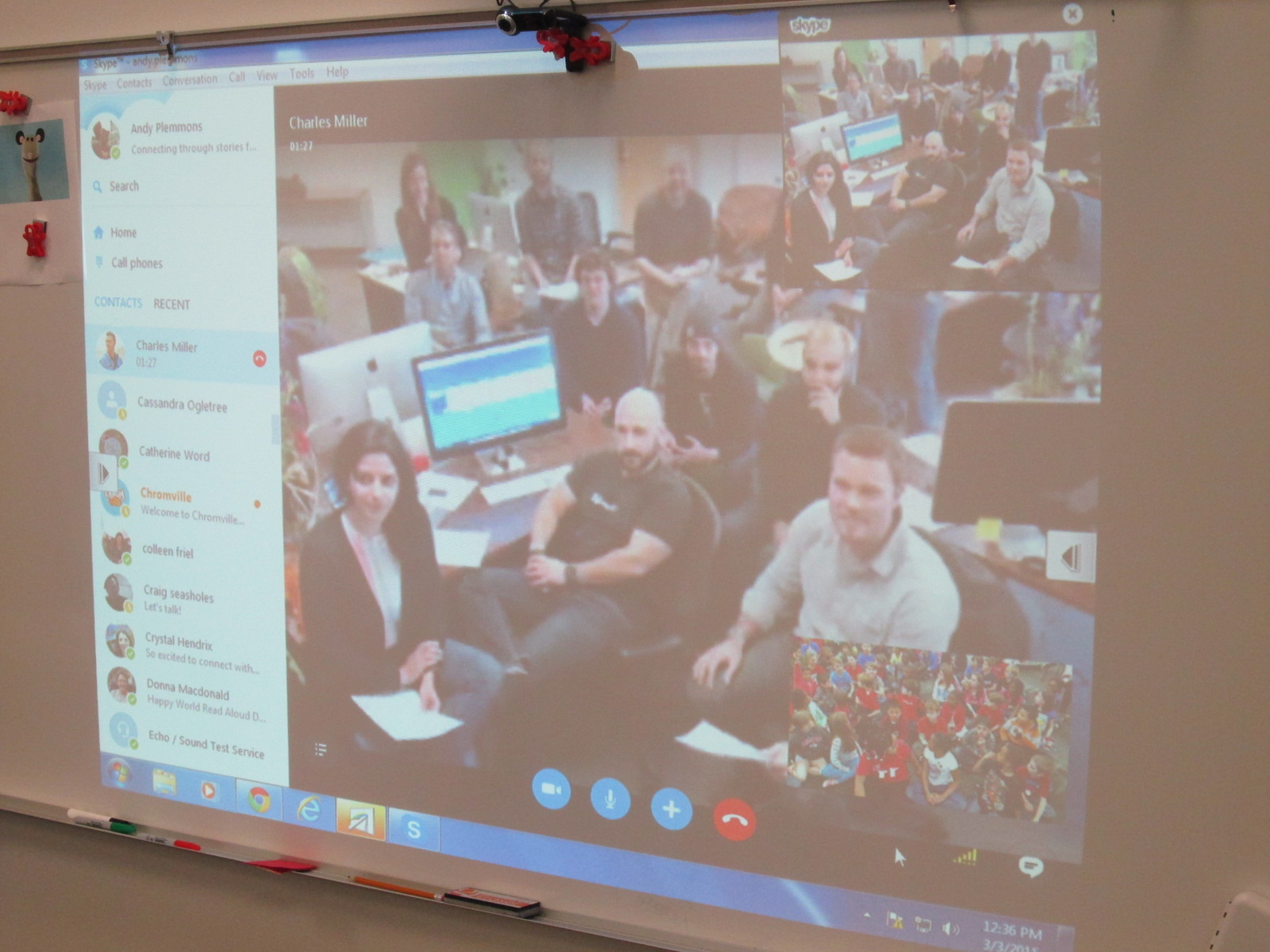
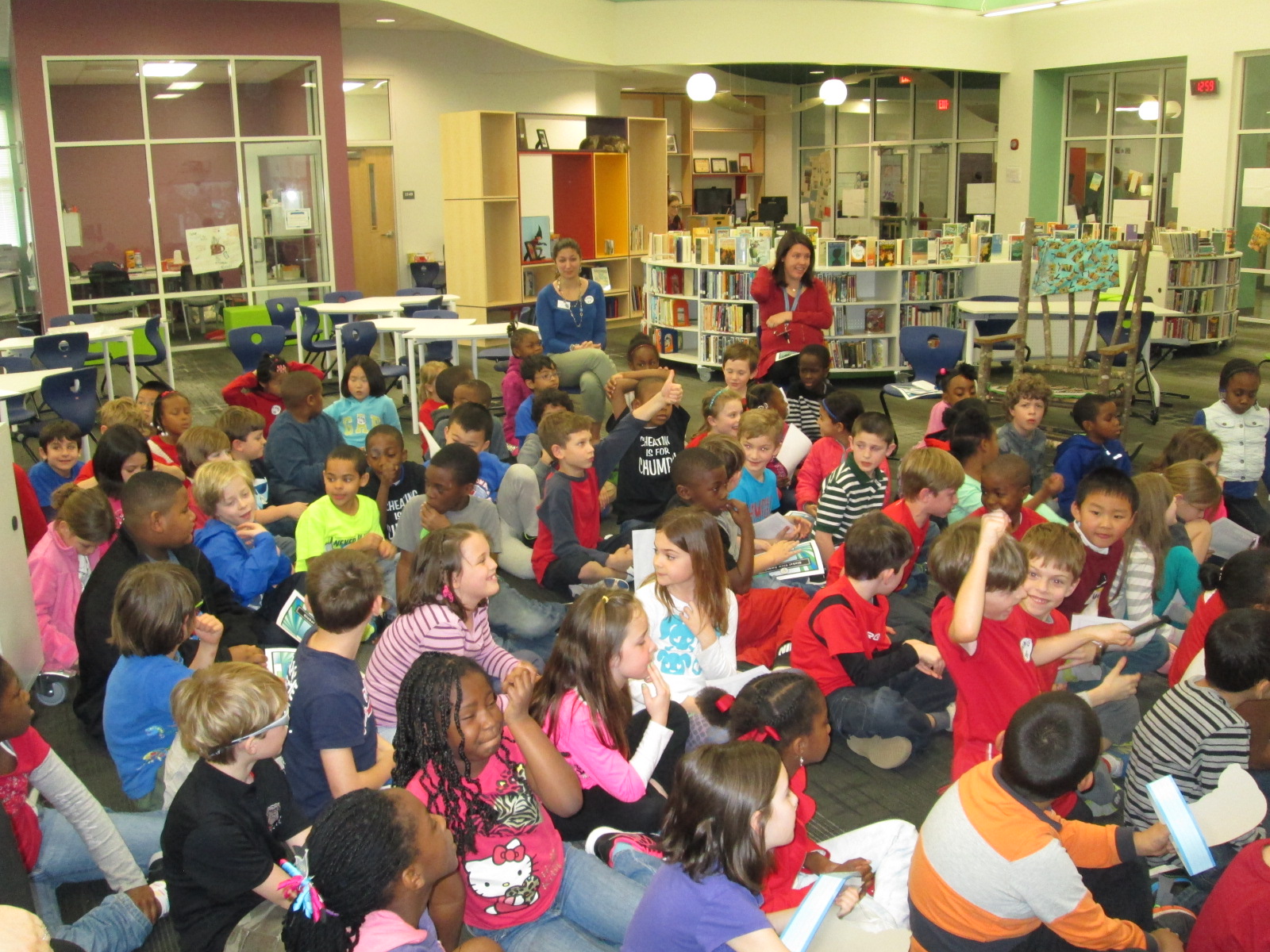
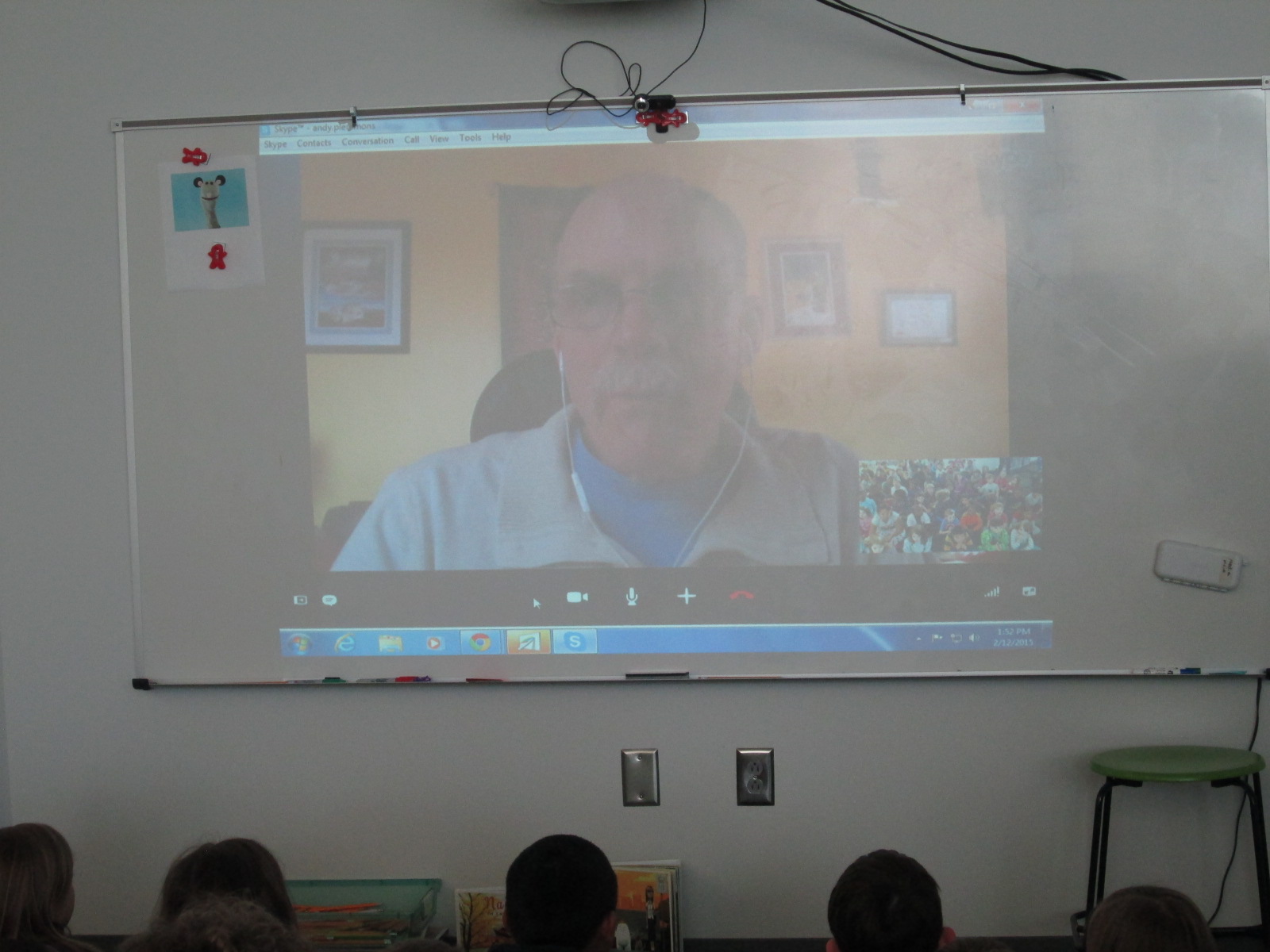
Today, we Skyped with the Flipgrid team in Minneapolis, Minnesota to learn about Flipgrid, announce the winner, and also give out some very special recognitions.

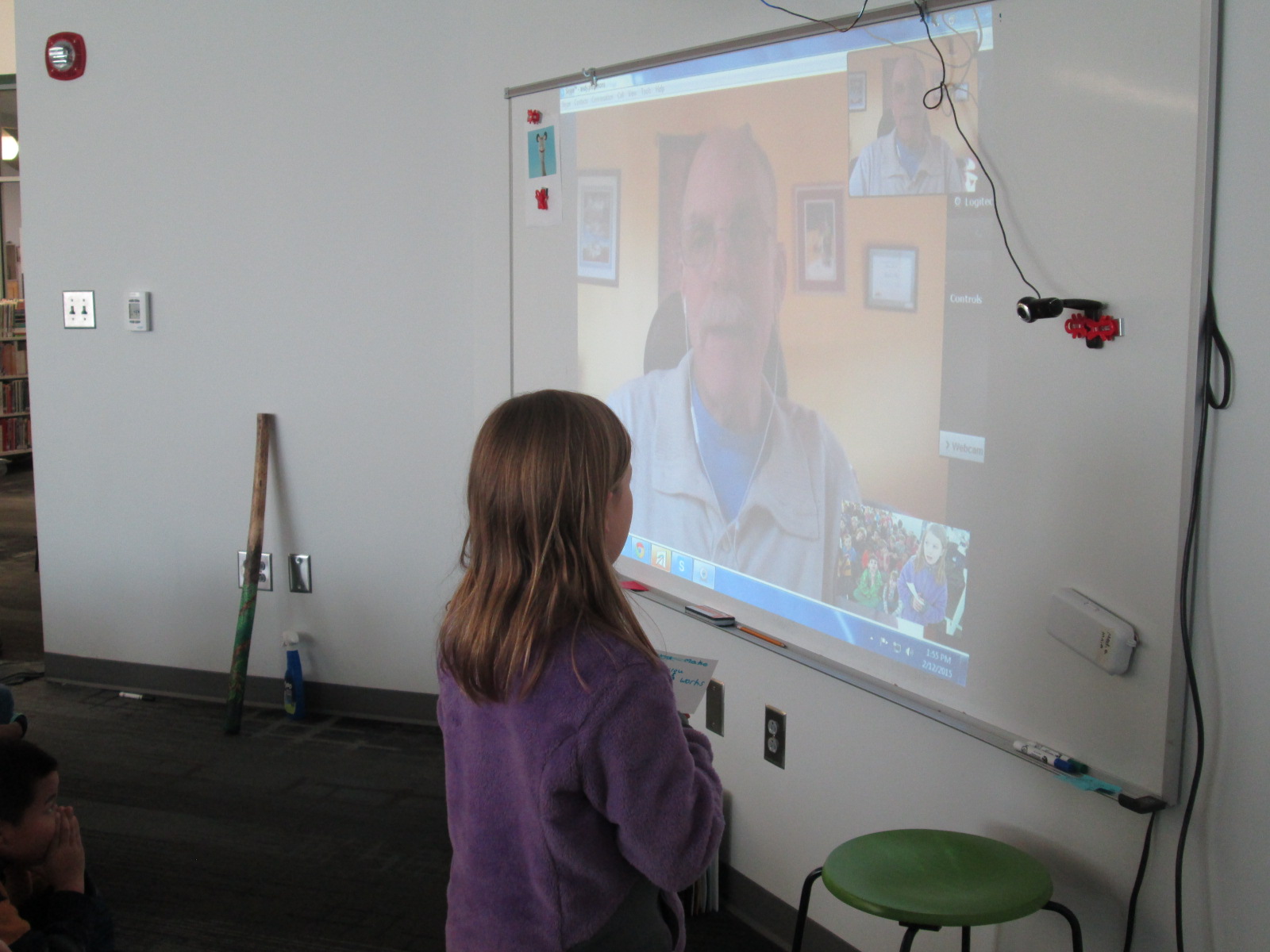
First, students got to meet the Flipgrid team and ask some questions about creating an app.  I love when students get to talk directly to the developers.  They gain an understanding of how coding plays into real careers.  They also hear that app developers come from many different backgrounds and didn’t necessarily come into their role with all of the expertise to create an app.

Flipgrid Barrow Peace Prize (3)

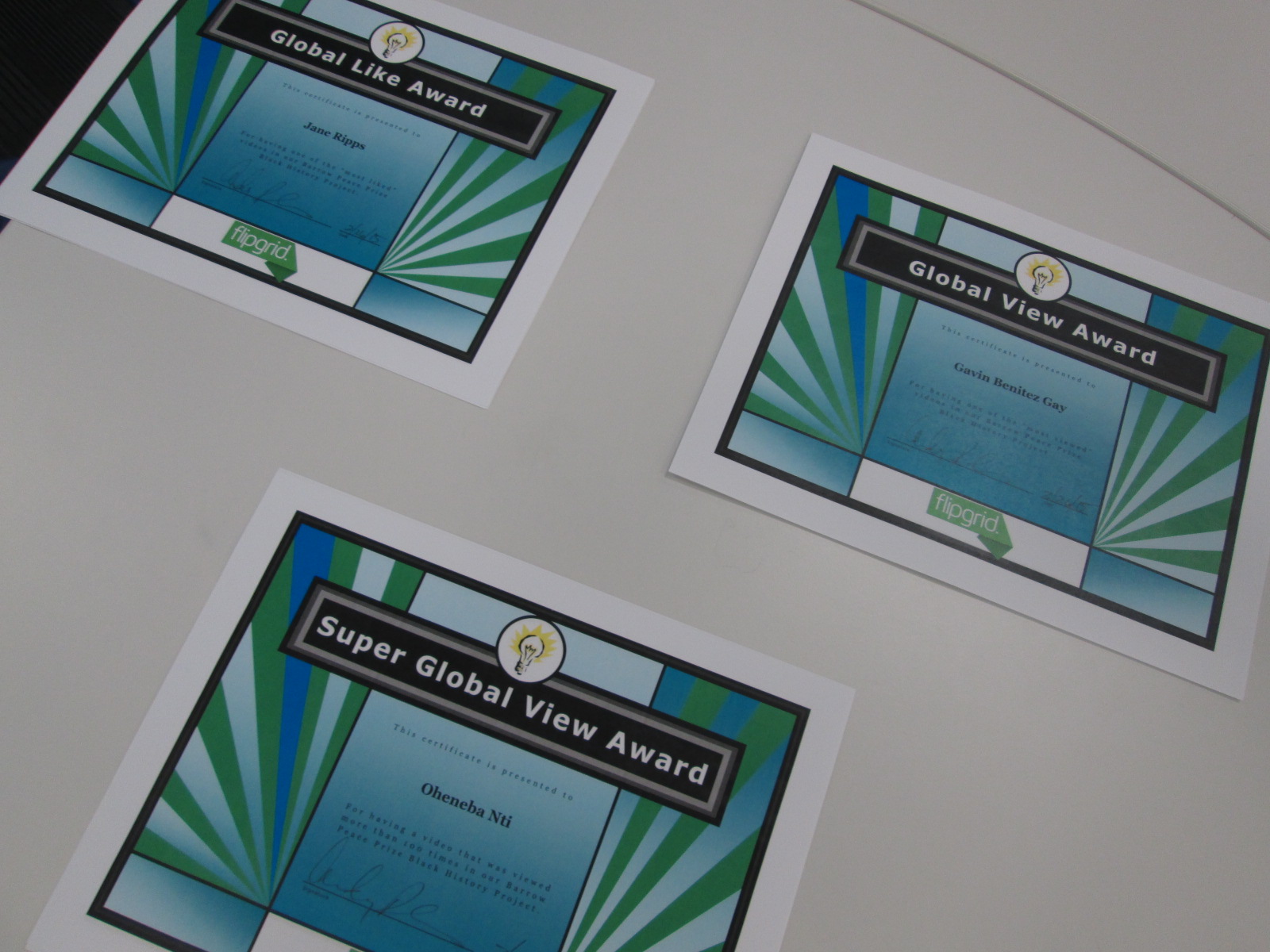
One of the very special parts of our Skype with Flipgrid is giving out awards.  I combed through our grids and looked for students who had the most views and the most likes.  These students received some special awards called “The Global Like Award” and “The Global View Award”.  Three students had more than 100 views each so they received a special award called “The Super Global View Award”.

I emailed the names to the Flipgrid team and they took turns calling out student names.  The teachers and I handed out certificates, and it was so much fun to see the kids cheering each other on.  It was a supportive community.  Since there were several awards, we did our best to do silent cheers and silent claps for one another.  Even the Flipgrid team joined in with our silent celebrating.

Another special moment happened when Taylor, the designer of our Barrow Peace Prize medal, stepped up and told the Flipgrid team about his design.  I presented him with the very first Barrow Peace Prize to take home with him.

We also told the Flipgrid team that we are sending a Barrow Peace Prize medal to them as well.  They are going to hang it in a special place in the office with their many other awards.

Finally, it was time for us to announce the winner of the 2015 Barrow Peace Prize.  The votes were very close between our 6 people from Black History, but in the end, we are happy to announce that the 2015 Barrow Peace Prize goes to….Jesse Owens!

Another copy of the Barrow Peace Prize medal was presented to the 2nd grade in  honor of Jesse Owens, and it will be passed around among the classes.

Flipgrid Barrow Peace Prize (1)

Of course, when you’re Skyping it’s always interesting to see the perspective from the other side.  Here are a few views of what it looked like in the Flipgrid headquarters.

At the close of our Skype, the Flipgrid team let the students know that they would be getting a special Peace Prize party complete with Flipgrid stickers!

Flipgrid Barrow Peace Prize (19)

We would like to send another big thank you to the Charlie Miller, Brad Hosack, and the whole Flipgrid team for taking time out of your day to connect with us and remind our students that their voices matter in our global community.  This project just keeps growing and inspiring us (and others) to do even more.

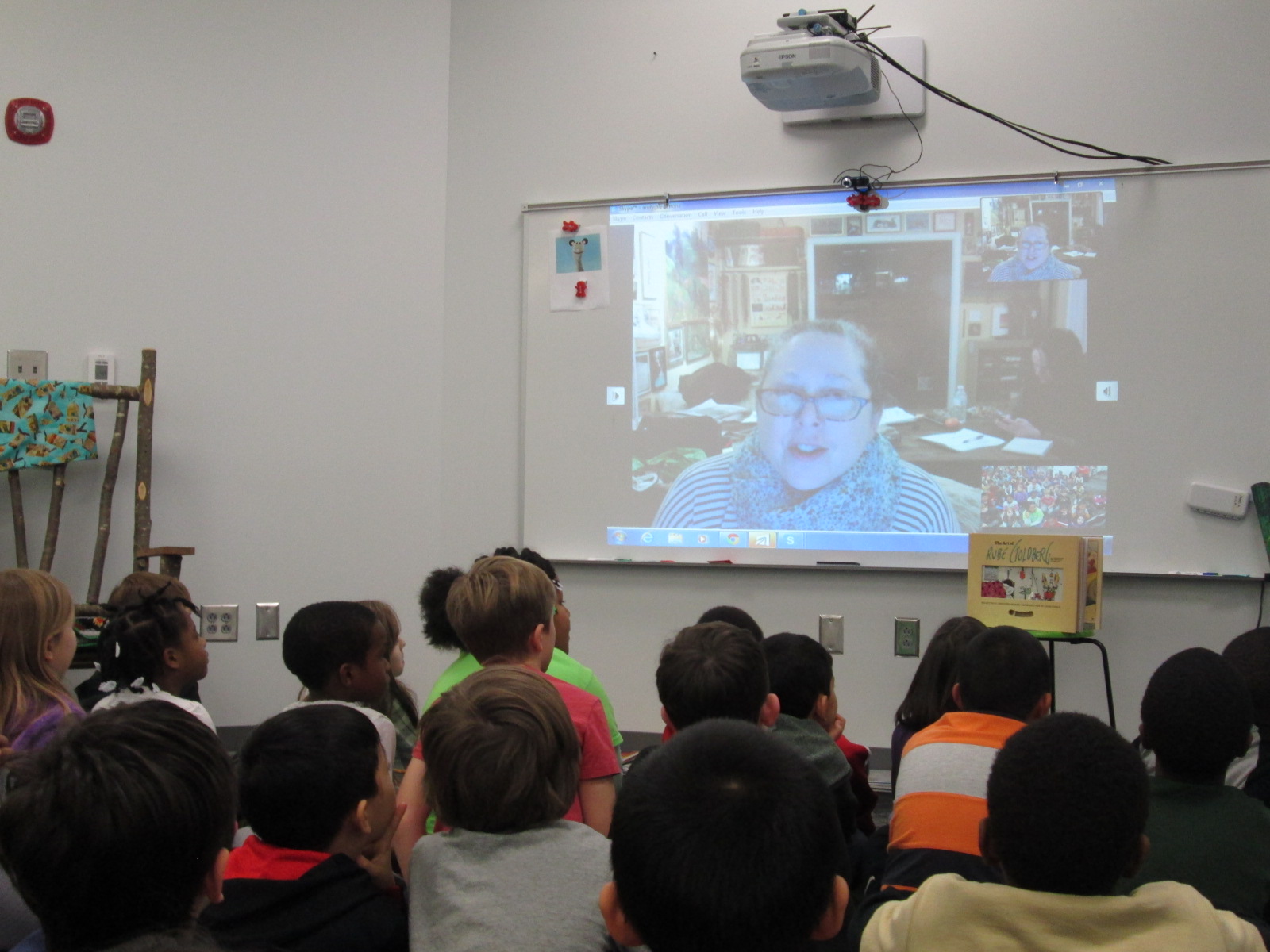
Skyping with Rube Goldberg’s Granddaughter: Improving the Student Voice Experience

rubeworks skype (2)Our 2nd grade is in the midst of another amazing project. They are studying simple machines, force, and motion as a part of their science curriculum.  We kicked off this unit by tinkering with a Rube Goldberg iPad app called Rubeworks.  Students worked in pairs to problem solve the many parts each Rube Goldberg puzzle. We allowed an hour for this experience and students persevered through the entire hour and supported one another.  Students continued to use this app in class.

Next, students had the opportunity to Skype with David Fox, the creator of the RubeWorks app.  He told a lot about how the app was made as well as listened to what the students loved and what they were frustrated with while using the app.

rubeworks skype (4)

In class, students read the book Roller Coaster by Marla Frazee. They used lots of tools to construct their own “roller coasters” and test them out.  This is all leading up to students designing and creating their own Rube Goldberg invention.

rubeworks skype (5)

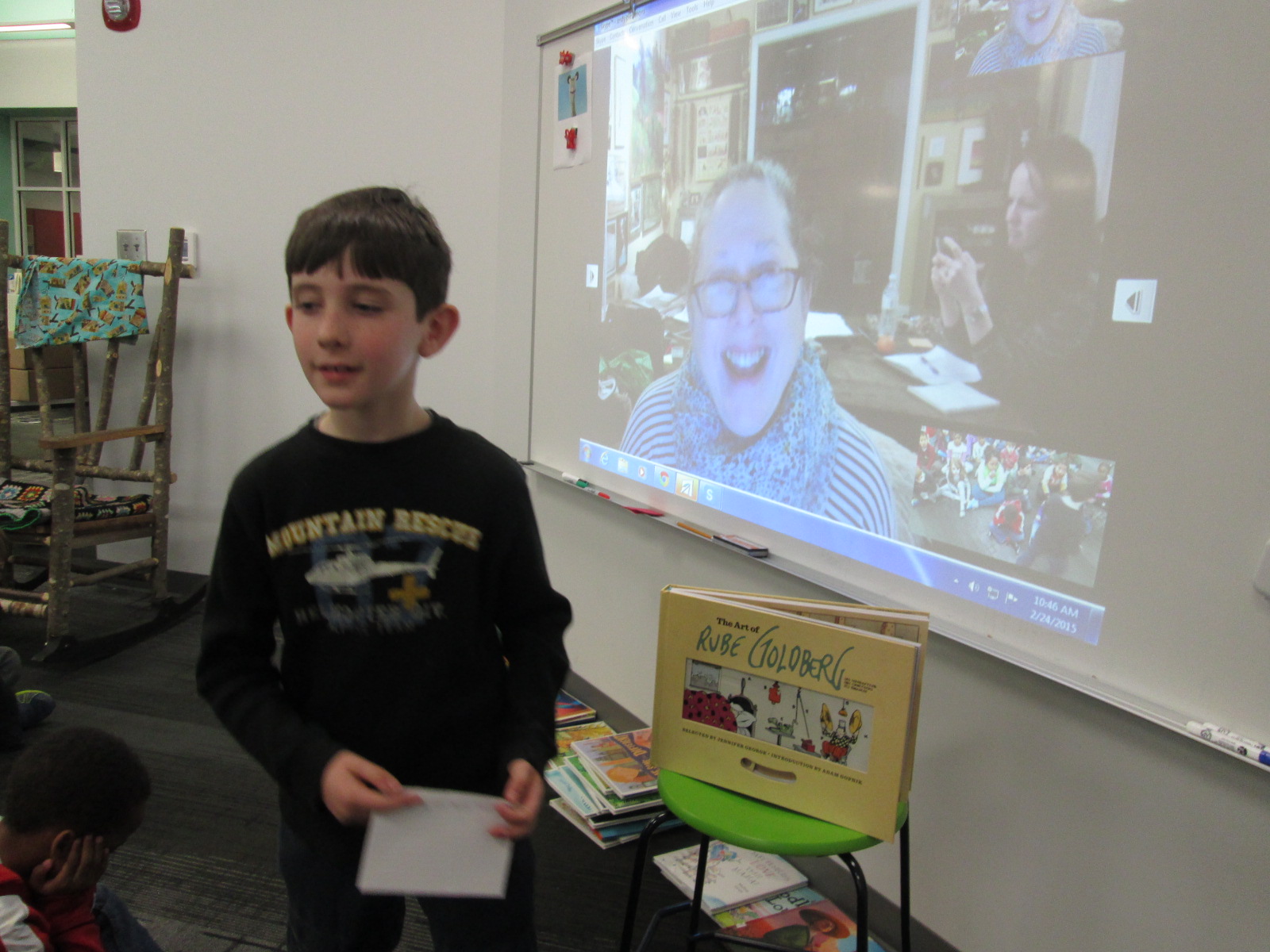
This year, I purchased a book called The Art of Rube Goldberg. This book contains numerous pieces of Goldberg’s artwork, which was mostly selected by his granddaughter, Jennifer George.  Students have enjoyed studying these illustrations in class.  All of the puzzles in the Rubeworks game are based on pieces of artwork, so studying these images also supports students figuring out the game puzzles.

Jennifer George (1)

Using Skype in the Classroom, we scheduled a Skype with Jennifer George.  Ahead of the Skype, students spent time in class preparing questions to ask Jennifer George.  The second grade teachers and I have really been fine-tuning a process for our skype sessions, and it is proving to create some very rich experiences for our students.  Students wrote questions about Rube Goldberg based on their knowledge of him from the illustrations in the book, their experience with the app, their observations of Rube Goldberg inventions, and their own drawings of inventions.

Jennifer George (4)

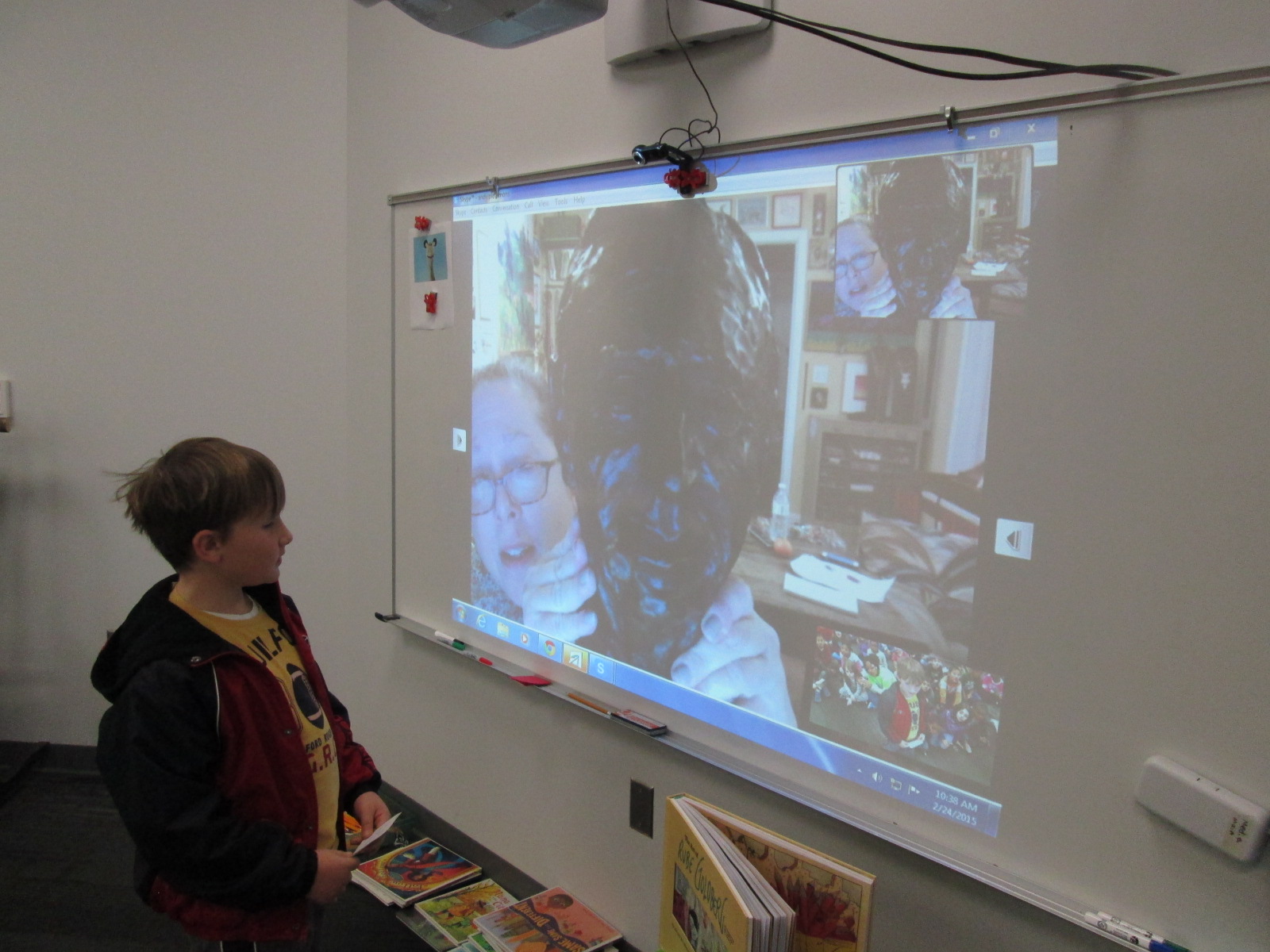
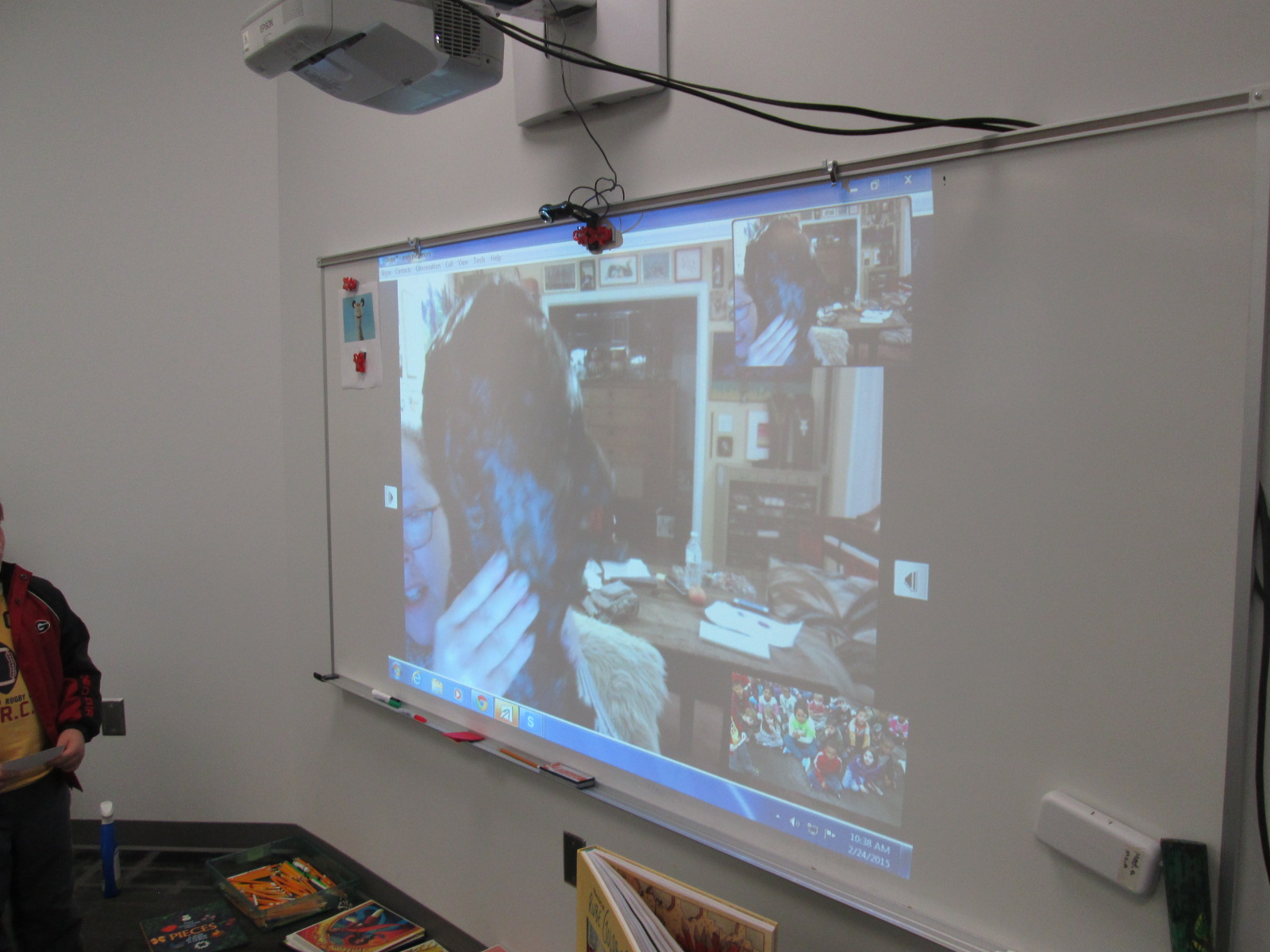
During our Skype, Jennifer George told us just a bit about Rube Goldberg and herself, but she left lots of room for questions.  It’s times like these, that I’m so glad that the 2nd grade teachers have developed their Skype process.  Students had prepared questions on index cards.  The teachers quickly passed them out and we made a line of students who were ready to ask a question.  Students took turns stepping to the webcam, saying their name, and asking their question.  They awaited Jennifer’s response, and then said “thank you” before sitting back down.  Our questions really carried the Skype conversation today.  Each time a student asked a question, Jennifer commented on what a great question it was.  Students asked things like:

  • Did you aspire to be like your grandfather?
  • Do you have any of Rube Goldberg’s artwork?
  • How many drawings did Rube Goldberg make?
  • Did you ever help your grandfather draw his art?

Jennifer George (7)

Each question was met with an extended story that uncovered pieces of Jennifer George and Rube Goldberg’s life.  We even got to see a sculpture that Rube Goldberg had created.

Jennifer George (5) Jennifer George (6)

I love Skype experiences where students get to interact with the presenter.  It empowers students to be able to ask the questions that they are curious about and have their curiosities answered.  I’m so thankful for teachers that give students the space to prepare for interviewing a Skype guest.  These interview skills will only continue to improve and will be a skill that students will carry with them throughout their lives.

Jennifer George (10) Jennifer George (9)

The teachers and I all commented on how different this Skype was compared to last year’s Skype with Jennifer George.  The time to prepare, the time to think about questions that matter and connect, and the trust to allow students to lead the conversation made this a memorable experience for us all.

Let’s All Connect For LitWorld’s World Read Aloud Day Again In March

World Read Aloud Day — LitWorld

On March 4th, we will celebrate World Read Aloud Day with LitWorld.  This special day “calls global attention to the importance of reading aloud and sharing stories”.

For teacher librarians and other educators, it has come to be a week-long celebration of sharing stories through Skype and Google Hangouts. This year, these connections will happen on March 2-6.Jenny & Ame (2) small

Connecting through stories is always such a rewarding experience for our students.  Students often discover that we are all very much the same even though we are different.

Shannon McClintock Miller and I invite you to post your schedule to our shared Google Doc and start making connections for this special week.  You may even discover a long-time collaborative partner through this one experience.

2015 World Read Aloud Day Blog   Google Docs

You can read about our 2014 World Read Aloud Day experiences in my post “World Read Aloud Day Final Thoughts” as well as others on the Barrow Media Center Blog.  Shannon shares how she documented her school’s World Read Aloud Week via a Smore journal.

Be sure to check out the LitWorld site for more information on planning for World Read Aloud Day.  They even have a special classroom kit with ideas for schools.

World Read Aloud Day — LitWorld (1)

If you are interested in connecting with others on this day, please add your name, schedule, and ideas to the informations in the Google Doc that we started.  This will begin to fill up with others around the world as they want to connect their students and schools too.  We plan to celebrate throughout the entire week of March 2-6th.


Google Tour

We think it’s important to know that there’s no “right” way to plan for World Read Aloud Day.  Whatever you decide to do will be the right plan for your school and your students.  Whatever you do, your life will be richly rewarded with the power of spoken word and voices connecting together across the miles to lift up our right to read!

In the words of Kate DiCamillo, National Ambassador for Young People’s Literature, “Stories Connect Us”.  We can’t wait to connect students around the world through story.

Celebrating Our Explorer Project with the Flipgrid Team

Flipgrid Skype (1)

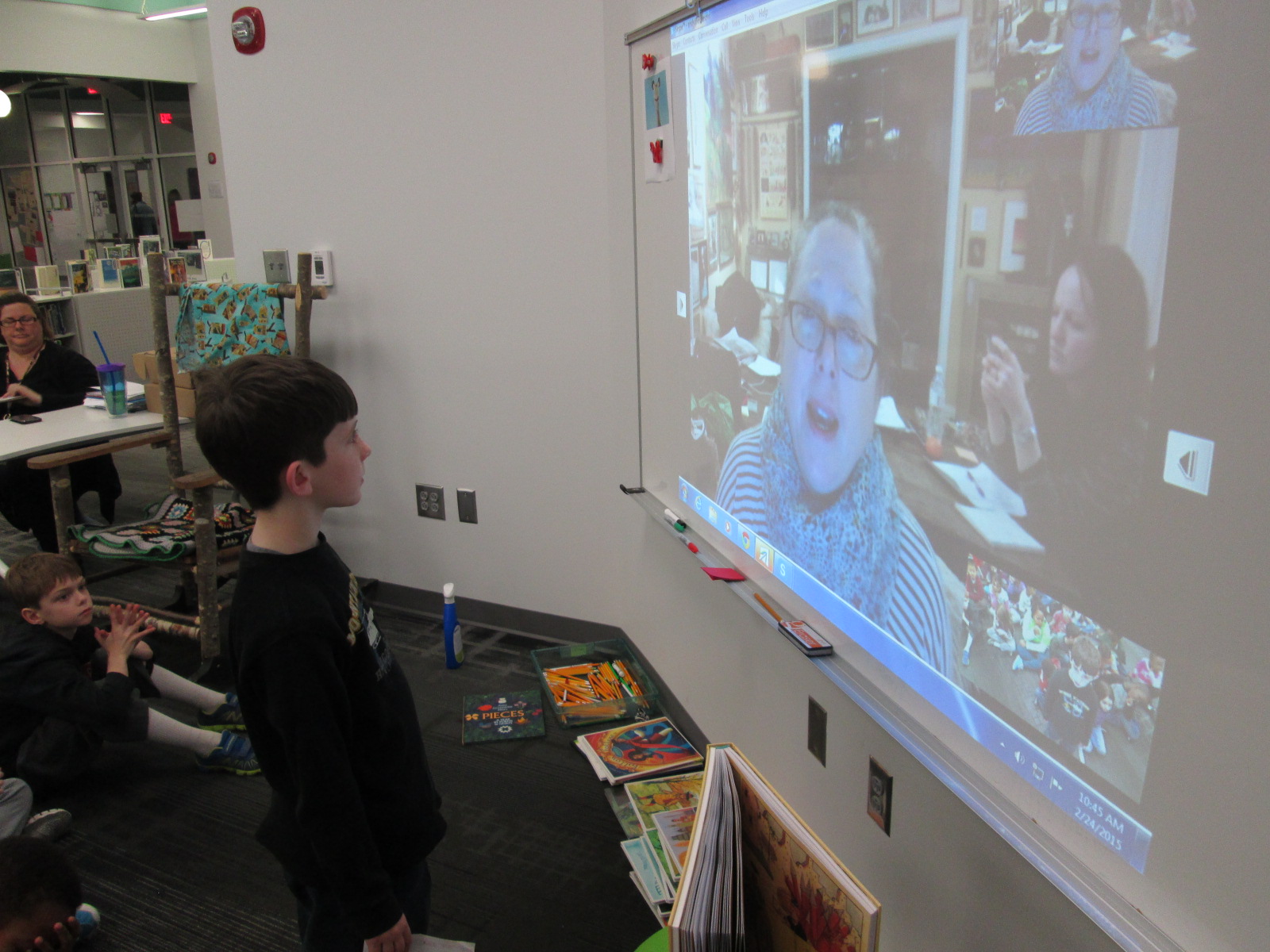
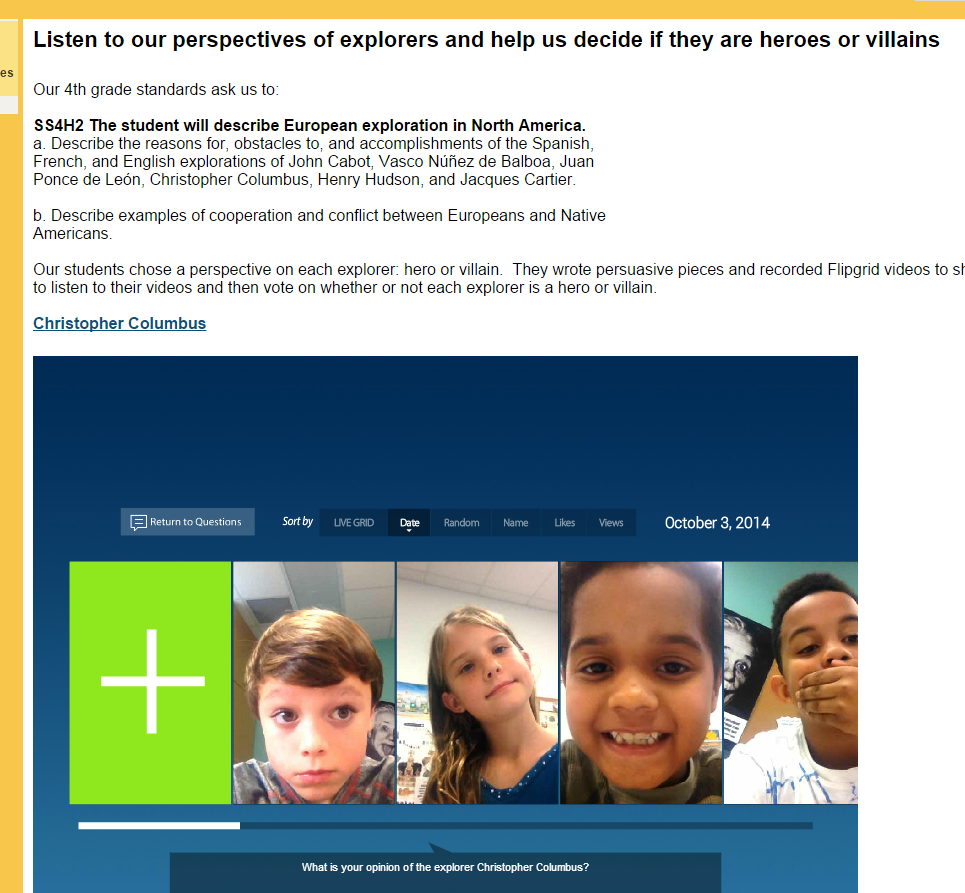
Today our 4th graders had the chance to Skype with Charlie Miller and the rest of the Flipgrid team in Minneapolis, Minnesota.  This was the conclusion of the explorers project that 4th grade students have worked on for the past few weeks.  As part of the project, we encouraged people around the world to watch our Flipgrid videos and vote on whether explorers were heroes or villains.

The team congratulated our students on their hard work on this project and also took questions and suggestions from students.  Several 4th graders stepped to the microphone and shared suggestions such as:

  • Extending the 90 second time limit by offering a choice of time limits
  • Allowing you to categorize your video with tags

Other students shared what they liked about Flipgrid such as:

  • the ability to watch other people’s videos before making your own
  • the like button
  • being able to film your video again if you weren’t happy with it

Since this Skype came the week after our hour of code lessons, it was also a great time to hear about how an app was developed.  It sounded like developing an app is a much longer process that developing a website because in one of the student questions we learned that the app took about 6 months to create while the website took 2 really long weekends.  We also heard how an app is never really done because you are always trying to make it better.  I loved how this connected both with our hour of code sessions but also to other areas such as writing instruction.  Students also learned about how the name Flipgrid was chosen since the videos are on a grid and they flip when you play them, but they also heard other considerations that go into a name such as web domain registration and what is actually available.

Flipgrid Skype (11)

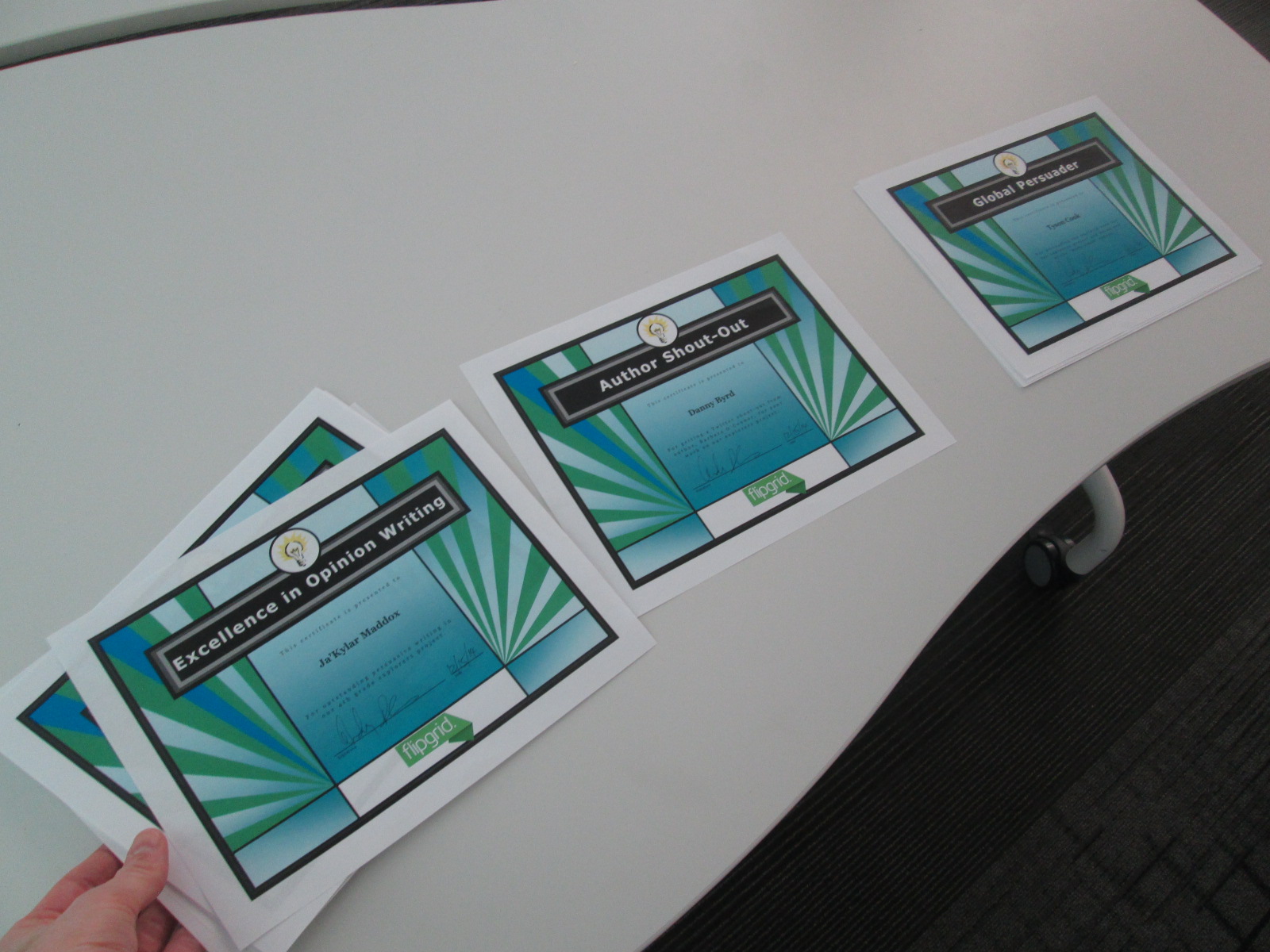
One of the most fun parts of the Skype was the announcement of awards.  Several students received awards for Excellence in Writing, Shout-outs from authors, and Global Persuader awards.  I sent these names to the Flipgrid team and they took turns calling out student names as I handed out the certificates.  Students had fun giving silent cheers for their classmates as awards were handed out.

I also took time to share with the students the results of all of the voting that had taken place for their project.  It was interesting to see their reactions as they heard that Christopher Columbus was the only explorer voted to be a villain.

Just for fun, we closed out our Skype with a Christmas singalong of Rudolph.  Luke performed on the guitar and we belted out our best Rudolph even through the time delay on Skype.  It may not have sounded like it was together, but it was still fun.

https://www.youtube.com/watch?v=ZXsM1RRplzY

Thank you to the entire Flipgrid team for creating a tool that has helped our student voices to reach a global audience, and thank you for taking time to celebrate with us.

Collaborating Globally with Perspectives on Explorers: The Results are In!

Barrow Explorers

Two big library goals for this year are to give students time to dream, tinker, create, and share as well as collaborate globally.  Our fourth grade is wrapping up their explorers perspective project.  They considered six explorers and whether these explorers were in fact heroes or villains.  This project has spanned a few weeks and has involved research on six explorers in the social studies standards, persuasive writing, thinking from alternative perspectives, and creating persuasive Flipgrid videos.

You can read about how the project started here.

You can read about our videos and voting procedure here.

Students recorded their persuasive videos using Flipgrid.  We put all of those videos onto a Google site along with forms for voting whether or not each explorer was a villain or a hero.  Over the past few weeks, I have invited people around the world to interact with the project and vote.  I’ve shared through this blog, Twitter, Facebook, and Google Plus communities.  It has been amazing to see how many classrooms have viewed the projects and sent us positive tweets and messages about our students’ work.

https://twitter.com/KarenHeathcock/status/539443498232348673

https://twitter.com/KarenHeathcock/status/539188364461608960

https://twitter.com/rdgrooter/status/536928155878297600

After sharing their work with the world, the results are in.

Is Christopher Columbus a hero or a villain?

Christopher Columbus   Google Forms


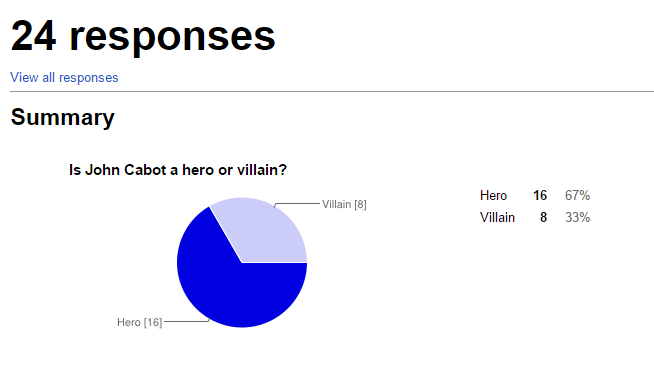
Is John Cabot a hero or a villain?

John Cabot   Google Forms

Is Vasco Nunez de Balboa a hero or a villain?

Vasco Nunez de Balboa   Google Forms

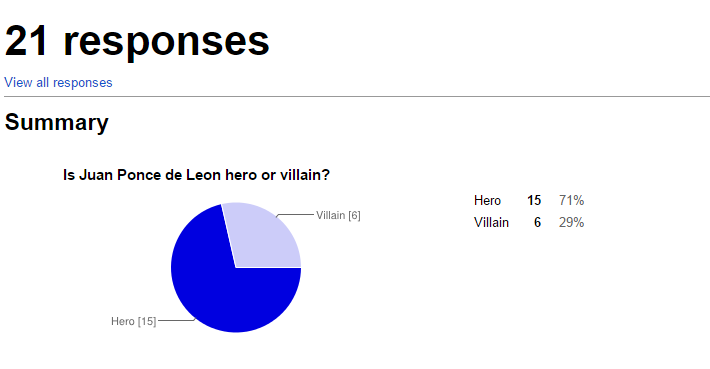
Is Juan Ponce de Leon a hero or a villain?

Juan Ponce de Leon   Google Forms


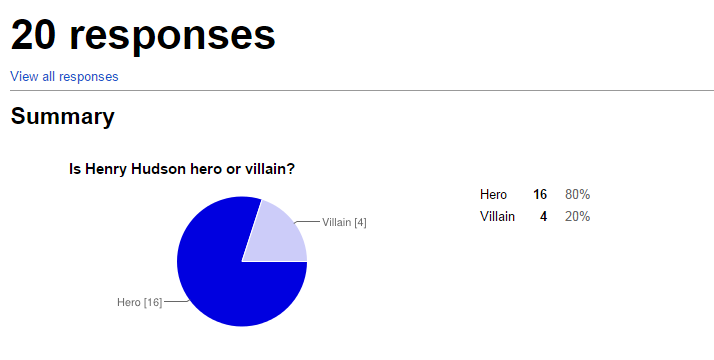
Is Henry Hudson a hero or a villain?

Henry Hudson   Google Forms


Is Jacques Cartier a hero or a villain?

Jacques Cartier   Google Forms

It looks like most of us look to the explorers as heroes with a big exception for Christopher Columbus.

In addition, our Flipgrid had some very interesting data.  As of this posting:

  • The Christopher Columbus question was viewed 530 times and had 186 likes
  • The Jacques Cartier question was viewed 148 times and had 65 likes
  • The Henry Hudson question was viewed 99 times and had 52 likes
  • The Juan Ponce de Leon question was viewed 139 times and had 68 likes
  • The Vasco Nunez de Balboa question was viewed 94 times and had 47 likes
  • The John Cabot question was viewed 120 times and had 45 likes

This has been such a special project.  I hope that we can do more work like this where classes are viewing one another’s projects, offering feedback, and considering different views.  We will end this project with a connection with the Flipgrid team very soon.

If you want to view the student projects, you can still visit their site.


America Recycles Day: Connecting with the World and Making a Difference

IMG_4370

This year, I’ve been thinking a lot about what it means to collaborate globally.  In the past, I’ve participated in amazing events such as Dot Day, Talk Like a Pirate Day, and World Read Aloud Day.  Each of those events has connected our students to classrooms and authors around the globe, and I’ve found so many collaborative colleagues through these events.  It’s these very events that have pushed me to wonder what more we can do with our students.  I’ve been pondering how we can have collaborations that allow our students to make a difference in the world and share their ideas, their questions, their problems, and their solutions.

When our spectrum teacher, Natalie Hicks, came to me with a flyer about America Recycles Day, I knew that this day had potential to spark some action projects with our students and students around the globe.  I made a Google doc, crafted a blog post, and started inviting anyone and everyone to connect for America Recycles Day.  It didn’t take long for some of the very people I’ve connected with for other events to start posting their own schedules in the doc and making connections.  I want to thank Shawna Ford, Jenny Lussier, Cathy Potter, Donna MacDonald, Misti Sikes, Ly Phan, Kathy Schmidt, and Craig Seasholes for taking a risk with me and trying something new.  These people put their schedules out there and started making connections.

This week, my own students started making connections for America Recycles Day.  Each Skype or Google Hangout offered a little something different.

Ms. Clarke and Ms. Haley’s 3rd grade class connected with Kathy Schmidt and her 3rd graders in Gwinnett County, GA.  We learned about how her students are collecting items from home to put in the library’s tinker lab rather than throw them away.

Ms. Wright’s 2nd grade class connected with Cally Flickinger in South Burlington, Vermont.  We read the book Here Comes the Garbage Barge by Jonah Winter.  The story sparked a great conversation about how our trash can take over our world and how important it is to recycle or reuse instead of throw things away.

Ms. Ramseyer’s 2nd grade class connected with Donna MacDonald in South Burlington, Vermont.  Her students shared how they are using Drew Daywalt’s The Day the Crayons Quit to inspire a save the crayons campain.  Students are collecting crayons and sending them to be melted into new crayons.  Our students took time to offer some other ways that the crayons might be used such as making candles, melting crayons for artwork, fusing crayons together to make two-sided crayons, and investigating what crayons are made of so that they might discover even more things that crayons could make.

Ms. Li’s Kindergarten connected with Misti Sikes and her Kindergarten in Forsyth, Georgia.  They shared how they recycle at their school by separating white paper and color paper as well as other ways that recycling has to be prepared before it goes into the bin such as removing paper clips and staples.

Ms. Boyle’s Kindergarten connected with Holly Esterline & Katie LeFrancois’s grade 1 & 2 class in Bolton, Vermont.  We shared the book Compost Stew and heard about how their school is doing TerraCycling.  Even with our connection issues, we still learned a lot about something we don’t do much of at our school.

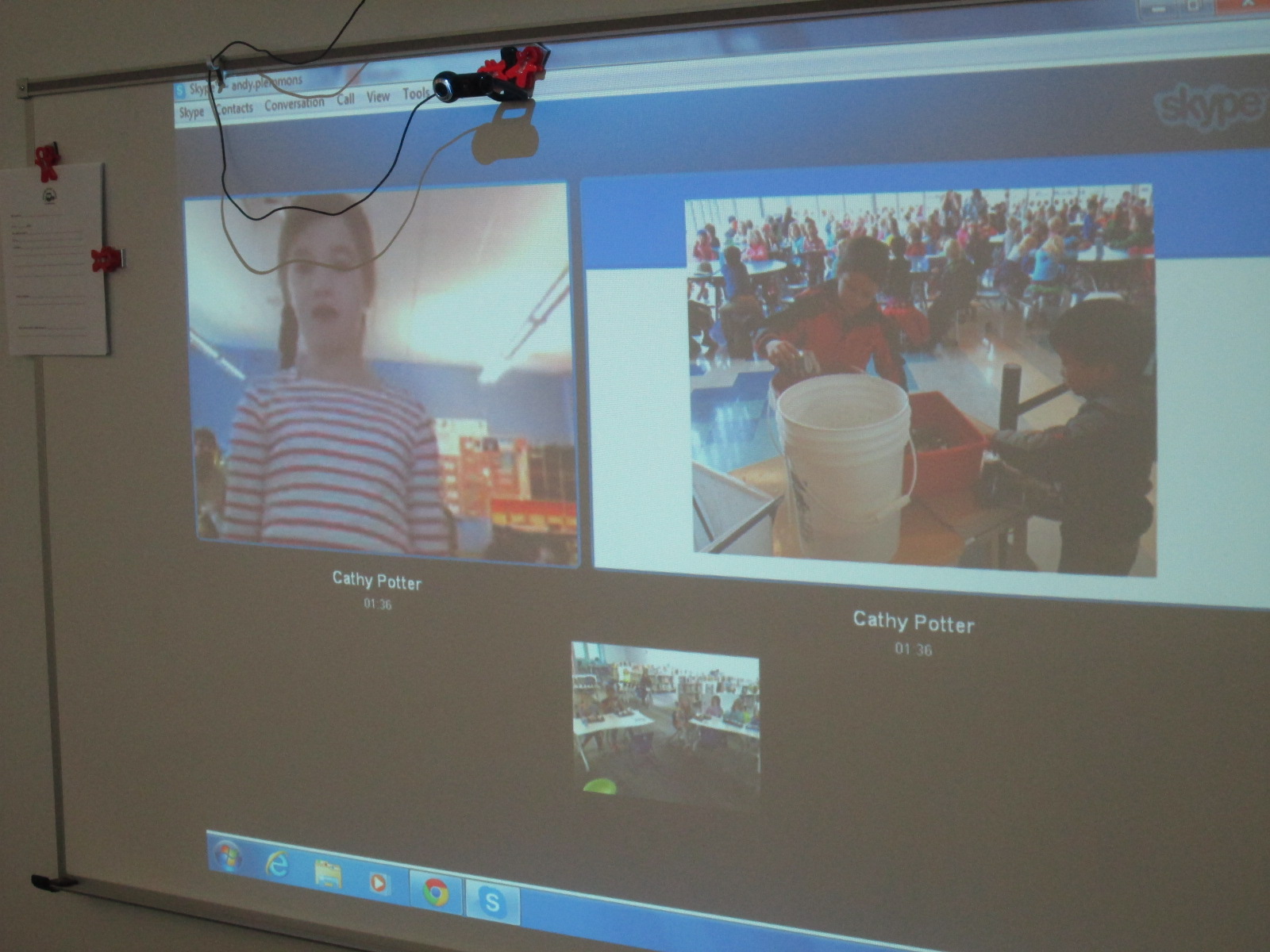
Ms. Tesler’s 4th grade students gathered a lunch bunch together to connect with Cathy Potter and her students in Falmouth, Maine.  The 1st graders at her school showed us a Google presentation with pictures of recycling and composting efforts in their school.  They have a whole process of how their scraps at lunch get put into a bucket to go to the composting bin.
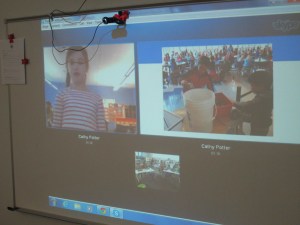
IMG_4405

Finally, Ms. Spurgeon’s 3rd grade class connected with Karre Sloan’s 6th grade students in Nashville, Tennessee.  They shared the recycling program from their school and how their 3rd graders are in charge of recycling.  They also shared their ideas and tips for our own recycling problem at our school.
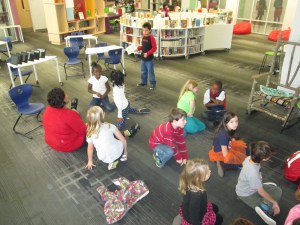
IMG_4410

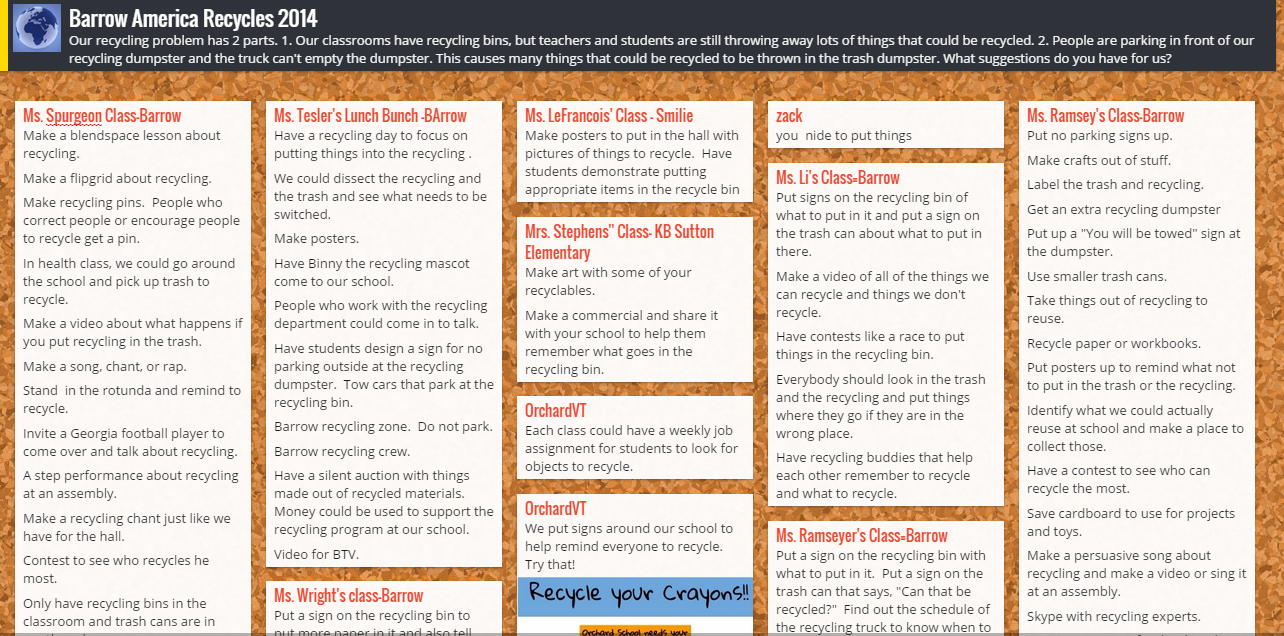
In every connection, our students shared our own school problem.  We have recycling bins in every classroom, but we are finding that people are still throwing away recyclable things.  Even when we recycle, we have an additional problem.  People are parking in front of our recycling dumpster and the recycling truck can’t get to the recycling to empty it.  We posted these problems onto a Padlet.  We showed each connecting class the bins that we have in our classrooms and read the recycling instructions that can be found on the bag inside.  Sometimes our connecting classes gave us new ideas right on the spot or shared what their own school is doing that might support our problem.  Other classes added to our Padlet after we disconnected.  We also added to the Padlet.
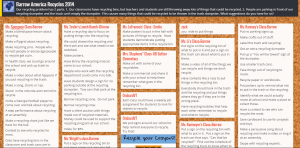
Barrow America Recycles 2014

Our next step is to take this Padlet and share the ideas with our environmental committee which is chaired by Natalie Hicks.  We also have 2 enrichment clusters that we can share the Padlet with.  Our hope is that some of the ideas that came from so many perspectives will spark change within our school problem.  We want to connect back with some of the classes we met this week and share what we’ve done to improve our problem, and we want to see what they have done since our connection.

I loved that during our very last connection, students arrived in the library to put signs on our recycling bin that were sent by our recycling department.


Miraculous things came out of our connections:

  • We saw that we weren’t alone with our problem and that there were multiple things to test out to try to reach a solution.
  • We learned that recycling is very different from place to place.  We are so fortunate in Athens to have a state of the art recycling facility and single stream recycling.  Some communities have to put forth a lot of effort to recycle, and it is so easy for us.
  • We realized that there were so many things we could do with our “recycling” other than put it in the bin.  The concept of makerspaces is really causing a lot of us to think about turning trash into functional creations.
  • We saw that together we could come up with out-of-the-box ideas.  We often started with “put up posters about recycling”, but with the energy of collaboration, new ideas surface such as make smaller trash cans, create a recycling contest, write a catchy song about recycling to sing on morning announcements, and more.

My hope is that this week of connections really does spark change in our school and others.  At the very least, I think it made us more aware of what we are throwing away.  These types of connections have the potential to grow into large-scale collaborations around the globe.  The combination of powerful texts such as Here Comes the Garbage Barge and Eyes Wide Open along with the innovative ideas of students, teachers, and families fosters a healthy environment for long-lasting collaboration.  Our students are the future of our world, and when we allow them to unite with one another around authentic dilemmas in our world, we are equipping them with problem solving skills to keep our world a peaceful place.