Community Connection: An Author Visit with Donna Jo Napoli

I was recently reminded of how many opportunities for our students are probably hiding in our communities.  A parent reached out to our Kindergarten teachers and asked if they would be interested in an author visit with Donna Jo Napoli.  The teachers asked me about it, and I immediately jumped on board because author visits don’t just pop up everyday, epsecially with outstanding authors such as this one.  Donna Jo Napoli just happened to be in Athens to speak at UGA, and a parent at our school used to live down the street from her.  This parent said that she was willing to come in and speak to a class or the whole grade level.

I occasionally ask parents to share their talents and connections with us in the media center so that we can connect them to opportunities, but this made me think that maybe I should ask more often or that I should highlight ways people are supporting our students with exciting opportunities.

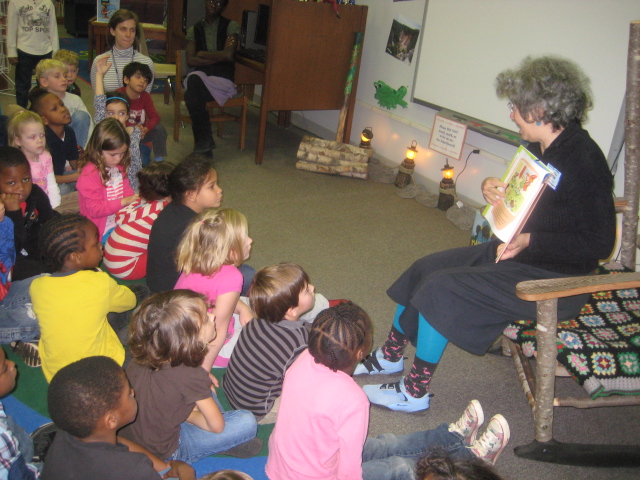
Donna Jo Napoli read her book Rocky the Cat who Barks.  She shared the process that it takes to get a book printed in physical form.  Students were also able to ask questions.  Many shared stories of their own pets or how they also wrote a book.  Along the way, we also learned about how much research and reading go into books such as Mama Miti.  Donna Jo spoke with passion about how she learned how much an ordinary person can make big changes in the world.  She encouraged the students to think about what they could do to change the world.  She also shared her thoughts about revision.  Her thought is that instead of writing one story over and over, you should write many stories.  Each time you write, share that story with a friend and have them tell you what they like and what they don’t like.  Learn from that, and use what you learned to write something new.  After you get several stories, pick one that speaks to you and spend more time making it better.

We also learned that she is doing a collaboration with author David Wiesner on a graphic novel.  We can’t wait to see how that develops!

What an amazing day for our Kindergartens.  Thank you parents and community members who reach out to schools and libraries to provide opportunities, and thank you Donna Jo Napoli for your amazing gift of story to our students today!
Kindergarten Research…so many firsts!

While the rest of the school is working on persuasive writing, our Kindergarten is working on informational writing.  The teachers and I met back in December to plan some goals that we had for student research of informational topics.  It was important to each of them that students have experience locating information in a variety of places, but to specifically look at content that matched their developmental and reading levels.  Our print collection in the media center already has a variety of texts on a variety of levels, so I felt like they would find enough resources in the nonfiction section that would meet the needs of several topics.

The challenge came with finding a digital resource that would meet their needs.  We have access to great databases such as Encyclopedia Britannica in our state Galileo database, but even Britannica didn’t seem to get at what we wanted.  Fortunately, we were able to get a one-month trial of PebbleGo from Capstone.  PebbleGo has three main databases: animals, earth and space, and biographies.  The content targets a K-2 audience, but I’ve found that the topics are appropriate for all of our grades and really match the reading needs of many of our readers.  The content is broken down into headings and students have the option of reading the content themselves or having a professional narration read to them.  There are also videos, charts, maps, timelines, and more within each heading.

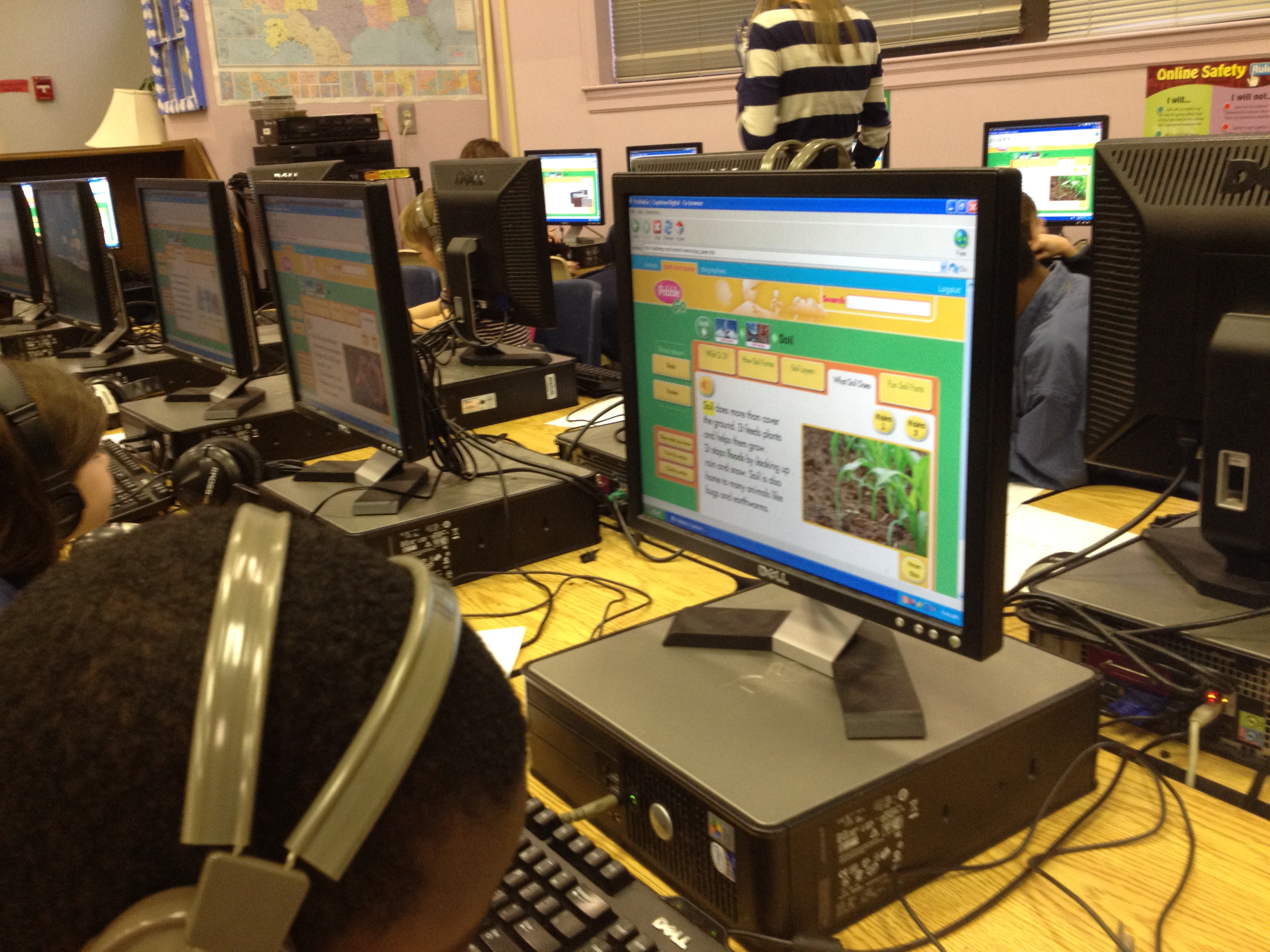
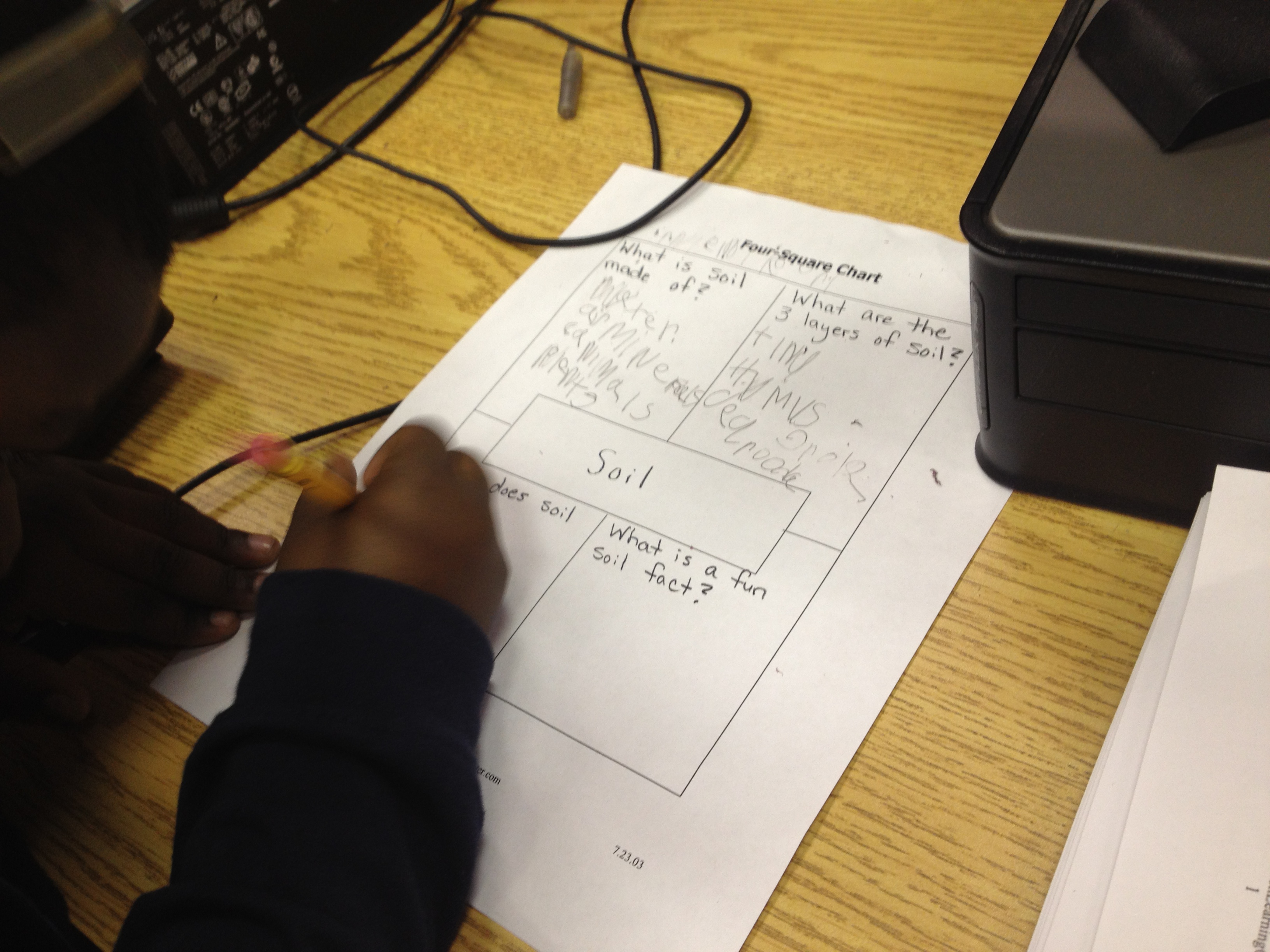
Kindergarten chose to do a beginning stage of research by assigning all students similar topics within their science standards.  Some students learned about rocks while others learned about soil.  In our collaboration, we decided that they needed a very basic graphic organizer.  We chose a four square organizer with the topic in the middle surrounded by 4 questions that students would answer.  They could answer the questions with text or even draw pictures in the spaces.  Each teacher booked a one hour lesson.  I introduced PebbleGo and how research is all about asking questions.  Students generated some sample questions about rocks before I showed them the 4 questions they would explore.  I briefly clicked through the pieces of the site and showed the feature that would read the content to students.  We also looked at the 4 questions and thought about which tab would answer which question.

When students seemed too saturated with information, we moved to the computer lab where PebbleGo was already loaded on their screens.  I was immediately amazed at the level of engagement but also the number of firsts.  For so many students, it was the first time using a mouse, a keyboard, the internet, a graphic organizer with set questions, and more.  It was easy to get overwhelmed by the number of questions that students were asking, but when I stepped back and took a deep breath, I was amazed at how excited the students were.  I was amazed by what they were remembering from what they heard regardless of whether or not it made it onto the graphic organizer.  There were 4 adults helping students:  the teacher, student teacher, my paraprofessional, and me.  We knelt down beside students and had conversations about listening to information more than once, writing down keywords rather than complete sentences, using a graphic organizer, and more.  In the end, students left with several facts written down about rocks and soil, but they also left with excitement about coming back again to use the computer for research.  When we checked in with them at the end, every student said they wanted to come back for more.

The teacher commented to me that this lesson just made her want to use the computer lab even more and how this was all a process.  In order for students to get better at researching and using the computer, they have to do it more.  It can’t just be a single lesson in the lab.  Wow!  Even though the lesson exhausted me at the very beginning of the day, it energized me with possibilities.

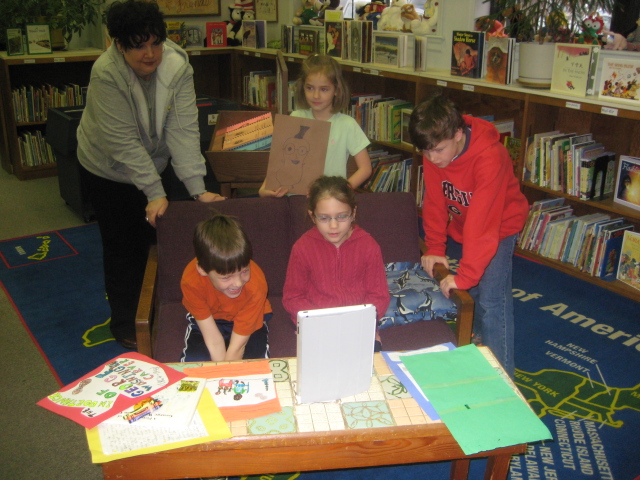
Our four square graphic organizer

George Washington Carver: A Digital Product

Students view their first attempt at a video and give one another feedback

A group of 1st and 3rd grade students have been collaborating with one another to learn about George Washington Carver.  They used print and internet resources to gather research to learn about him.  They also along the way decided that he deserved to be represented on some of our US currency, so they incorporated their knowledge of persuasive writing to explain why he deserved to be on the $1000 bill. These students used an inquiry approach and were facilitated by various adults including their classroom teachers, gifted teacher, and me (the media specialist).  The goal was to let these students guide the process and make decisions about what to create.  As adults, we offered possibilities, but tried to leave decisions in their hands. Today, these students came to the media center with all of their final pieces and used an iPad to record their final presentation.  They used art, informational writing, persuasive writing,  and solo and choral reading to present their information.  After a practice video, they made some minor adjustments and recorded their final piece.  They learned how to import their video from the iPad into their documents on the computer.  They will continue to make decisions about how their final video is used, but for now, I have uploaded their video on Youtube for you to enjoy.

Digital Quilts

Each year, I do a lesson about Harriet Powers, a local famous American who created story quilts about the Bible.  I bring in a replica of her 1st Bible quilt, invite students to imagine the stories it might tell, share the story of Harriet Powers, read excerpts of the book Stitching Stars, and explain some of the panels of the quilt.  This year, I wondered how I might incorporate technology into the lesson, so I decided to try making a digital quilt.

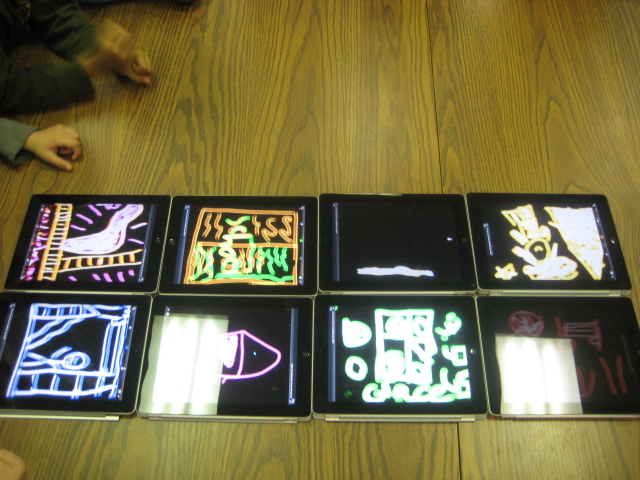
At the conclusion of the lesson, students in the 1st grade class paired up and thought about what a quilt square might look like that told a story about Barrow School.  Then, they each got an iPad with the Glow Coloring app open.  They used the black background and glowing colors to quickly draw their square.  Finally, students placed their iPads on a table to make one large iPad digital quilt.

One of the funniest things that happened during this lesson was when a student drew on the iPad in glowing blue and then held up his finger to check to see if the blue paint was on his finger.  🙂

I really liked the end product, but I wish that I had more time for the lesson.  We didn’t really have time to finish the quilt squares.  I also would have liked for each student to tell the story of their square to another partner group.  We also could have looked at the collective quilt and thought about how it represented our school as a whole and what other stories might have been included.

All in all it was a good first attempt that I will definitely replicate and expand.

This slideshow requires JavaScript.

Destiny Quest Mobile App

Great news!  Now our library catalog can be accessed through your smartphone.  View this video to learn more about the features.  Please note that you will only see “library” and “webpath” in the tabs of your mobile Destiny Quest.

To install the app, visit your smartphone app store and search for Destiny Quest or Follett.

For Android, click here.

For Apple, click here.

Once you download the app, you’ll need to set it up by entering our URL, which is:   destiny.clarke.k12.ga.us

Next, select David C. Barrow Elementary.

Finally, your child can login to his/her account by entering his regular usernameand password from school.

Enjoy!

Persuasive Writing Contest Kickoff

This week we’ve been kicking off our first persuasive writing contest in the media center.  Students are writing persuasive essays about whether or not picture books are important for today’s kids.  You can learn more about the contest in this video.

<iframe width=”560″ height=”315″ src=”http://www.youtube.com/embed/htyiaeHCKds&#8221; frameborder=”0″ allowfullscreen>

We’ve talked about the contest on our morning BTV show, but we’re also holding lessons on persuasive writing in the media center.  A first grade class came and imagined what the library would be like without picture books.  They made a brainstorm list about what might be good or bad about this.  That list was a spark to begin thinking about their writing.  We also read Keiko Kasza’s Ready for Anything and pointed out persuasive techniques used in the story.

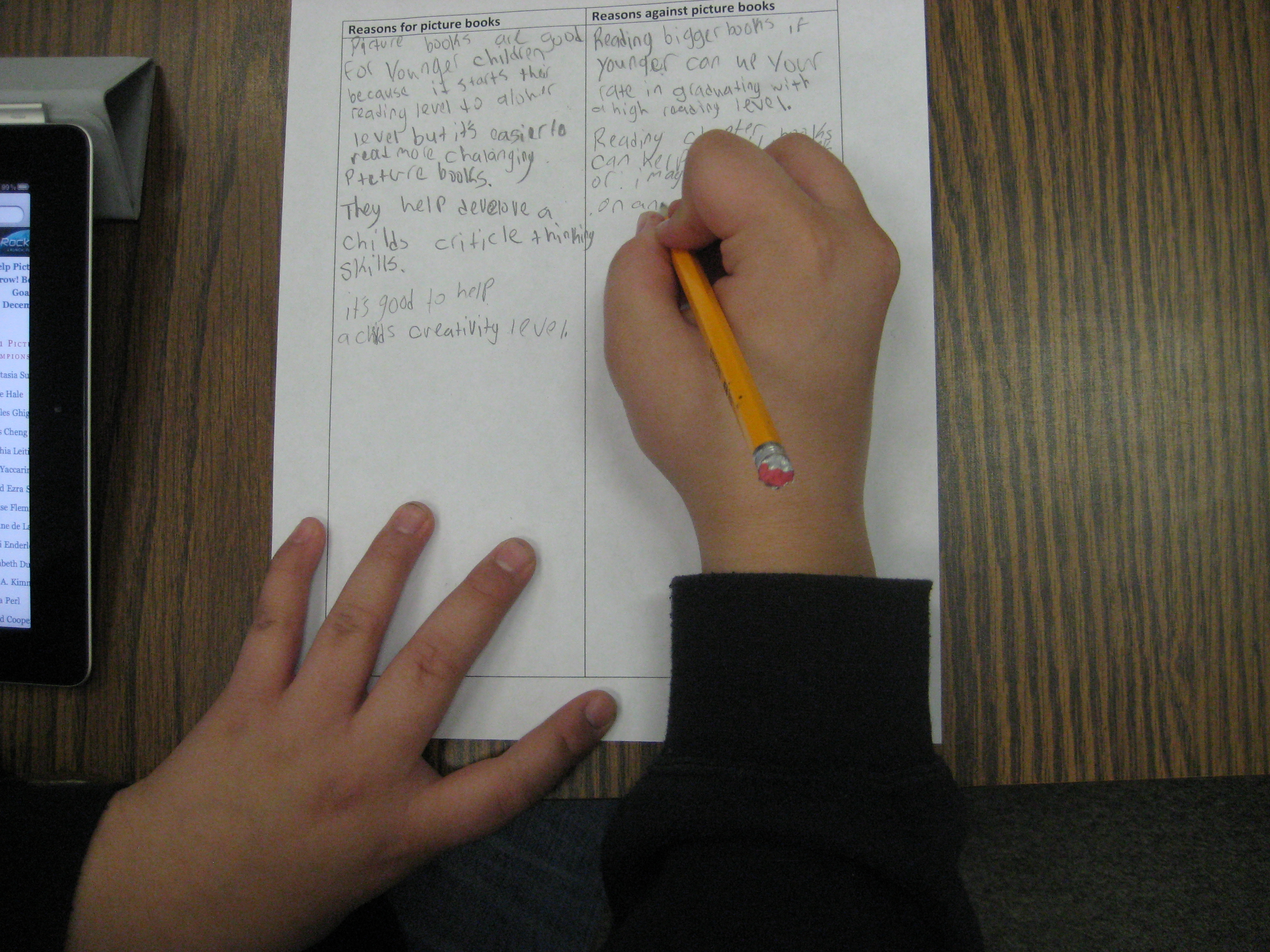
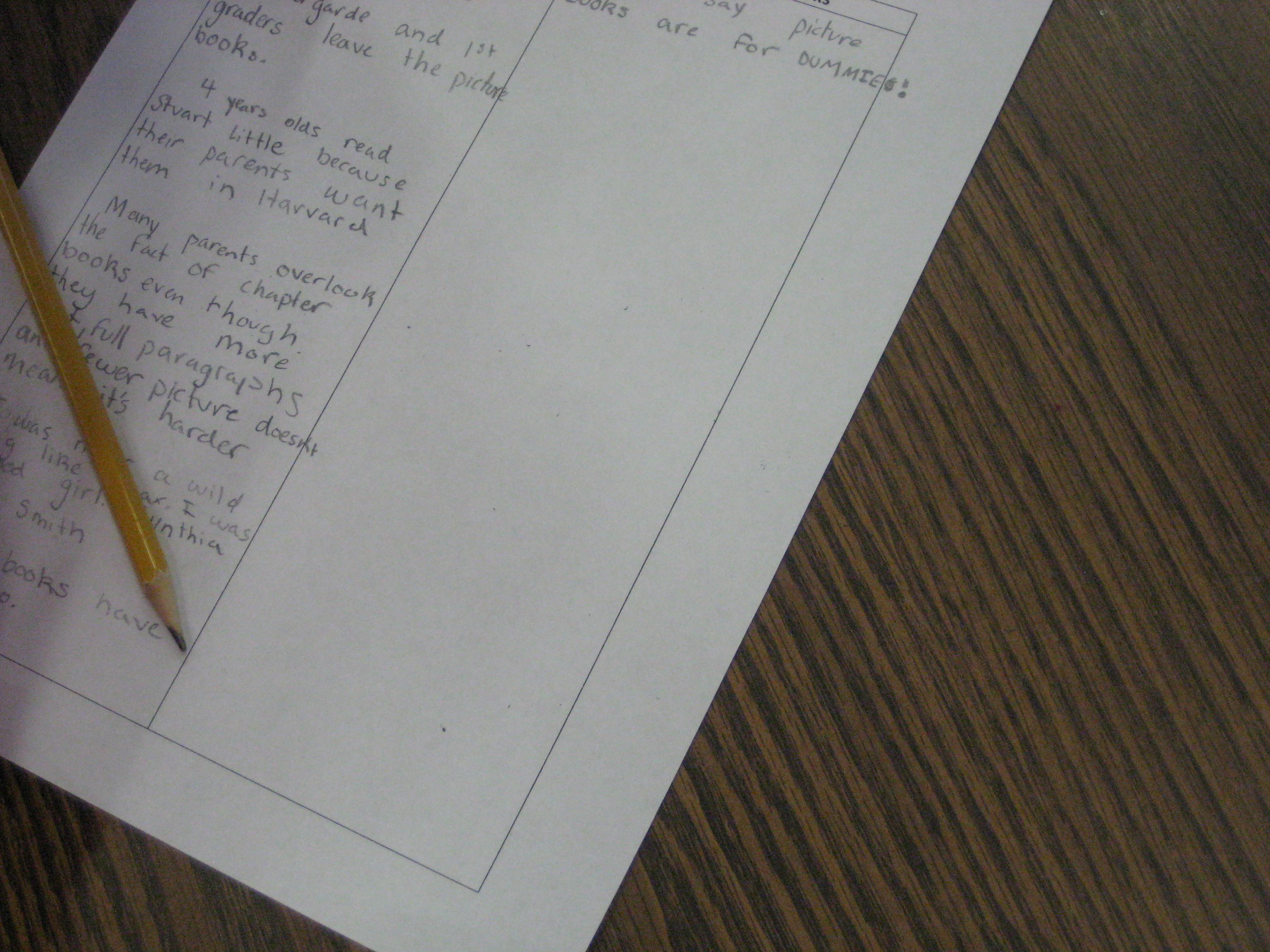
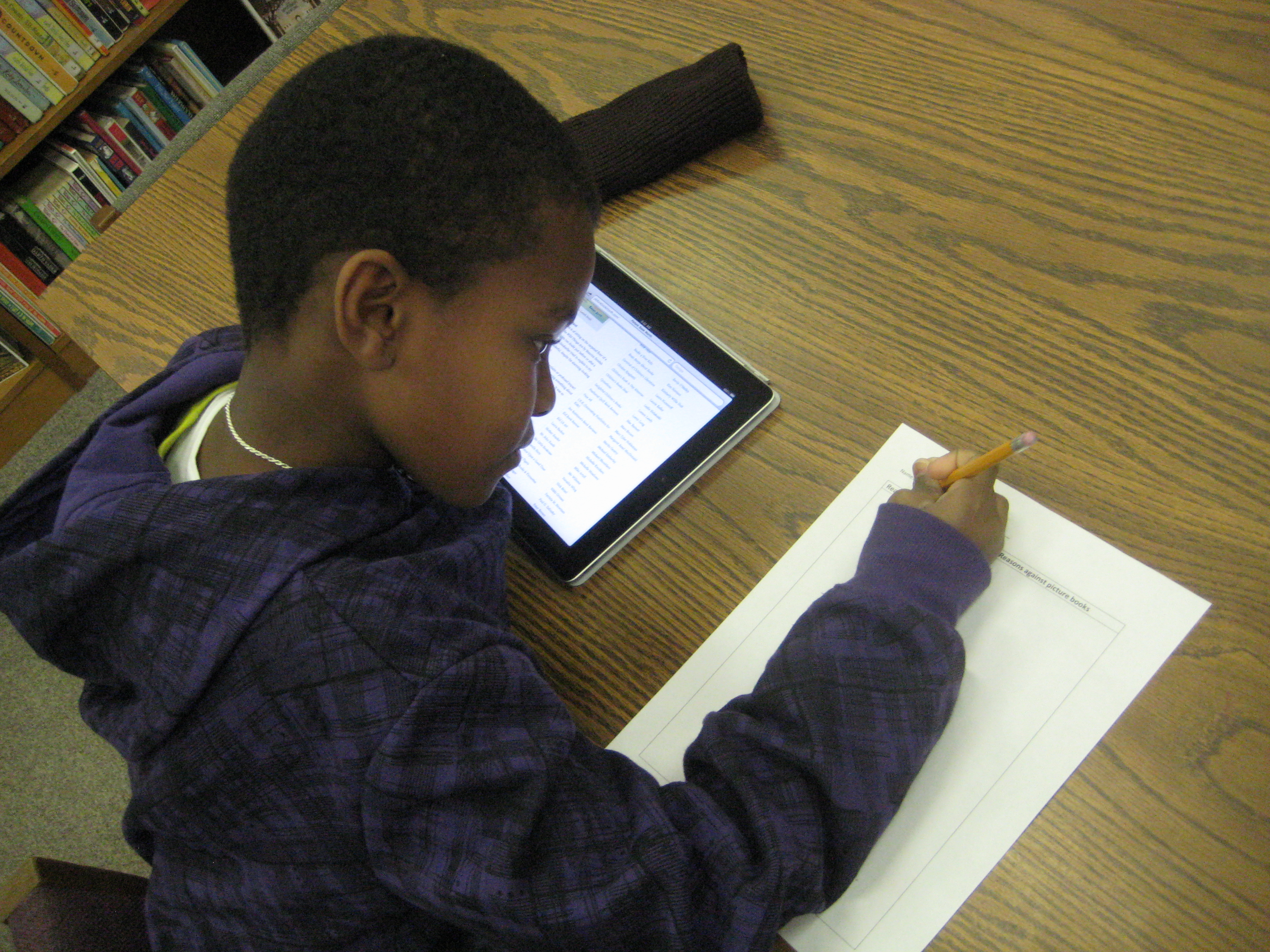
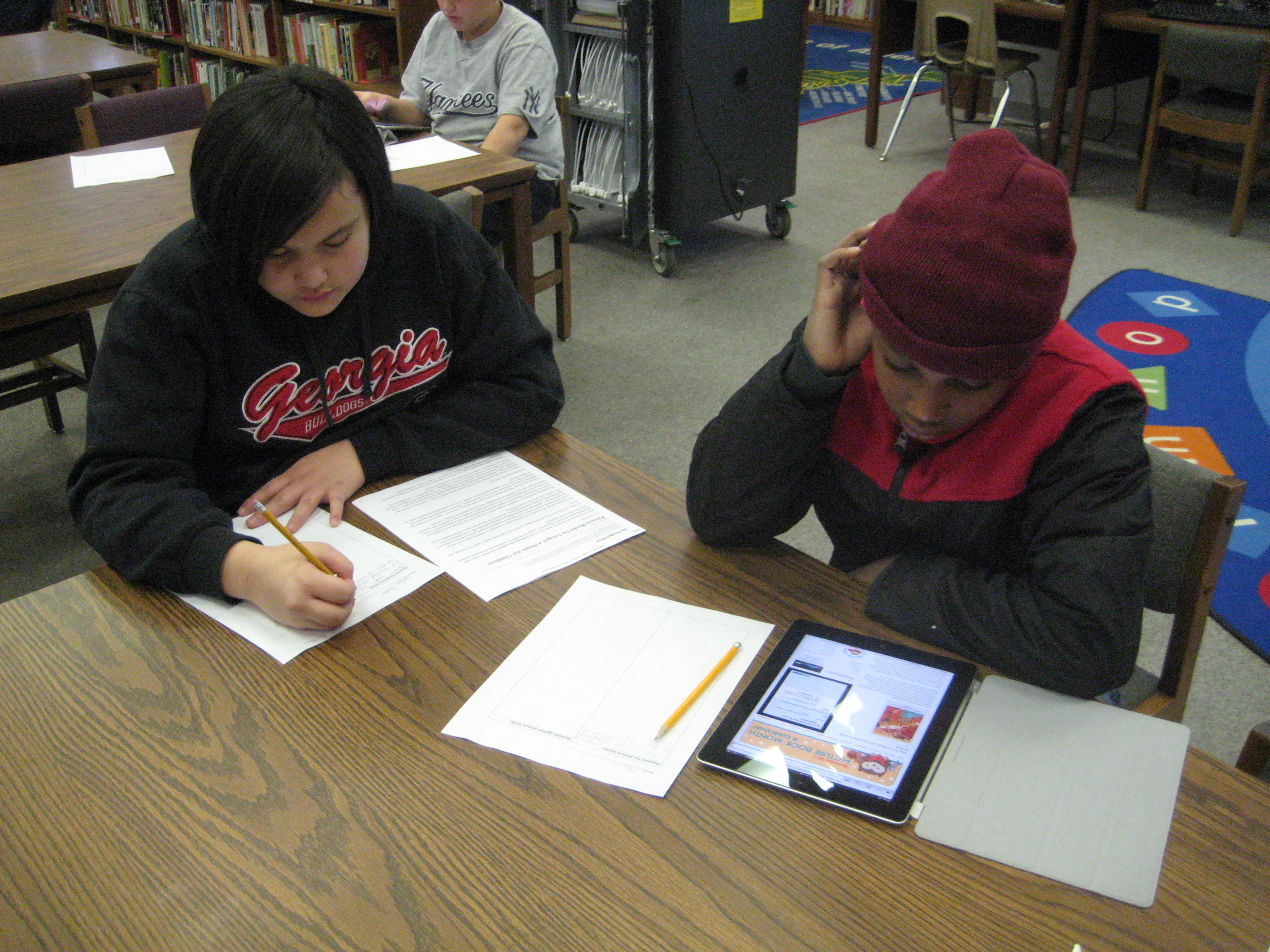
Today, a 5th grade class came and viewed a slideshow of persuasive strategies. Then, they split at tables and read the NY Times article about picture books and essays on the Picture Book Month website using the iPad.  They organized their research into a 2-column chart, for picture books and against picture books.  Many of them said they would continue this research at home.  The teacher plans to schedule a writing workshop time with the media center for students who are interested in the contest.  These students will have time to do more research, write, and conference with me about their writing.

A kindergarten teacher has also scheduled time for a small group to meet with me to work on their writing for the contest.

The persuasive writing is flowing at Barrow.  We’re so honored to be able to support this writing standard that grades 1-5 are working on this quarter.

2011 in review

The WordPress.com stats helper monkeys prepared a 2011 annual report for this blog.

Here’s an excerpt:

The concert hall at the Syndey Opera House holds 2,700 people. This blog was viewed about 8,300 times in 2011. If it were a concert at Sydney Opera House, it would take about 3 sold-out performances for that many people to see it.

Click here to see the complete report.

Media Center Persuasive Writing Contest 2012

The Barrow Media Center is sponsoring our very first persuasive writing contest.   The contest starts now through February 10th.  All entries are due by 3PM on February 10th.  Students in any grade at Barrow may enter.  This contest supports the Georgia Performance Writing Standards that grades 1-5 are working on during 3rd quarter and it is an extension of our Picture Book Month celebration from November.  Students are asked about the following topic:  Picture books….important for today’s kids or not?  Essays must be 500 words or less and preferably typed.  Students can use any resources as inspiration, but we recommend the picture book month website and the New York Times article, Picture Books No Longer a Staple for Today’s Kids.    Consider using persuasive writing techniques such as big names, playing into emotions, building trust, using facts and numbers, and backing up your stance with reputable research.  We will award certificates to the top essays in Prek-1st, 2nd-3rd, and 4th-5th.  The top essays will also be recorded for our blog and morning broadcast.  The media center will also hold writing workshops for whole classes and small groups on persuasive writing and conference with students on their writing prior to entering the contest.  We can’t wait to see what students come up with.


Great Early Elementary Reads book list – Association for Library Service to Children (ALSC)

Great Early Elementary Reads book list – Association for Library Service to Children (ALSC).


The ALSC 2011-2012 School-Age Programs and Services Committee recently announced the updating of the Great Early Elementary Reads book list. The committee recommends these titles for children who are just learning to read and beginning to read on their own. The books included were published between 2009 and 2011

Football Double Threat: An ebook triple review

Three 5th grade boys just finished a book study with me in the library using our e-readers.  The boys were interested in reading something football-related, so we looked at several options before deciding on Matt Christopher’s Football Double Threat.  Three days each week, the boys came to the library, read aloud at a table, and discussed the book.  They also used the e-readers to highlight text and to look up words that they didn’t understand.  At the end, the boys each wrote a review and used the iPads to record their reviews.  Here they are for your enjoyment: