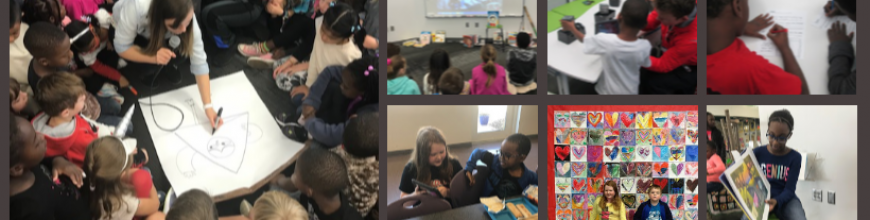
 Mrs. Ramseyer’s 2nd grade class has been participating in #Geniuscon since January. Geniuscon is an opportunity for students to show their “genius” by exploring a real-world topic that matters to them. Students go through an inquiry research process that centers around their interests and questions. This year, the overall question for Geniuscon is “If you could change one thing about your school, what would it be?”
First, students kicked off the project with some brainstorming.
Then, they chose topics and spent time developing questions around those topics.
Next, they continued to develop their questions, fine tune their topics, and make a plan of where to find information or who to ask questions.
While this step was going on, Mrs. Ramseyer and I started having a conversation with Gretchen Thomas, teacher at the University of Georgia. Gretchen first reached out to me on Twitter for another project at our school, and our conversations led us to Geniuscon. Her undergraduate students do 20% projects, which is very similar to what our students are doing. We thought that it would be wonderful for her UGA students to partner with our 2nd graders. Her UGA students would learn about working with kids as well as how we were journeying through this type of research project, and our students would benefit from having an older learner facilitating the research process. Gretchen’s class is not all education majors, which actually brings even more interesting perspectives and connections to our project. Some of her students are football and basketball players at UGA, so the students really liked that too.
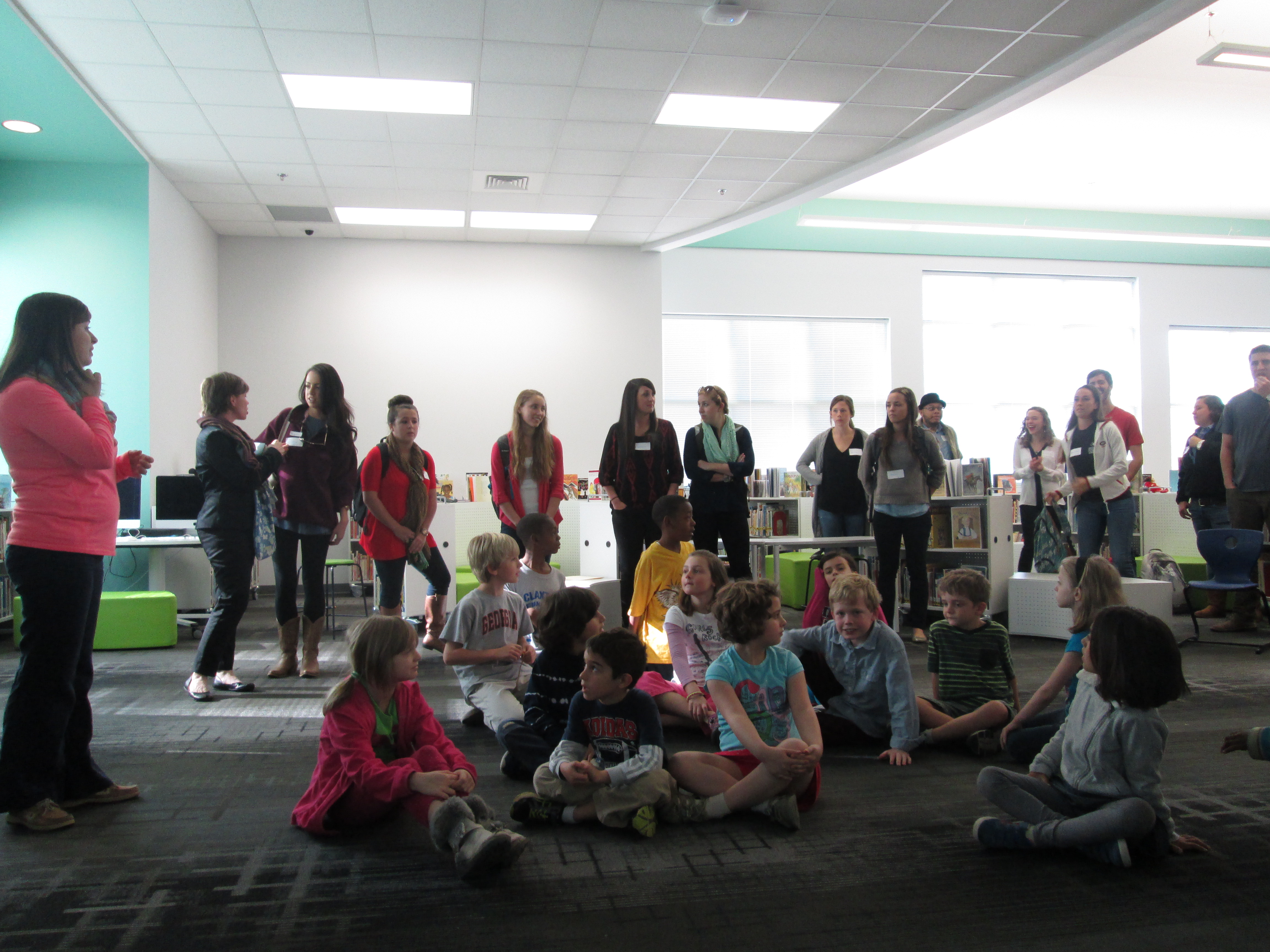
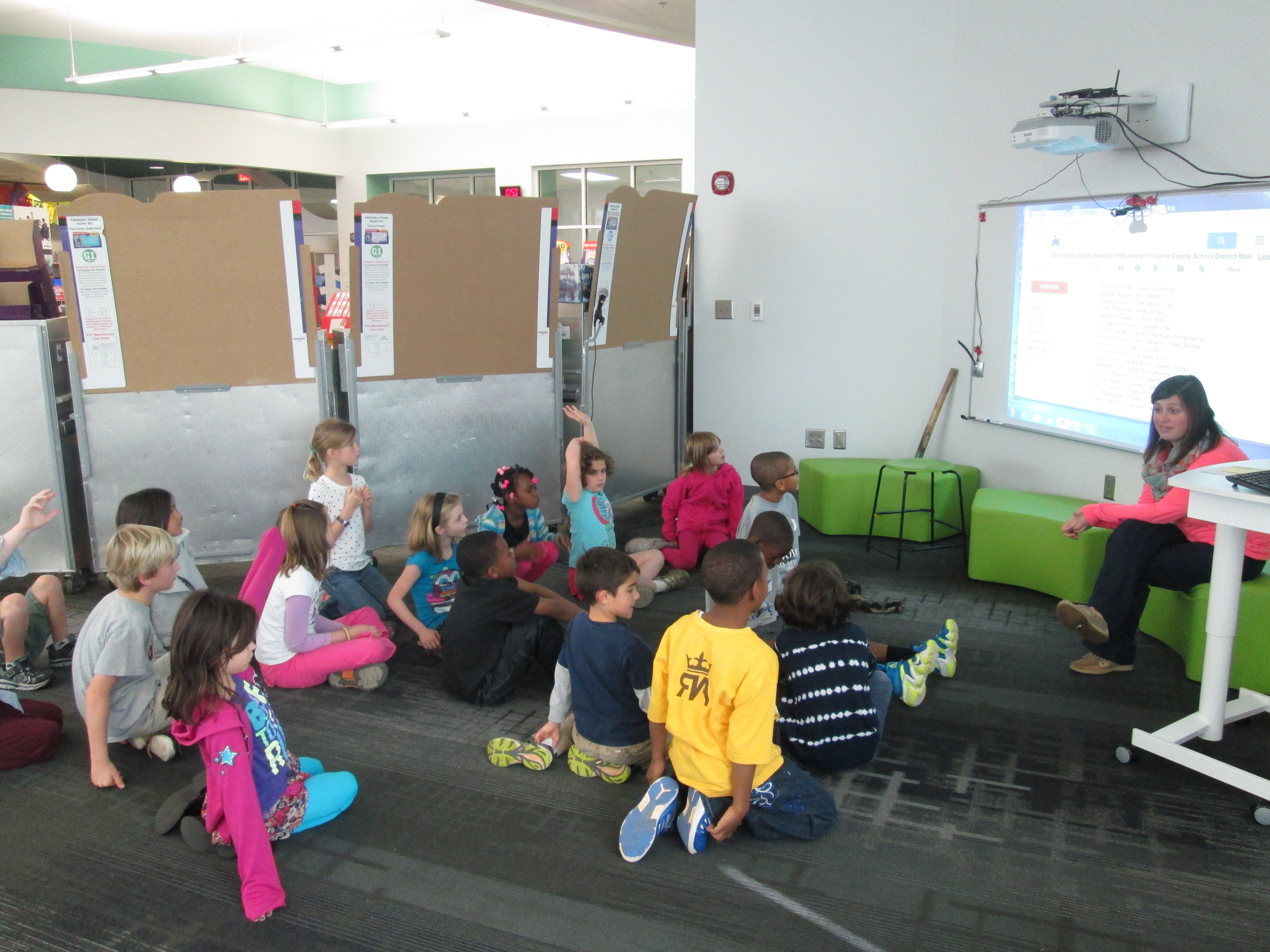
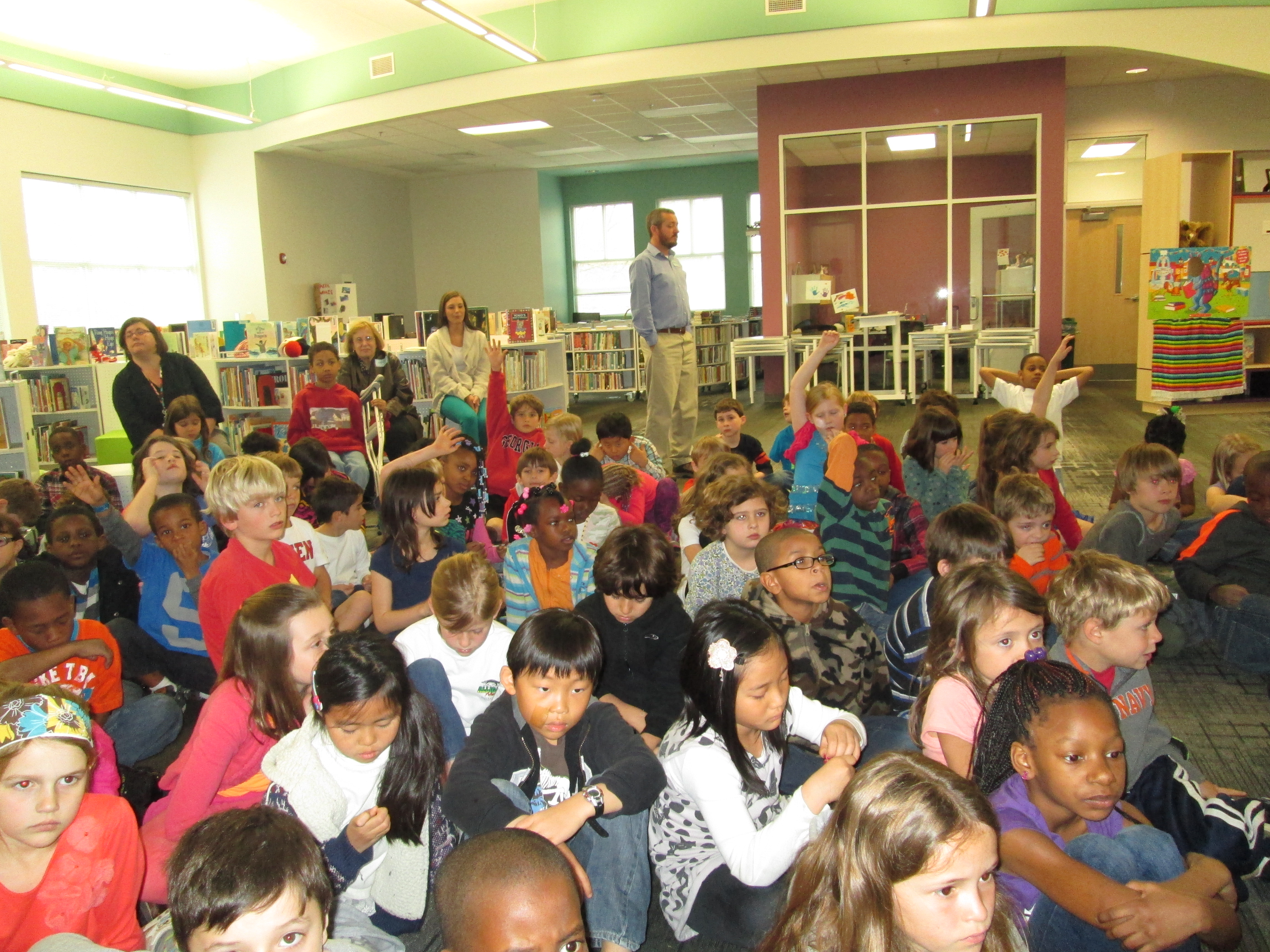
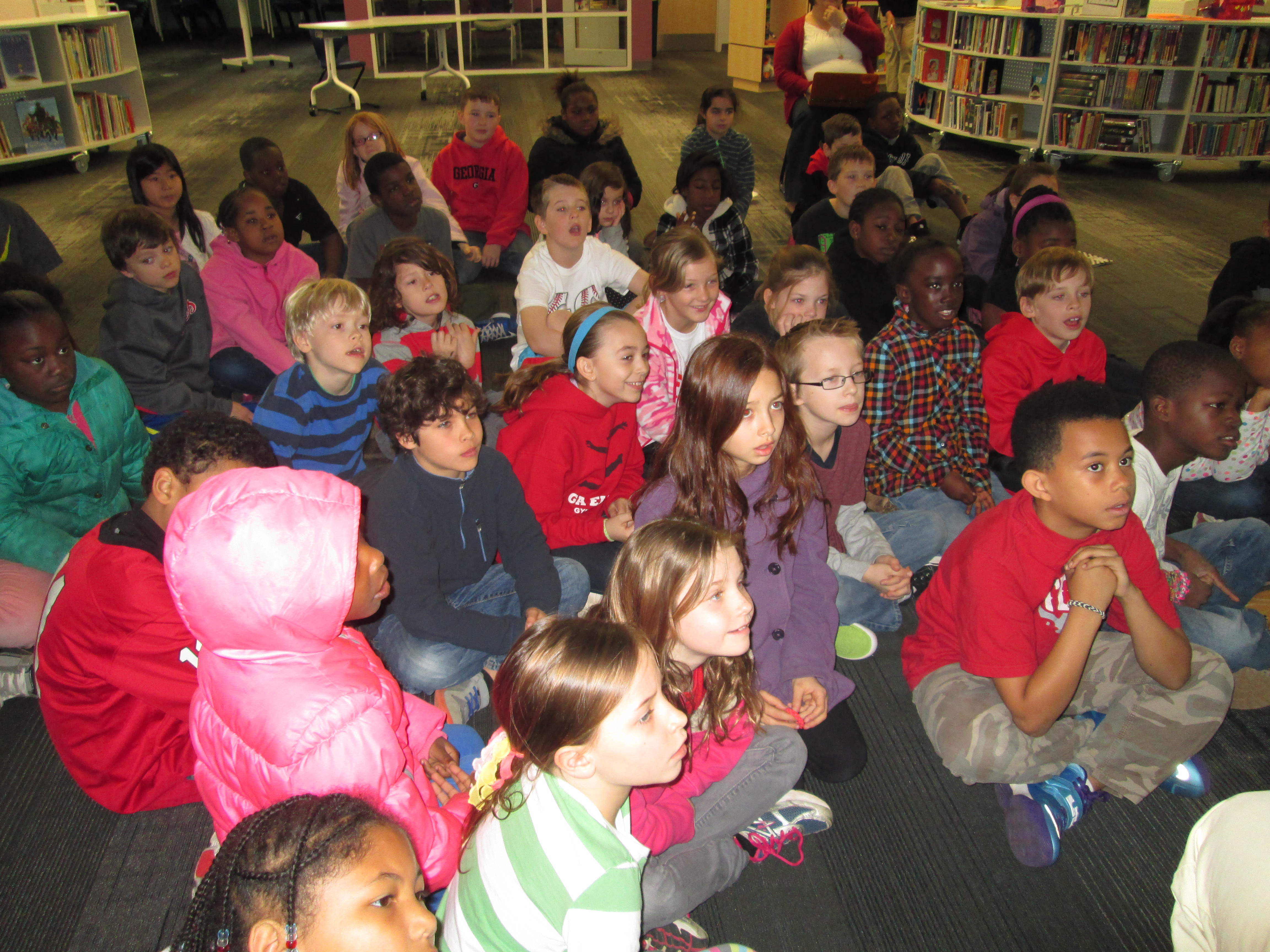
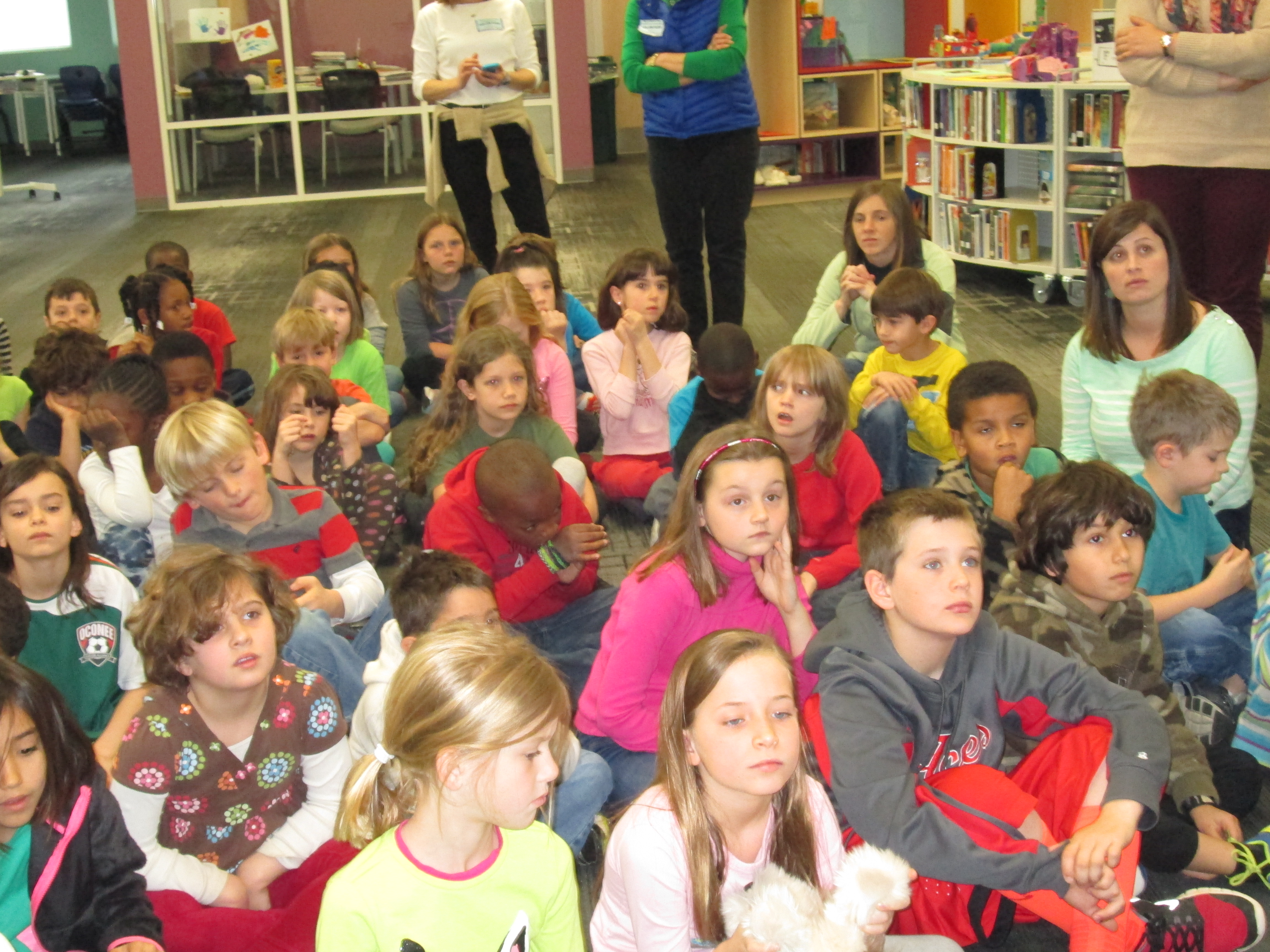
Gretchen actually teaches 2 different groups of UGA students who are able to come to our school, so Mrs. Ramseyer worked with her through email to pair up UGA students and Barrow students. Today, the first group of UGA students arrived. We briefly met on the carpet to set the focus and then UGA and Barrow students paired and moved throughout the library to work. Students grabbed a computer from cart and logged into their Google drive.
This is what it looked like:
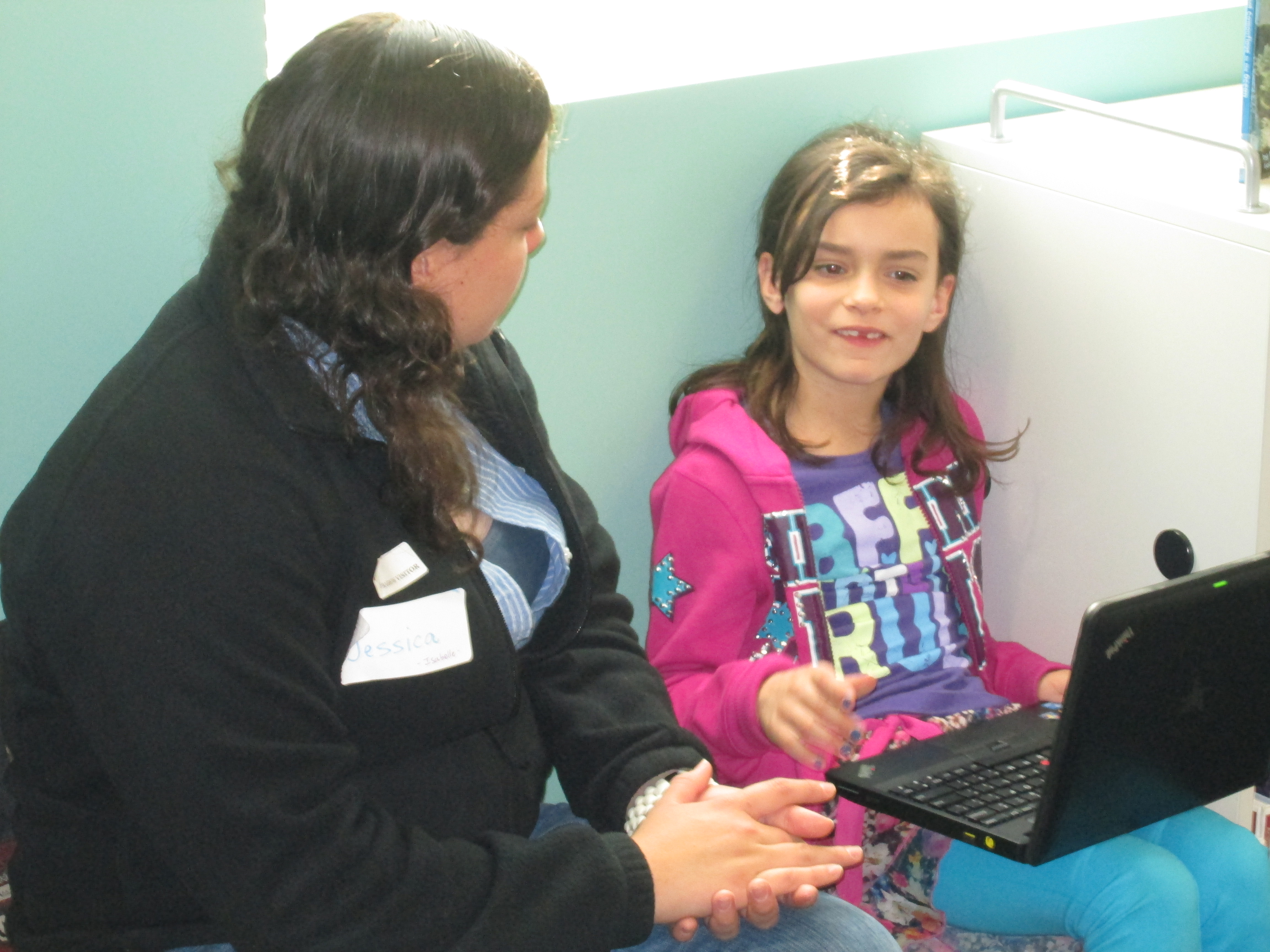
Using their list of topic questions, they had a conversation with their UGA partner. We quickly saw that many of our Barrow students just wanted to answer their research questions with their own words. This is certainly a valid piece of the process, but students weren’t all thinking about where they might go to research beyond themselves.


Mrs. Ramseyer, Gretchen, and I all walked around and checked in with groups and nudged them to start thinking about where they might go to find more information. There were some amazing things happening in a short amount of time. During the debrief at the end, students shared what they accomplished during the work time.
Here are some examples of what students said:
- I learned how to make a spreadsheet and started adding things to it
- I’m making a Google form survey to send to teachers
- I learned that playground equipment is expensive. Some of the pieces are thousands of dollars.
- I sent an email to our principal and assistant principal
- I looked at our daily schedule to see where we could put another recess


I wish that I could have sat in every conversation because it was amazing to see the variety of learning going on. One of the great things is that there will be so many students experts on so many different tools and strategies that it will support further learning in the class this year. Students who learned Google forms can teach others. Students who don’t know what a spreadsheet is or how to make it now have someone to ask.
I also checked in with our principal because I had not told her that she might get some emails. She had already read the emailed and is planning to give the student a menu and suggest that she analyze the nutritional facts for the items on the menu. She was very excited about the potential of the project and collaboration with UGA.

We are so fortunate to have a university right next to our school. Thank you, Gretchen Thomas, for sharing your UGA students with us. I hope they learn as much from us as we learn from them.





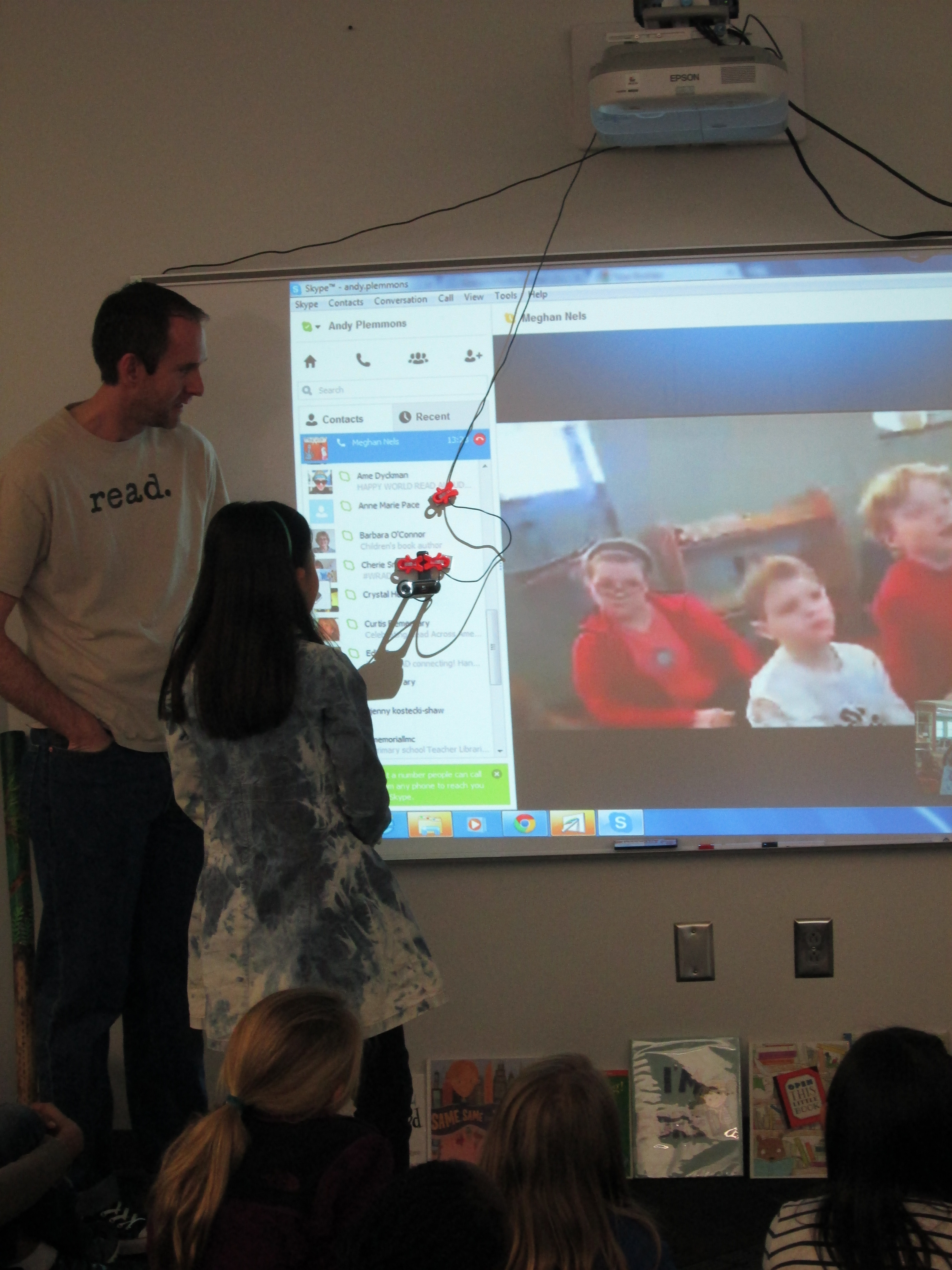
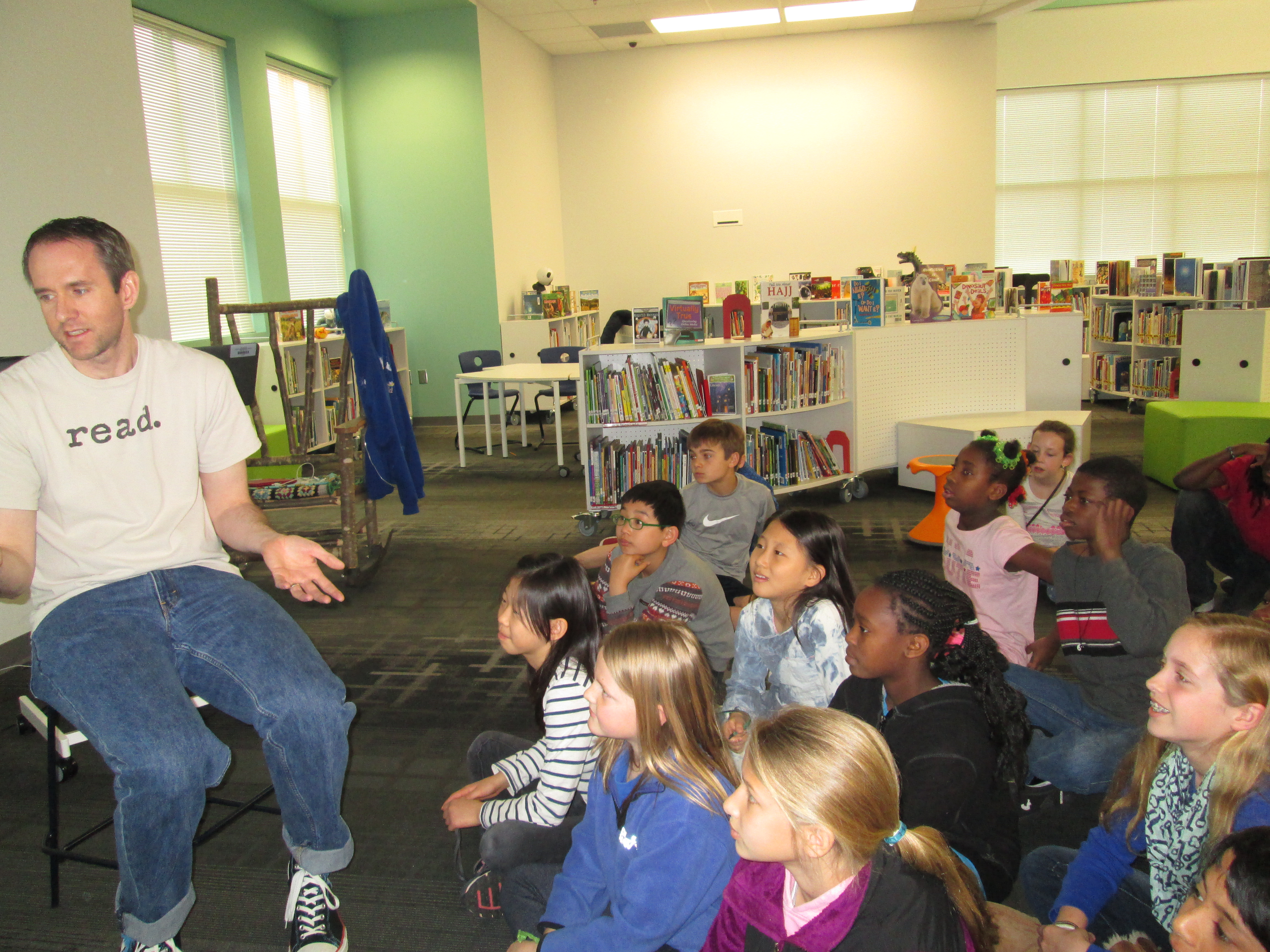
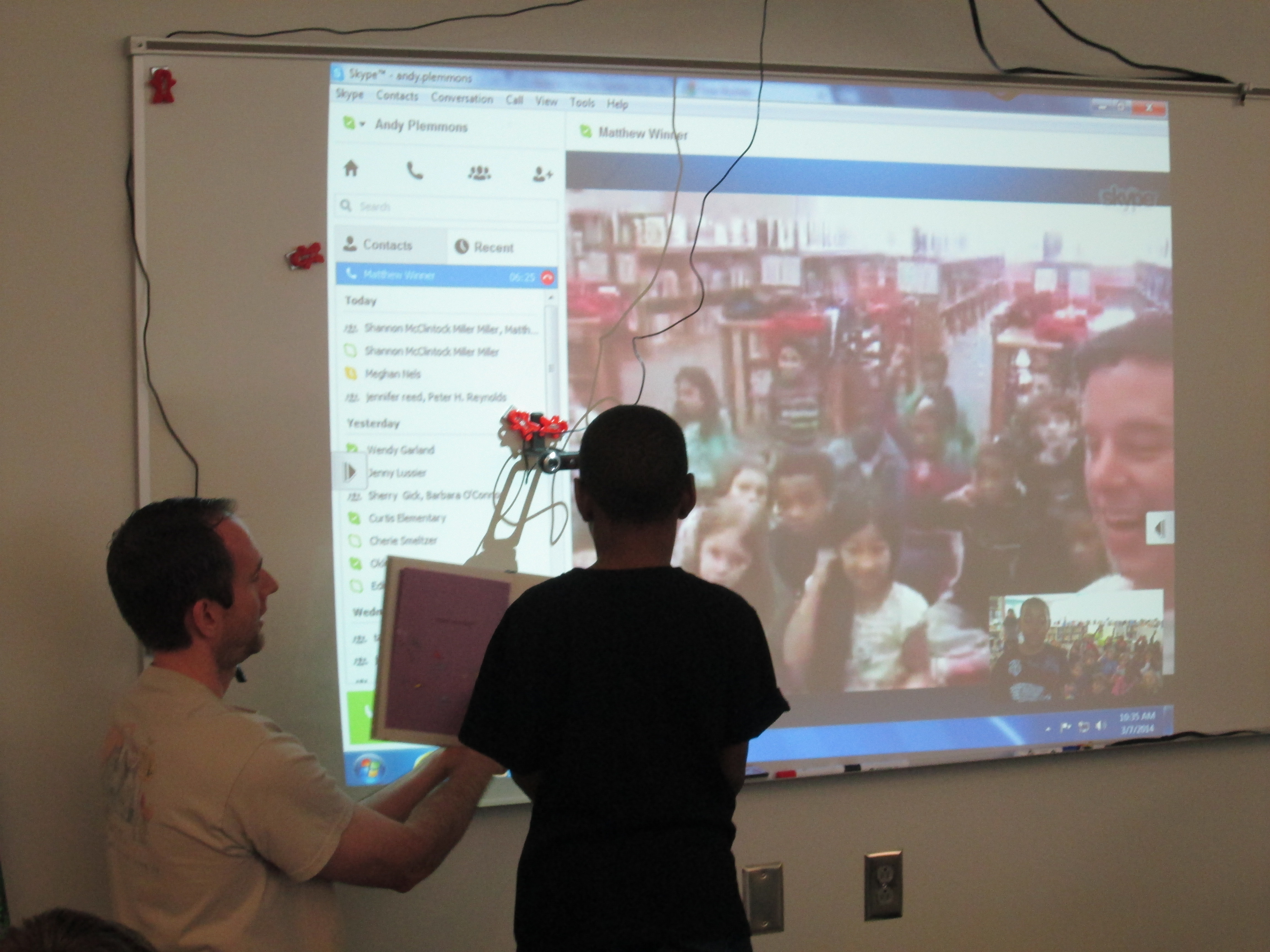

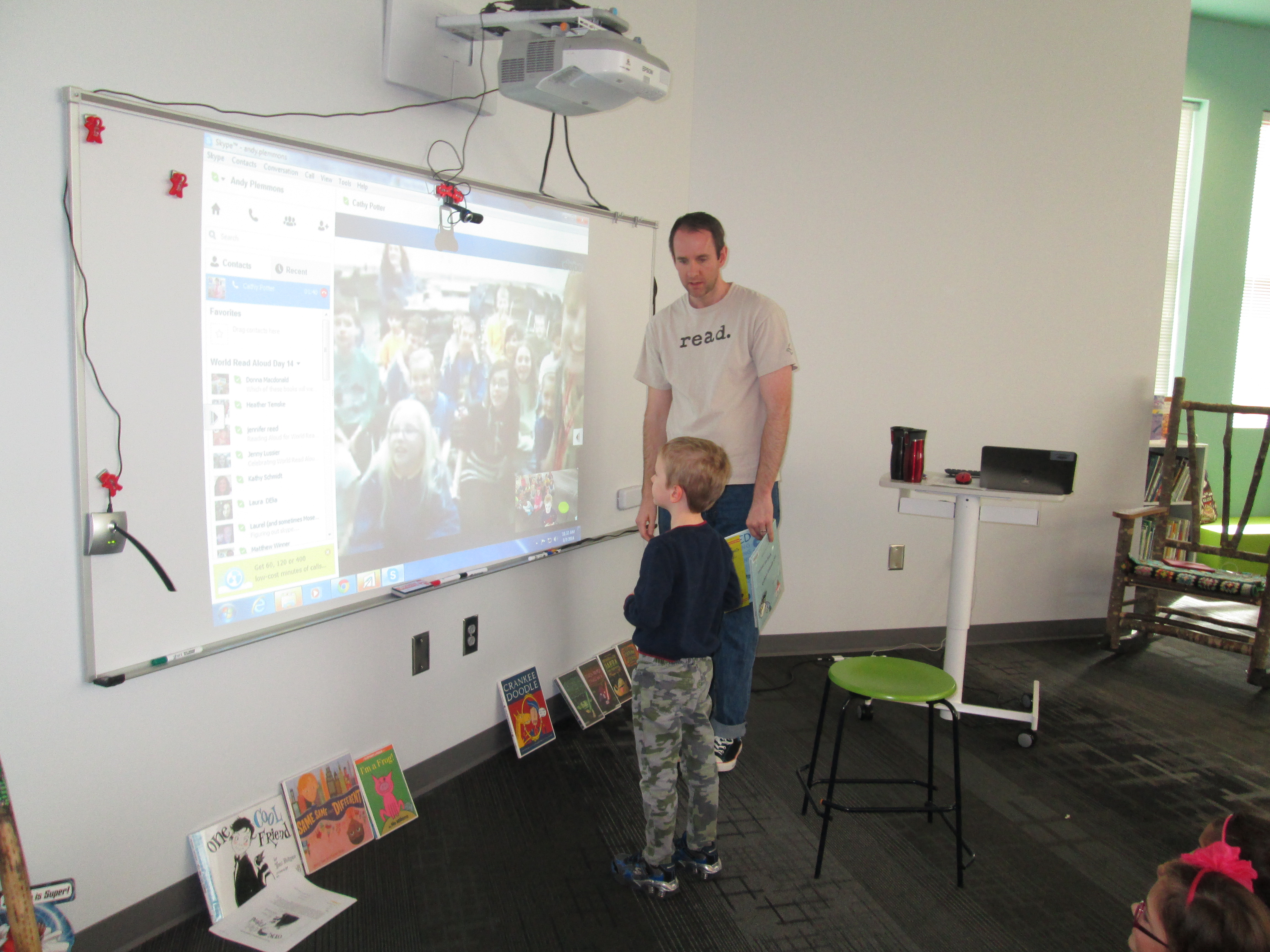


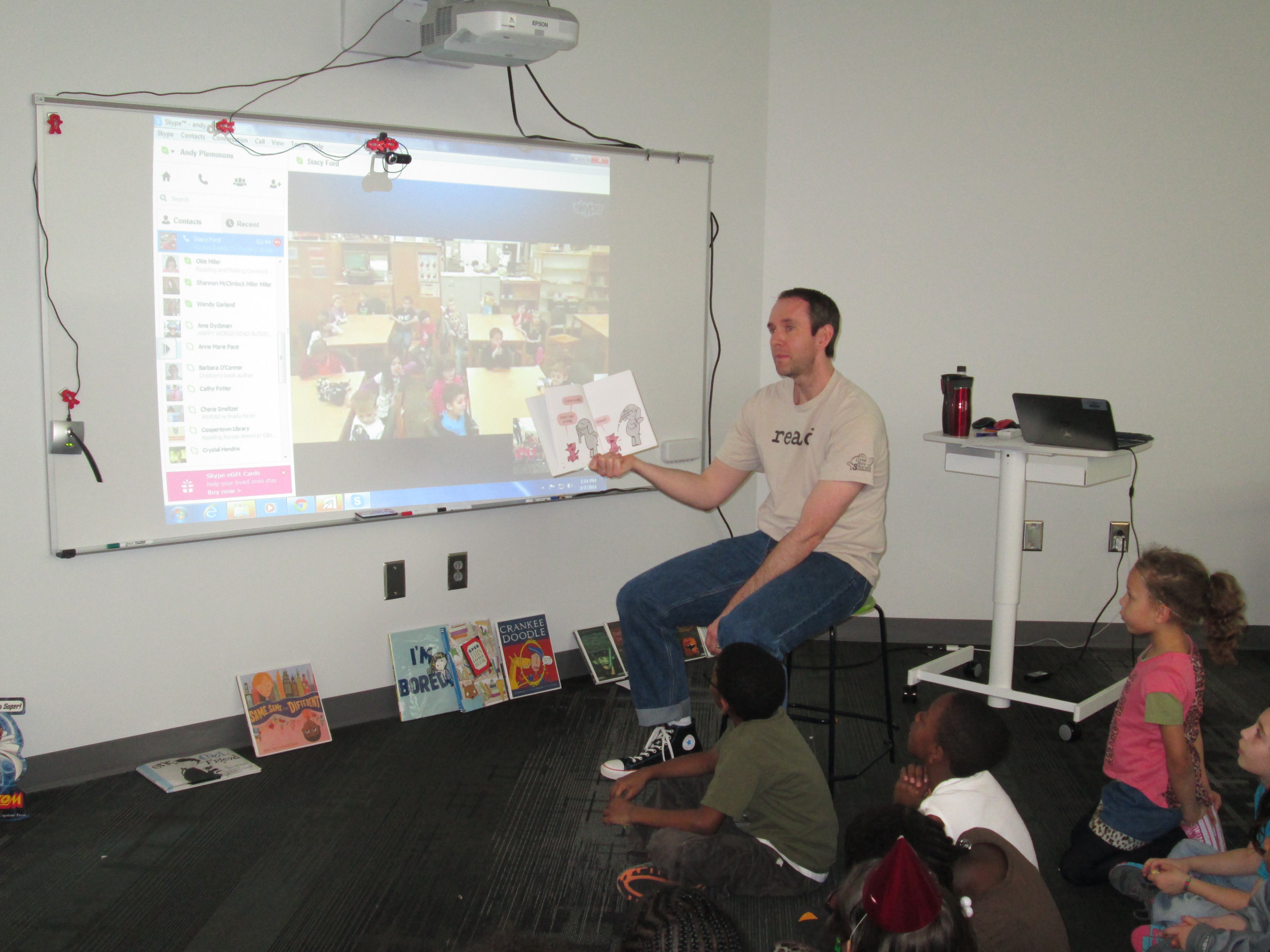


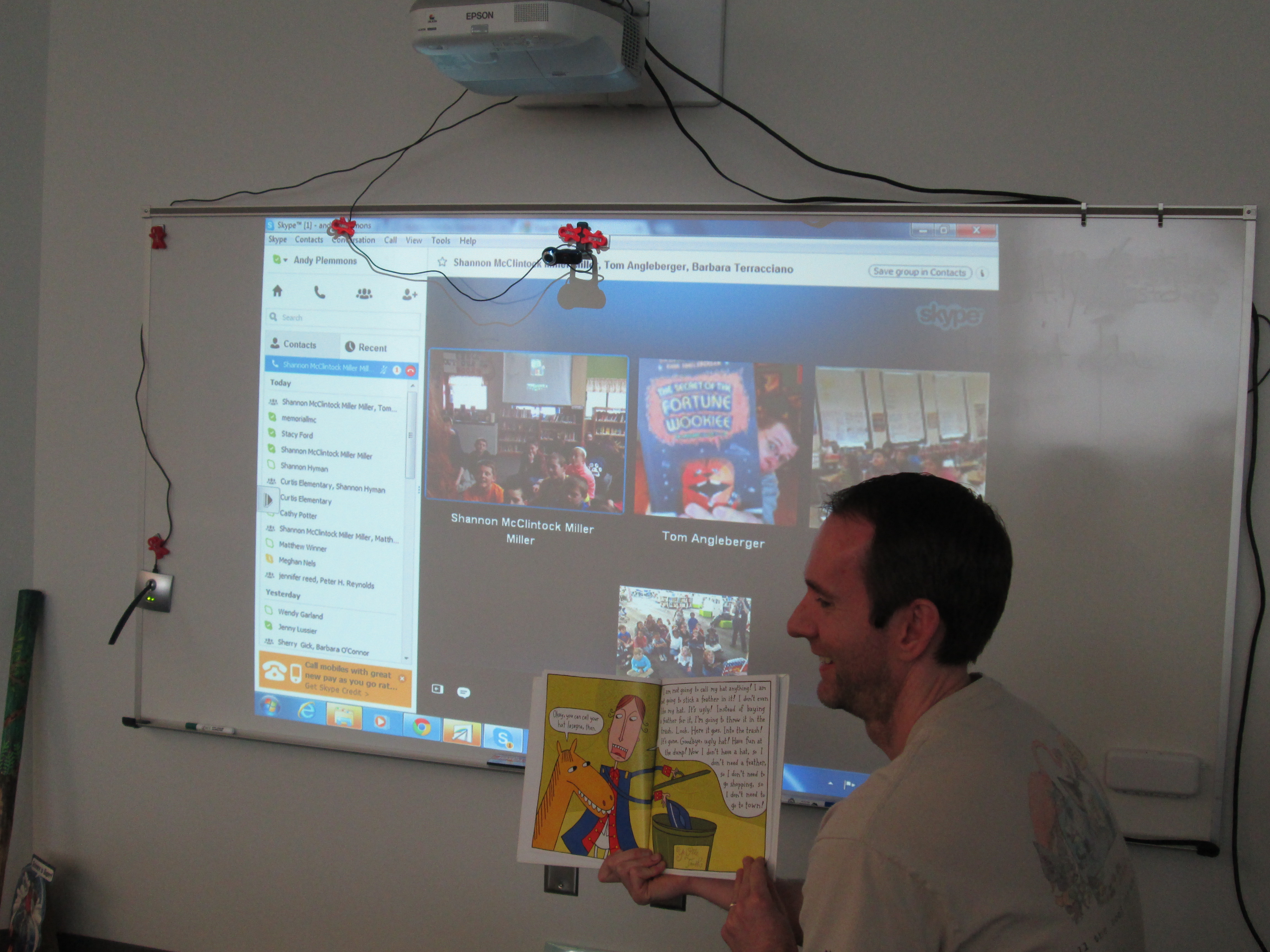
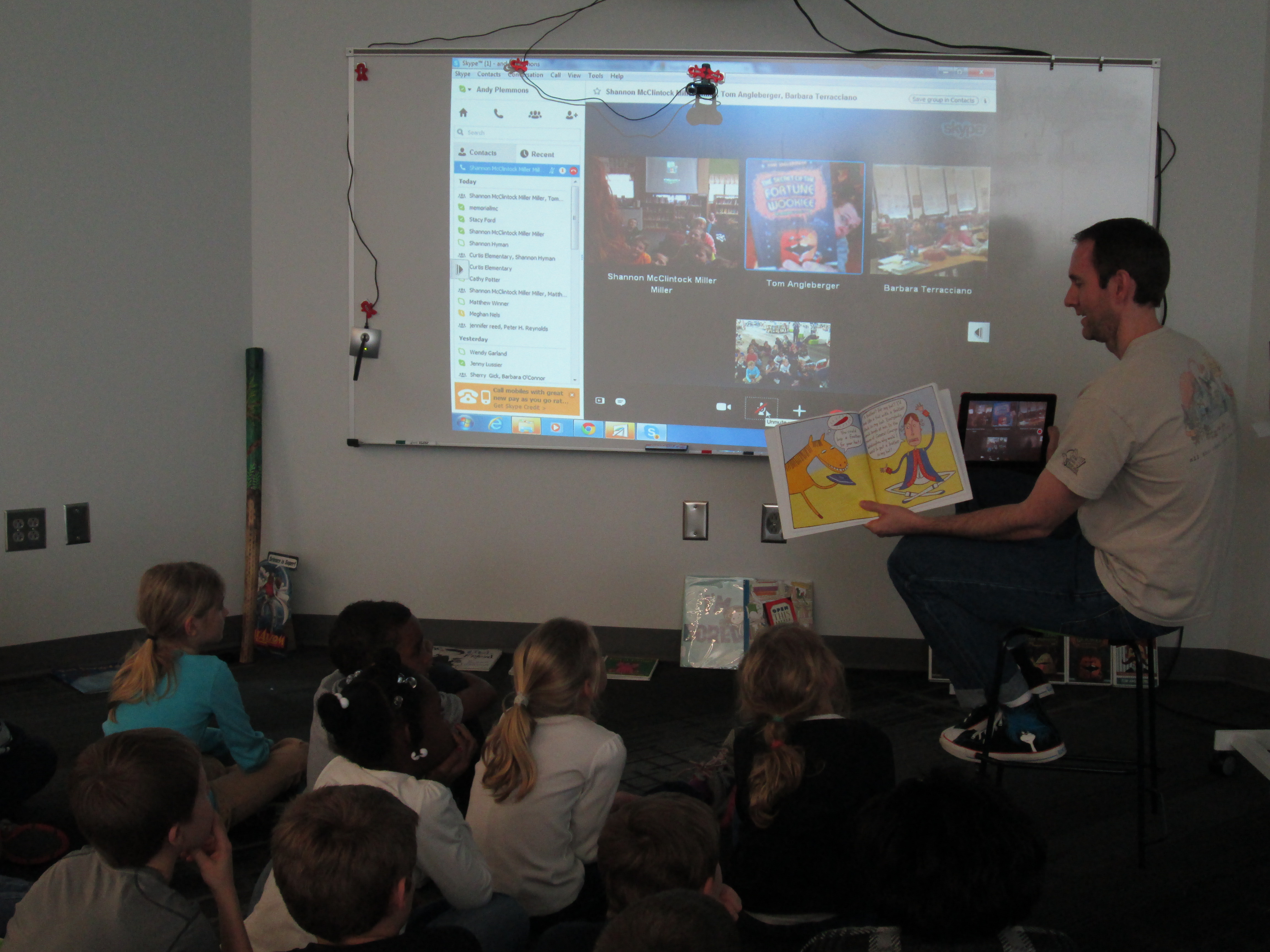
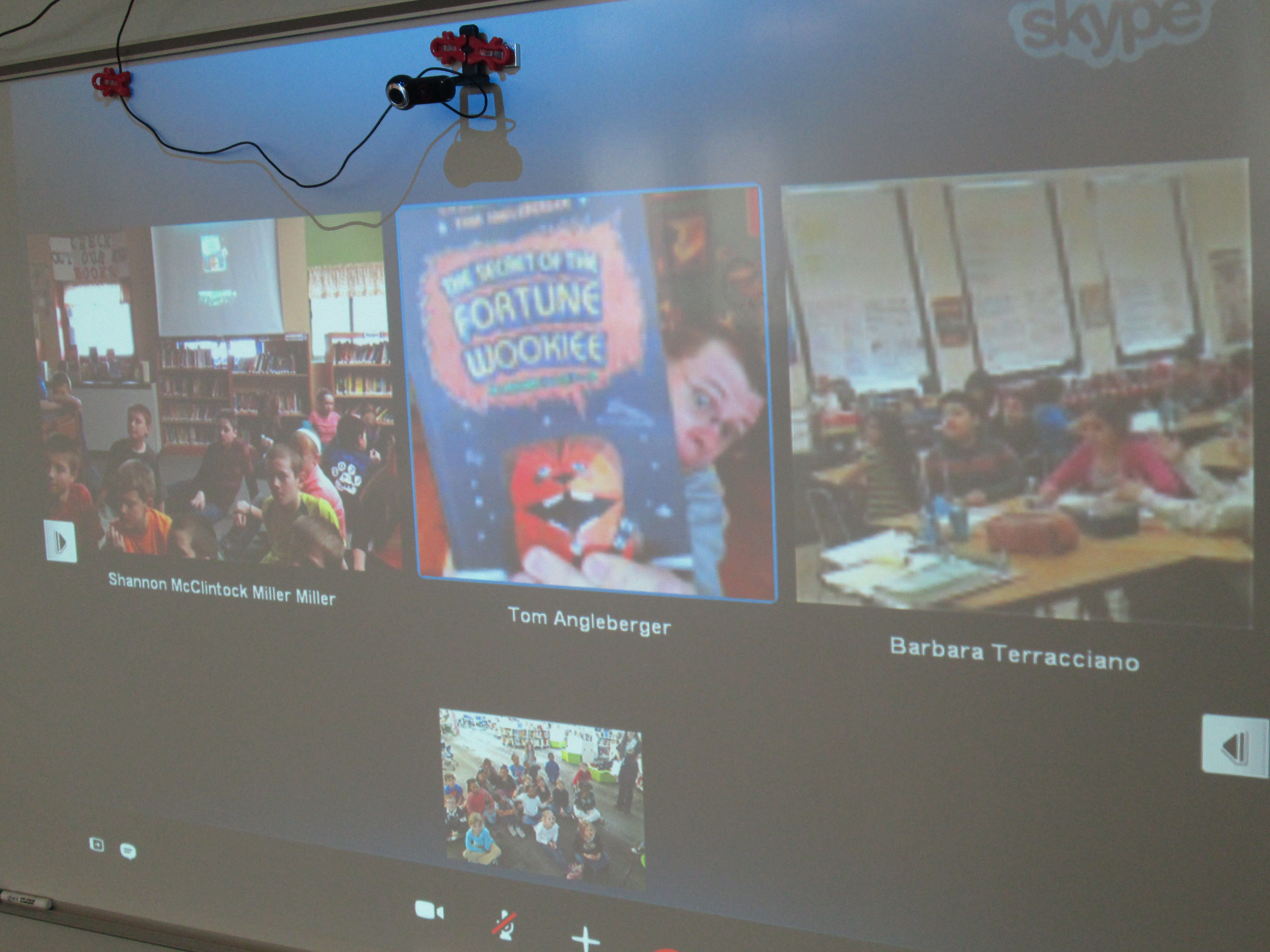
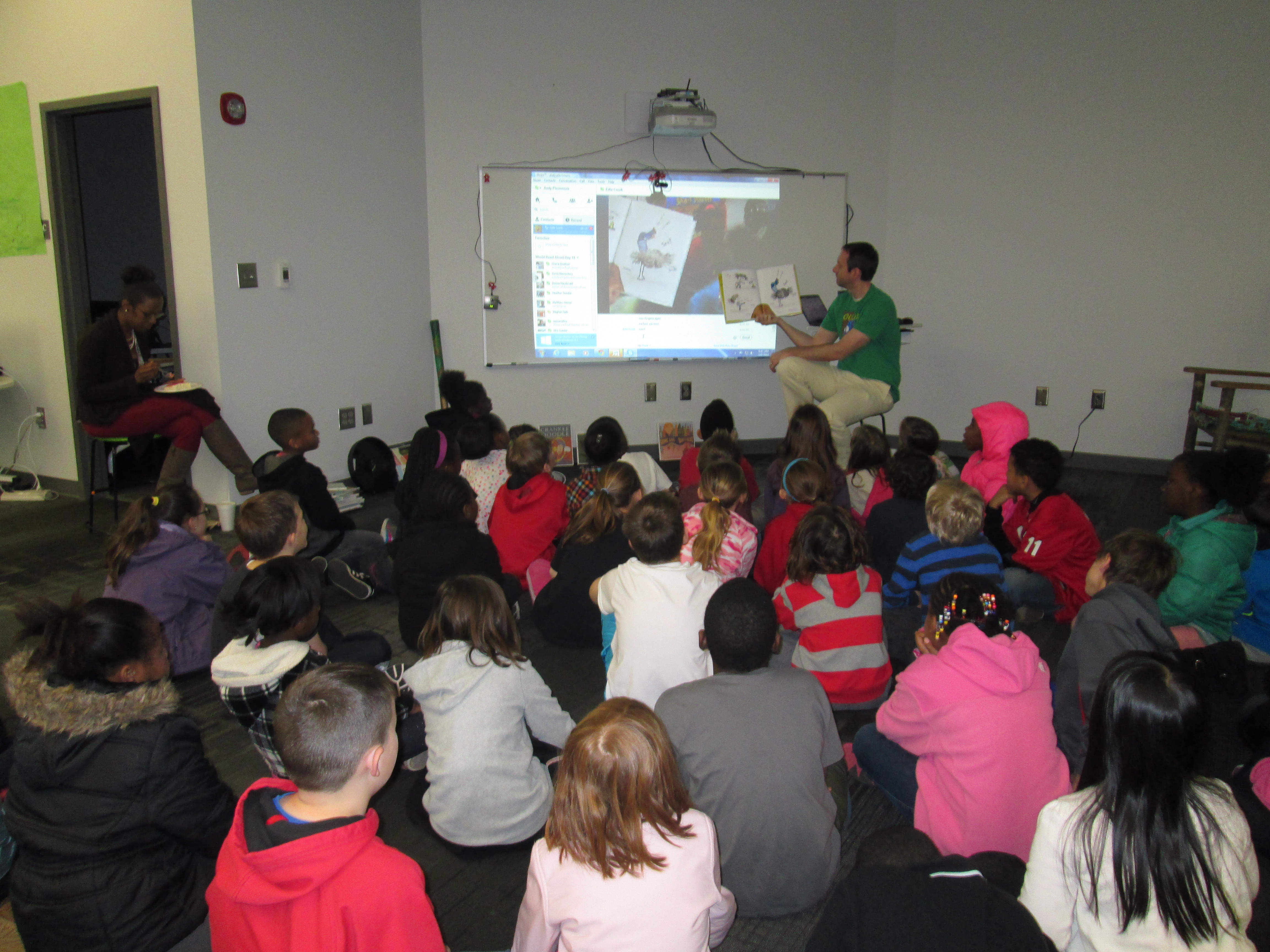
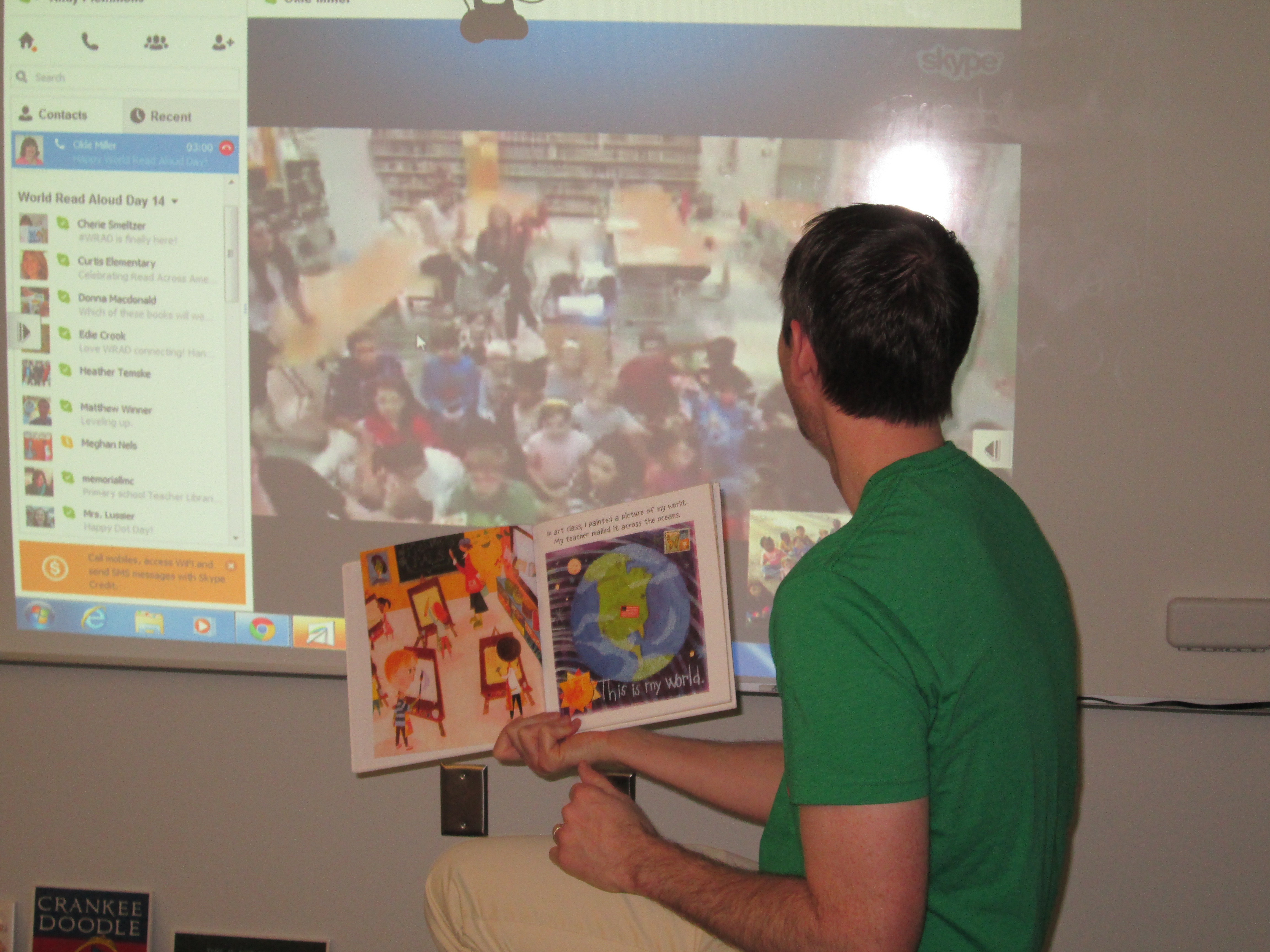
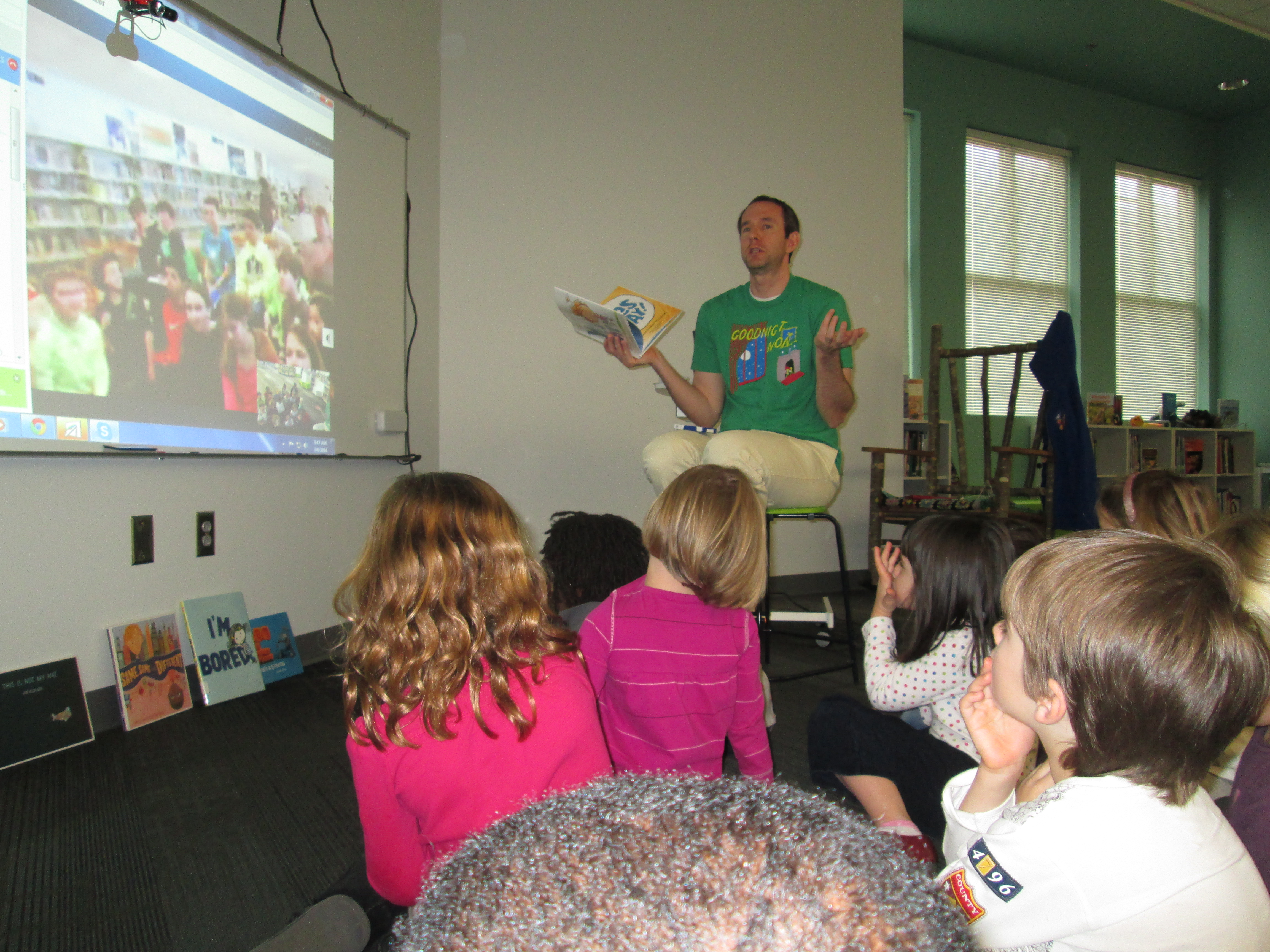
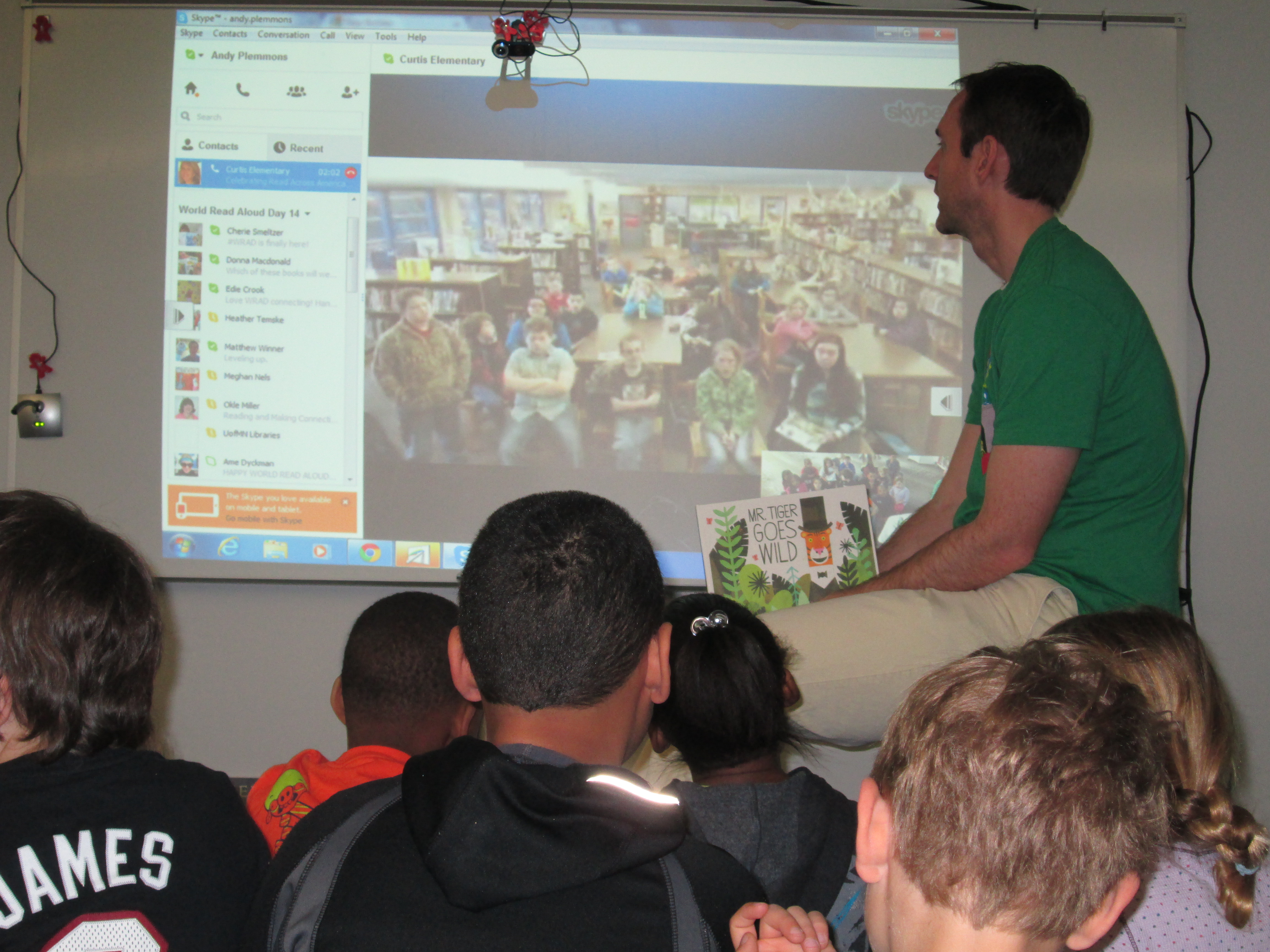
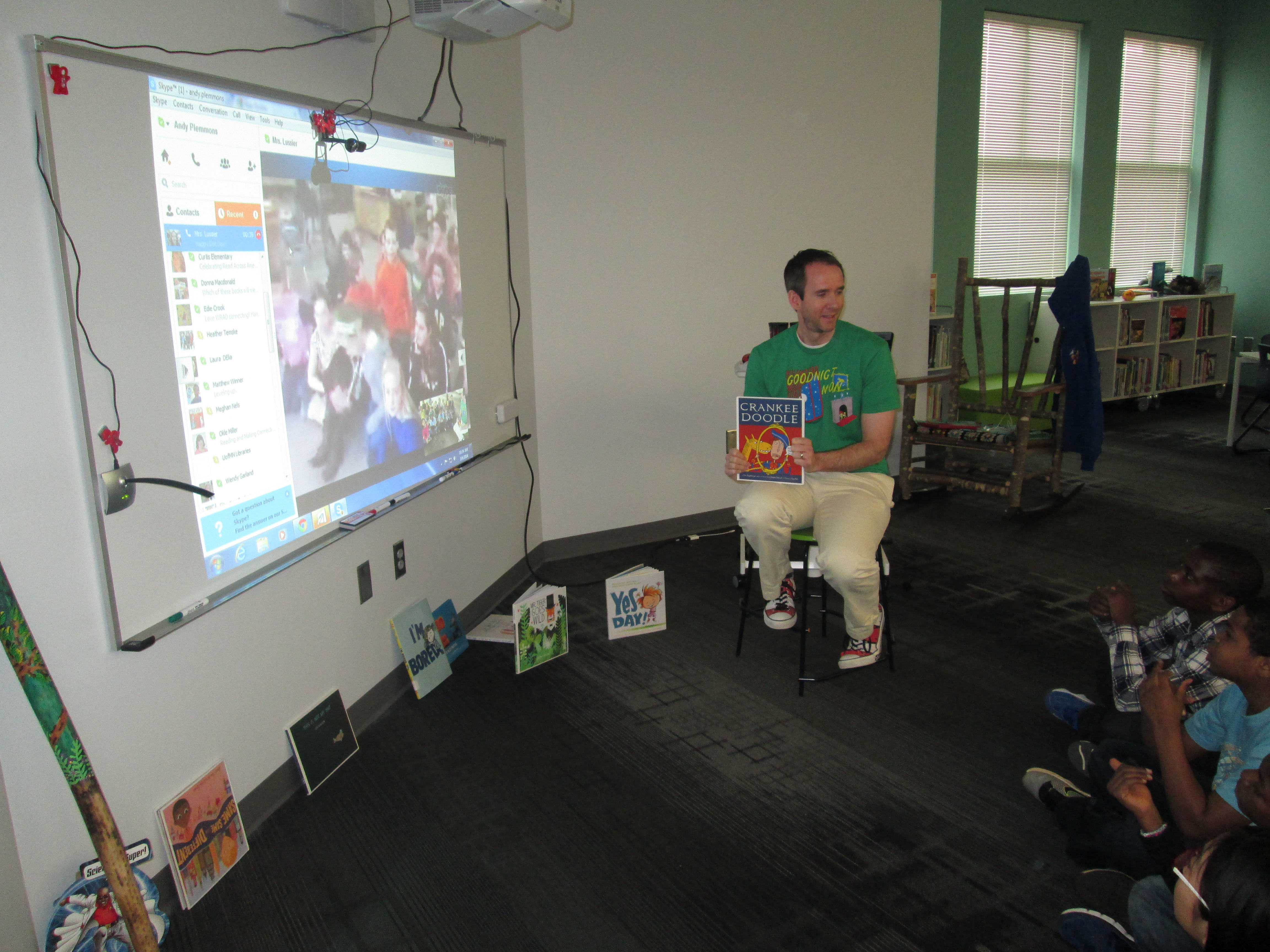
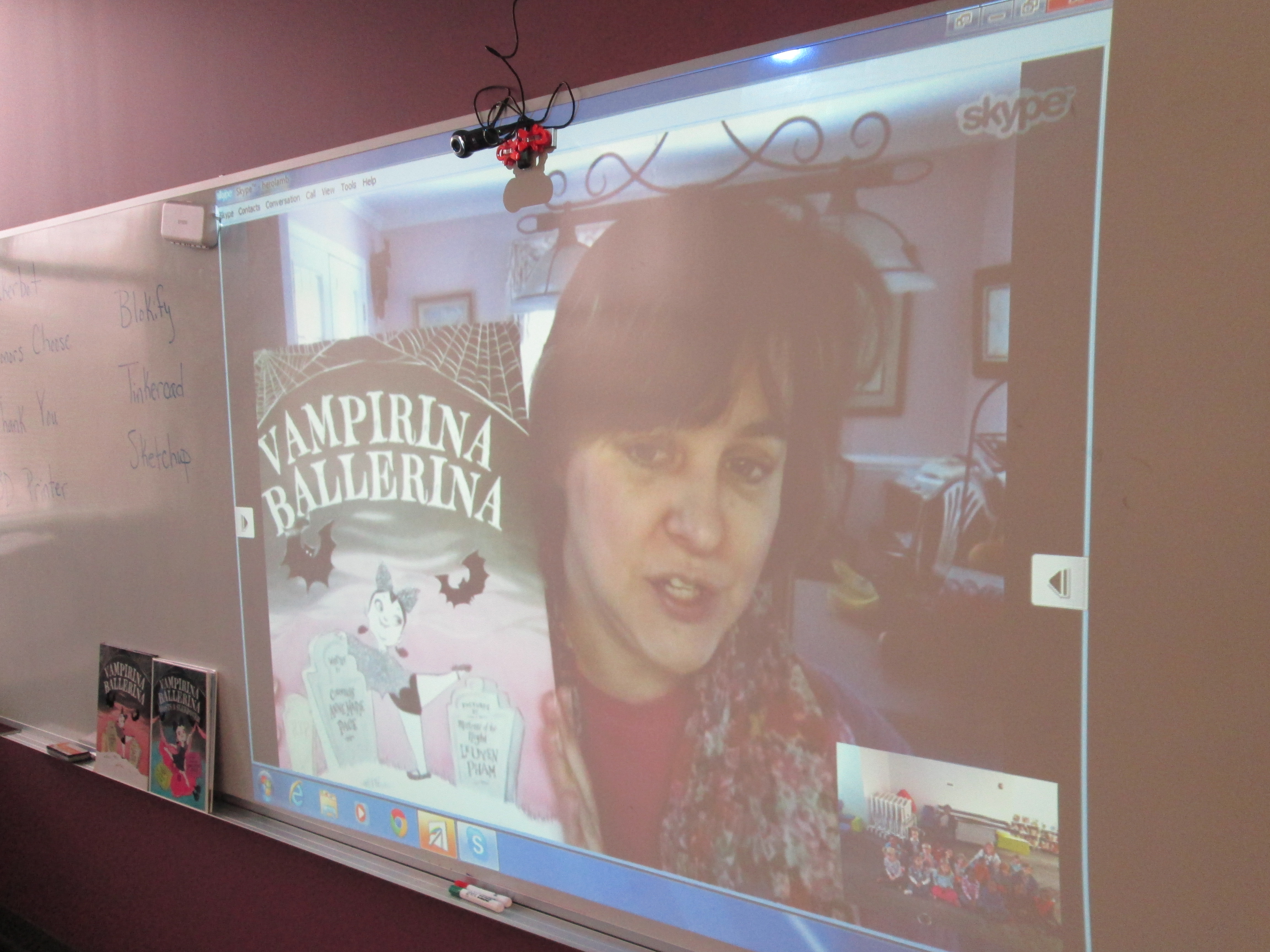
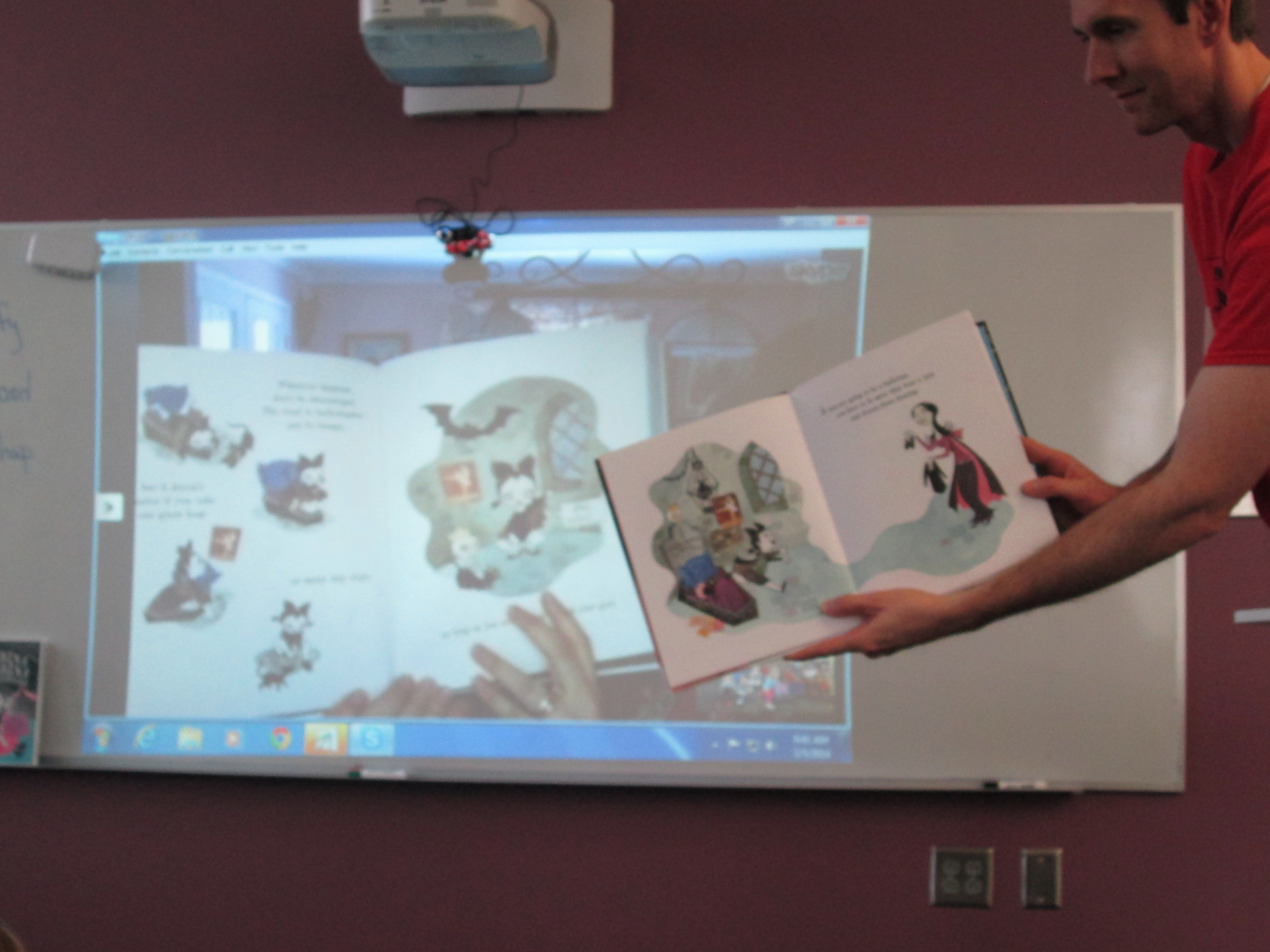
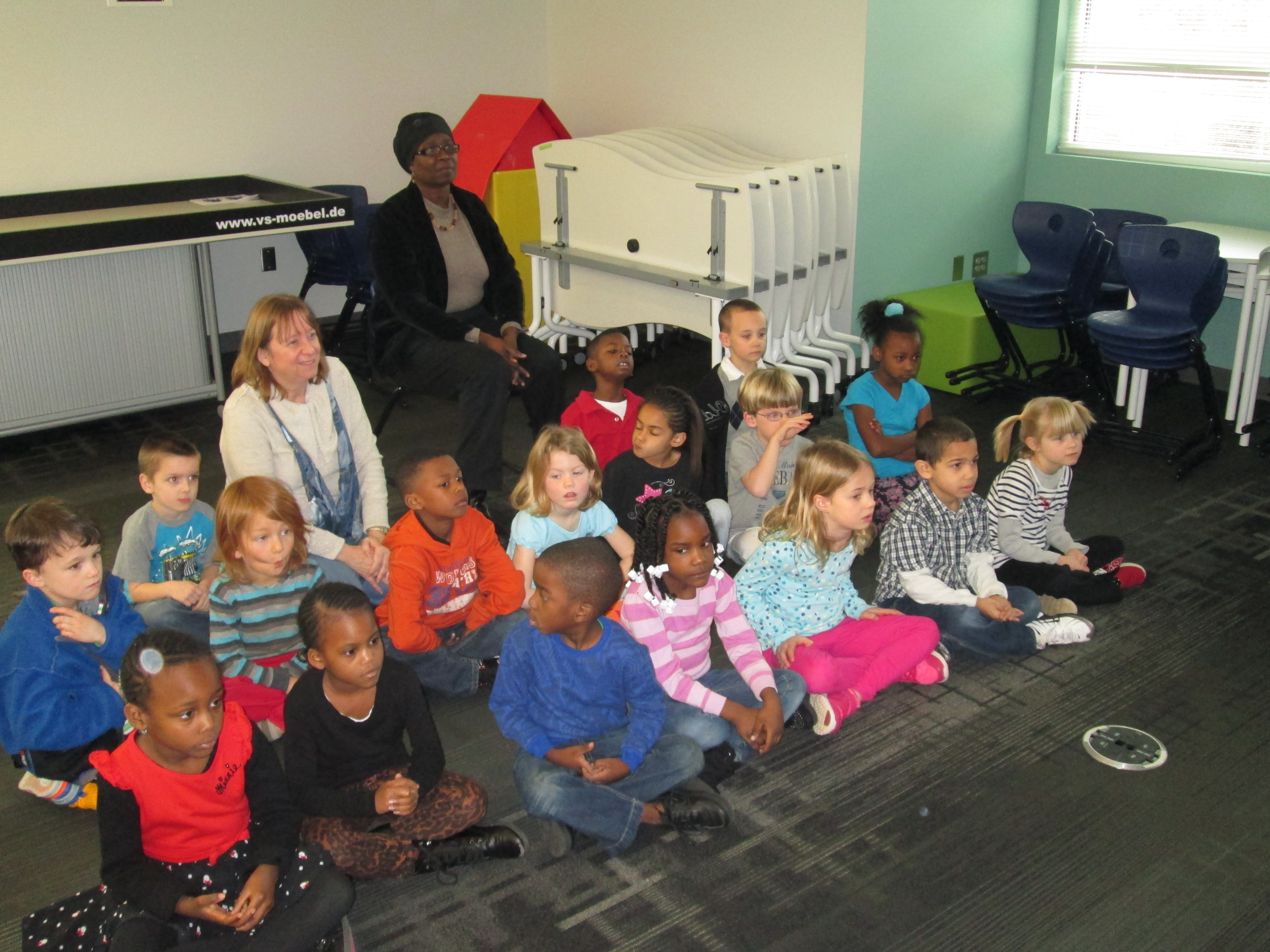
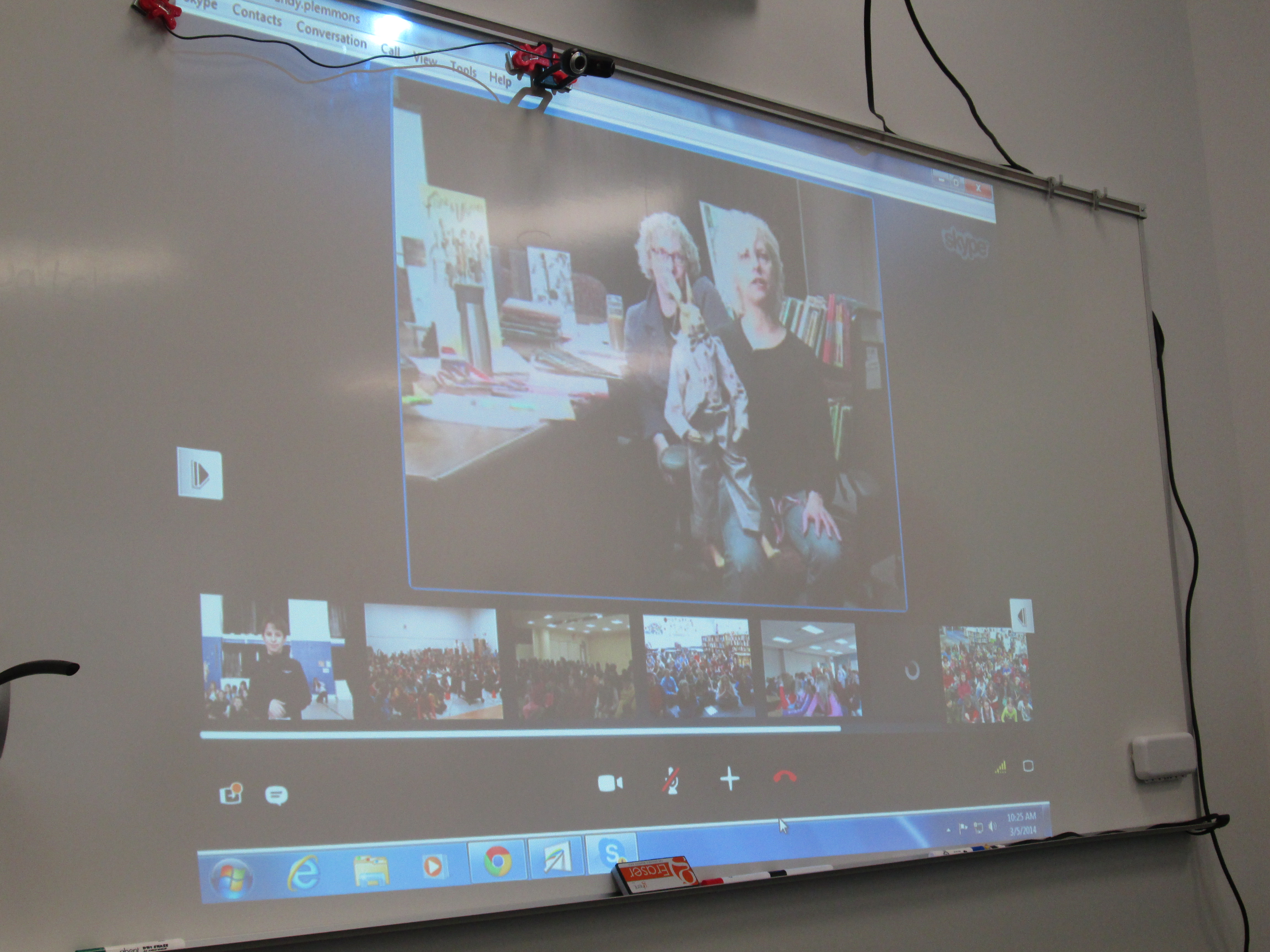
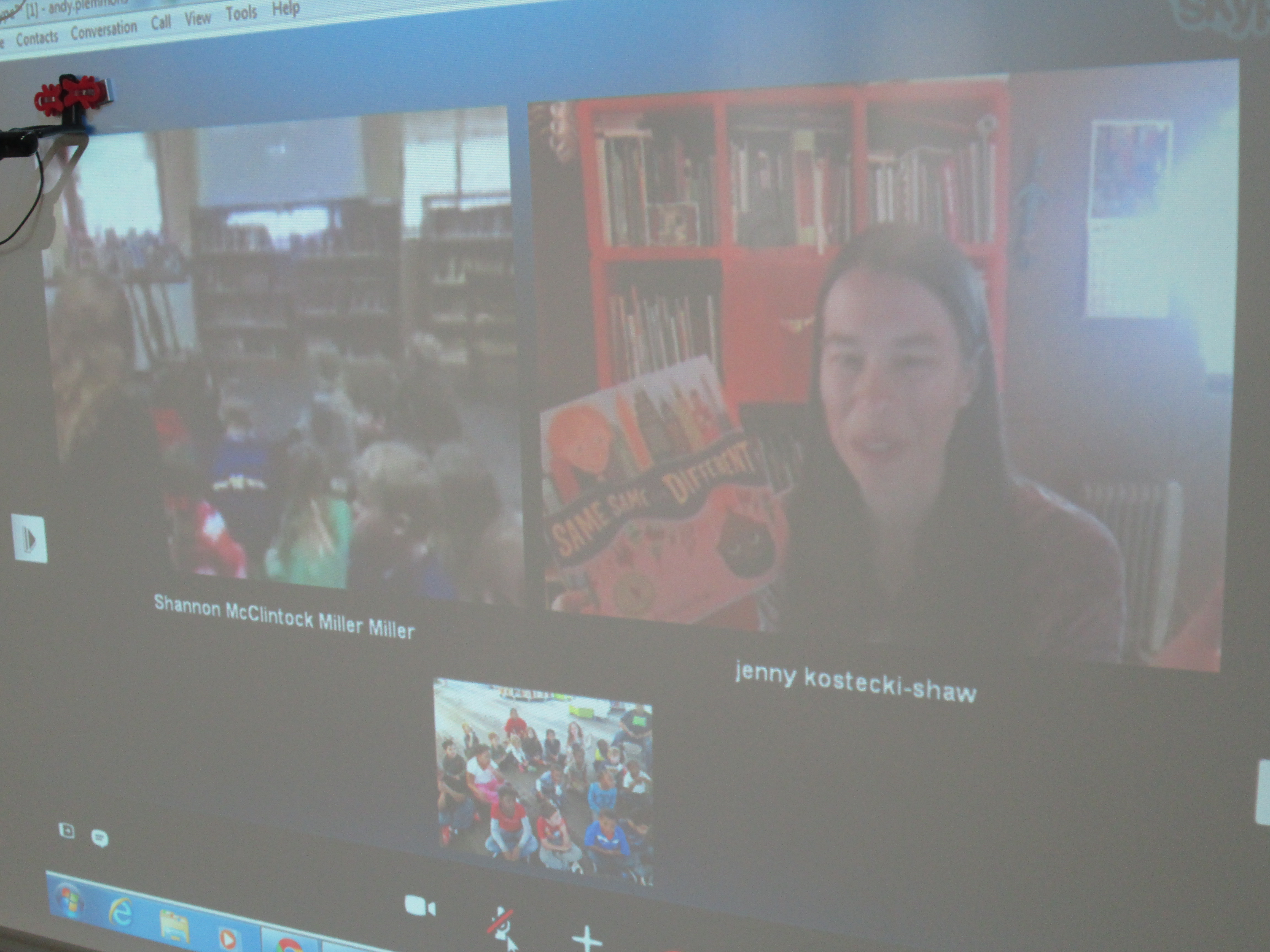
 Kate DiCamillo, National Ambassador for Young People’s Literature and 2-time Newbery winner, says “Stories Connect Us”. In Extra Yarn by Mac Barnett and illustrated by Jon Klassen, all of the characters are connected to one another through strands of yarn as the main character knits sweaters for everything and everyone in sight. In Same, Same but Different by Jenny Sue Kostecki-Shaw, we learn that we really are all connected in the world by common strands of life even if those strands might look a bit different based on our cultures, locations, and beliefs.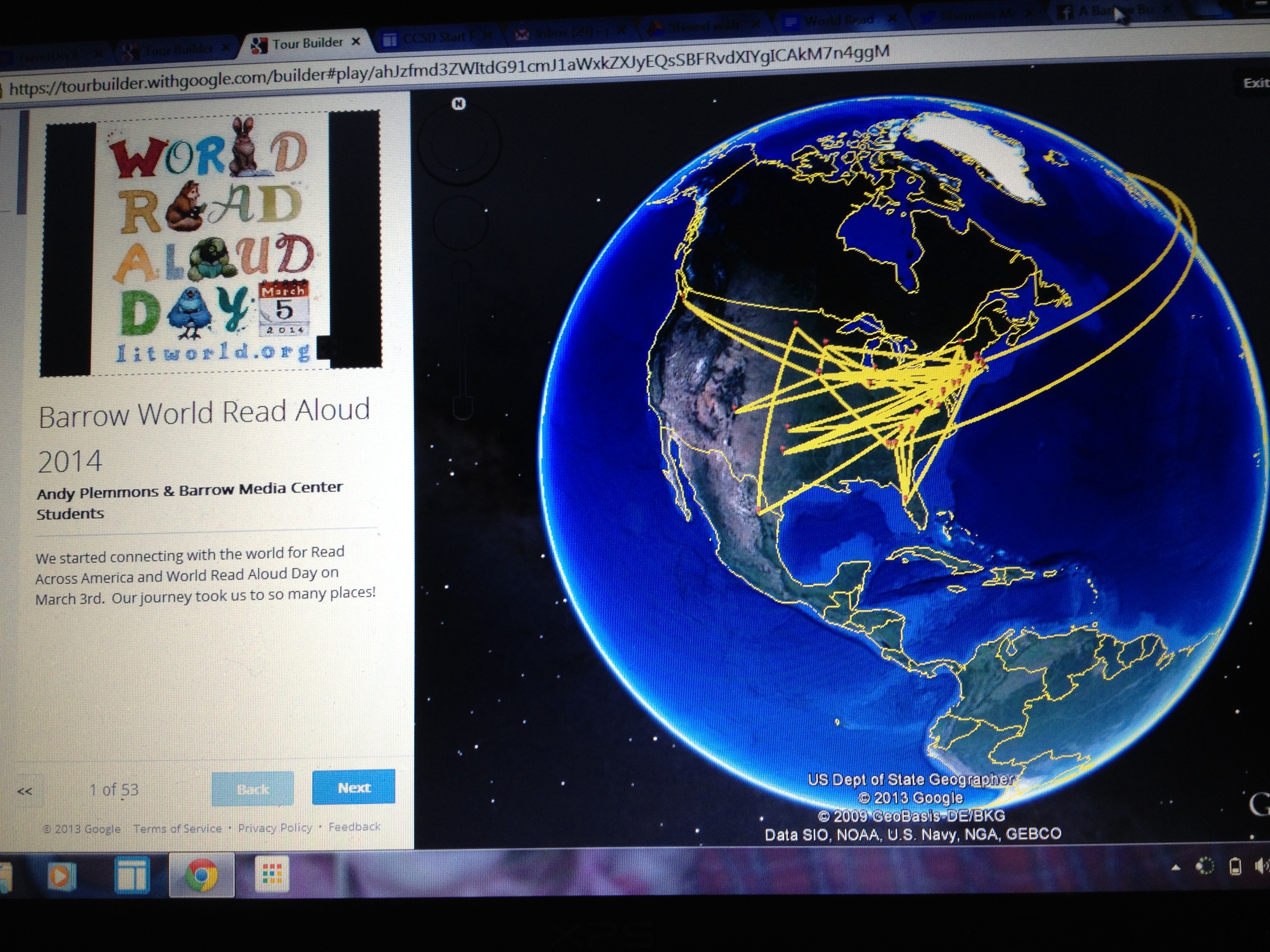






















 Expect the Miraculous