September 11th: A Transliterate Experience

As I’m preparing to present at the School Library Journal  Leadership Summit 2011, I’m thinking a lot about transliteracy and how I can create experiences and opportunities for students to “read, write, and interact across a range of platforms.”
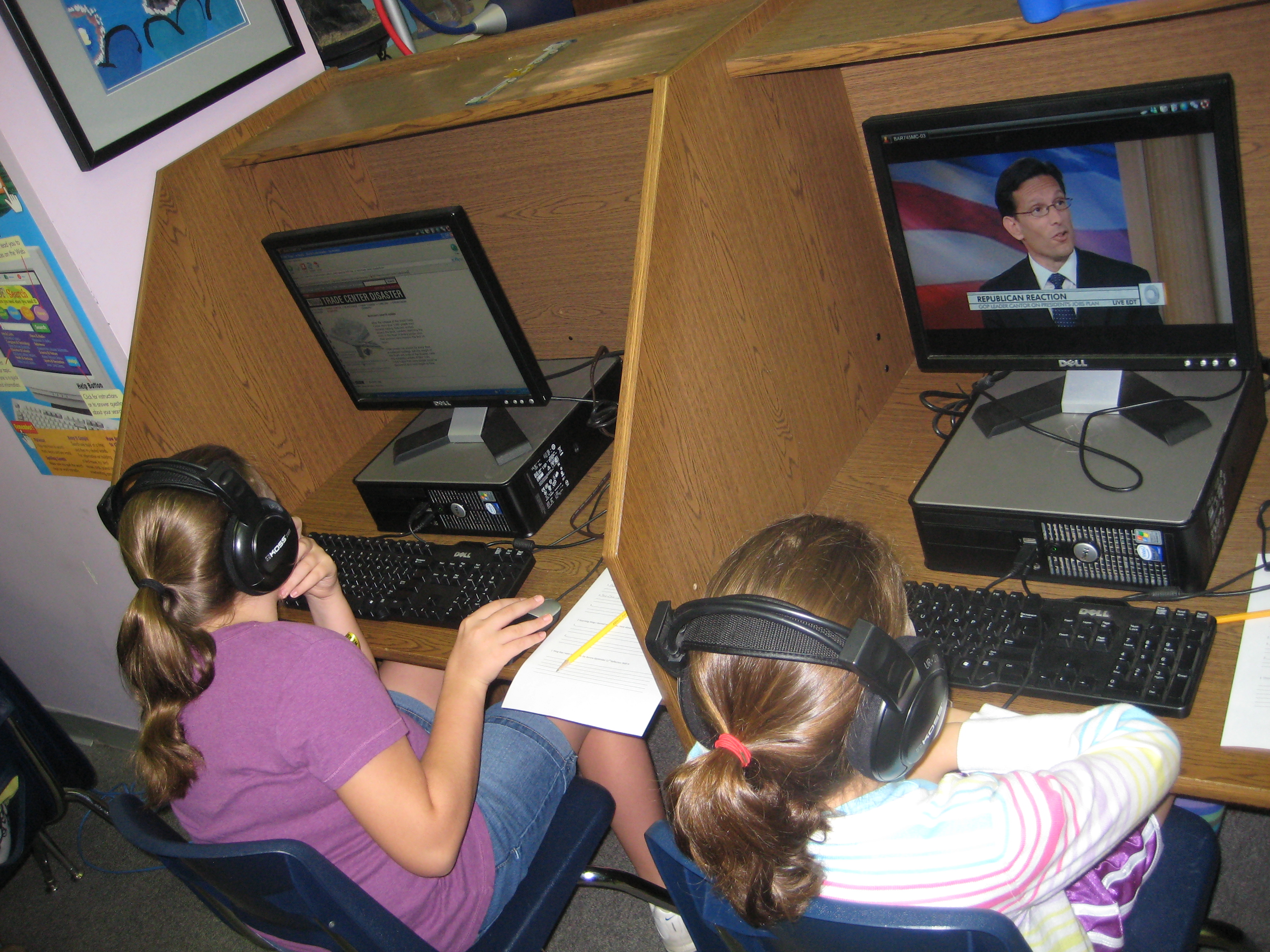
Students watching videos and eyewitness accounts of September 11

Fifth grade approached me a few weeks ago about collaborating on a day of September 11th activities.  Because they are departmentalized this year, they wanted to bring connections to September 11th in each of their classes:  reading, social studies, and math.  The more we planned the more the day came together as a day to experience the events and stories of September 11th in multiple ways in order to create a complete story about the day’s events.

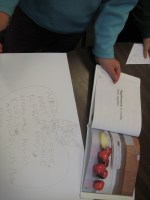
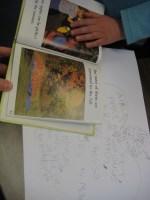
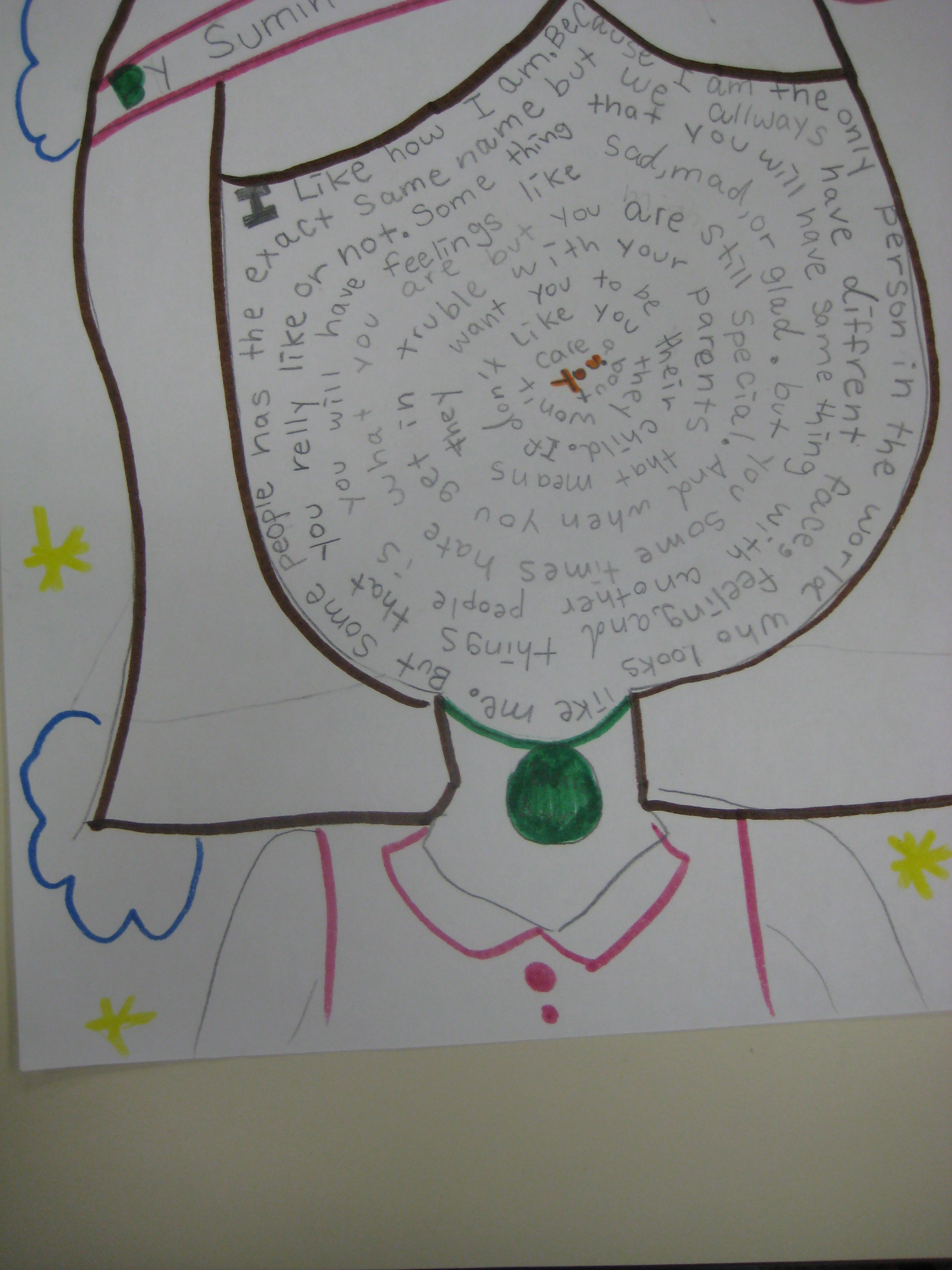
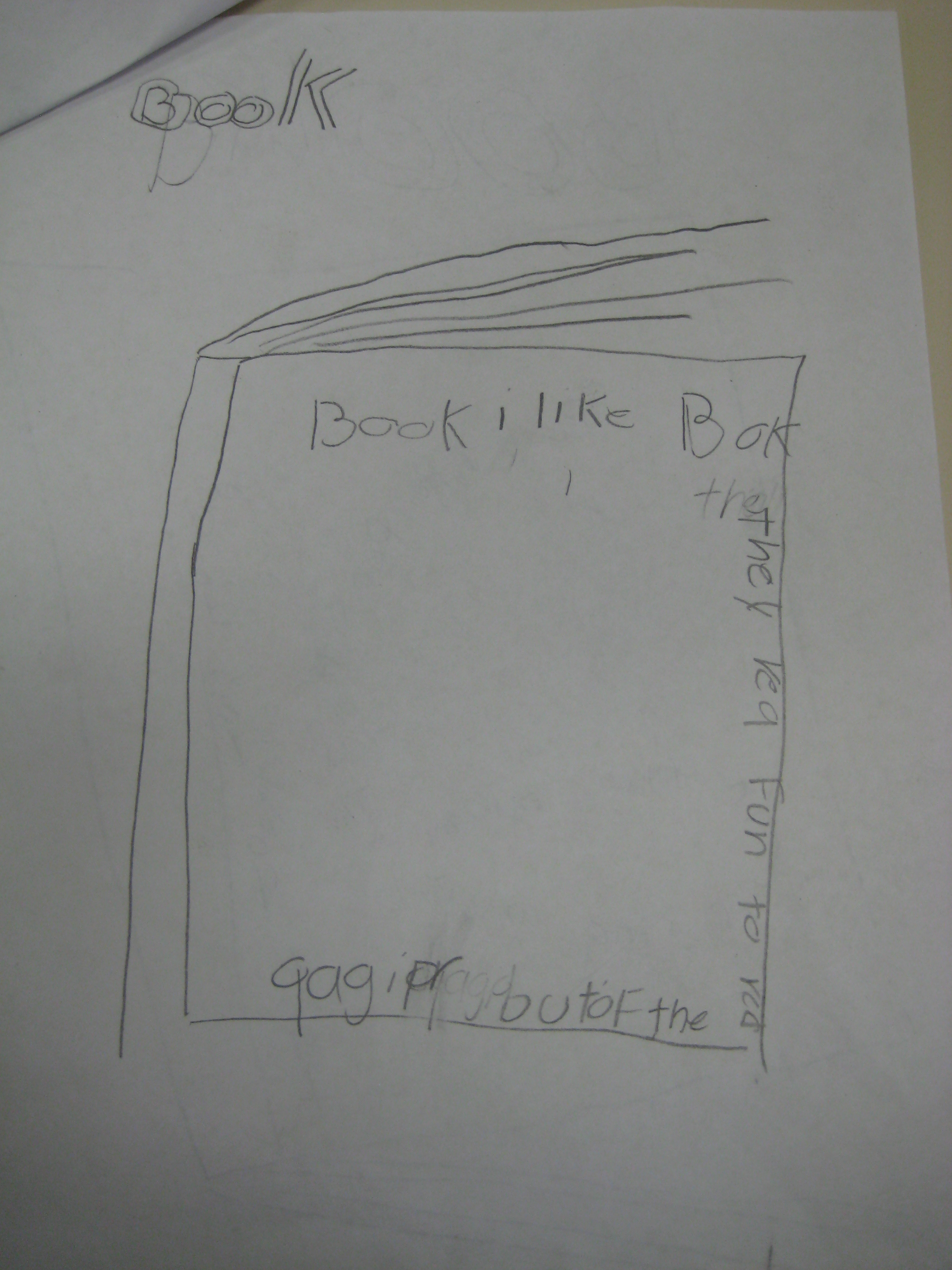
The day started with each student getting a September 11th ribbon to wear throughout the day.  In homerooms, students wrote and illustrated what a hero was to them.

When students rotated to their reading class, they read the book Fireboat by Maira Kalman.  They watched videos of the actual fireboat and had a class discussion about how heroes were found in unexpected places during the events of September 11th.
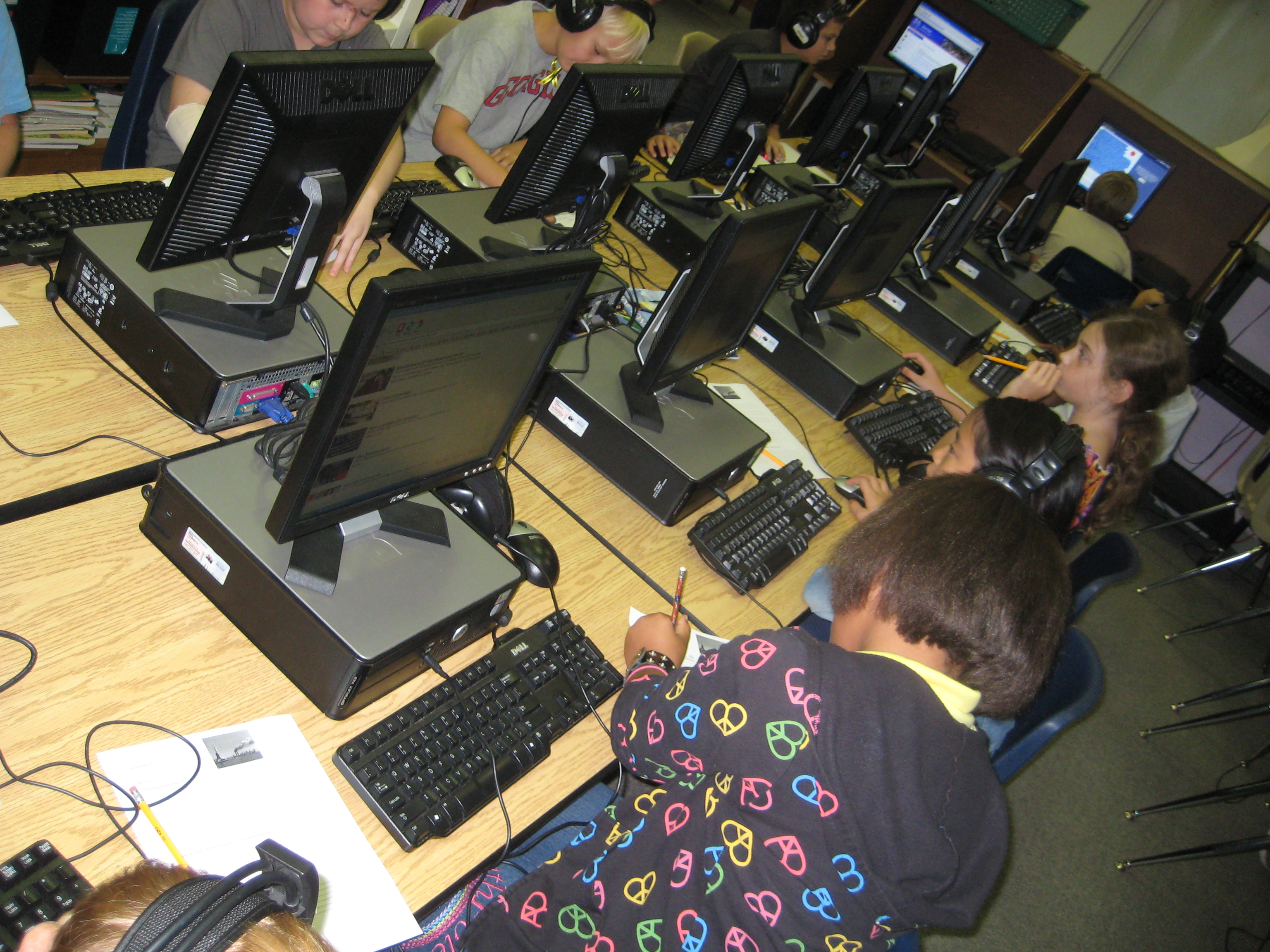
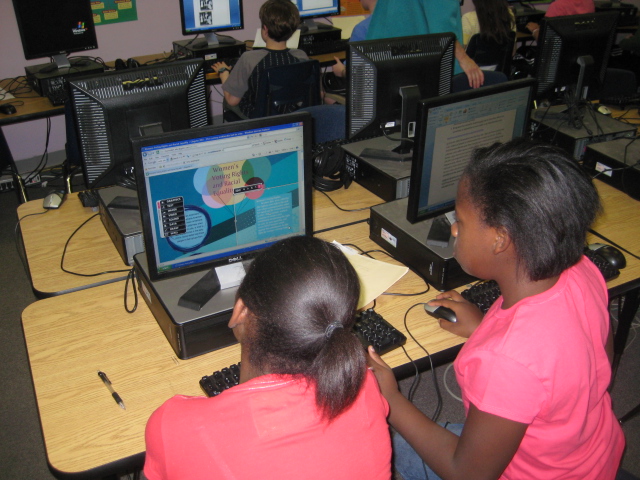
Students exploring interactive websites on September 11

In the media center, we started our time by watching a 2-minute video that overviewed the day’s events.  We read a 3rd grade student reflection from the book Messages to Ground Zero: Children Respond to September 11, 2001 collected by Shelley Harwayne.  Then, students went to the computer lab and used a pathfinder of websites to experience September 11th through videos, interactive timelines, personal accounts, news reports, and more.  Along the way, student wrote down information that they learned about the day.  To close our media center time, students used Wallwisher  to create their own memory wall for September 11th.  Students wrote thank –you’s, prayers, emotions, and other thoughts on our collaborative wall.

At the end of the day, students returned to their writing and illustrations of heroes to see if their thinking had changed in any way after experiencing the day’s lessons.  They also revisited the 5th grade wall to see how it had developed throughout the day.  Reading each 5th grader’s thoughts is a powerful experience and to see all of their thoughts published in one location was a dynamic closing of today’s lessons.

These students were less than one-year-old when September 11th happened.  Their lives are very disconnected with the events of that day.  We wanted today’s experiences to immerse the students in the stories and tragedies of this historic event through multiple kinds of media.  By the end of the day, students had:

  • Viewed recaps of the events of the day
  • Listened to accounts of the day through multiple viewpoints
  • Interacted with timelines and maps
  • Read and viewed news reports
  • Viewed personal videos & eyewitness accounts
  • Read and listened to stories & children’s books inspired by the tragedy
  • Wrote personal thoughts, views, and facts
  • Collaboratively documented their thoughts as a grade level with web 2.0 tools
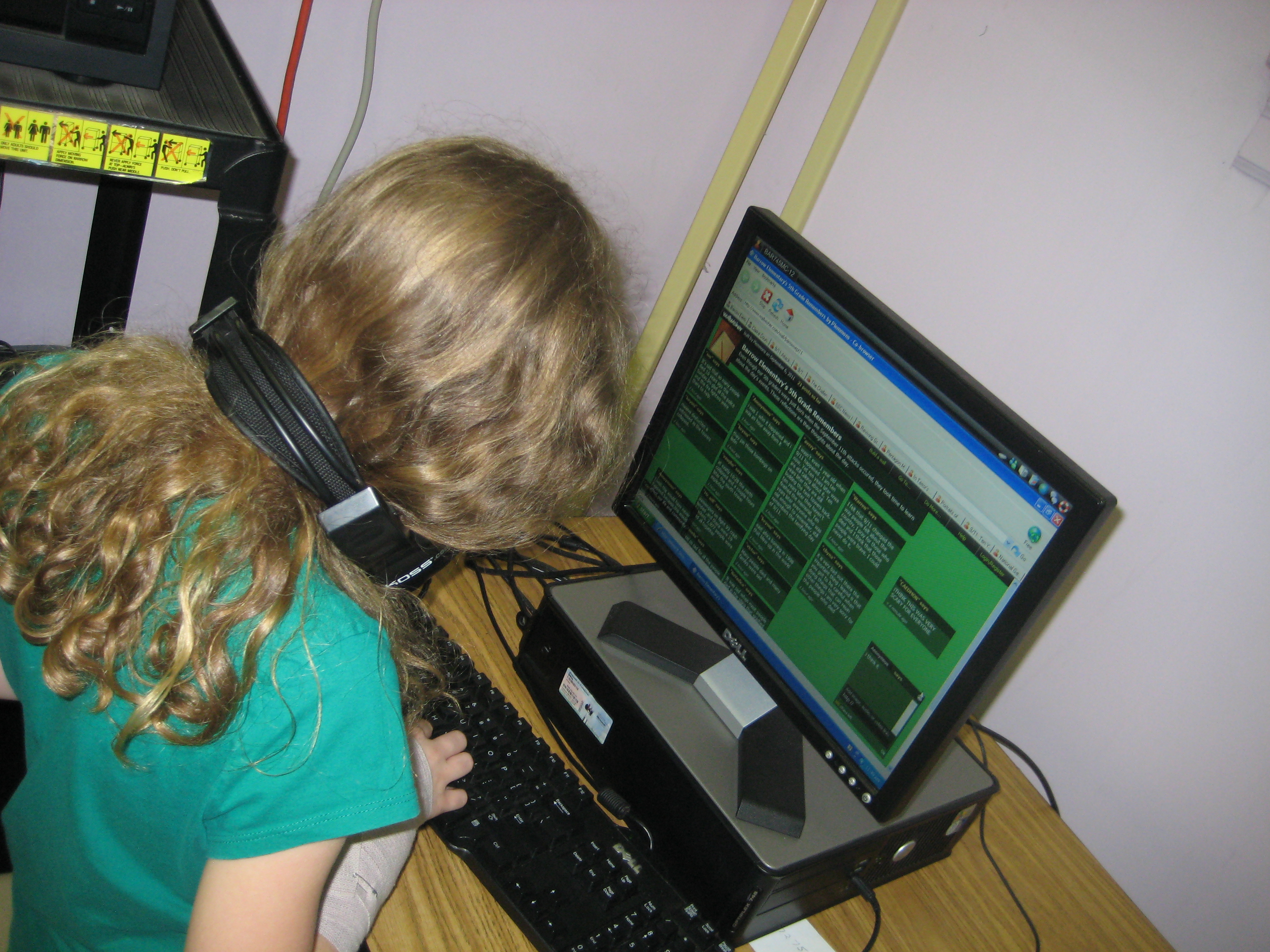
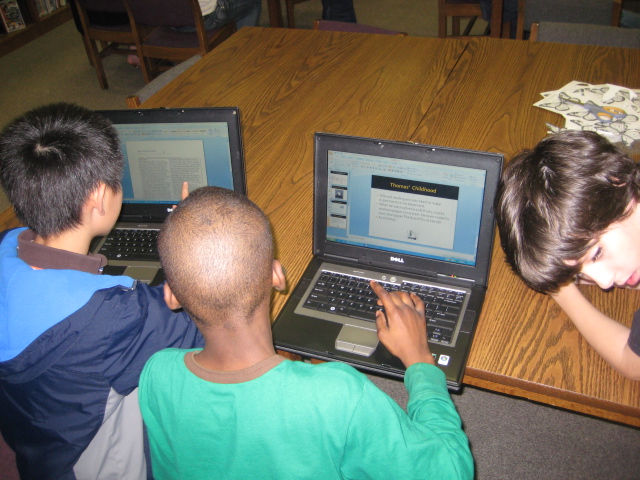
A student types her memory on Wallwisher

As usual, I was amazed at the level of engagement and collaboration as students worked with technology.  At the beginning of the day, we had a big issue with Wallwisher not allowing students to post their messages.  I was frantically trying to figure out the problem, but at the same time students were trying out different things to fix the problem.  It was a student who figured out that the page had to be refreshed before typing a new note because we were all logged in under our school’s generic account.  Because of their willingness to try things out, the rest of the day went very smoothly to capture all students’ reflections on the wall.
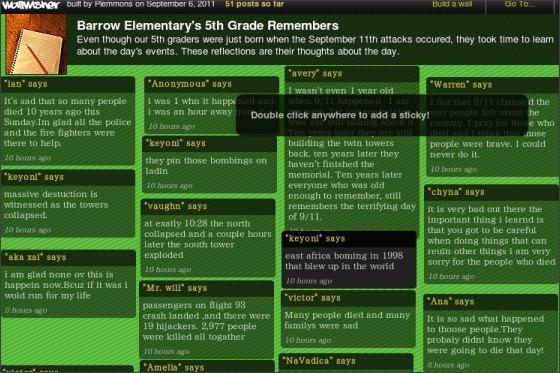
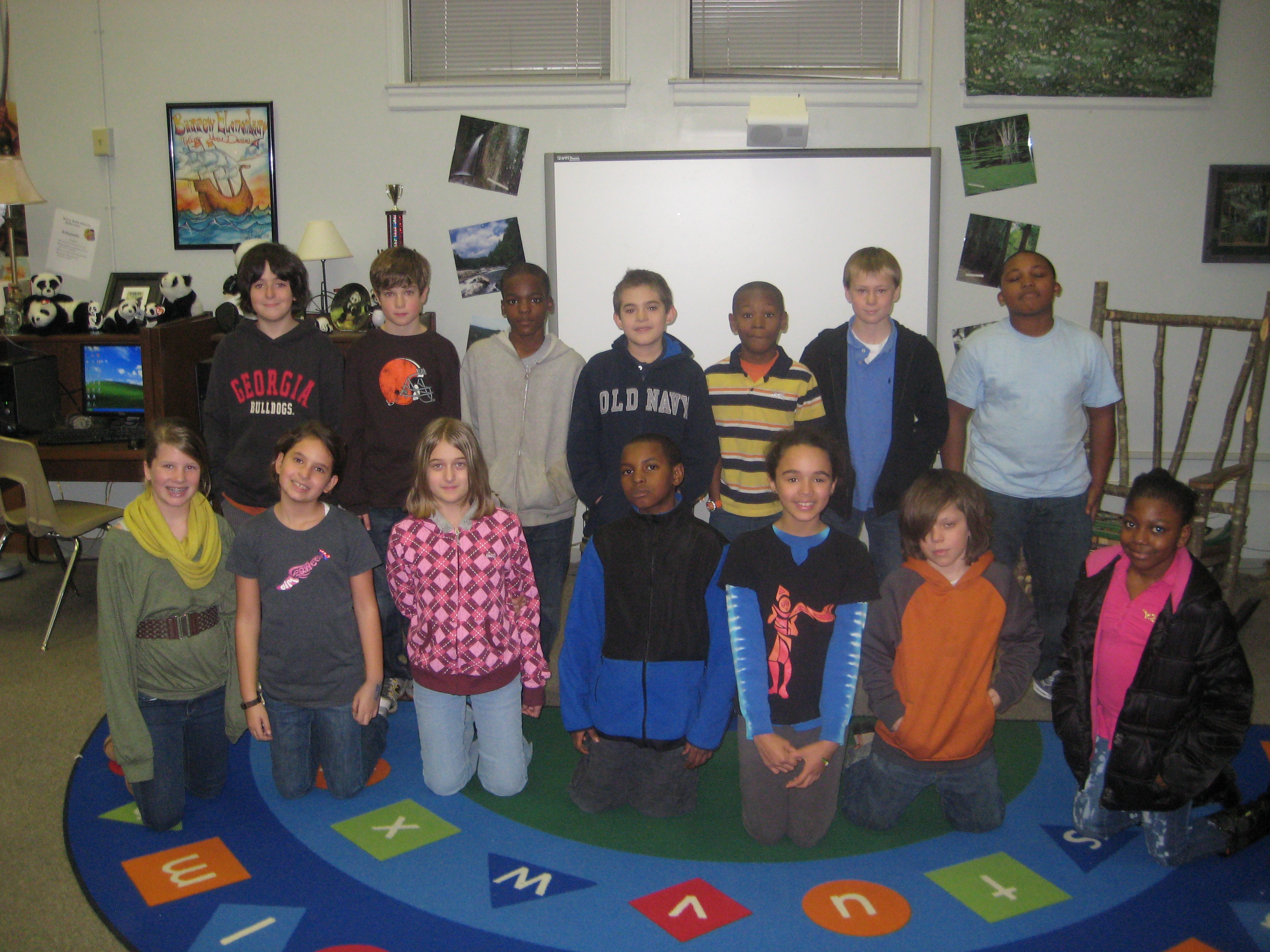
Collaborative memory wall written by Barrow 5th Graders using Wallwisher

The sheer amout of resources for September 11th can be overwhelming, but I can only imagine how the number of resources might grow if this tragedy happened today.  Today, we would have tweets, facebook posts, huge amounts of personal videos, blogs, and more.  We would be able to live this story in a much more diverse way through multiple platforms.  I was impressed at the close of the day by how many platforms students had used to experience this tragic story, and I feel like our students leave us today and head into the weekend with a better understanding of September 11th as they see the memorials and television specials on Sunday.  I invite you to take a moment to visit our 5th grade wall and read students thoughts from today.
Using Poll Everywhere to Craft Poetry « Georgia Library Media Association

Using Poll Everywhere to Craft Poetry « Georgia Library Media Association.

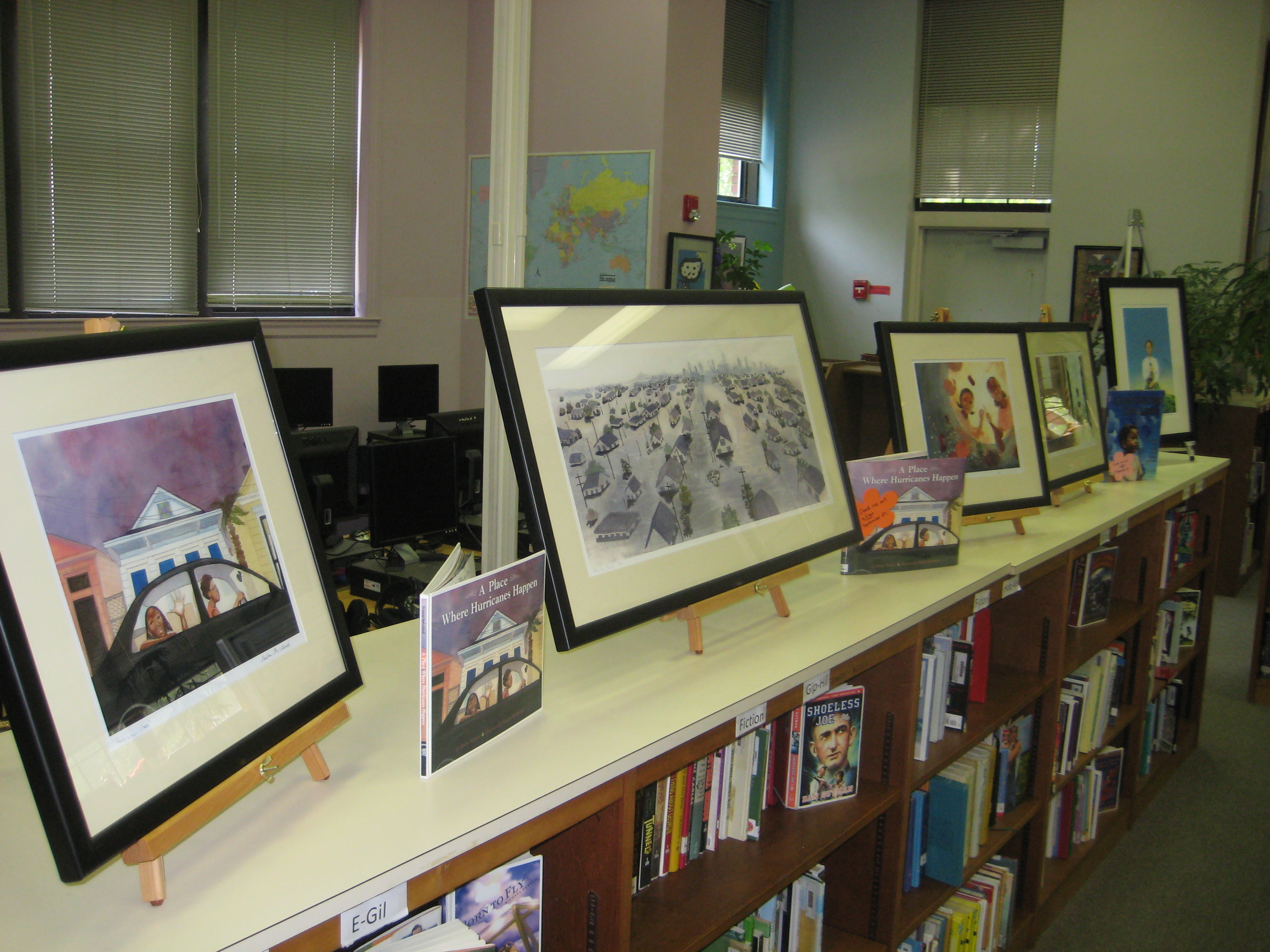
Ashley Bryan Traveling Exhibit of Illustrated Africana Children’s Literature featuring Shadra Strickland

Images on display through September 27th

The Ashley Bryan Traveling Exhibit of Illustrated Africana Children’s Literature is now in our library!  This exhibit is provided through a collaboration between the Auburn Avenue Research Library and the National Black Arts Festival. The display is on the tops of the shelves and features 8 works of art by Shadra Strickland, award-winning children’s illustrator.  The exhibit will be with us until September 27th when Shadra Strickland will visit our school.  To support the exhibit, we have copies of six books that accompany the exhibit, a curriculum guide to inspire lessons using the texts and artwork, and a school-wide subscription to Literacyhead.

From the accompanying curriculum guide:

Ashley Bryan

“A renowned author and illustrator, Ashley Bryan is perhaps best known for his work celebrating the African American experience. In 1962, he was the first African American to be published as both the author and illustrator of a children’s book. Since that time, his work has expanded the catalogue of children’s literature by African Americans and has led the way for other African American authors and illustrators.  Born in Harlem and raised in the Bronx by Jamaican immigrant parents, Bryan always harbored a love of books, art, and music. He recalls writing his first book in kindergarten and never gave up writing and illustrating books until he was finally published at the age of 40. Bryan was a talented and dedicated student, graduating from high school at 16 and attending Cooper Union Art School on a scholarship. After serving in World War II, Bryan attended Columbia University and studied in Europe as a Fulbright Scholar.

Ashley Bryan’s children’s books have won several awards including the Coretta Scott King Award for illustration, six Coretta Scott King Honors, and the Arbuthnot Prize. Bryan’s work is heavily influenced by African American poetry and storytelling. His retellings of African folktales such as Beautiful Blackbird and Beat the Story Drum, Pum-Pum have successfully exposed a wider audience of children to the African oral tradition.”

Shadra Strickland

“Shadra Strickland studied design, illustration, and writing at Syracuse University before earning her MFA at New York’s School of Visual Arts. Her illustrations have received numerous awards including the American Library Association’s John Steptoe Award for New Talent and the Ezra Jack Keats New Illustrator Award as well as an NAACP Image Award and the Ashley Bryan Children’s Literature Award.

Strickland’s illustrations start with real-life images. For her work on Bird, Strickland spent time walking the streets of New York, and her research for A Place Where Hurricanes Happen involved time in New Orleans. Yet, her illustrations, while based in reality, also manage to capture the imaginative worlds that children create.

When not at home in Baltimore where she teaches illustration at the Maryland Institute College of Art, Strickland can be found conducting workshops across the country with children, teachers, and librarians.”

Throughout the next month, students will be coming to the library to view the exhibit and participate in a variety of lessons exploring the illustrations and text.

Some possible lessons that students may experience:

1.        Where I’m From:  Read aloud one of Shadra’s books.  Discuss how the words and images help us learn more about the characters in the story.  Examine one piece of artwork from the exhibit that is from the picture book and use the picture to think about what the character might write in a “Where I’m From” poem.  At the end, students can either craft a poem from the character’s perspective as a class using Poll Everywhere in the computer lab or students can write individual poems

2.       Connections:  Students will examine two pieces of artwork from Shadra’s exhibit and compare and contrast the two images using a venn diagram on the smart board.  Following this, we will read aloud one of her books and continue looking at how the images have connections to one another.  At the end, students will have time to examine all the pieces in the exhibit and write a response on an index card about connections they saw between the artwork.

3.       Text to Self Connections:  Examine a piece of art from the exhibit.  Have a conversation around a series of questions as a whole group and with partners that build connection between the art and the students.  Read aloud one of Shadra’s books and continue the conversation of connections.  View the remainder of the exhibit and see if any of the other paintings have a connection to you.  At the end, students write a response on an index card about a connection they had to the artwork.

4.       Response to Literature:  Read aloud one of Shadra’s books and examine the artwork from that book.  Ask a guiding question that would build student response about the book.  For example, in the book Bird, how is Bird like a bird?  Students write a response in relation to the question.  This could also be done as a more open response to the book in a book review format.  In the computer lab, students could type their response into Tagxedo and print a visual interpretation of their response.

5.       Read Alouds:  

a.       White Water:  Inspired by the author’s own childhood experiences, White Water tells the story of Michael,a little boy growing up under Jim Crow laws. He and his grandmother must give up their seats on the bus for a white family and must drink from the “colored” water fountain.Michael begins to dream about the “white” water, and devises a plan to get a taste of it, but Michael soon learns that many things he has been lead to believe are simply untrue.

b.       Bird:  Mekhai, nicknamed Bird, is struggling to deal with the changes in his life. He grandfather has recently passed away and his older brother has been lost to drug addiction. Fortunately for Bird, he has the love and support of his grandfather’s friend, Uncle Son, and a passion for drawing that help him to make sense of the world in this difficult time.

c.       A Place Where Hurricanes Happen: Adrienne, Keesha, Michael, and Tommy all live in New Orleans prior to the arrival of Hurricane Katrina. This story follows the events of Katrina as seen through the eyes of the four children, all of whom experience the tragedy of the hurricane in different ways. Ultimately, the book is a hopeful reminder that even in the face of devastation and loss, the human spirit is resilient.

d.      Our Children Can Soar:  Each spread highlights key figures in African American history including George Washington Carver, Jesse Owens, Hattie McDaniel, Ella Fitzgerald, Jackie Robinson, Rosa Parks, Ruby Bridges, Martin Luther King Jr., Thurgood Marshall and Barack Obama.

If you are in the Athens area during the next month, we invite you to stop in and see the exhibit.  For more information or to let us know you’re coming by, email Mr. Plemmons at plemmonsa@clarke.k12.ga.us

This slideshow requires JavaScript.

Young Imagineers Digital Workshop

For the past few months, I’ve been working with 20 second graders on a project using Glogster.  These spectrum students have been studying inventions and have taken existing inventions that could be improved upon or invented their own creations.  As part of their study, they talked about costs, benefits, risks, and more.

None of these students had used Glogster before, so I started them out with a brief overview of what Glogster could do.  Then, as I’ve done in other projects, I let them explore.  As students had questions, they were more comfortable asking one of the adults (myself, Ms. Hicks, and Ms. Saxon).  Over time though, we pushed them to begin asking each other questions and sharing expertise with one another.  Students discovered things such as:

  • how to capture audio with a microphone and embed it on their glogster
  • how to use a webcam at home to video themselves talking about what was on their glogster
  • how to search Schooltube and embed a video
  • how to create a photostory and upload it
  • how to scan images of their invention and upload it or use it in a photostory

Each time a student learned something, the other students immediately wanted to do that too.  It was another great example of the power of students collaborating with one another and taking risks in their learning by diving into the unknown and figuring things out.  These students will now go into 3rd grade with a better understanding of how this tool works.  I just finished collaborating with the 3rd grade team and the art teacher on a project that will call upon these students as the experts who will teach the other students in their grade level how glogster works when this project launches next year.

I invite you to check out their work on the Spectrum Webpage.

First Grade Botanists

A first grade class has been studying plants and practicing being botanists with their student teacher.  Over the past few weeks, they’ve worked on a Photo Story of their learning.  They invite you to take a look at what they’ve done.

PreK Shape Poetry

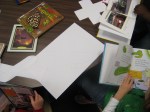
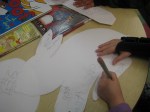
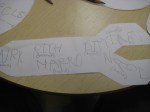
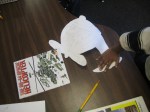
Today was lesson 2 in a 3-part collaboration with Ms. Spurgeon’s PreK class.  Last week, we read multiple examples of shape poems and wrote a model poem as a class.  Today, students focused on writing their own poems.  To prepare, Ms. Spurgeon and her parapro, Ms. Melissa, drew large shapes for each student and cut them out.  These shapes were the symbols that each student uses in class to label various belongings.  Each symbol has come to have special meaning to each student.  I pulled nonfiction and fiction books related to each symbol so that students could reference the books for words to put inside their shapes.

I opened today’s lesson by reading a poem from Joyce Sidman’s Meow, Ruff: A story in concrete poetry.  I used this as a reminder to students that the words that go inside the shape must somehow represent the shape.  Ms. Spurgeon and I found that it was a common mistake for students to want to put whatever words were in their heads instead of focusing on their shape.  She reiterated my opening by sharing a poem that she wrote about chocolate and reminding students that all of her lines were about chocolate.

Next, students each received the books about their symbol and proceeded to 3 work spaces where the pre-cut symbols were already out at chairs.  Ms. Spurgeon, Ms. Melissa, and I each went to these areas and sat with students as they worked.  Students began by looking through their books for ideas from the pictures or reading the words with adult assistance.  As they decided on words, students sounded out words and wrote their words inside the shapes with their best handwriting and spelling.  Next, students read their lines to an adult and the adult wrote the correct spelling of each word in parentheses.

Ms. Spurgeon will continue this lesson by giving students time to finish their poem and add color to it.  They will also practice reading their poems before part 3.  The last part of this collaboration will be recording each student reading his/her poem on camera and sharing those videos on Teacher Tube.

I was surprised by how helpful having books about their symbols was for the students.  Many got ideas from the pictures and several even used direct words from the text.  For example, one girl wrote a poem about rabbits.  In the picture, she got so excited when she saw that the rabbit’s ears were going down.  This turned into a line in her poem that was actually written on the rabbit’s ear.  Another student read her books about apples with Ms. Melissa.  She took facts such as “apples can be made into applesauce” and “apples are mostly harvested in the fall” and used pieces of those lines in her apple shape.

I’ll be sharing more about our media center’s support of poetry writing in the coming days and weeks.

Poetry Lessons 2011

Poetry Month is already in full swing in the Barrow Media Center even though it’s still March.  I’ve found that April gets shortened due to testing, so we start celebrating poetry early.  Classes at every grade level are signing up for various kinds of lessons from now through April.  Some lessons are done in a single session while others span 3-4 lessons.  Here are some of the lessons coming up:

  • Overview of multiple kinds of poetry
  • Book spine poems
  • List poetry
  • Shape poetry
  • Poetry and photography
  • Joyce Sidman poet study
  • Animoto and Photo Story poems

Yesterday, Mrs. Yawn’s class came to learn about many kinds of poetry and we explored a list poem together.  After using poems from the book Falling Down the Page collected by Georgia Heard, students wrote  a list poem together.  Every student thought of an object that was in their pouch in the classroom (the place where they keep their stuff), and they shared their line with a partner in order to give each other feedback to make the line more descriptive.  Then, I went around to every student and typed their line into a poem that we then read together.  I printed a copy for the class and a copy to display in the media center.

In PreK, Ms. Spurgeon and I are studying shape poetry with her class.  We explored many examples of shape poems in books such as A Poke in the I, A Curious Collection of Cats, and Doodle Dandies. Then we wrote a shape poem together about a flower.  Next, I’m going to their classroom to lead a writing

workshop where they will write their own shape poems.  Each student has a symbol that represents them that is used to label things in the classroom.  Each student will write a shape poem about their symbol.  Ms. Spurgeon is preparing chart paper with symbols already drawn on them, and I’m gathering nonfiction books that are about each student’s symbol.  These books will be a source for gathering words about the symbols.  On writing day, Ms. Spurgeon, the paraprofessional, parent volunteers, and I will sit with students to conference and assist as they write.

Finally, we’ve just kicked off our poetry contest.  Every student in the school is invited to submit a poem and prizes will be awarded in PreK-1st grade, 2nd-3rd grade, and 4th-5th grade.  Poems can be any form, can be short or long, and must be original.  Students can submit poems in any format:  a piece a paper, on a napkin, a digital file in my drop box, or anything else they can think of.

I’ll be sharing more about poetry in the media center over the next month.  If you have great things going on in your own library, or if you have a poem to share, feel free to leave a comment.

Stitching Stars Storytellers

As part of enrichment clusters this semester, I am working with a group of 9 kindergarten and first grade students to learn how to become storytellers.  This group has been fun, but it has come with many challenges as well.  Since most of these students are learning to read, they are unable to independently read most picture books or folktales.  They also began as a very shy group that was soft-spoken and quiet.

Here are some things that we have tried:

  • Watching videos of rambler storytellers from the Wren’s Nest and commenting on what we noticed that the storyteller did.
  • Listening to stories read aloud and discussing the kinds of expression that was used.
  • “Reading” a wordless picture book together very slowly and with great detail, and then working with partners to read other wordless books.
  • Modeling partner reading using Mo Willems’s Elephant and Piggie books and then practicing with a partner
  • Kim James from the Athens Public Library did a lap puppet show and an oral story with the students and then offered feedback as students practiced their own wordless picture book stories.

With all of these pieces, students are gaining confidence, and I’m noticing that they are developing their imagination, expression, and volume.  In the coming weeks, we will practice listening to stories and drawing pictures that will be cues to help us tell the stories.  In the end, the students have a goal of each telling a story at our enrichment fair in May.  Wish us luck!


This slideshow requires JavaScript.

Bigger, Better, Faster: Our Changing Nation

This week me and three fifth grade teachers are working with about 60 5th graders in the media center as they create final products for the Bigger, Better, Faster unit.  Students have spent several weeks researching their topics using a variety of print materials and online resources, including multiple websites and Galileo.  Students have also created their own united streaming accounts and watched videos about their topics.  Now students are working to create their final products using a variety of digital resources.  Most students have chosen to do Glogsters or Power Points, and a few have opted to make Animotos that they will link in their other products.  We explored Creative Commons as a resource for finding images to include in products, and students got to work creating.

This was my first venture into Glogster, and while it hasn’t been a perfect experience, I’ve been amazed at what the students have figured out how to do by just going in and exploring.  I showed them Glogster as one option for their final products, but I did not go into great detail about how to use it.  Students quickly figured out the features of the tool and began sharing it with one another.  The most frustrating thing for them so far has been that the free basic educator account does not allow them to upload files.  I’ve temporarily fixed that by subscribing to a one-month trial of the premium account so that we can see how well we actually like using Glogster.  

All in all, using tools like Glogster to create a final product has been a motivating experience for most students.  Instead of creating tri-boards and paper brochures and posters, they are creating digital content that can be easily shared with a winder audience.  They have worked collaboratively in groups of 3, and we’ve seen that each student is bringing his or her strengths to the groups.  I’ve stood in awe as I’ve watched one student pull up a double entry journal from the research phase of the project, which contains both quotes directly from the source and information in student words, while the other students had the final product pulled up to input the information.  I’ve watched students split themselves between 3 computers to do individual work, email their work to one another, and then find ways of putting it all together.  It has just reaffirmed the power of doing initial instruction and then giving students a space to create, at which point the teachers and media specialist become facilitators and supporters of learners as students need guidance or run into barriers.

I’ll spend the next 3 days working with these students to finish their products, but in the meantime, you can enjoy some of the early versions of their work and see how they progress.

Glogster 1

Glogster 2

Glogster 3

Becoming Blind

Students in Mrs. Slongo’s ELT class became blind last week, but not like you might think.  For the past two years, Mrs. Slongo has taken her 5th grade class on a journey of exploration and empathy through blind sculptor Michael Naranjo’s work.  Students watch a YouTube video about his work and philosophy.  Then, students are blindfolded and given a lump of clay to sculpt what they picture in their mind.  Last year students wrote letters to Naranjo and sent them to him, but this year Mrs. Slongo wanted the letters to be in a format that was more connected to Naranjo.  After students wrote letters about their experiences “being blind” and how they were inspired by his work, students came to the media center to record their letters using Audacity. Their work will be burned onto a CD and taken to one of Naranjo’s art exhibits that Mrs. Slongo’s sister will be attending.  It was so inspiring to listen to these 5th grade students share how they were inspired by Naranjo’s passion to keep doing what he loves even though he can’t “see” his work.

You can listen to each students’ letter here.