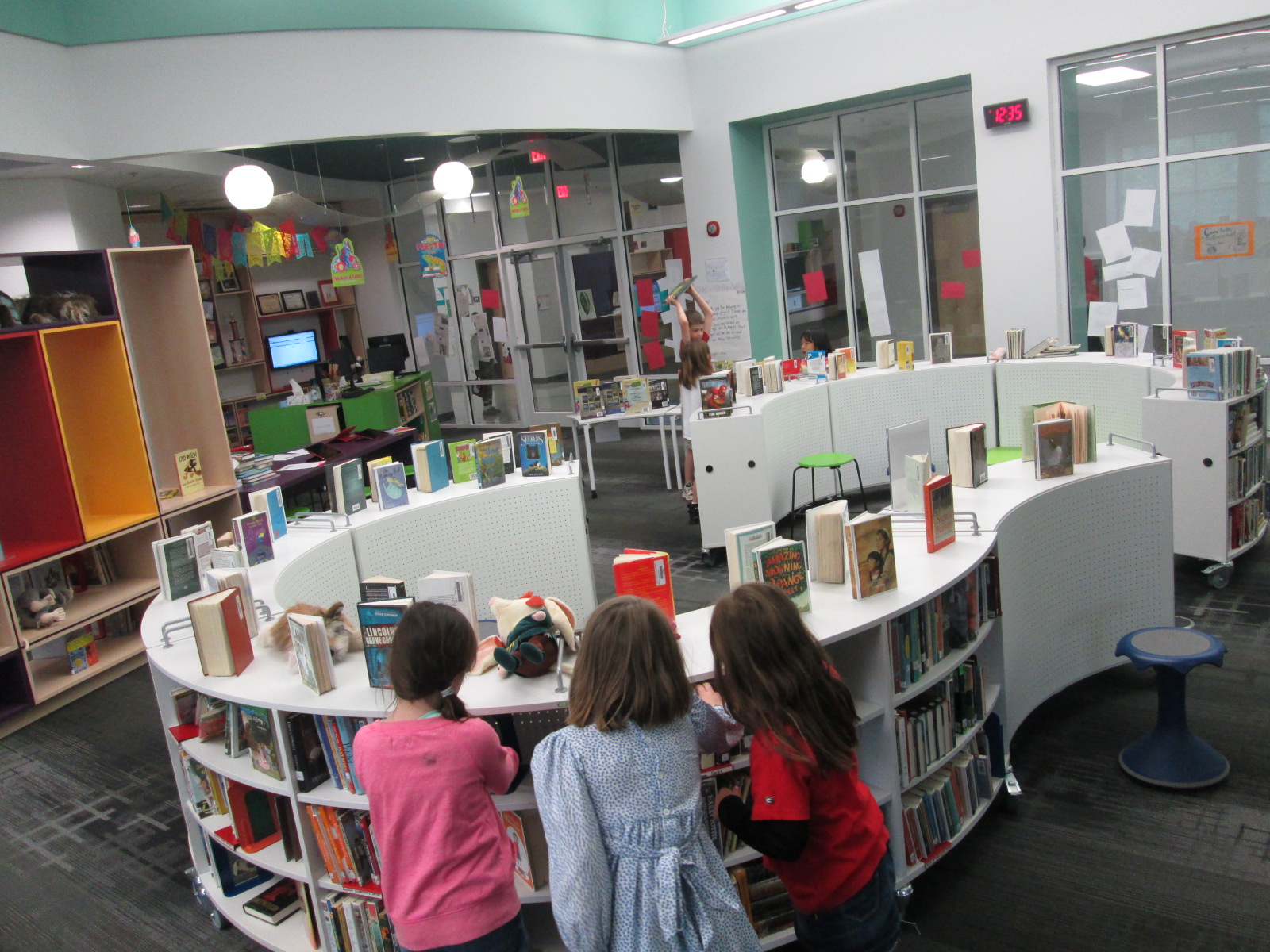
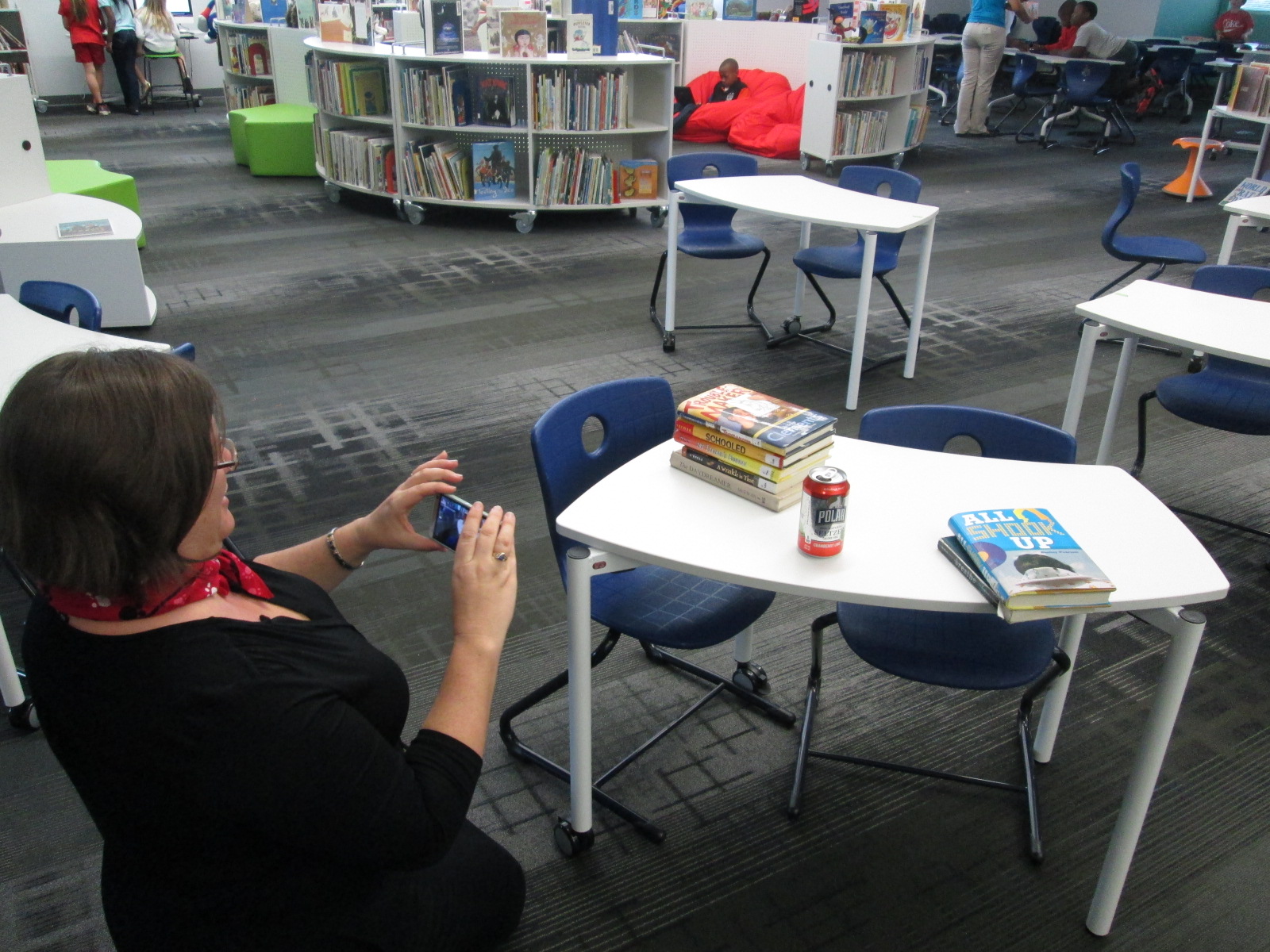
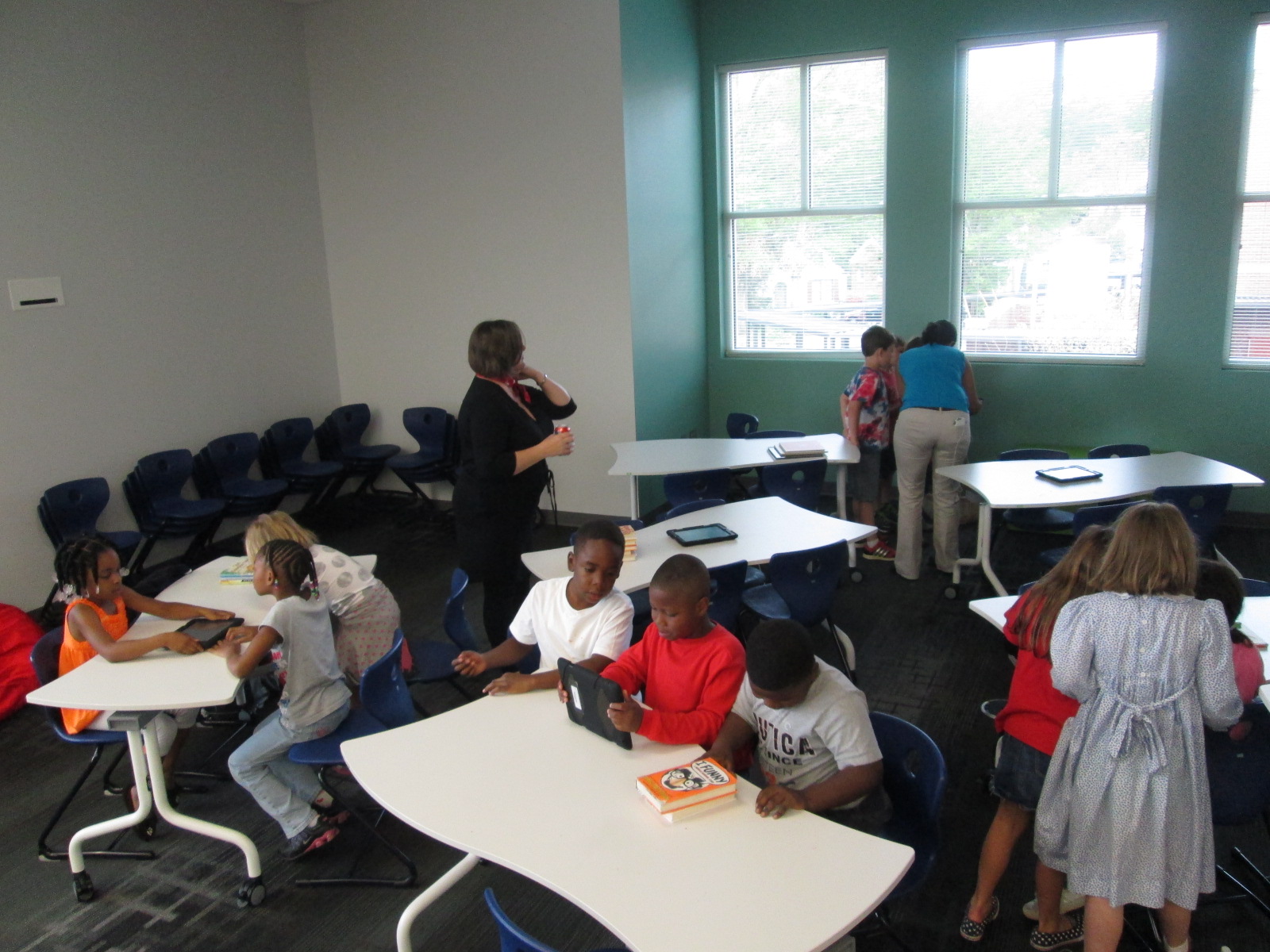
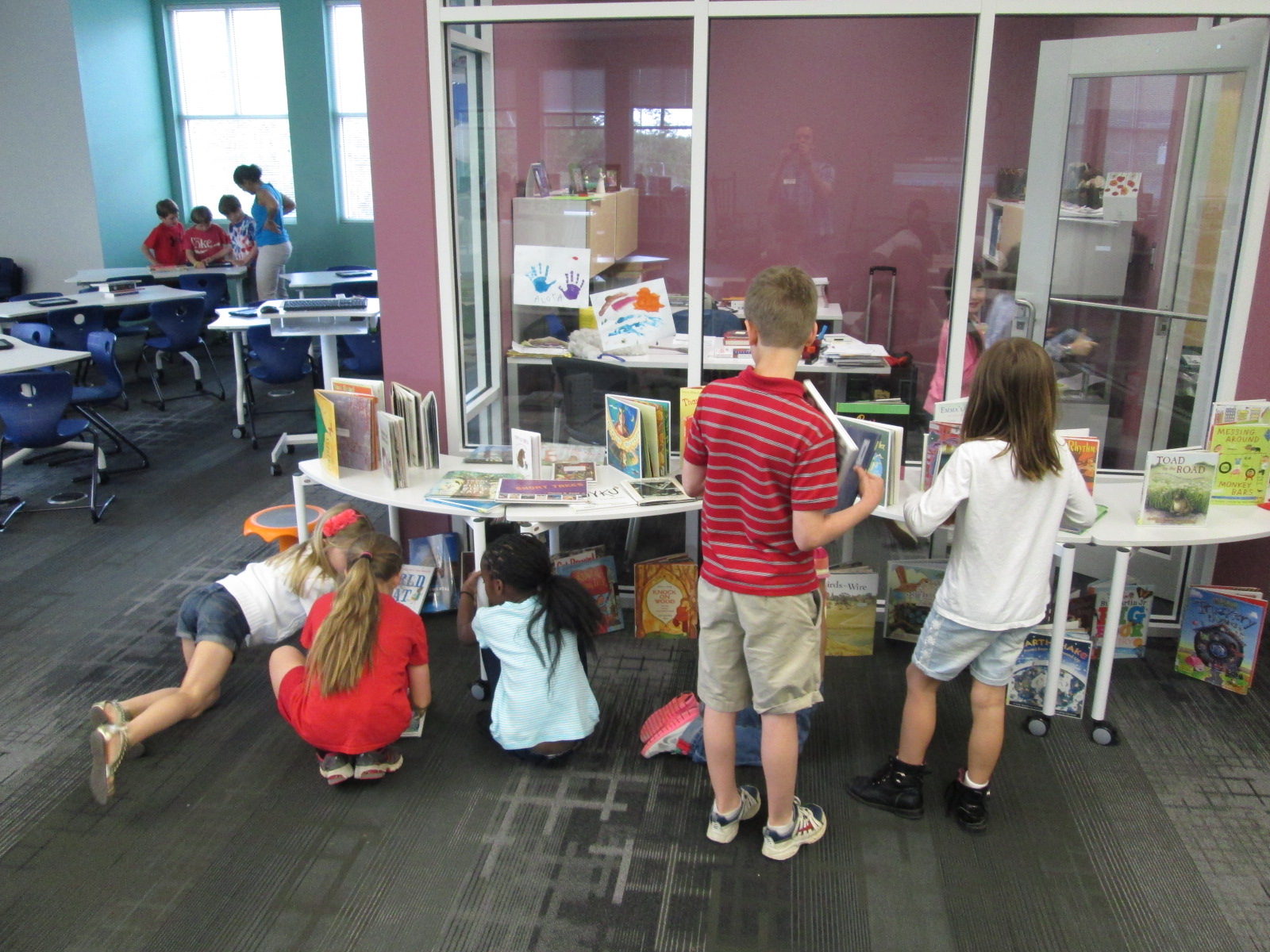
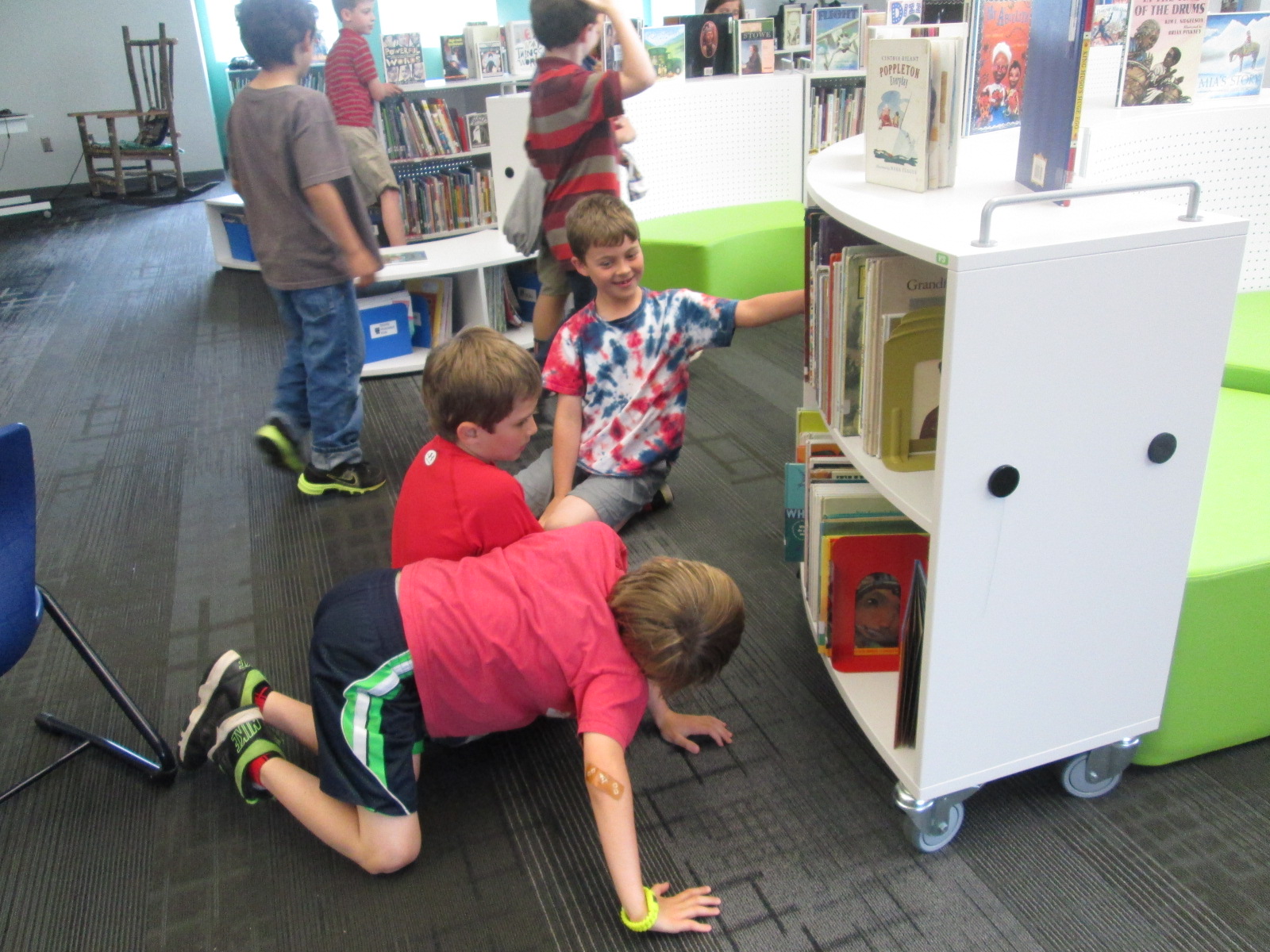
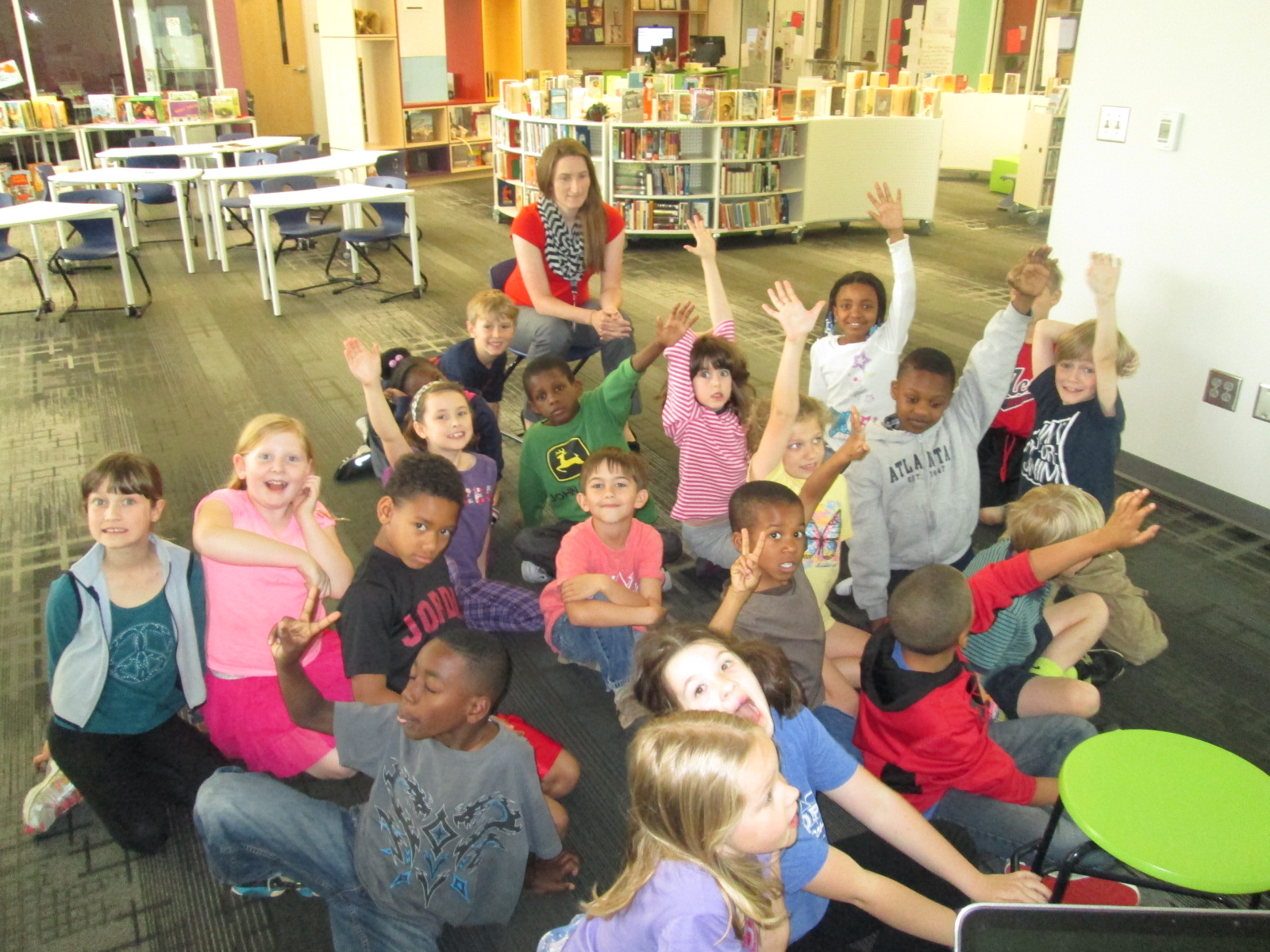
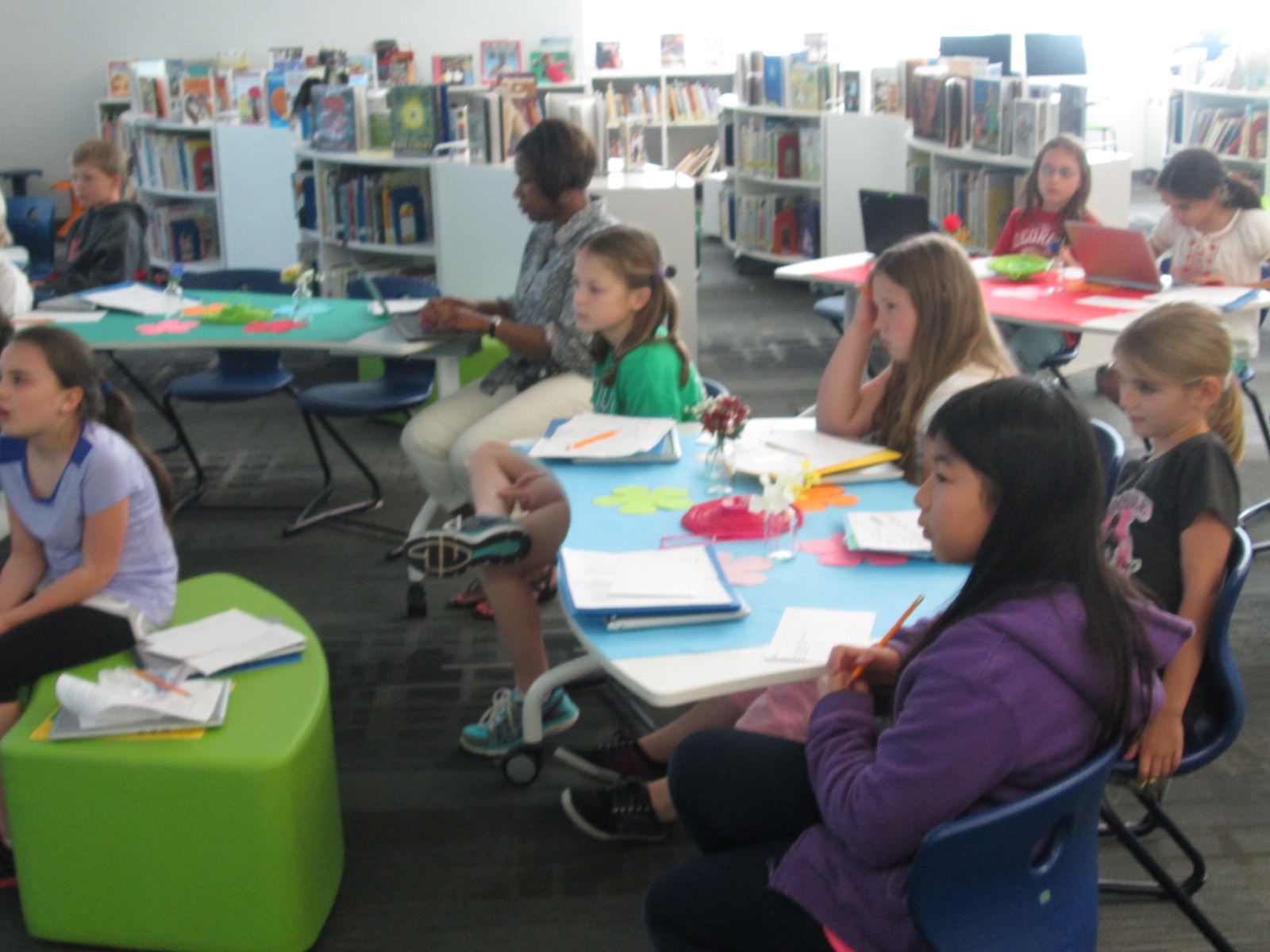
Today Mrs. Ramseyer’s class came to work on book spine poetry. The past 2 days, I’ve had a graduate assistant and sometimes a special education teacher or other support teacher along with the teacher and I. However, today it was just me and Mrs. Ramseyer. It still worked great, but it was definitely a little more on our plates to manage with 6 groups roaming the library and working in about 5 different locations in the library. We still had fun, and in the end, the kids still wrote some fantastic poetry.
After yesterday’s fun time with Tellagami and book spine poetry, I was really hoping that today would be just as great! We’ve had some troubles with updating our iPads, so I almost thought that today might be a day where we had to change plans. However, it worked out for us to have 6 iPads to use during Mrs. Wright’s 2nd grade class.
Once again, students worked in small groups of 3 to put together their poems. Once again, I was amazed. There was absolutely no rush to get these poems done. Students were critically thinking about each book that went into their stack.
I’m so glad that I added the piece at the end of the lesson for students to tell their story of how they made their poem. I initially did this just to fill the time while I switched iPads for displaying on the screen. However, each story revealed the thought process that students went through to craft their poem and revealed new strategies that students might try next time.
Here’s a look at Mrs. Wright’s class book spine poem gallery:
Poetry month is one of my favorite times of year because I’m always inspired by what kids come up in their writing. I love that with poetry you can try so many different kinds of writing in a short amount of time.
Each year, we usually have several classes explore book spine poetry. If you’ve never heard of it, book spine poetry is a type of found poetry where you use the spines of books as the lines in your poem. In the past, we’ve used digital cameras to take pictures of our stacks of books and Photo Story to put those pictures together and record our voices.
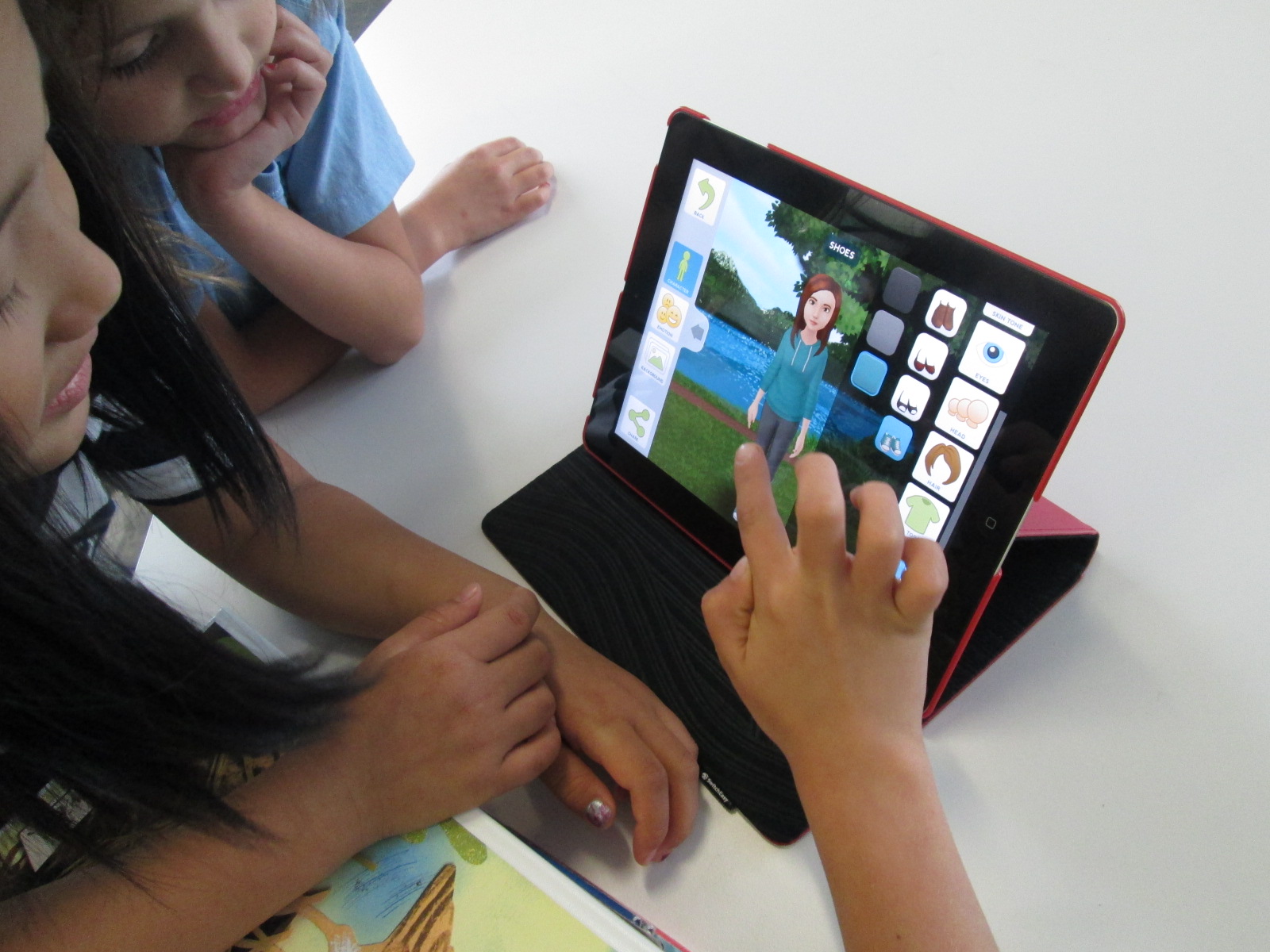
This year, I really wanted to try something new. I decided to try Tellagami since you can take a picture as your background image, record your voice for up to 30 seconds, and create an avatar to be the narrator of your poem. I may try some other tools, too, but this one seemed like the best to start with.
Today, Mrs. Brink’s 2nd grade class was my first book spine poetry class of the year. Right before they came, I walked through the process of making a book spine poem myself and recording a Tellagami. Here’s how mine turned out.
We started our quick mini-lesson on the carpet by talking about what a found poem is. Then, we used several Google and twitter images of book spine poem examples. Some of my favorites are from my friend, Jennifer Reed, librarian in MA. I love this one.
We spent a little time noticing things about all of the poems. For example, we noticed how some of them stuck to a particular theme or some started with a main line at the top and then other lines seemed to support the first line.
Then, I told the students the story of how I made my own poem. I started with Joyce Sidman’s What the Heart Knows. Then, I walked around and looked at books that were sitting on the tops of the shelves to see if any of them had a title that showed what my heart knows. I was amazed at how many of them did! It only took me about 5 minutes to find my stack of books and another 2 minutes or so to make my Tellagami.
The students were ready and eager to get started. I really try not to give them too many rules, but we did go over a few things to think about:
1. Spend some time walking and looking without taking books off of the shelves.
2. Find a book title that speaks to you that might make a good starting place and then start thinking aloud about your poem with your group.
3. Try your best to use each book you pull from the shelves. We spent just a few seconds thinking about what would happen if 22 students starting pulling every book that they saw from the shelves.
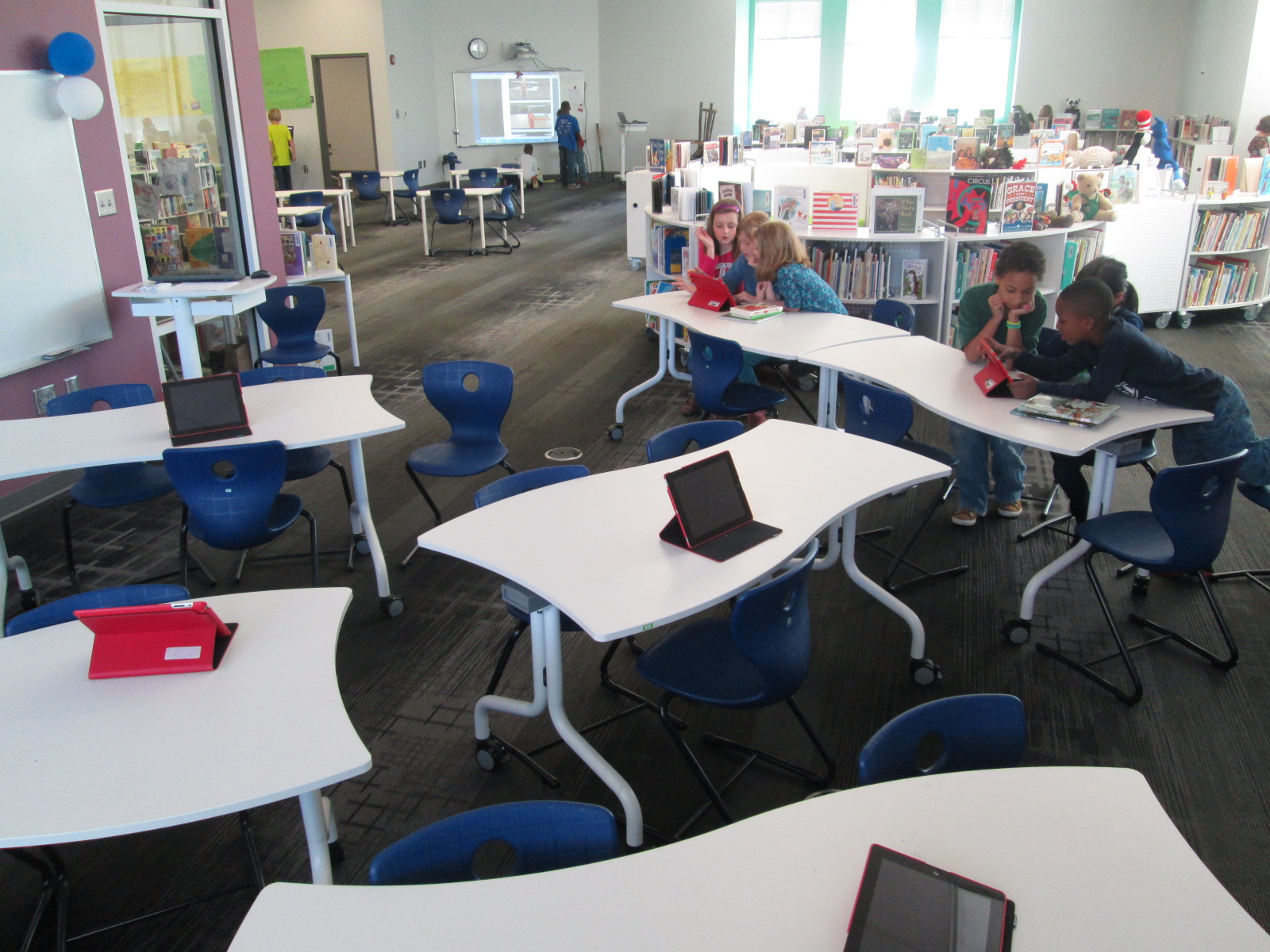
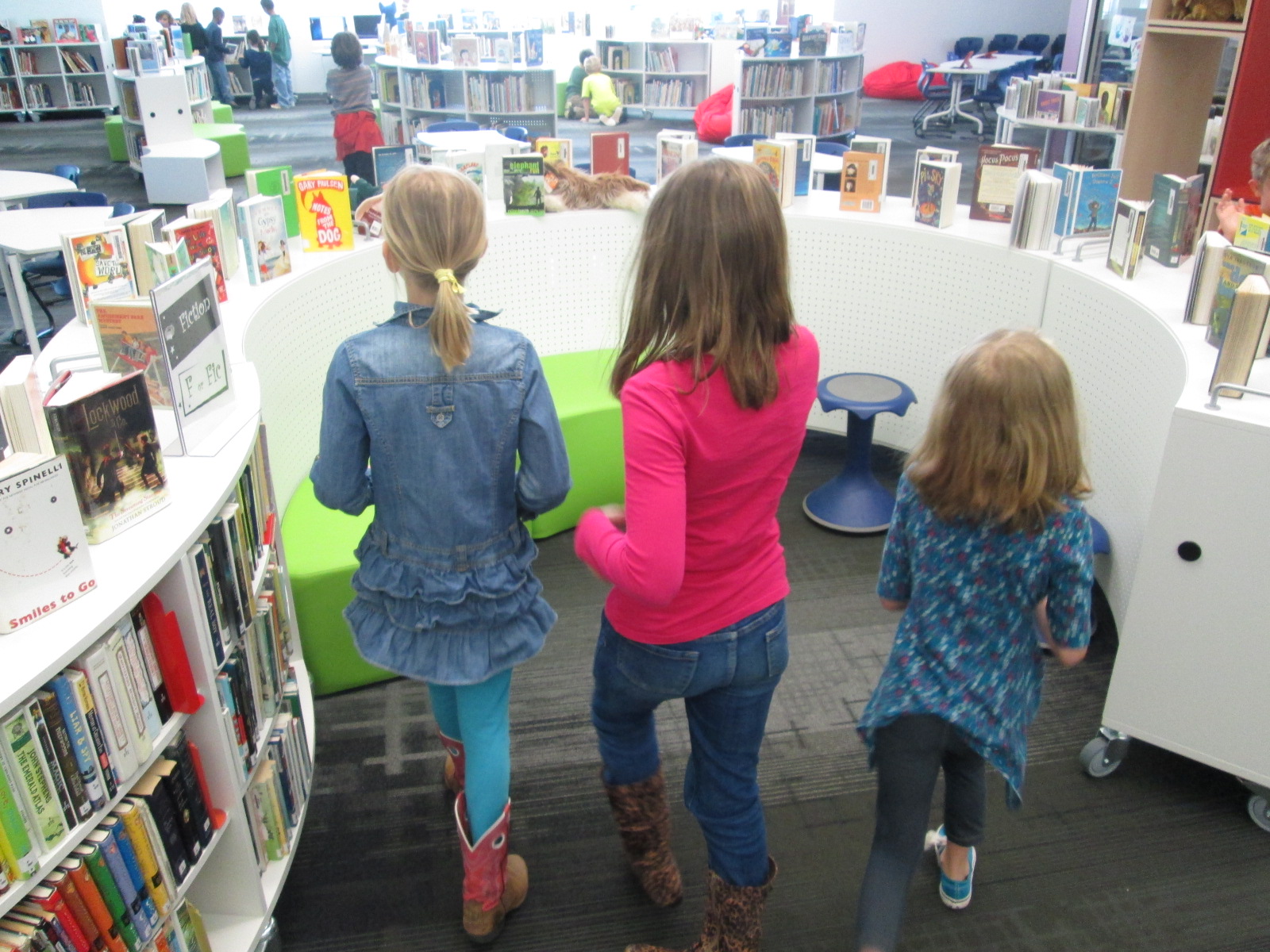
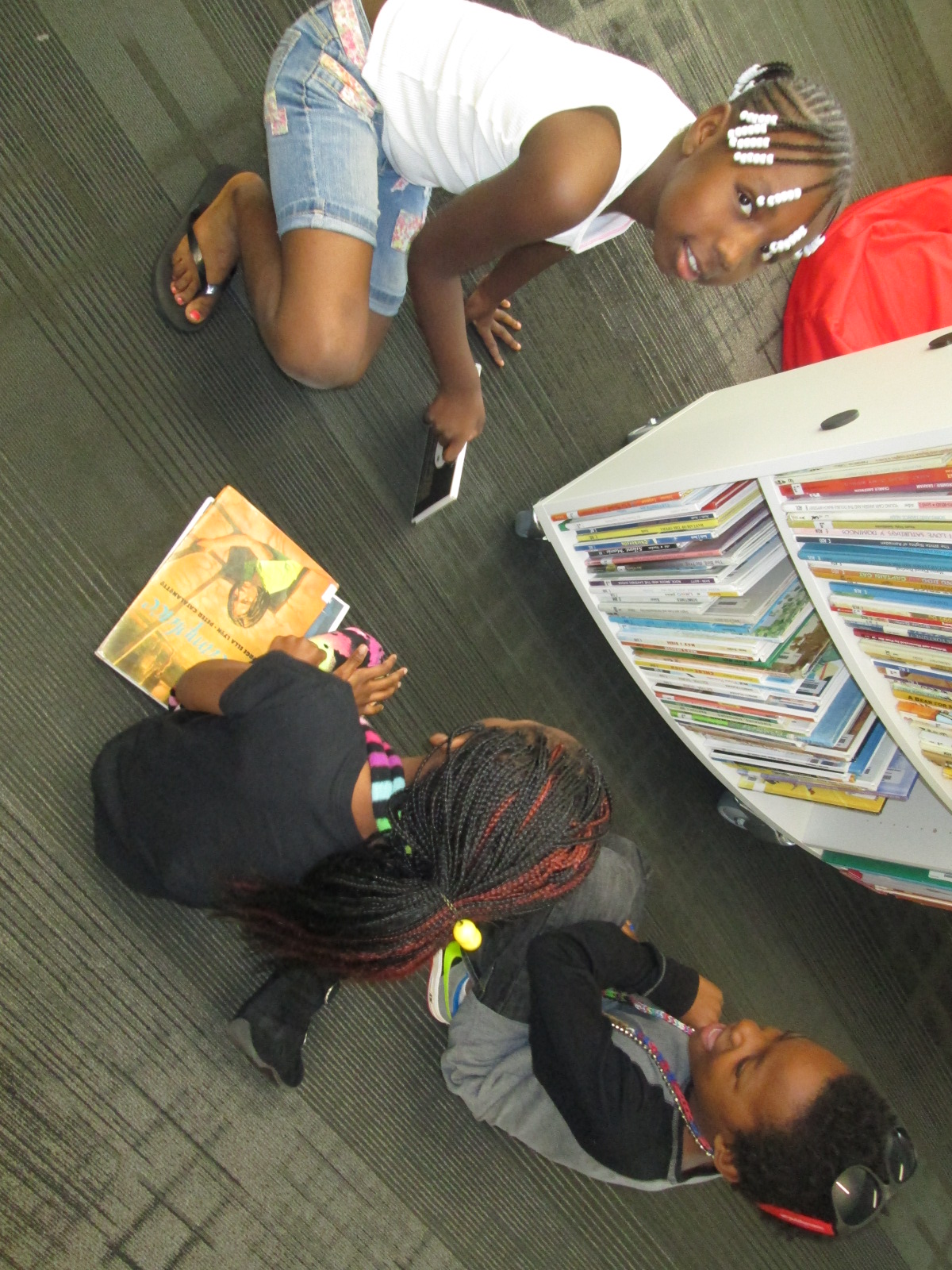
I designated different work areas of the library. Single tables were setup in the middle of the library for students to bring books to and sort them into their poem.
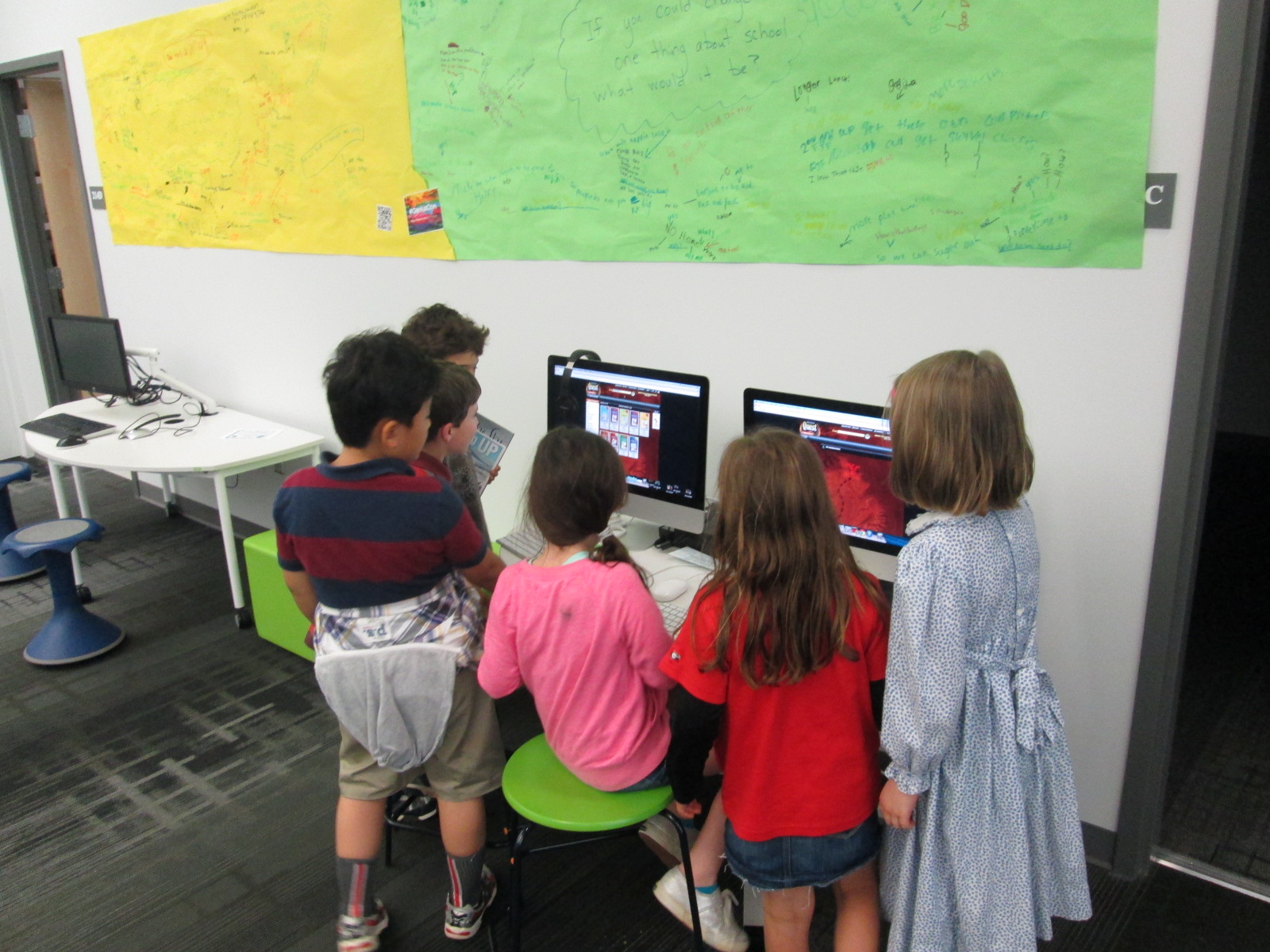
Another section of tables had iPads ready for creating Tellagami projects and taking pictures. I did not spend time teaching students every step of how to use Tellagami because I knew they could figure this out. However, I did have Carol Buller-McGee, a graduate assistant, with me today, and she stayed at the iPad tables to assist students.
My office, equipment room, makerspace room, and storage room were available for students to go to and record their projects.
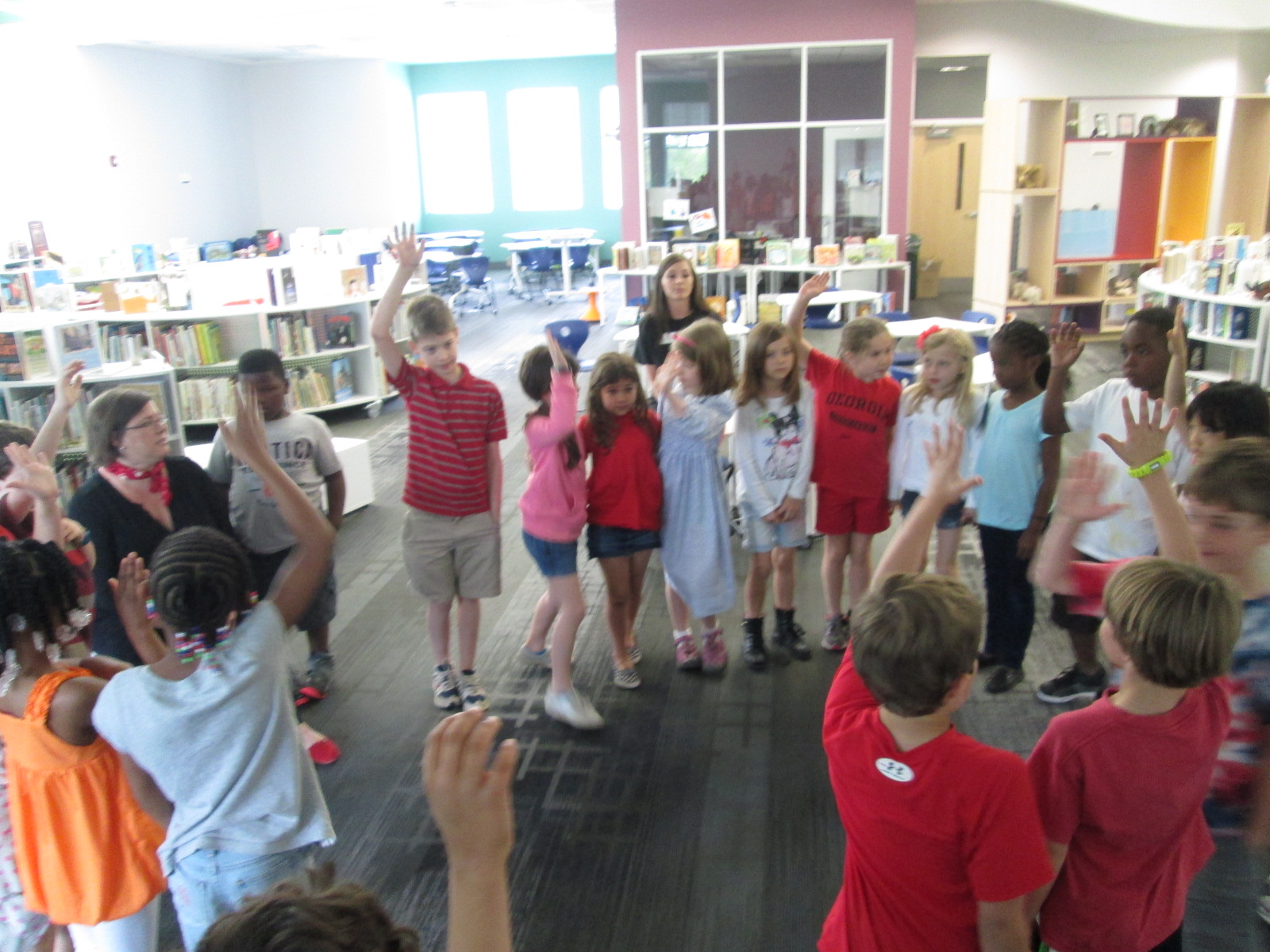
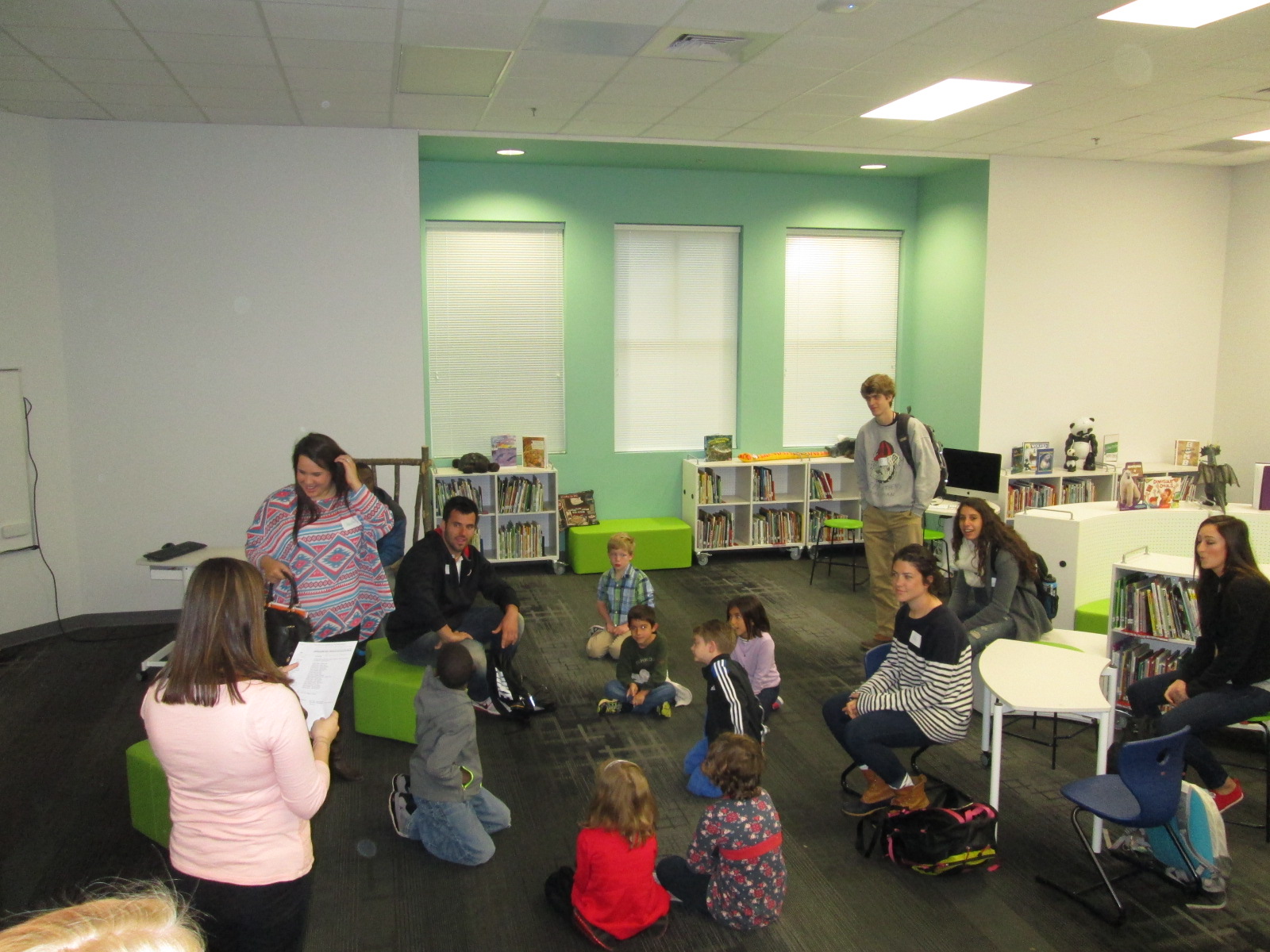
Originally I was going to have students make individual poems, but I made a last minute change to small groups. The teacher had the whole class stand in a circle and find their own groups of 3. She assisted students who needed help forming a group. They went right to work. It looked something like this.
The teacher and I walked around and talked with students about what they were choosing. Many of them found one book to start with and started adding books from there. For example, one group found Please Bury Me in the Library. Then, they started looking for books that might designate where in the library they might be buried. I loved how their poem turned out.
Other groups went with a theme. For example, one group found a book called Dreaming Up, so they started looking for books that had something to do with the sky. They even went to Destiny and searched for sky books to see if there were any interesting titles.
I must say that this was the first time that I’ve done book spine poetry where I really felt like kids were thinking about the books going into their stacks. In the past, it has felt like students just throw a bunch of books in a stack and say they’re done. While this is still a poem, in my opinion, what I saw today was much more thoughtful and purposeful.
After students went through the whole process, some of them started again and made a second poem.
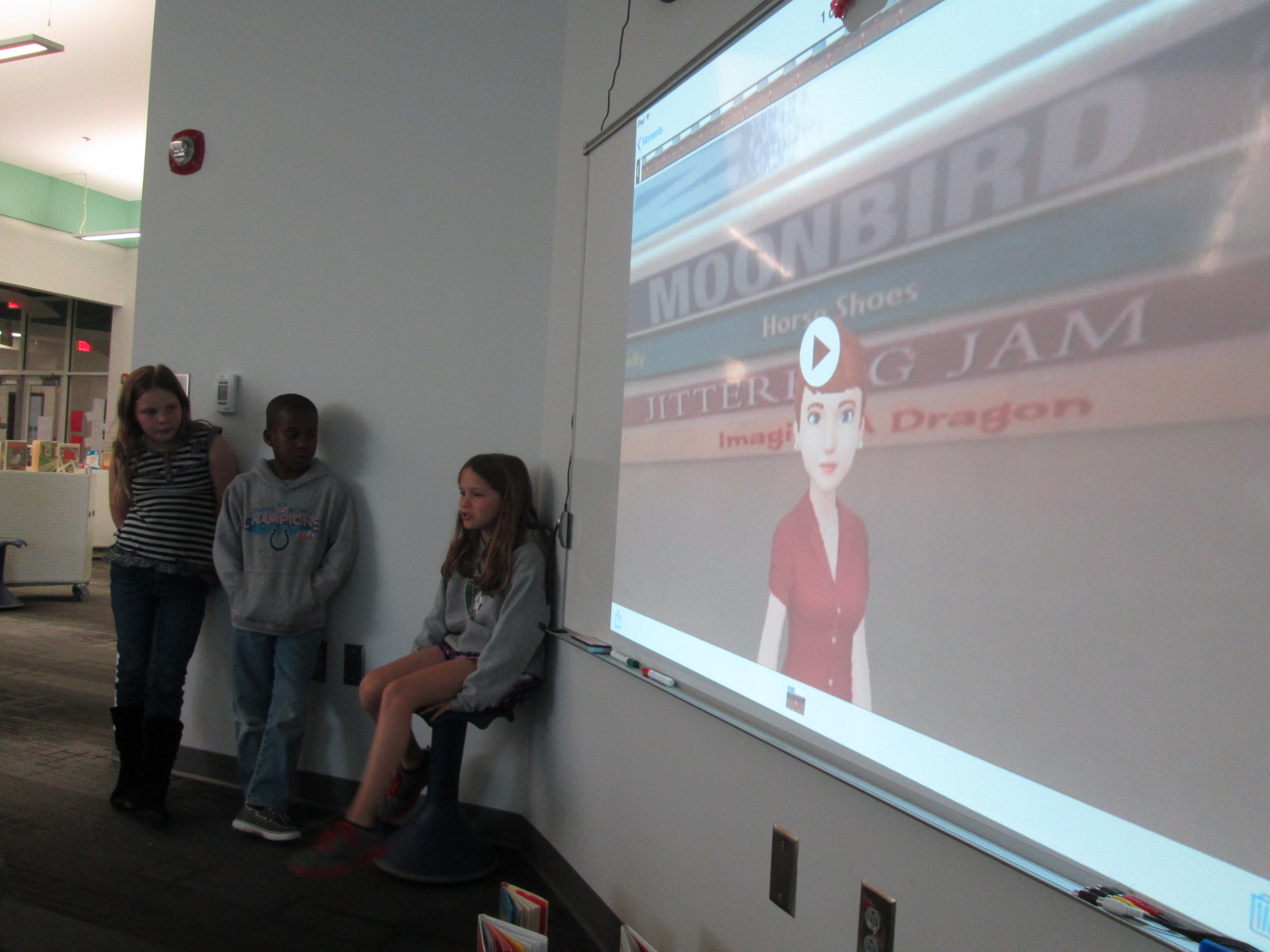
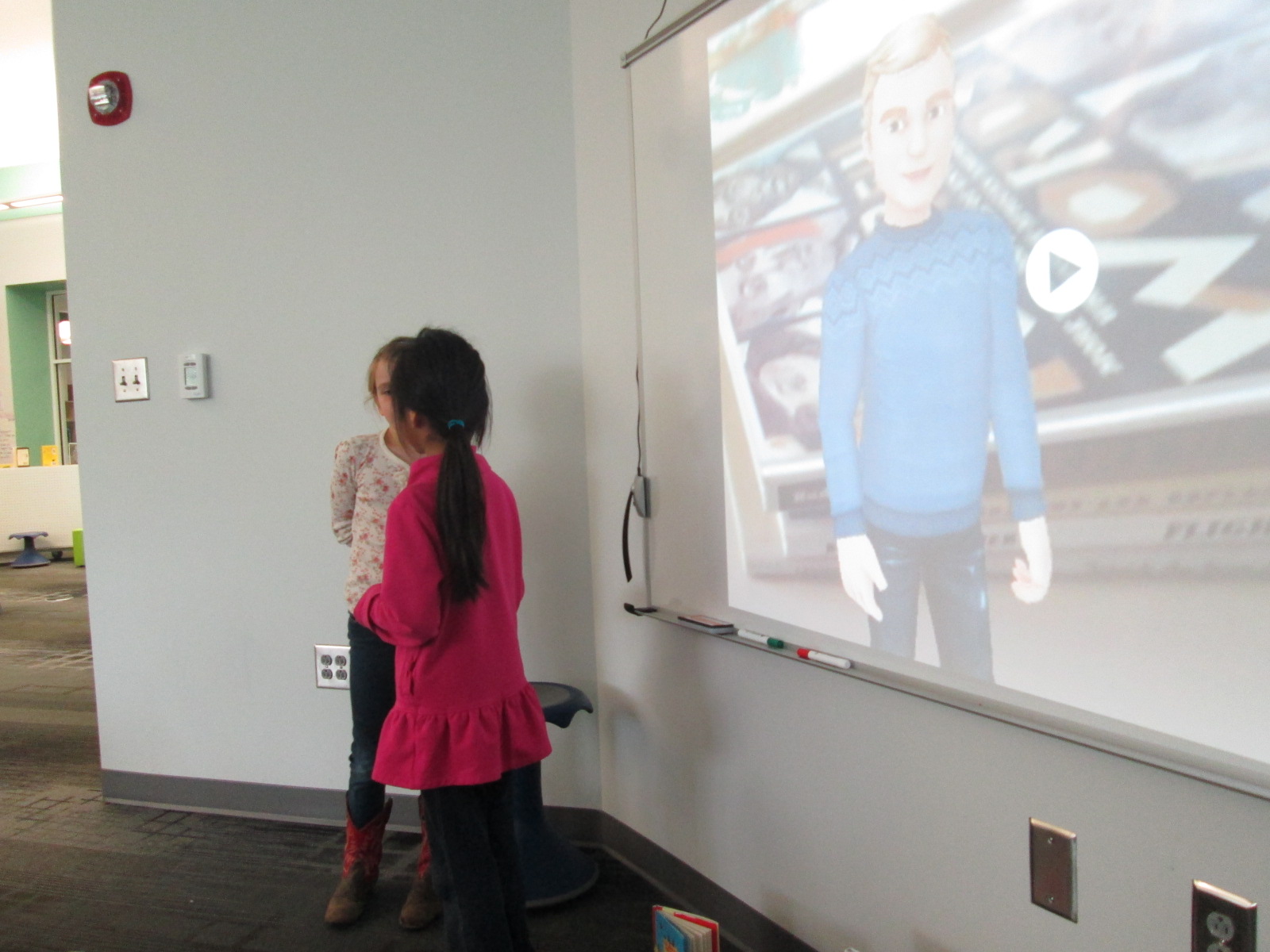
We finished by putting our poems up on the projector screen. I played a poem and we celebrated with snaps. While I prepped the next iPad, the students talked through the steps that they went through to form their poem. I really loved this step because it showed me that students really were thinking carefully about each line that went into their poems.
I have 3 more classes coming this week, so we’ll see how this lesson evolves across the week. I think I’m going to stick to small groups rather than individuals, but we’ll see.
During a collaborative planning meeting at the beginning of the quarter, 2nd grade all wanted to come to the library to learn about list poetry. We love to use the book Falling Down the Page: A Book of List Poems edited by Georgia Heard. We had a problem, though. It was hard to find a time on the calendar for each of the 4 classes to come. Rather than only serve a few of the classes or abandoning the project all together, I suggested that we use a Google Hangout to bring us all together for the same lesson and that we collaborate with one another on a Google Doc.
This was a perfect solution because it really served multiple purposes. All of these teachers were able to experience a Google Hangout for the first time. The students all heard the same information from me. All of the students saw how multiple people can collaborate on a Google doc without erasing one another’s work. It created more time on the library calendar for more classes to come for other projects rather than one project taking up 4 hour-long slots.
Yesterday, the teachers and I practiced after school for about 10 minutes. I’m glad we did this because it allowed me to work on some issues with sharing the hangout with them. I found that emailing teachers the link to join the hangout was much easier than inviting them via their Google Plus. We also had to install the Google Hangout plugin on all of their projectors. This didn’t take long, but it was much better to do without a group of students waiting.
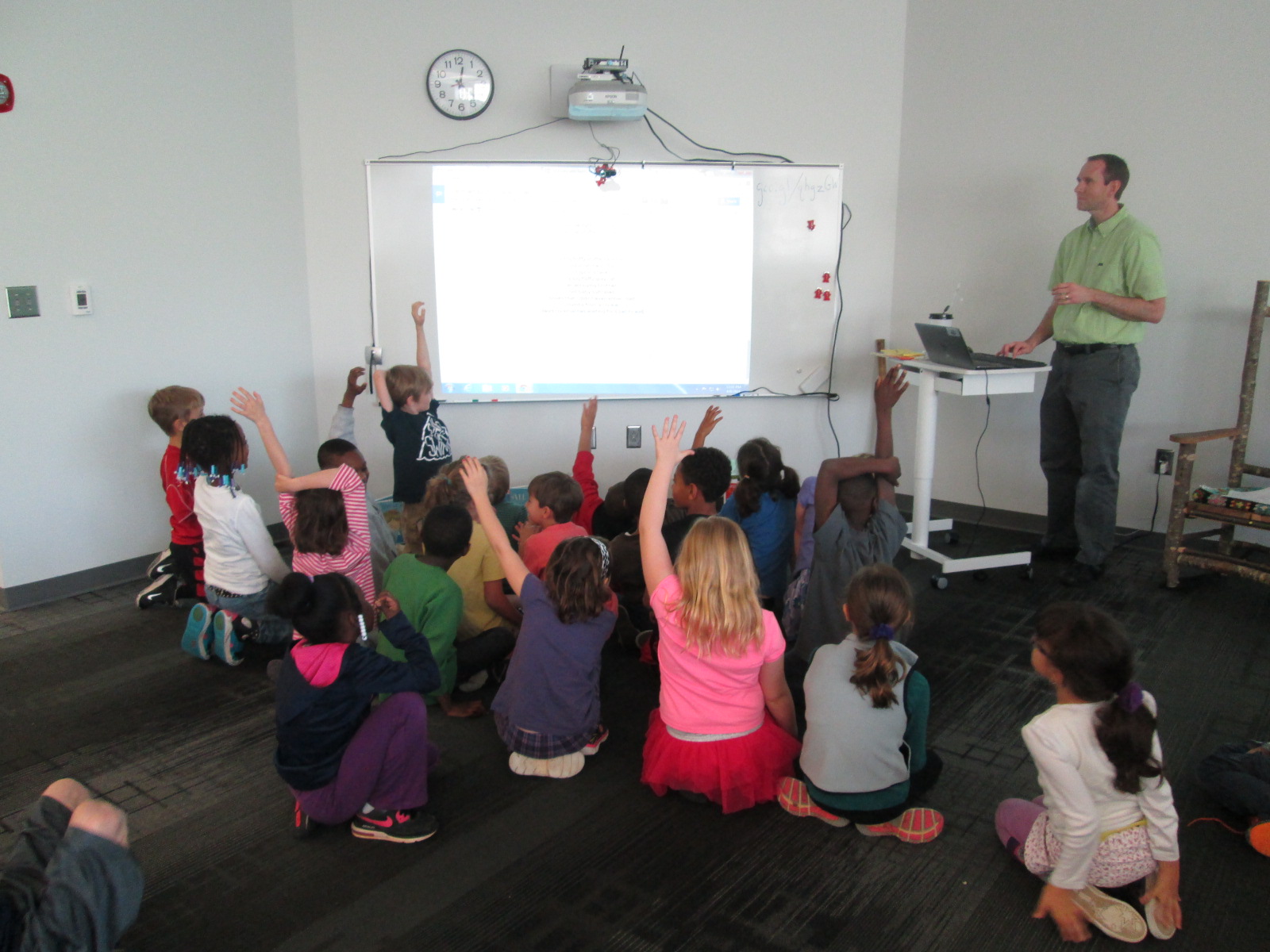
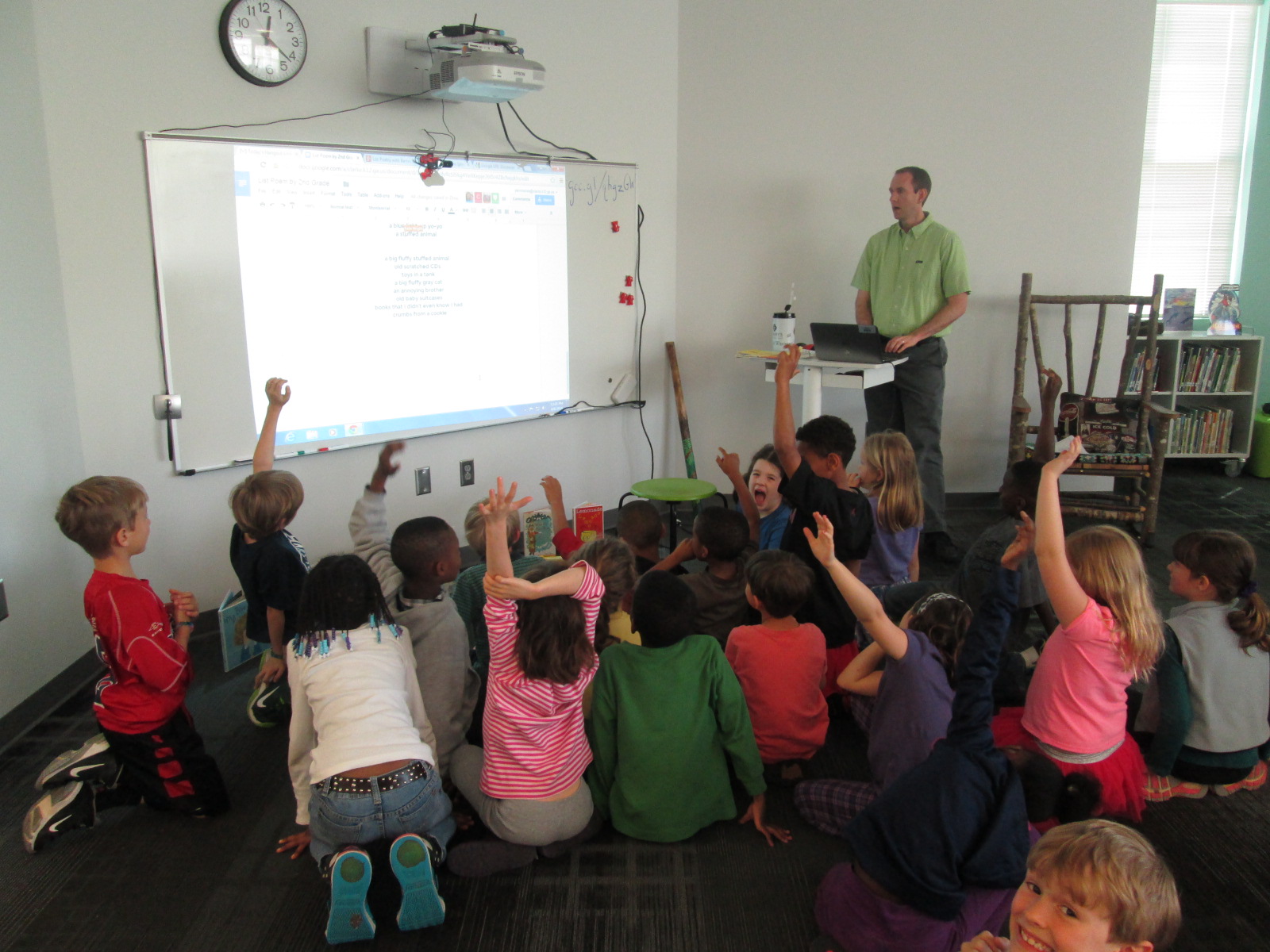
Today, I sent out the link to the hangout. I also emailed the link to the shared Google doc so that teachers could have it pulled up on their screens. Mrs. Yawn’s class came to the library since they have a longterm sub. The other 3 classes tuned in from their own rooms. As the creator of the hangout, I had the hangout controls pulled up so that I could mute all microphones. This eliminates feedback from the projector speakers. If a class needs to speak, I (or even the teacher) can unmute the microphone. We could also communicate with one another via the chat.
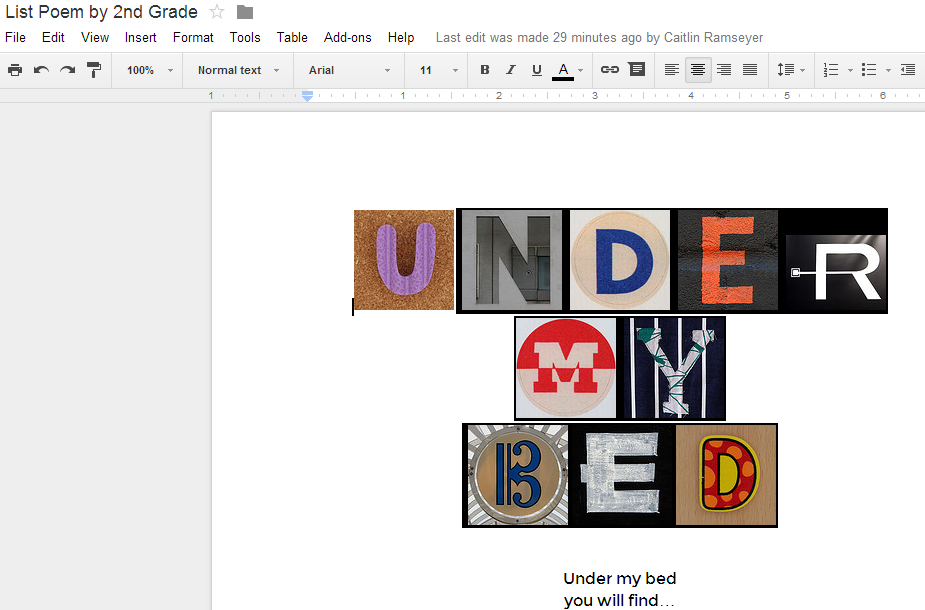
I did a short mini lesson for all of the classrooms. I talked about the kinds of lists that we all make and how those can turn into poems with just a few added adjectives. I read Jane Yolen’s “In My Desk”. Then, I muted my microphone, shared my screen, and we all started writing lines to a new list poem called “Under My Bed”.
I shared the link to the document on Twitter, and we instantly had viewers watching our poem develop. This created a great discussion about how quickly something that is posted on the Internet can be seen because we literally had 8 viewers the second that I pressed “tweet”. Many more viewers came in and out of the document while we worked. The kids really liked knowing that they had an audience watching their poem come to life.
The students also loved watching the lines magically appear on the screen from all of the classrooms.
At the end, I called us all back together and read the poem aloud. It was amazing to hear how creative their lines were! To close, I invited students to spend some time in their classrooms revising the poem. There were several lines that were very similar so it was a natural follow-up to spend time deleting or combining lines.
Many students seemed interested in writing this kind of poetry in for our media center poetry contest. Students have 2 more weeks to submit a poem. I’m sure I’ll be reading several more list poems in the future. Here is our poem as it looked at the end of our hangout:
Under my bed
you will find…
Three old pacifiers from when we were babies.
Two pairs of stinky, dirty socks from my last soccer game.
A box of last years Christmas wrapping paper.
Last night’s dinner that I didn’t like.
My little brother.
A pair of destroyed Jordan’s.
My shiny diamond.
A toy skeleton that I bought last year for school.
Old, yucky trash.
A little brown shoebox with really old seashells.
My tiny puppy.
A Kidz Bop 25 CD.
Motorcycles, cars, crayons, American Girl Dolls, and stuffed animals.
A peach, toy train track,
Hidden laundry like dirty jeans and shirts.
New, blue jewelry I just bought.
Cheetah printed sneakers.
A very old picture of a dog I drew.
Old chewing gum.
Brown Pokemon cards covered in dust.
moldy, blue roller skates that don’t fit anymore
thousands of stuffed animals that belong to my dog
three feathery pillows that my dog chewed up
a beach ball that popped on a pointy shell at the beach
old shark teeth that are at least 500 years old
nasty, dead cockroaches smooched onto the floor
old baseball cards
five old socks, moldy carrots and clementines, and an old water bottle
muddy shoes from playing outside on the last rainy day
a scratched torn up bookbag that my cat ripped apart
a wrinkly gum wrapper
the teeth that I lost in kindergarten
some thank you cards I was supposed to send to my relatives last year
Mrs. Hicks’s 3rd grade students have been working on building Scratch programs for several weeks now. Originally, their journey was going to lead them to creating some scratch programs around a math standard or possibly environmental standards, but the project grew into so much more.
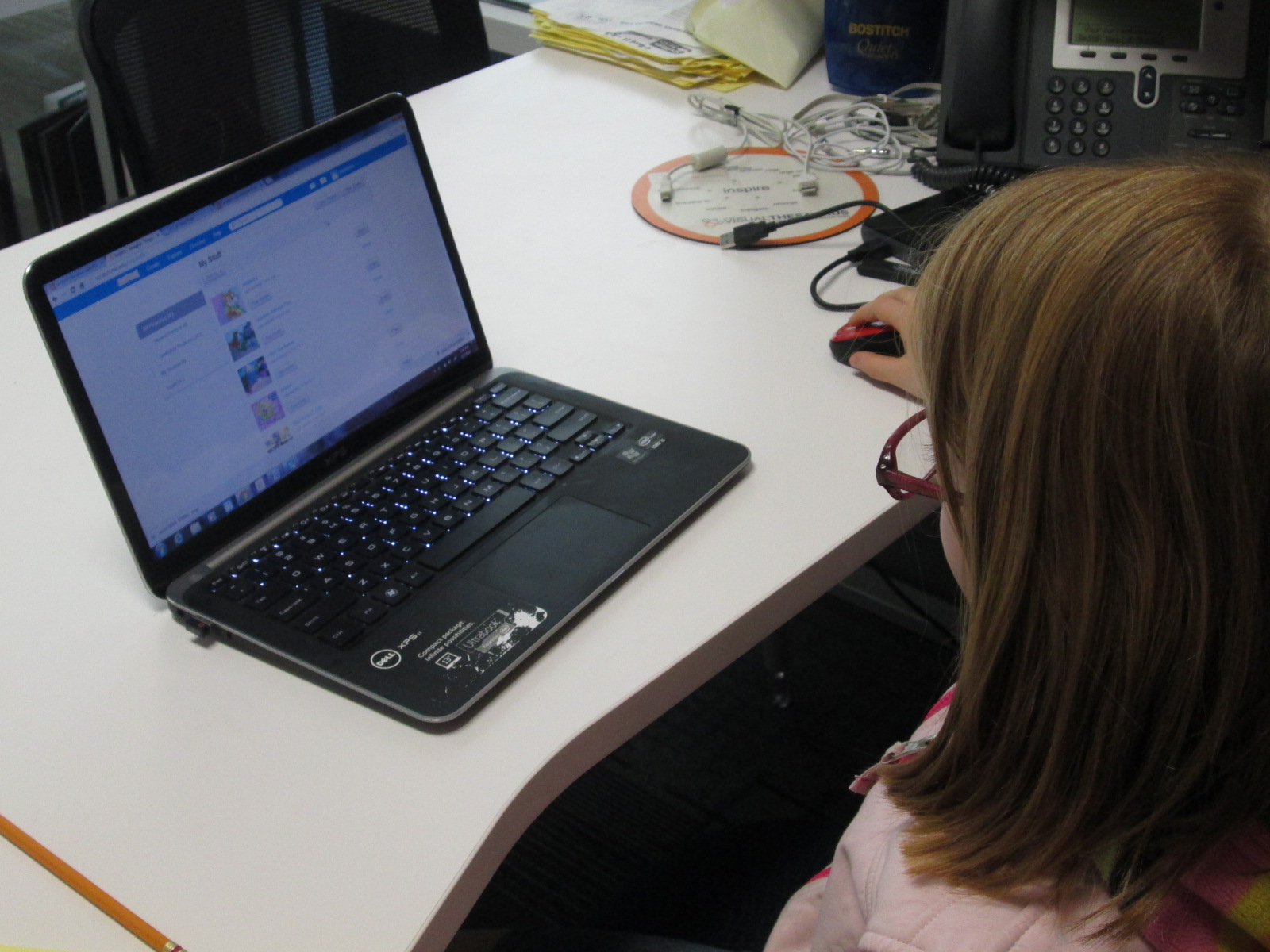
These students started out by creating their own Scratch accounts and exploring. I showed them how to use the tutorial built into Scratch as well as the video tutorials from Hour of Code. From there, students got to work. It seemed that every day these students came into class, they had learned something new. Many of them loved using Scratch so much, that they went home and continued their projects on their own. When a student learned something new, they came in and shared it with others. At the close of each lesson, Mrs. Hicks had students write reflections on a Padlet. This wall became a collective list of tips, new learning, and frustrating moments as students shared their thoughts each day. Students often went back to review their standards, used checklists, and reviewed their work with rubrics throughout the creation process.
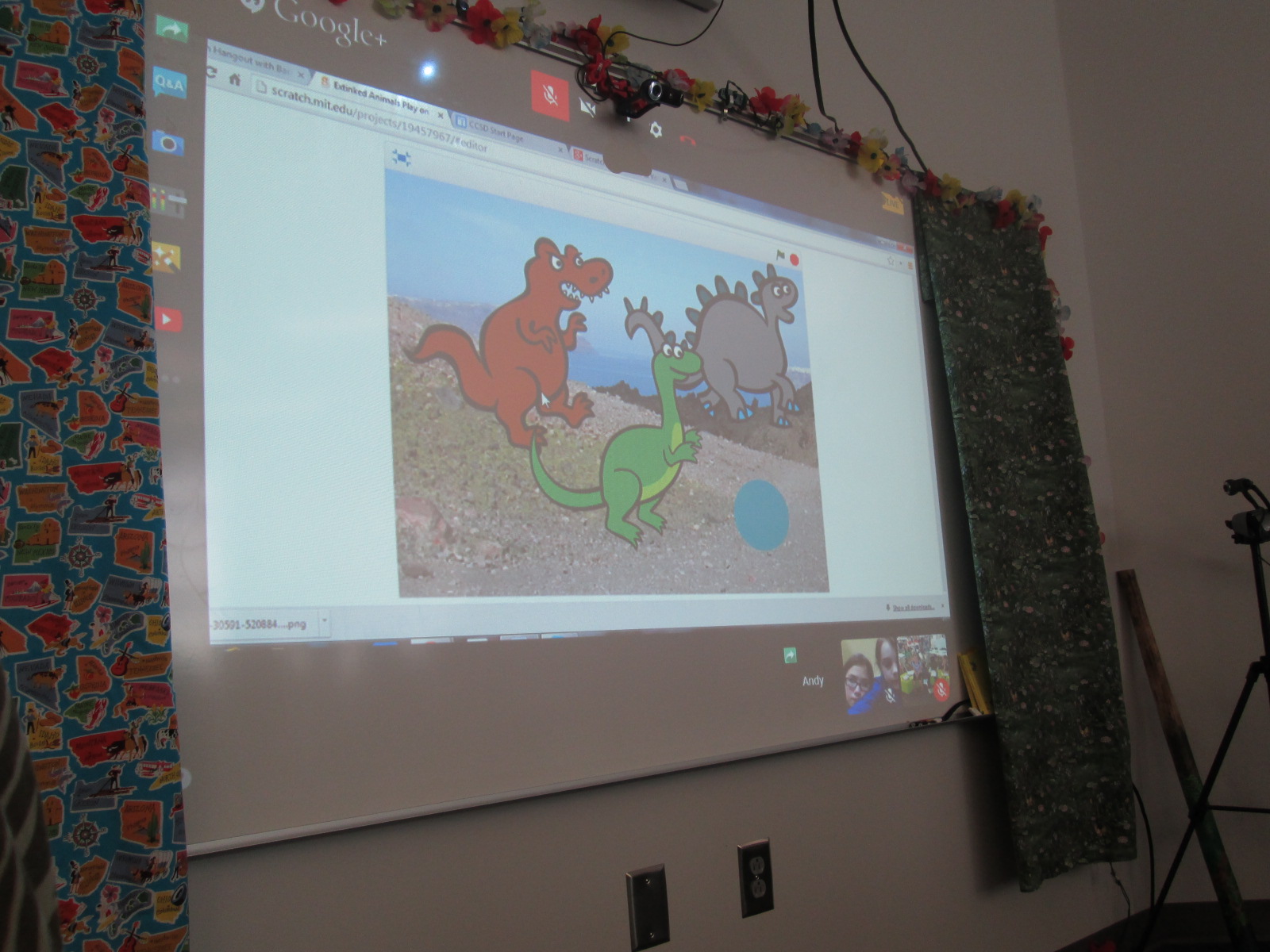
Today, several students came together to share their work in progress in a Google Hangout with Shannon Miller’s students in Van Meter, Iowa. The students were very nervous about sharing their work, but they had a lot to be proud of. Students’ projects had branched out to projects in every subject area: a multiplication program that solves multiplication problems, a social studies program about the regions of Georgia, a science program about dinosaurs, a math program about data, and more. It was truly amazing to see what these students have created in Scratch knowing that they all started on the same page. None of them were users of Scratch prior to this project.
To prepare for our Google Hangout, we talked about how to present work online. This included reminders about talking through each step that you are doing rather than just clicking on things in silence. Students went into my office to present their work, while the rest of the students sat in front of the projector to watch. During the practice, students gave one another feedback on how they presented.
Today’s live Google Hangout On Air had some glitches at the beginning when we couldn’t get everyone connected in the hangout, but once we got rolling, the process was smooth. A student screenshared their Scratch project, while students at Barrow and Van Meter listened. Barrow students wrote feedback on paper to give to the presenters during tomorrow’s class. Todd Hollett, our tech integration specialist, helped facilitate the hangout at the projector while I facilitated the student presenting in my office. Van Meter’s students gave verbal feedback during and after each presentation.
I think today gave our 3rd graders confidence in presenting their work online. The positive feedback from Van Meter boosted their confidence as well. Here’s a look at how our Hangout went. It’s a long video, but the projects are amazing for our 1st attempt.
I was excited to hear after the hangout that the students in Van Meter have an idea for a project between Barrow students and Van Meter. I can’t wait to hear more!
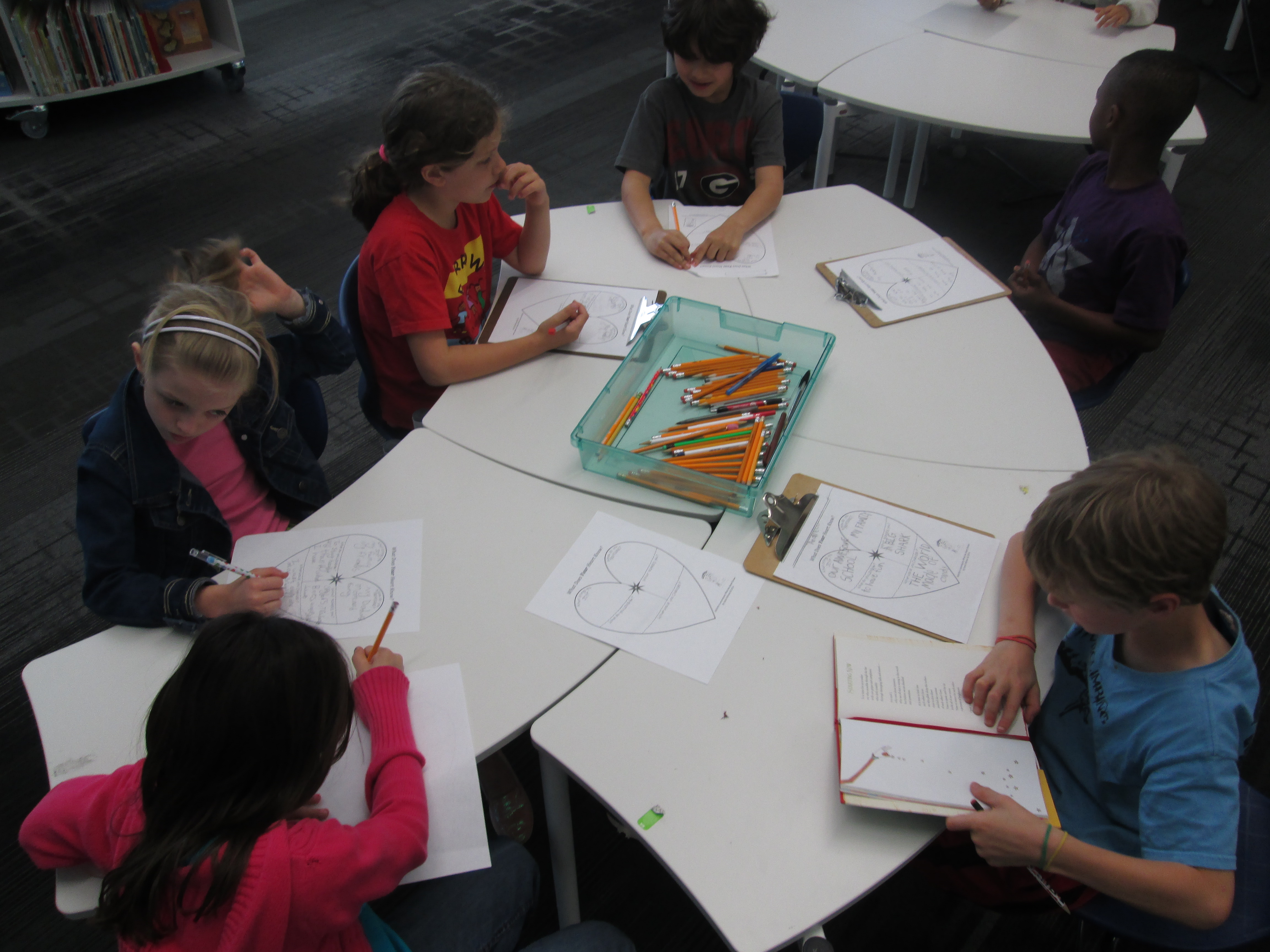
They did this in their classrooms and also in the media center. Teachers sent small groups to me about every 15 minutes so that I could conference with some of the students and help them think about what their hearts know. Each heart map was so personal and I smiled with students as they shared the happy things that their heart knows, but my heart also hurt with them as they shared very sad things that their hearts know too. I was just floored when a student told me, “Mr. Plemmons, even when our hearts our sad, there is still happiness. Everyone has happiness.” Wow! When I heard that, I knew that this project was going to be something that truly mattered in the world.
When I conferenced with students, we looked at their map and I asked them if there was a part of their heart that spoke to them more than others. Most students gravitated toward what brought them joy and what they treasured. A few wanted to write about what they longed for. Even fewer wanted to write about fear, but we still talked about that part of their heart since Joyce Sidman really encouraged us to.
Once they selected the part of their heart to focus on, I asked them to think about how to add words to that thought to really make the poem sing or to make a picture in our heads or to make us feel an emotion. Each conference was a little different. We played around with words and thought about how a thought in our heart could sound different depending on the words that we put with the thought.
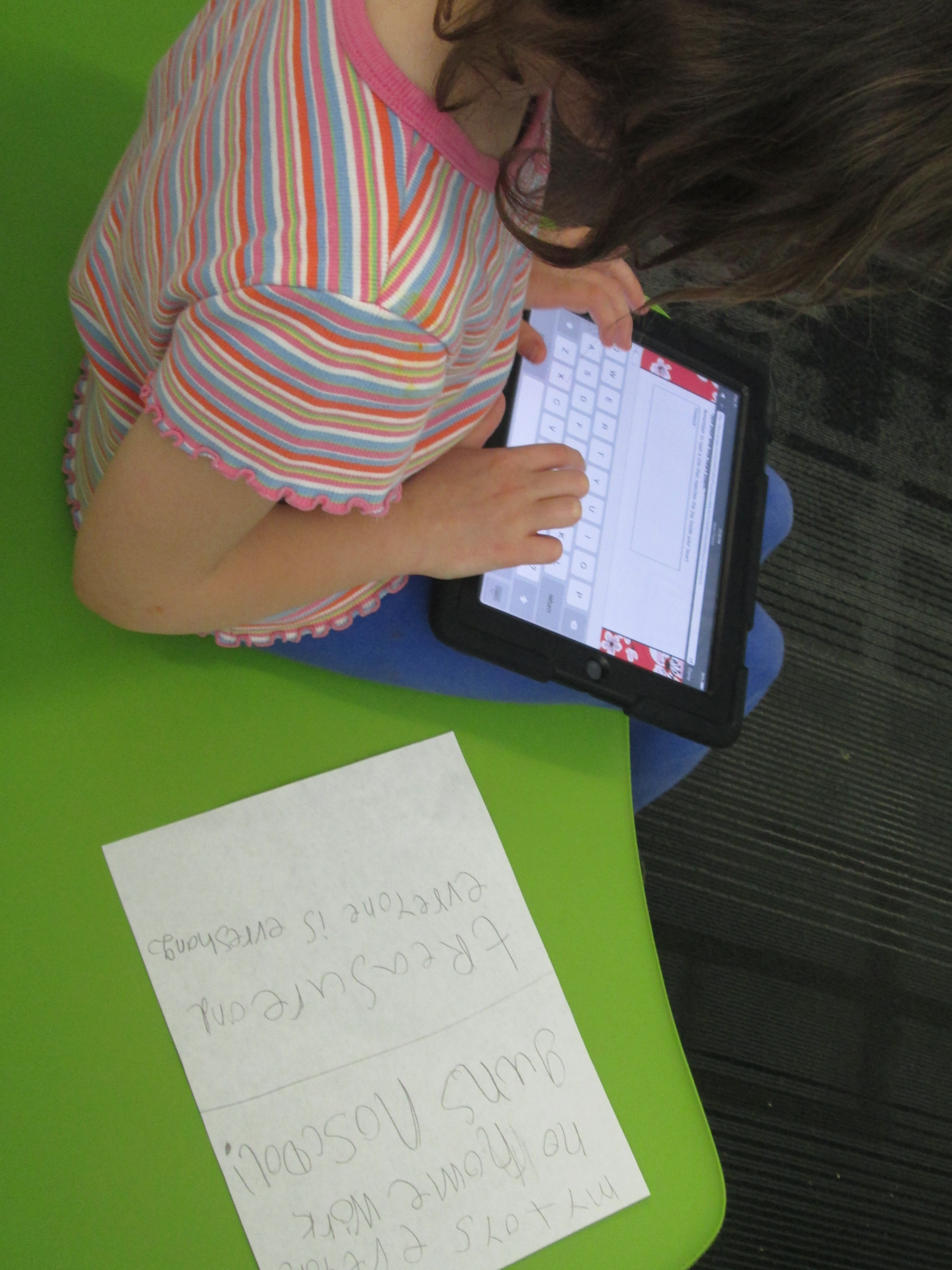
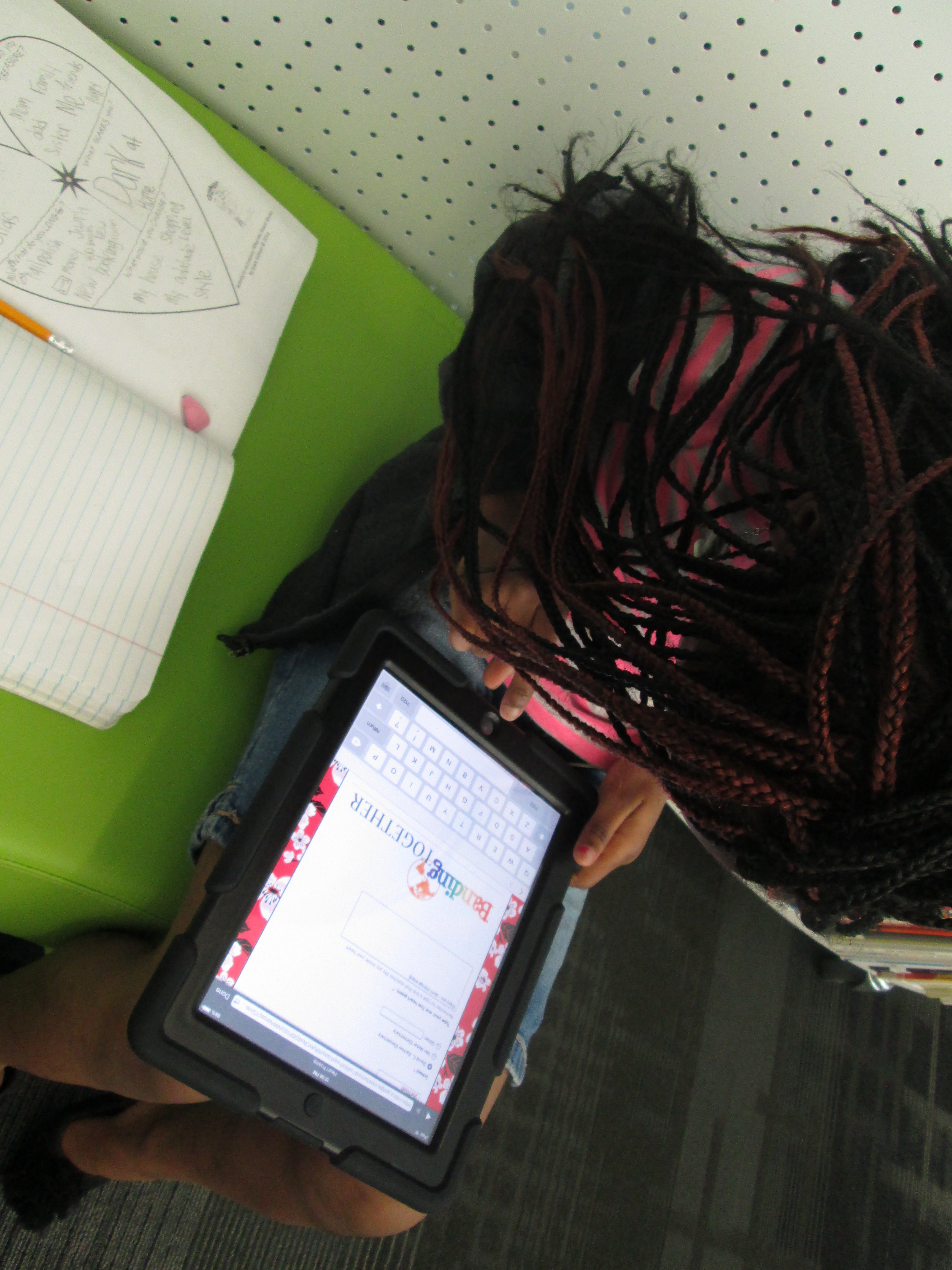
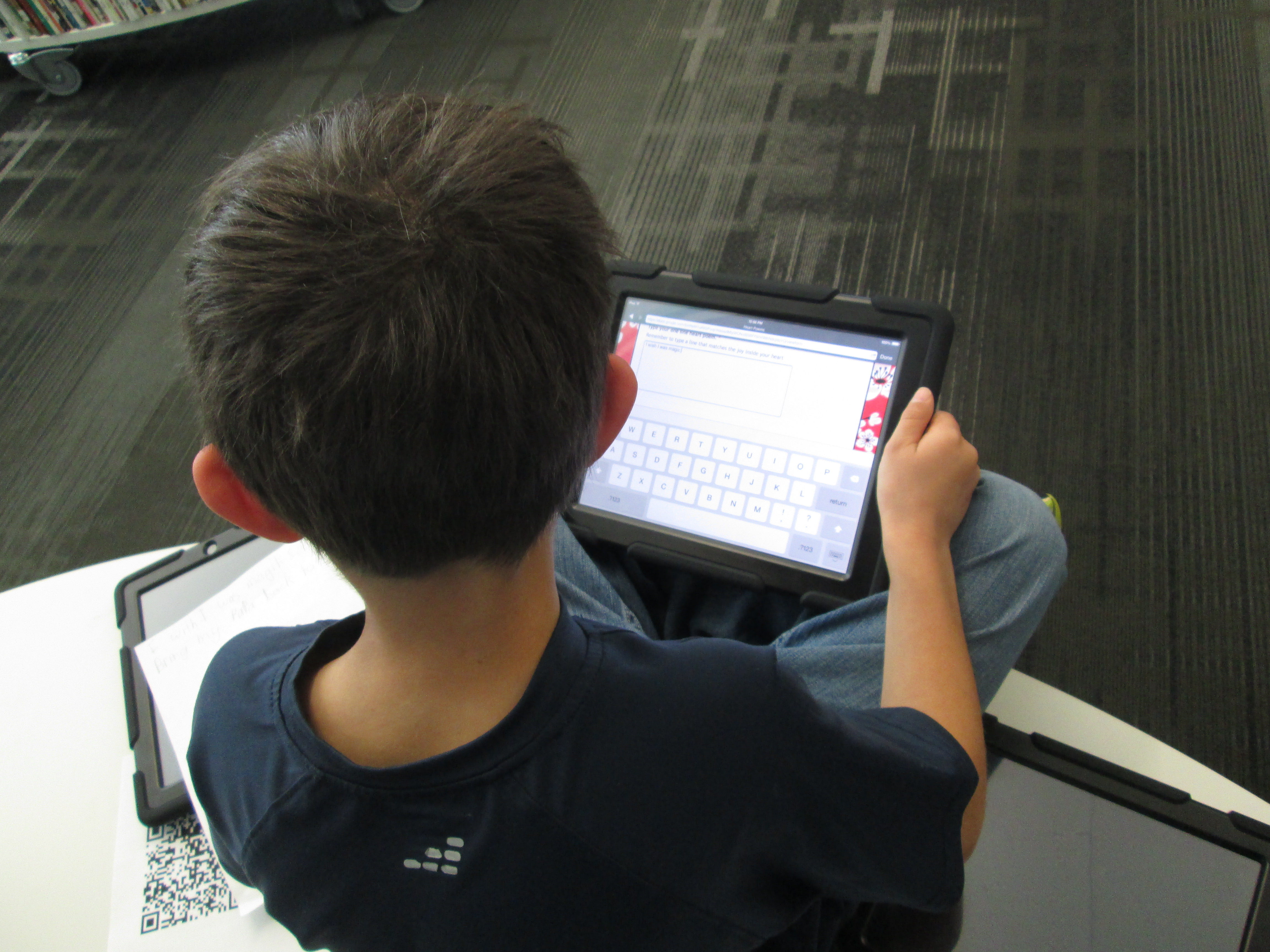
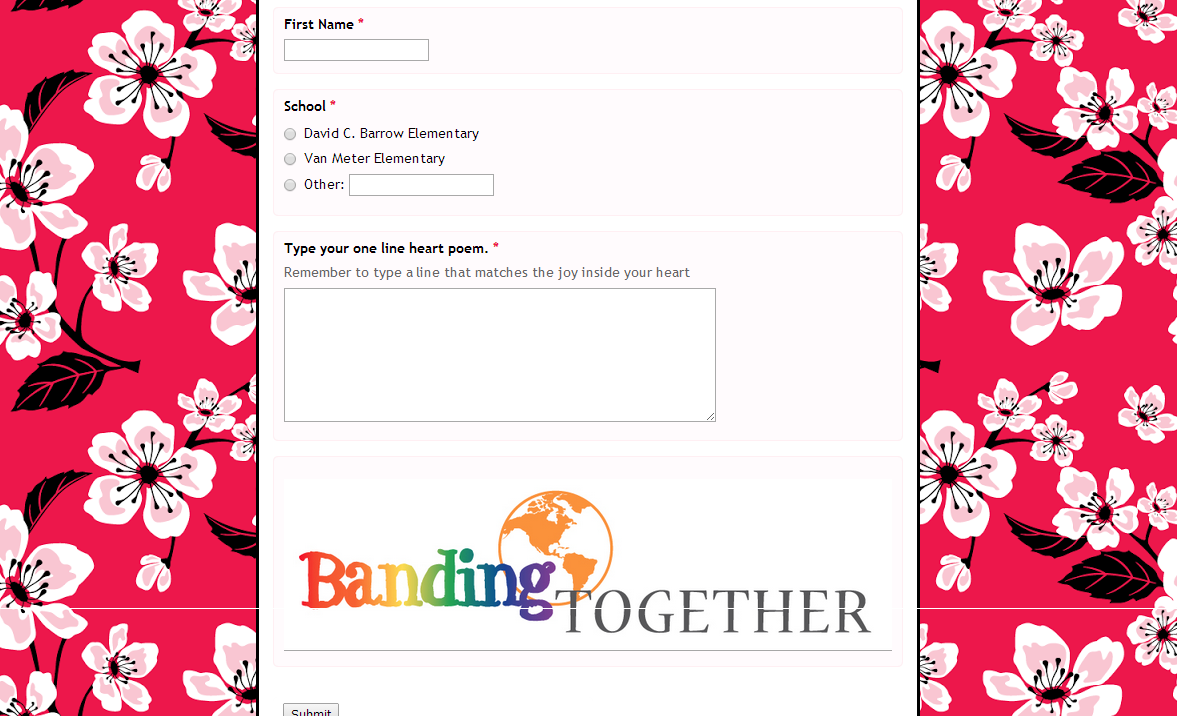
When students were happy with the poem, they used iPads to scan a QR code that took them to a Google form.
They typed their first name, selected their school, and typed their poem. Each poem went to a spreadsheet so that I could print them, cut them into strips, and attach them to our Rainbow Loom bracelets. Here are a few of their poems so far:
Adaline
David C. Barrow Elementary
The waves, the sun, the beach, it makes me happy!!
cyra
David C. Barrow Elementary
Dogs spread joy with a wag of a tail.
clara
David C. Barrow Elementary
Nature brings me joy and love when the wind blows and it rains and I go splashing through the puddles.
Wilson
David C. Barrow Elementary
Sudden noises scare me but my family comforts me.
Sola
David C. Barrow Elementary
Love is everywhere,up the hill and over the mill,in nature.
Jacob
David C. Barrow Elementary
Sun feels warm when you be nice
Finley
David C. Barrow Elementary
Spring showers brings spring flowers.
Mara
David C. Barrow Elementary
Love is in this bracelet.
Claire
David C. Barrow Elementary
You give me the best thing someone has ever gave me and it is the love,joy,and the happiness that makes my heart sing
Carinne
David C. Barrow Elementary
We are joy. We are bright together. You are powerful.
Evin
David C. Barrow Elementary
Enjoy the world,keep it healthy
Finley
David C. Barrow Elementary
Animals spread joy with a wag of their tail
Alanna
David C. Barrow Elementary
Roses are red, violets are blue. I’m your friend and I hope you are too.
Harry
David C. Barrow Elementary
Love defeats hate.
Natalia
David C. Barrow Elementary
April fun and sun. Here. I come! Flowers. Showers Baby. Animals
Axel
David C. Barrow Elementary
I wish my brother would come back.
Finley
David C. Barrow Elementary
Bands linked together just like a family
Kyleigh
David C. Barrow Elementary
My family bring’s me joy and my school bring’s me joy and so do you.
Alice
David C. Barrow Elementary
Don`t expect things to be bad, expect things to be good.
Adam
David C. Barrow Elementary
I wish I was magic so I can bring my papa back to life.
Adam
David C. Barrow Elementary
I wish I was magic so I can bring my papa back to life.
Sha’Niyah
David C. Barrow Elementary
Enjoy you – don’t change enjoy life – do what you like enjoy Love – love your love
Sophia
David C. Barrow Elementary
Treasure and everyone is everything
Students and families are helping me with attaching poetry to bracelets.
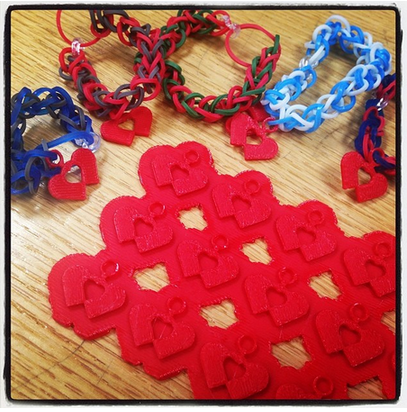
These poems are such a great addition to our Rainbow Loom bracelets. I was excited when we added 3d printed charms, but the poetry brings the bracelets to life as if they had a voice to speak to our friends across the miles. We will write more poetry tomorrow before we finalize our package of bracelets to ship to India via Van Meter.
Our two schools are part of a wonderful project called “Banding Together”. In partnership with In This Together Media, the Van Meter third graders kicked this off while working on their Rainbow Loom research projects. After creating so many beautiful bracelets throughout the project, they wanted to do something special with all of these handmade creations. They partnered with In This Together Media to bring these bracelets, happiness, and friendship to children from an orphanage in Mangalore, India. The third graders decided to call the project “Banding Together” and the next step was bringing others onboard to make a difference in the world.
Shannon told Andy about “Banding Together” right away….Van Meter School couldn’t wait for Barrow Elementary to be partners with them too. Together they would bring so much to the children in India….and to each other.
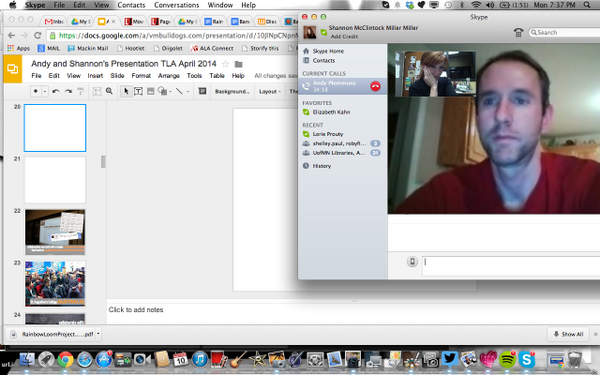
Recently during a Skype planning session, Andy brought up the idea of incorporating poetry into the Banding Together project. It started with a wondering. What if we added short poetry, like a fortune cookie slip, attached to the bracelets? Shannon said, “Let’s go for it.” And the brainstorming began.
We both started thinking of possible titles for the short poetry. We wanted the title to represent the spirit and joy of the Banding Together project. In looking through poets, we thought of Joyce Sidman and her new book, What the Heart Knows: Chants, Charms, & Blessings. In her note to readers, Joyce Sidman writes, “We believe in the power of words themselves. Why else would we pray, sing, or write? Finding phrases to match the emotion inside us still brings an explosive, soaring joy.”
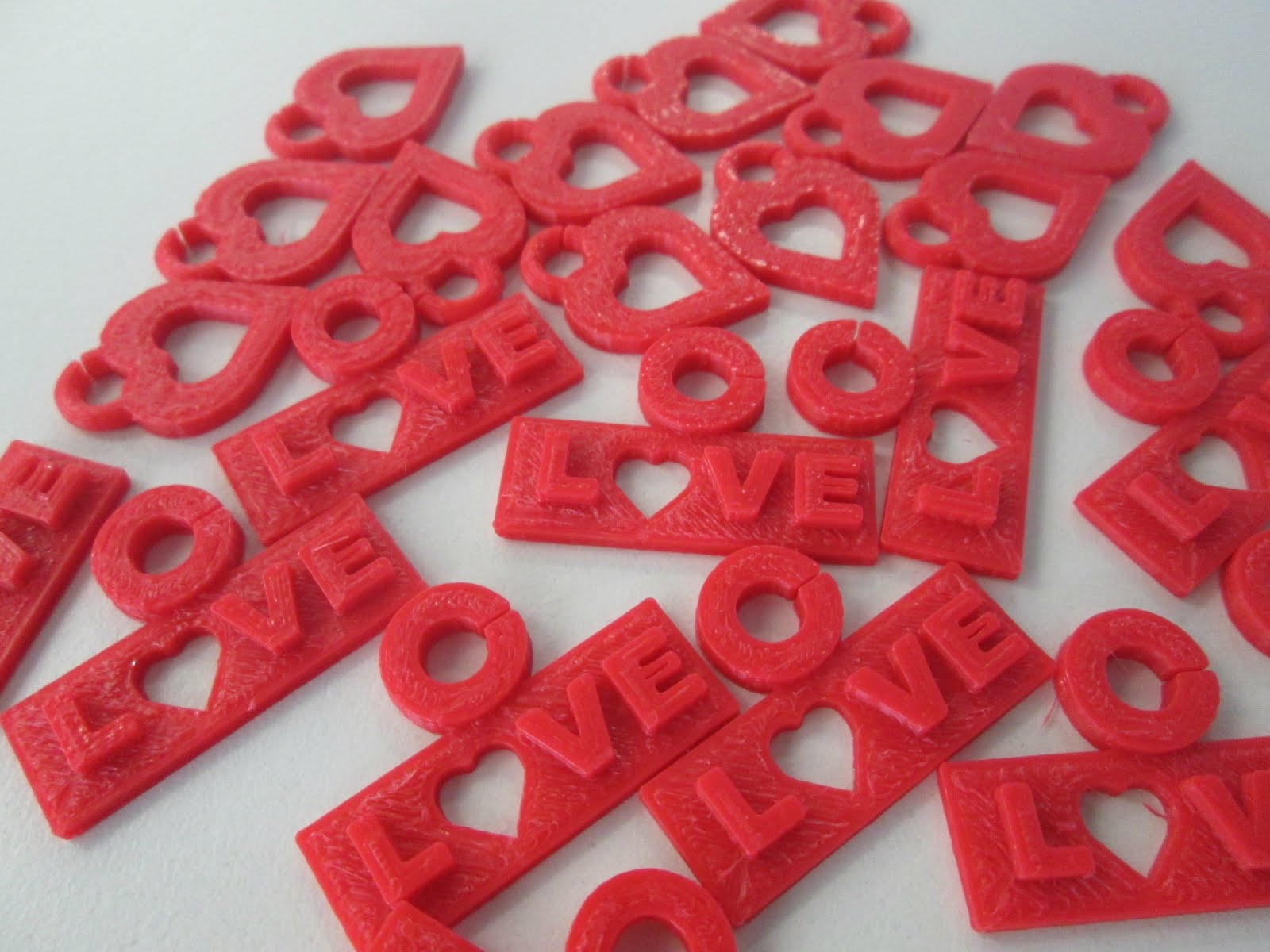
That idea of finding a phrase that matches the emotions in our hearts really connected with what we hoped the Banding Together poetry would represent. Suddenly, we had a thought about our poems. What if we called them “Heart Poems”? They would have a connection to our inspiration from Joyce Sidman’s words. They would represent spreading the joy in our hearts to friends across the miles. They would also be symbolic of the heart charms that we have been creating on our Makerbot 3D printers.
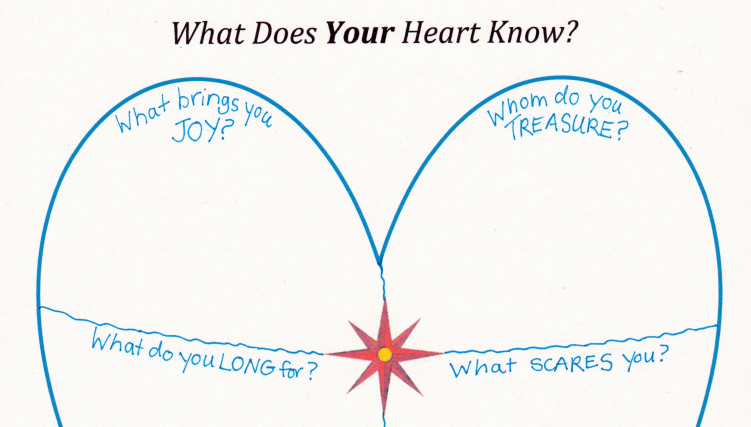
We both reached out to Joyce Sidman to share our ideas and see if she would like to meet our students to kickoff the heart poem project. Not only did she say yes, she pointed us toward a great graphic organizer on her website that would help our students figure out what their heart knows.
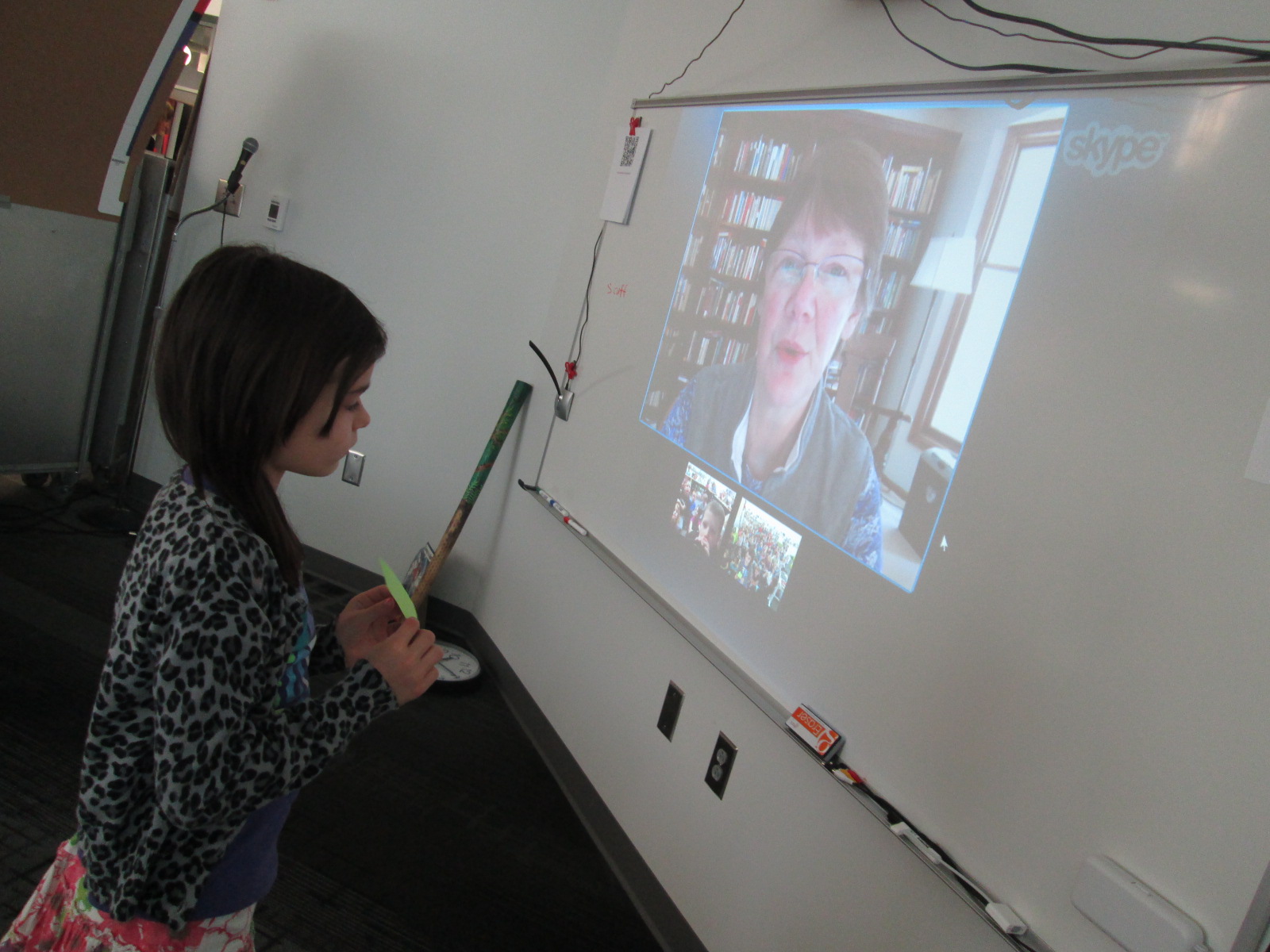
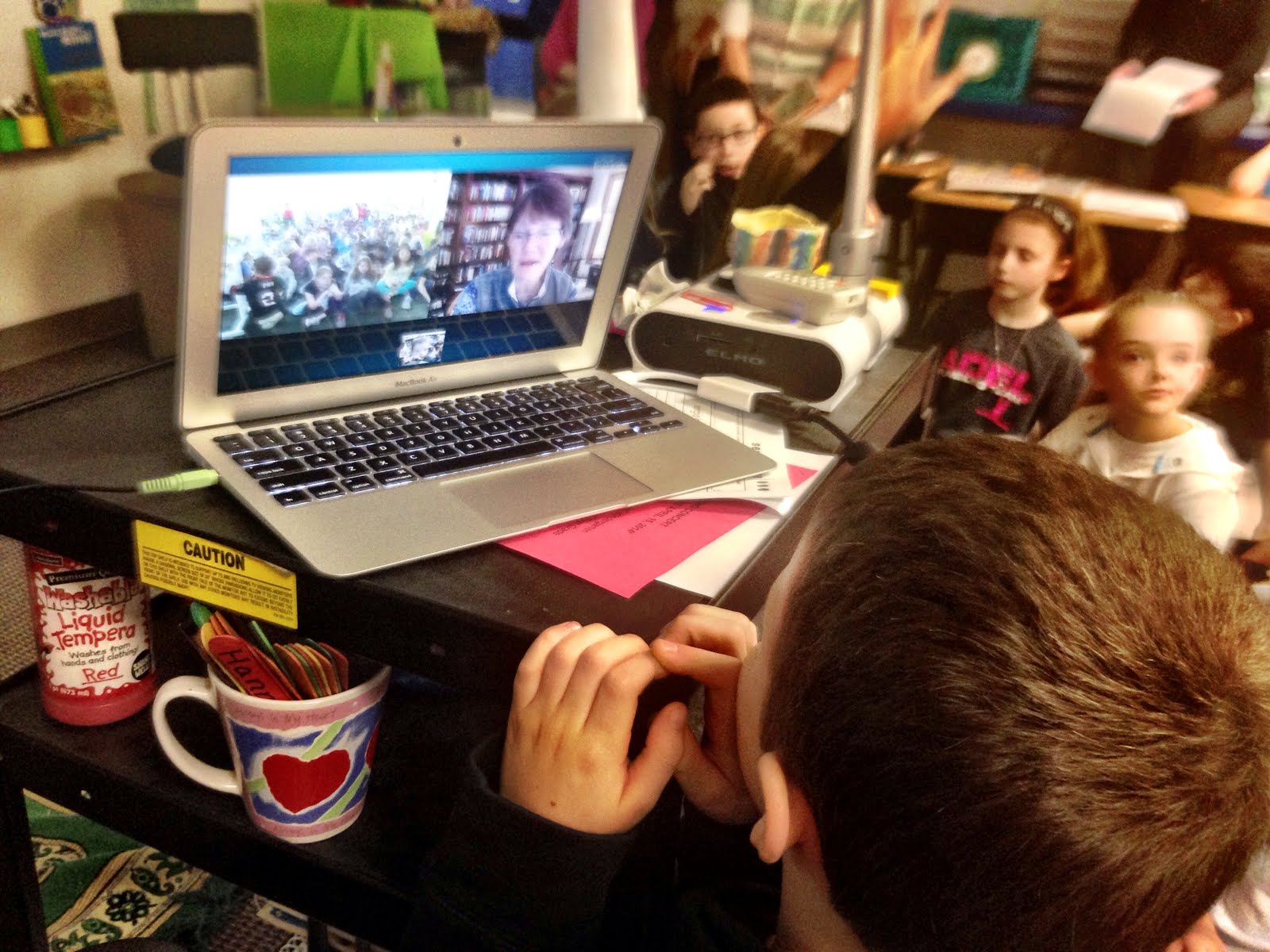
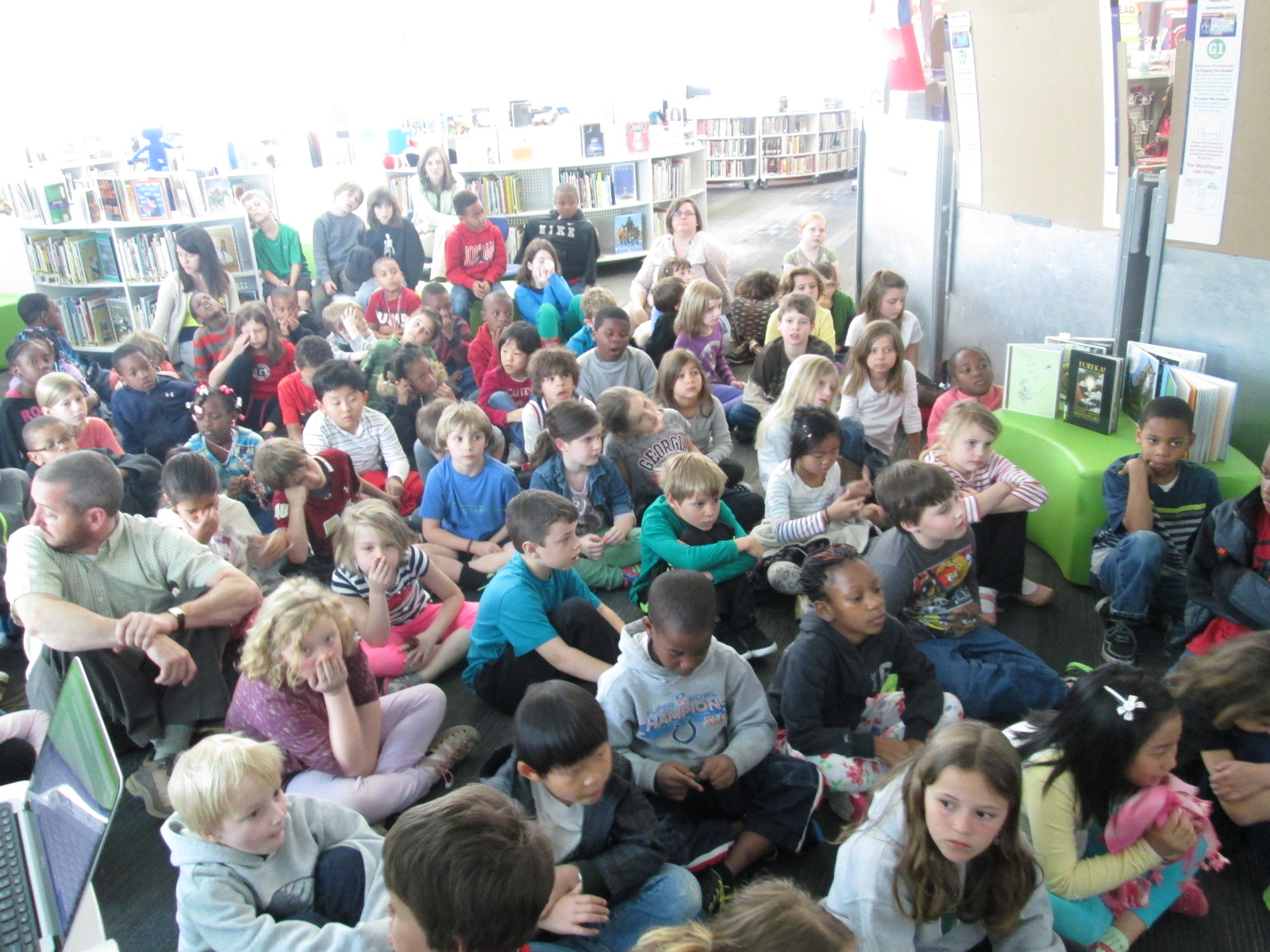
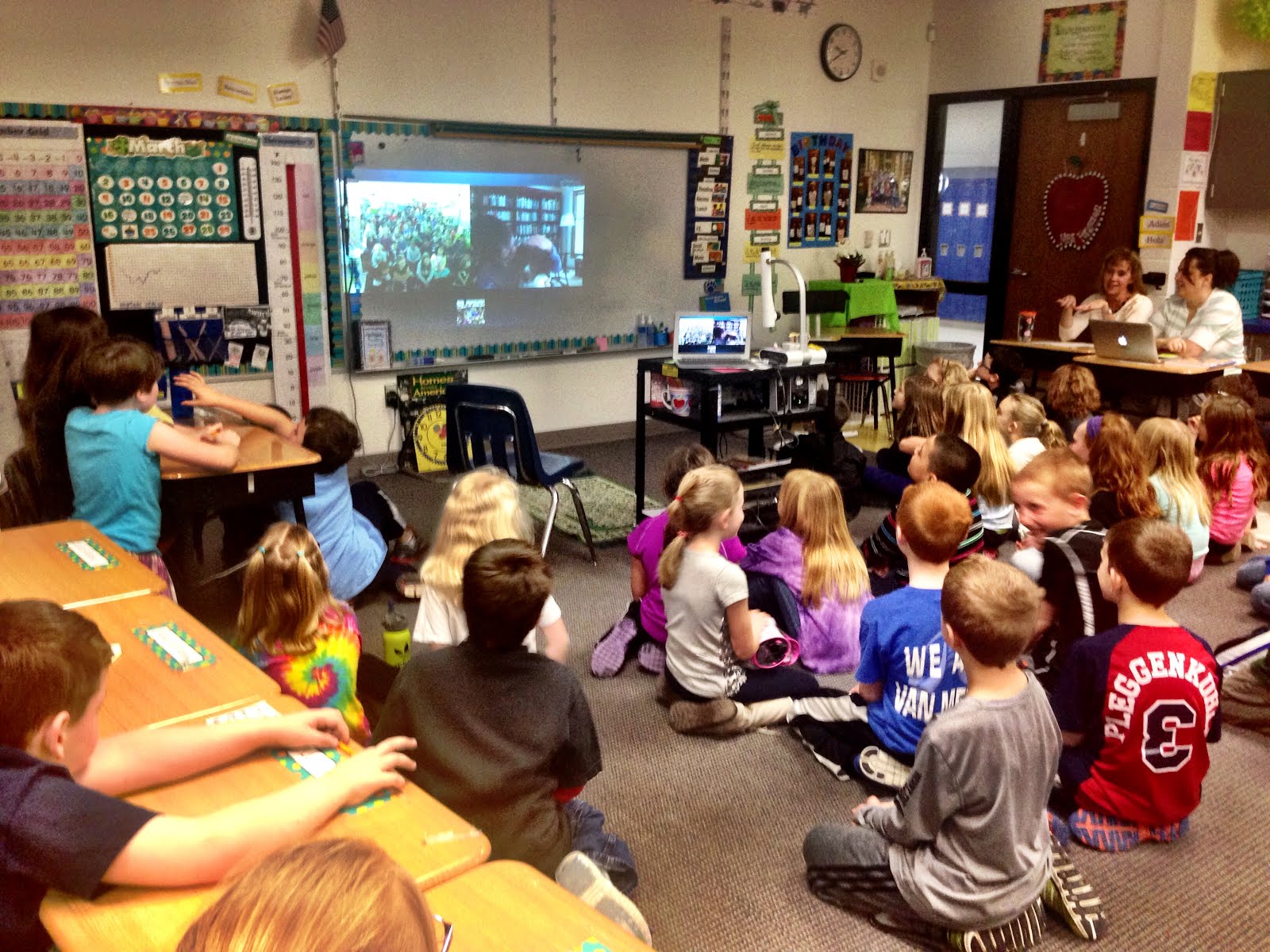
Today our students in Athens, Georgia and Van Meter, Iowa came together with Joyce Sidman via Skype. After a quick hello and meeting her dog, she read the poem, “Blessing On the Smell of Dog”. She reminded us that when she is with her dog, she feels like she is home.
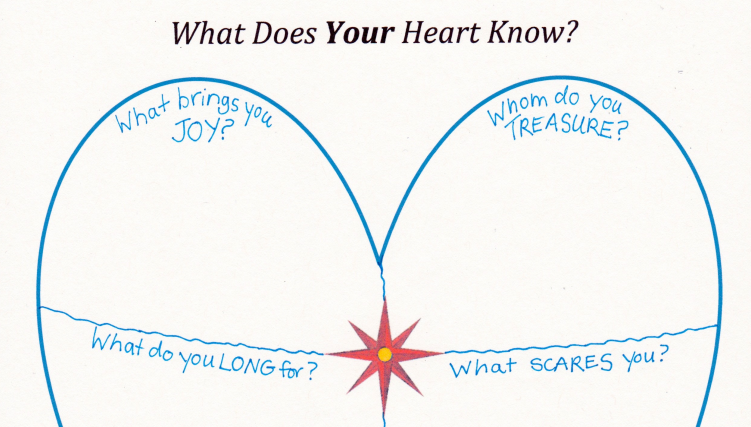
This setup the idea that poems come from what he hold in our hearts whether it’s joy, treasures, things we long for, or even what scares us. Joyce spent time walking through each question on the graphic organizer and giving examples of what the question means to her and why it’s important to think about all of these emotions we hold in our hearts, even the feeling of being scared.
She encouraged our students to write from their hearts. She also connected with our Banding Together project. She said, “You’re helping form a bond between you and kids in another part of the world.”
Our students were able to ask her some questions at the end of our Skype. When asked why she writes poetry and not other kinds of writing, Joyce said, “I notice the things that are happening around me and I celebrate them. Poetry allows me to focus on that one thing”.
She also told our students, “Even if there are times when you don’t write, you can always go back to writing from your heart.”
Our students left this experience eager to begin writing heart poems to attach to our Rainbow Loom bracelets. They will fill out the graphic organizer and then submit their poems using a google form.
Students can quickly get to this form from Symbaloo or by scanning this QR code.
Poems will go into a spreadsheet when they are submitted which will allow us to easily print them and attach to our bracelets.
We invite you to join us by submitting your own heart poems. Use Joyce Sidman’s great graphic organizer and have your students submit their poems in our Google form. We’ll attach them to bracelets that we have as well as share them with other special friends in coming months. You can also use the hashtag #heartpoems to share some of your poems on Twitter.
Thank you, Joyce Sidman, for inspiring this special addition to the Banding Together project, and thank you for taking time to connect with our students.
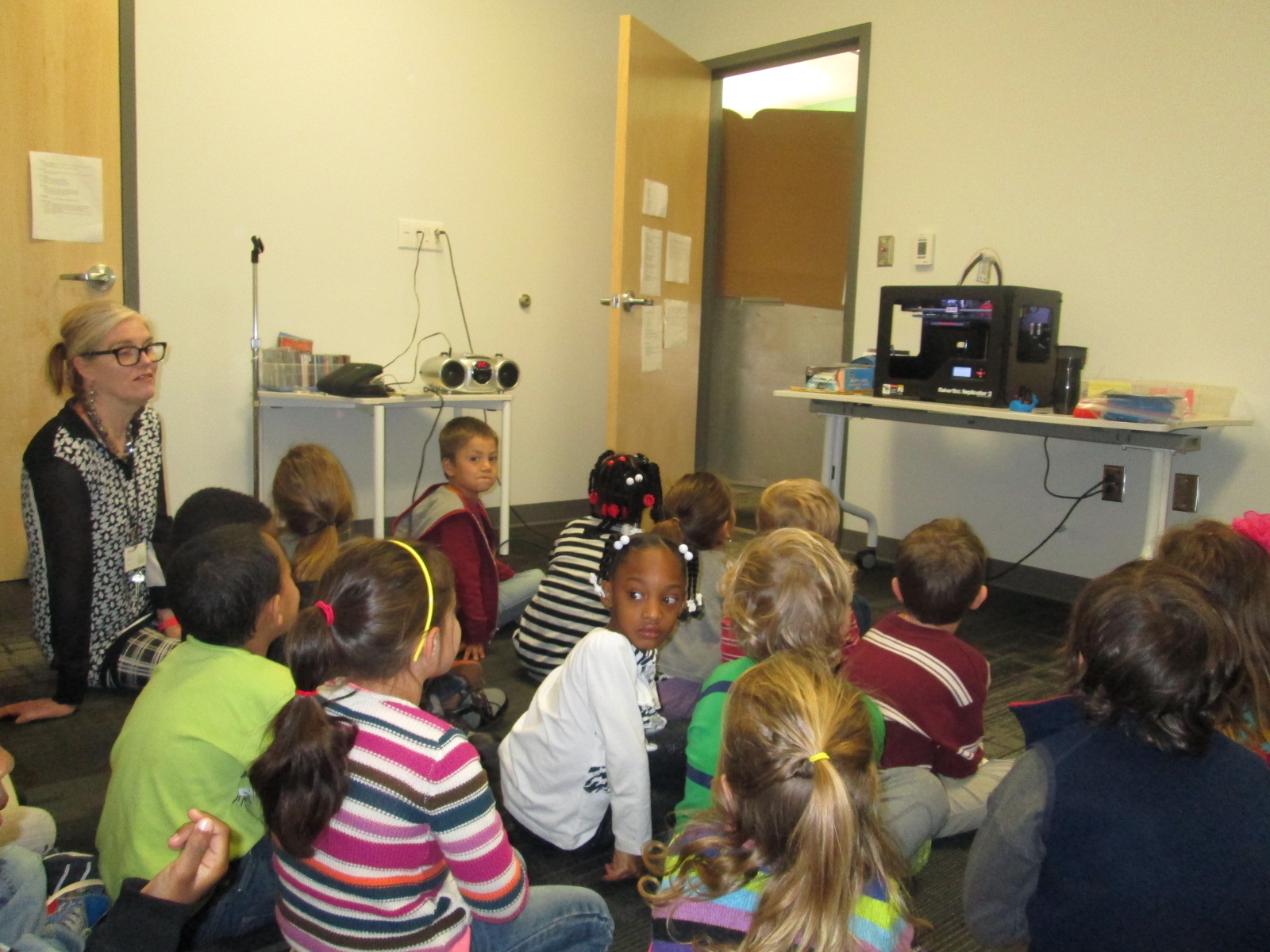
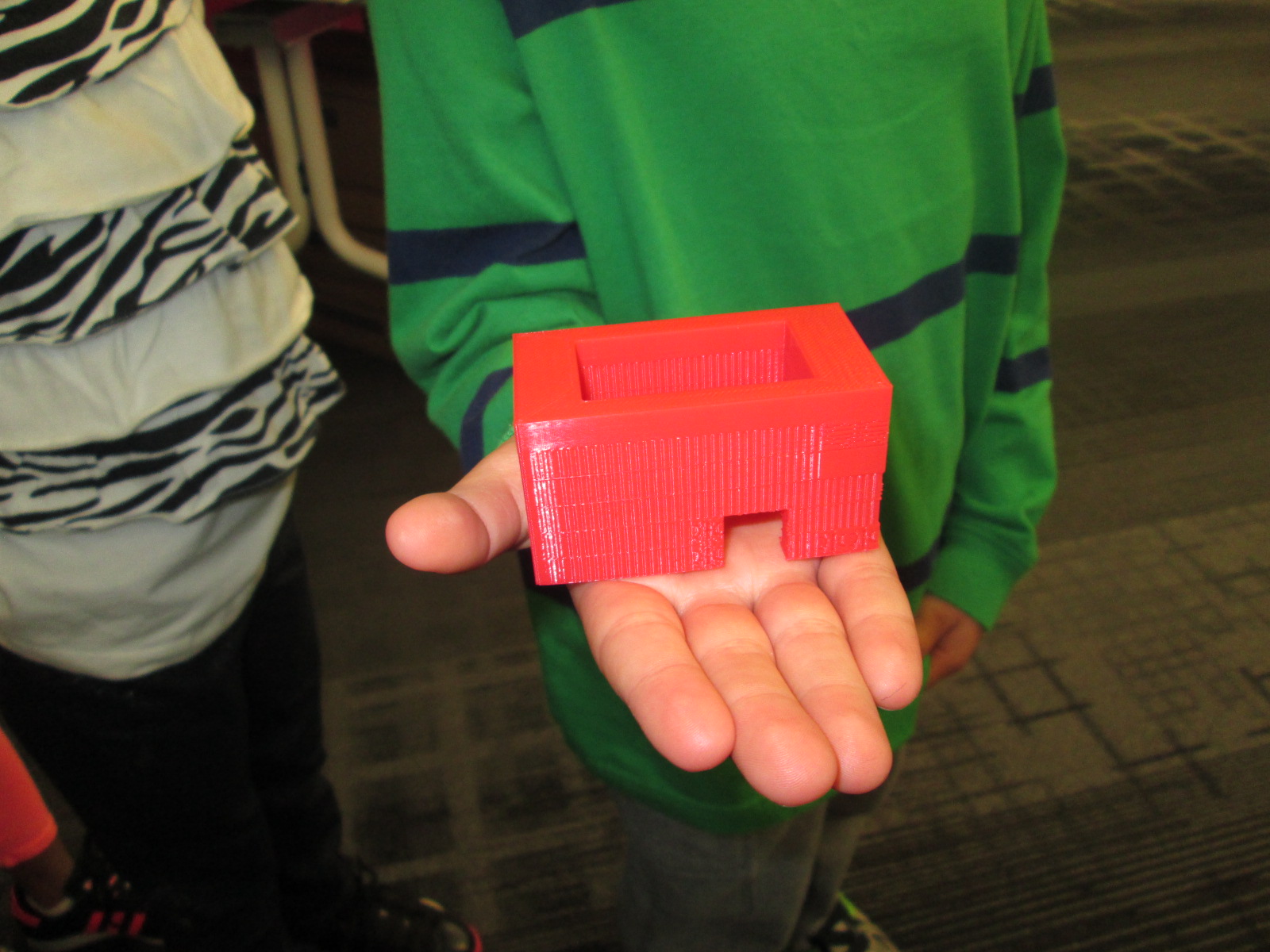
Today, Mrs. Kelly Hocking brought her Kindergarten class to the library to begin 3D printing their creations that they made with the Blokify app on iPad. It has been a few weeks since they made their creations. After they left the creating session, 5th graders helped email all of the files to me. We put them into Makerware, made them smaller, and sliced the files for 3D printing. All of the files went onto the SD card to be ready to print.
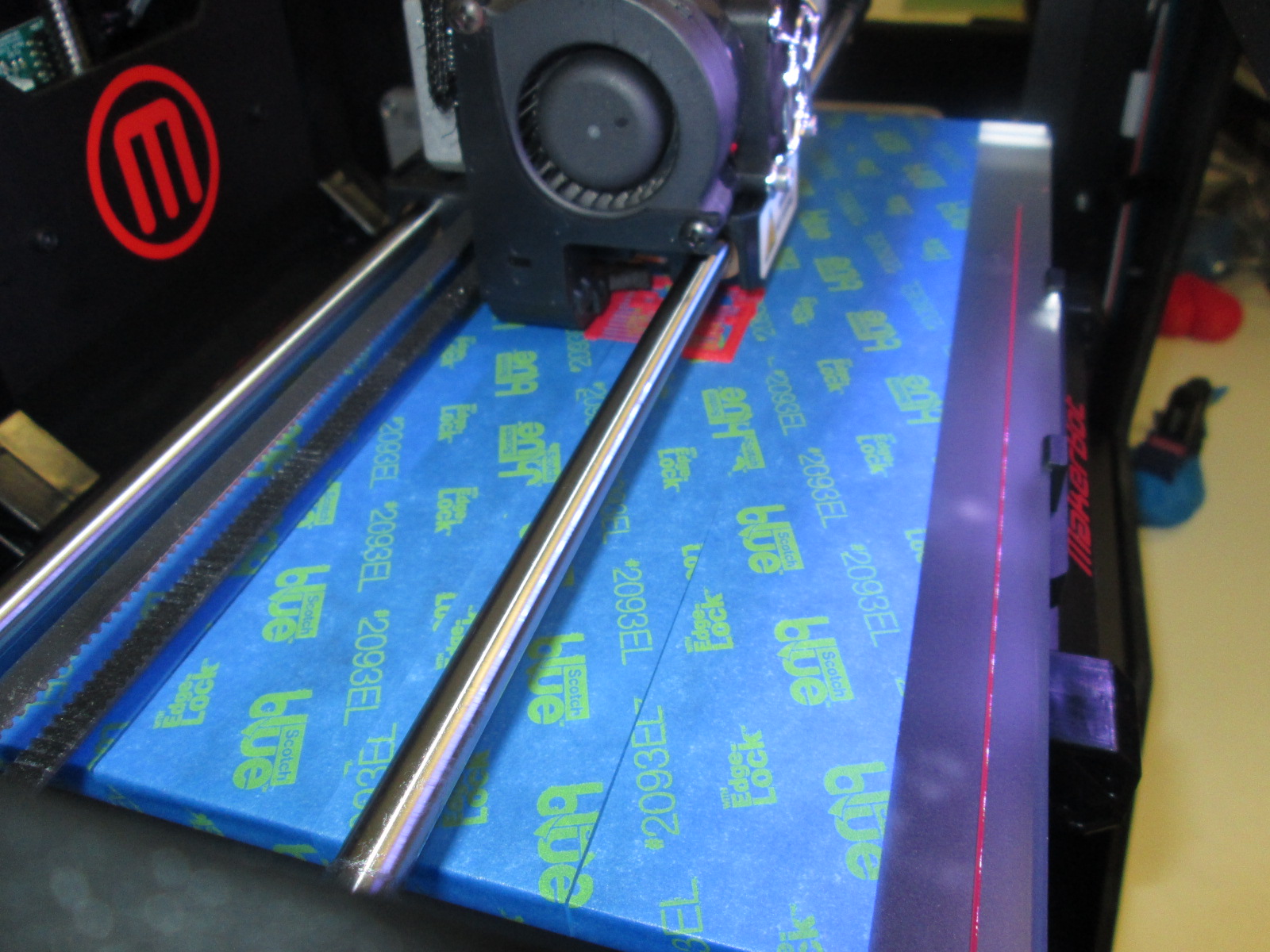
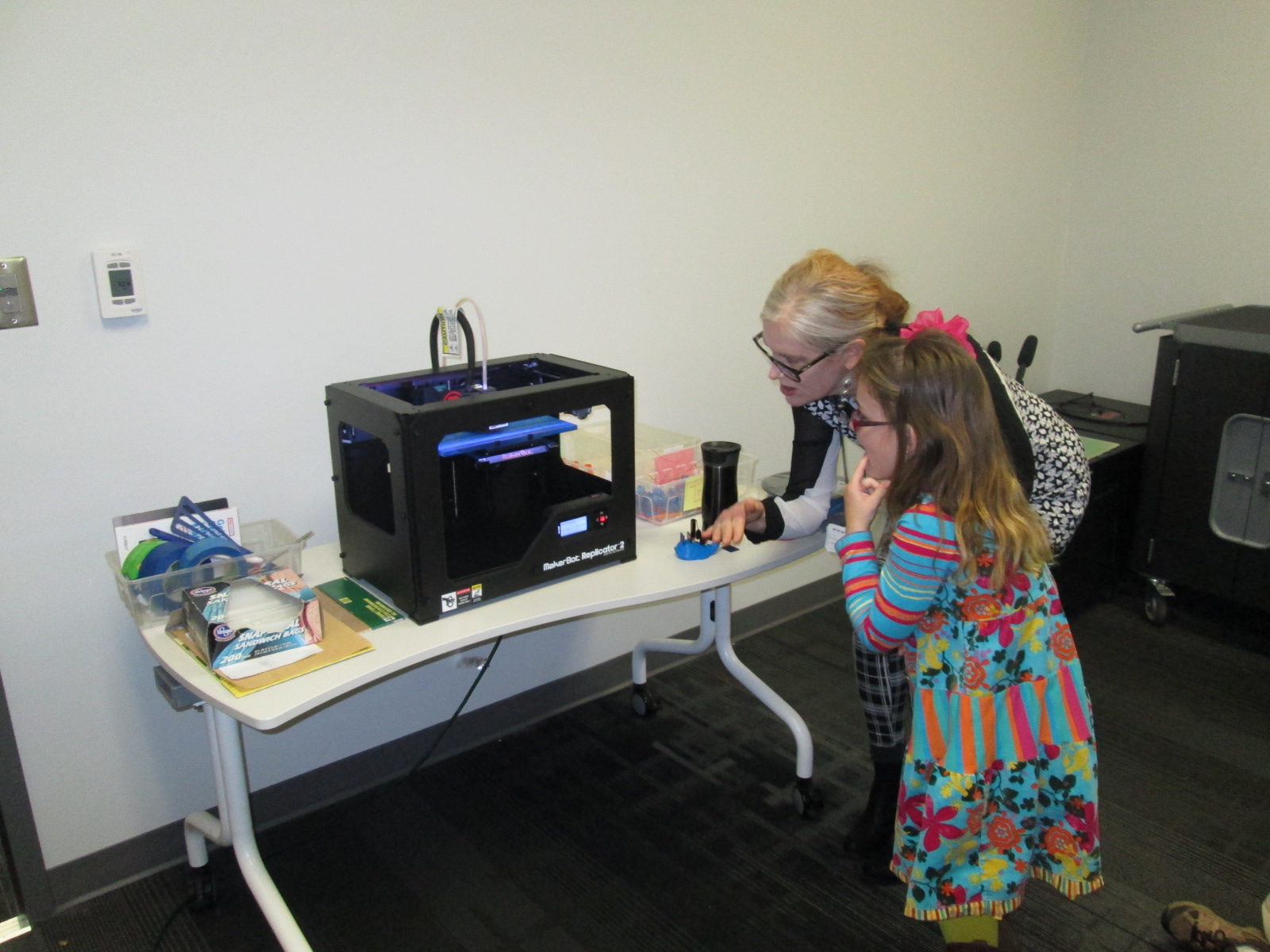
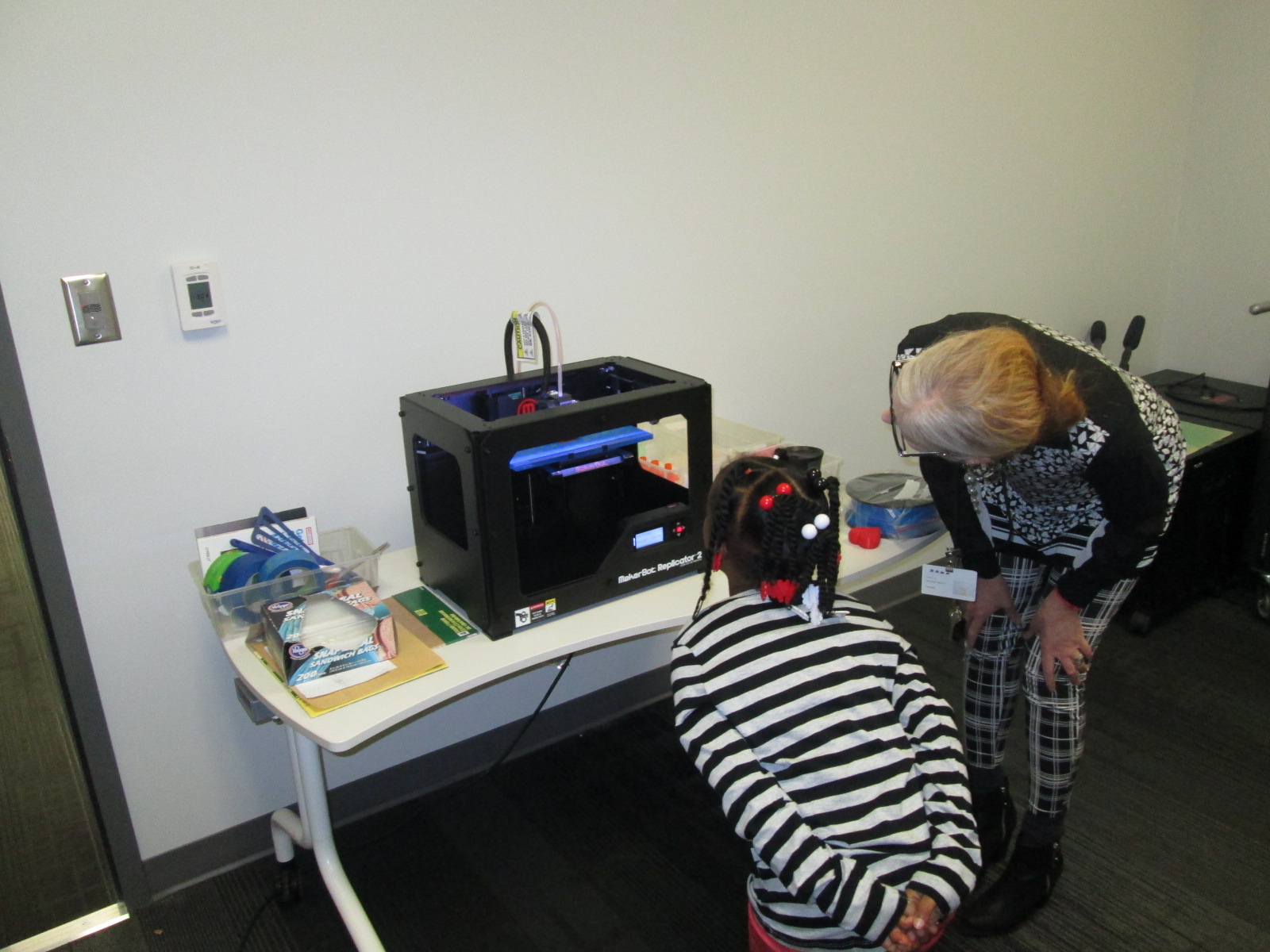
Today, they all sat in front of the 3D printer. We spent some time talking about what a 3D printer is and looked at some of the creations it had made. We also talked about the safety of not touching the printer while it is printing due to the heat and the fact that bumping the printer could mess up the print.
Finally, we cued up a file on the screen and the student came up to press the M to start the print.
They loved watching the build plate raise to the top. There were even oohs and ahhhs as the printer was heating. Once the printing started, we let one student at a time come up to peek inside and see what 3D printing looks like. They were all amazed.
Mrs. Hocking is working with all of these students to stretch their imaginations. They are going on a virtual field trip to Boston over the next few weeks and along the way they are virtually stopping in each state and learning something about that state along the way. For example, next week we will read the book Suryia and Roscoe: The True Story of an Unlikely Friendship and visit the sanctuary where they live in Myrtle Beach South Carolina. Mrs. Hocking is having the class imagine packing a virtual suitcase that they can put anything in. Today, they want to add the Makerbot to their suitcase.
These students are also planning out imaginary gardens in their minds. Their Blokify creations will eventually find a spot in those imaginary gardens and students will imagine what it’s like to go inside of their Blokify creations. They will create art and stories to accompany these 3D printed sculptures in their imaginary gardens. I always love the imagination and creativity that Mrs. Hocking brings to life in her classroom.
Over the next few days, the Blokify creations will continue to be printed until all 21 are done. Then, the imagination and creating of stories will begin.
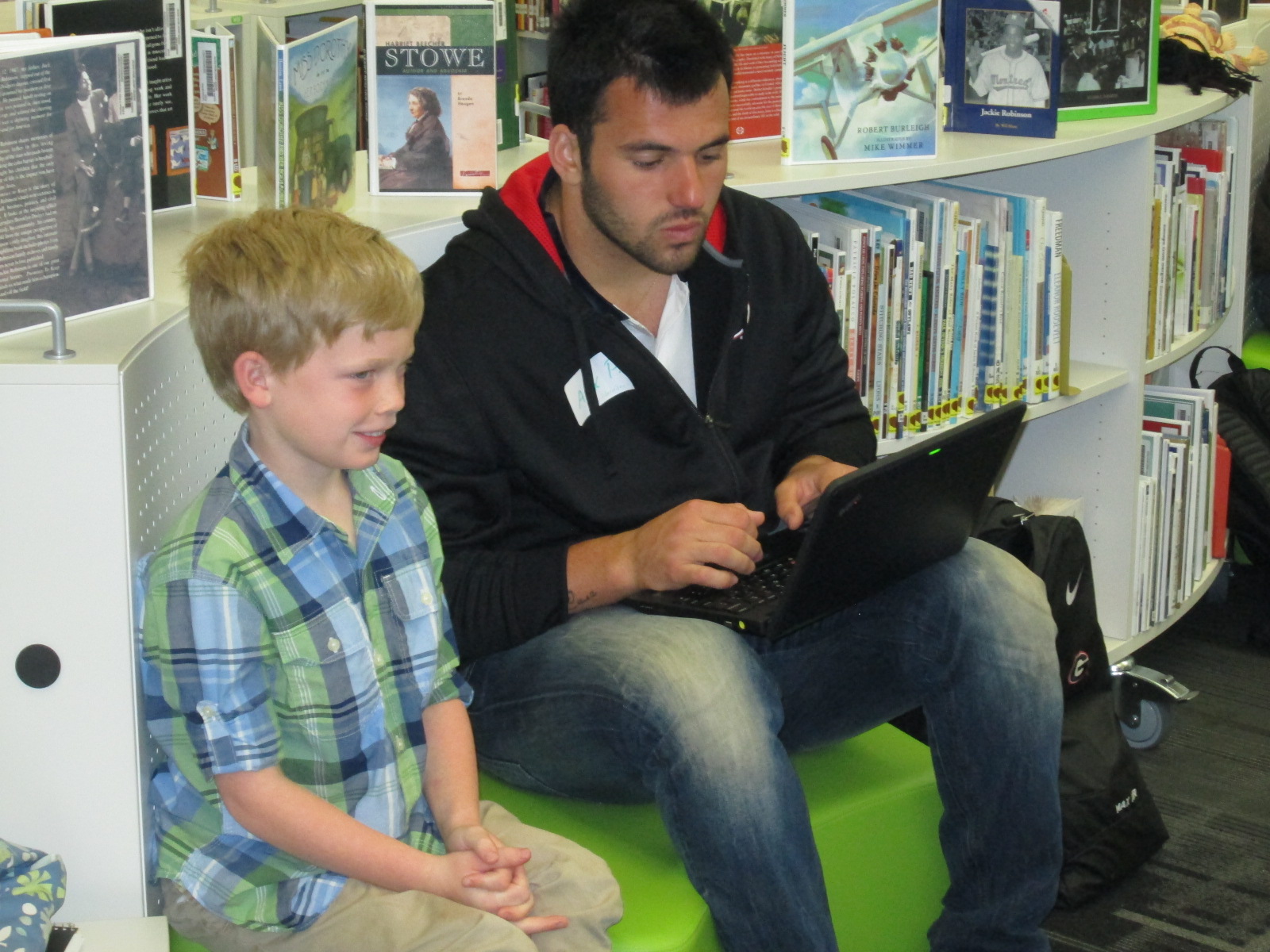
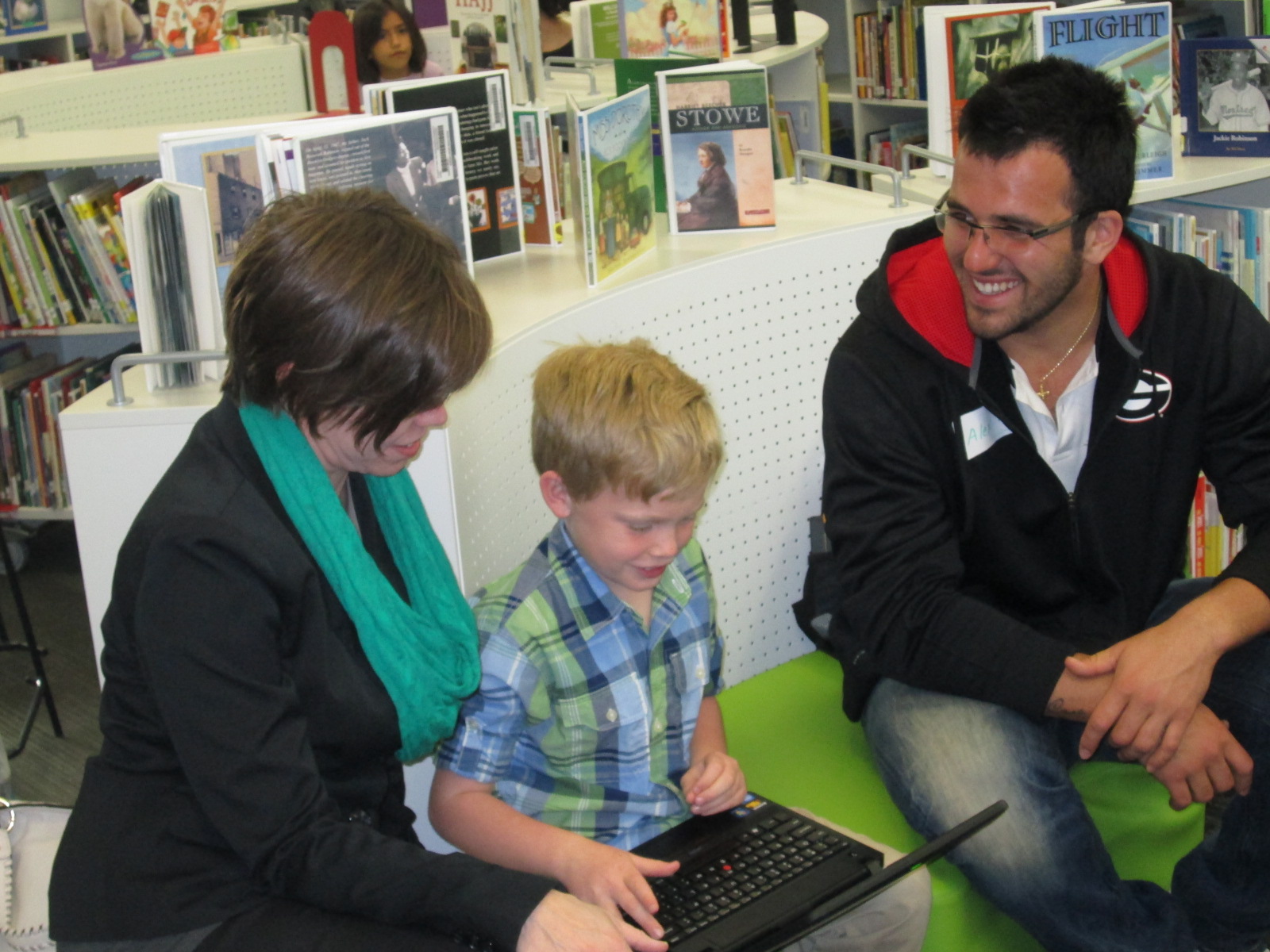
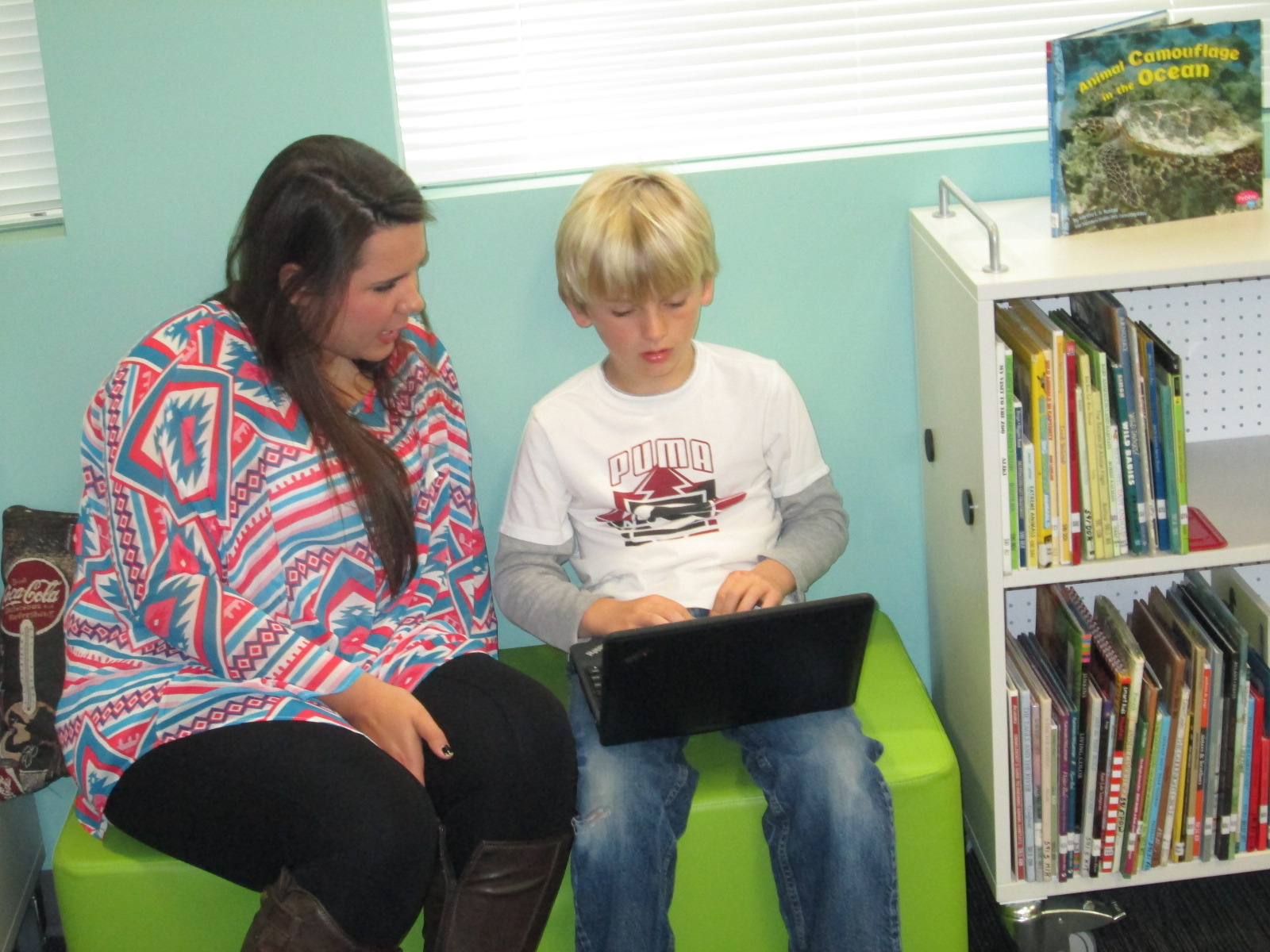
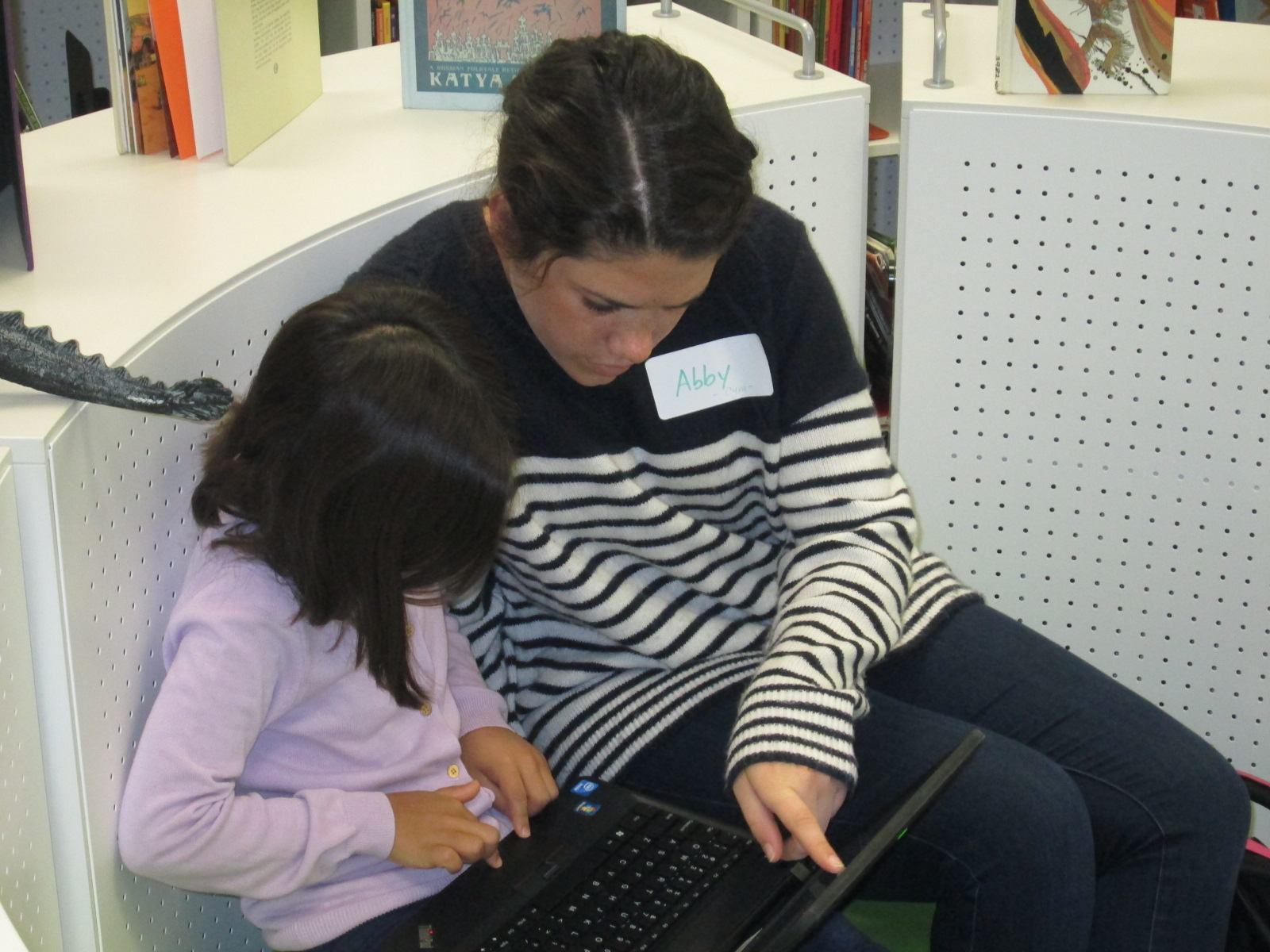
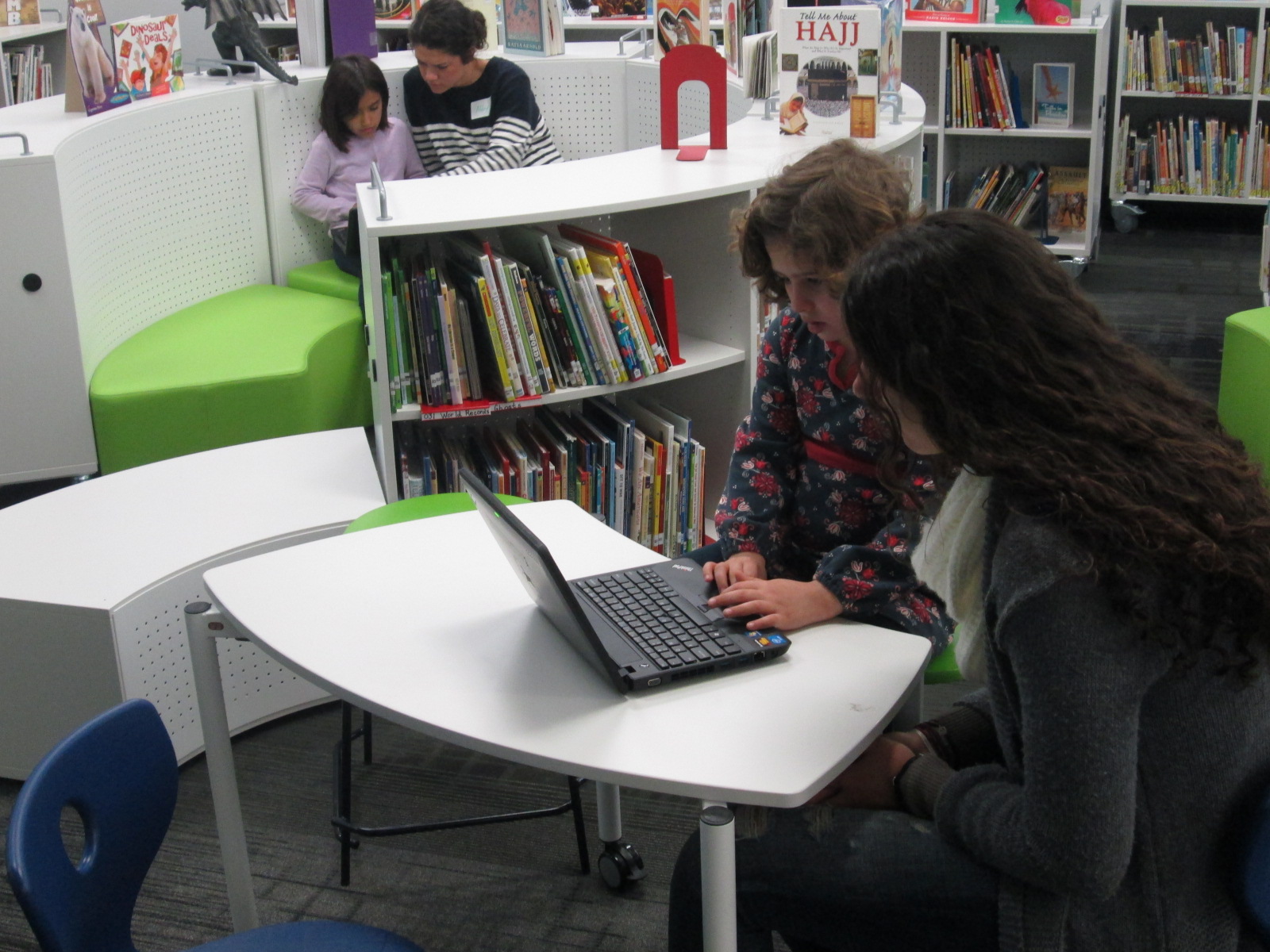
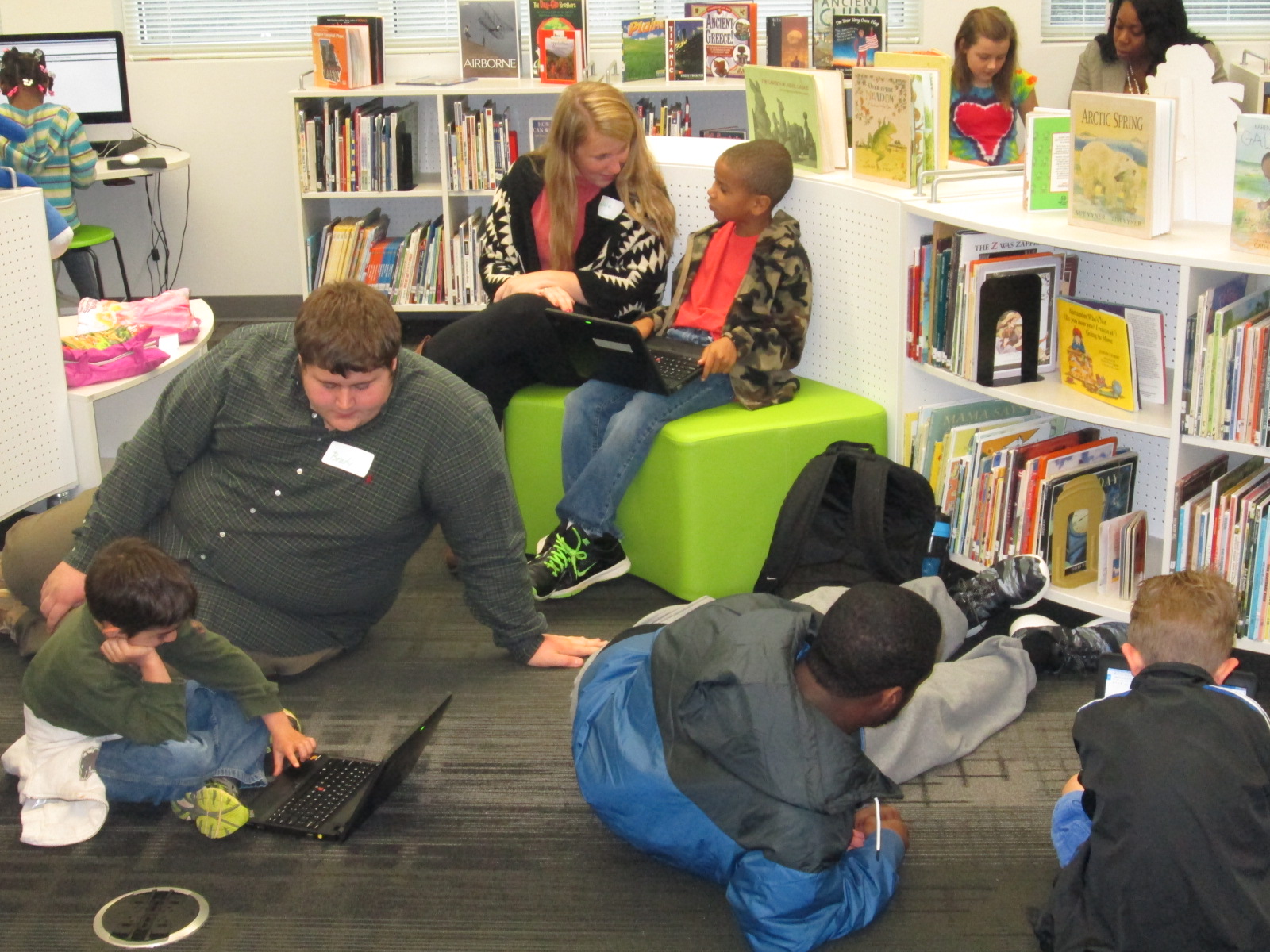
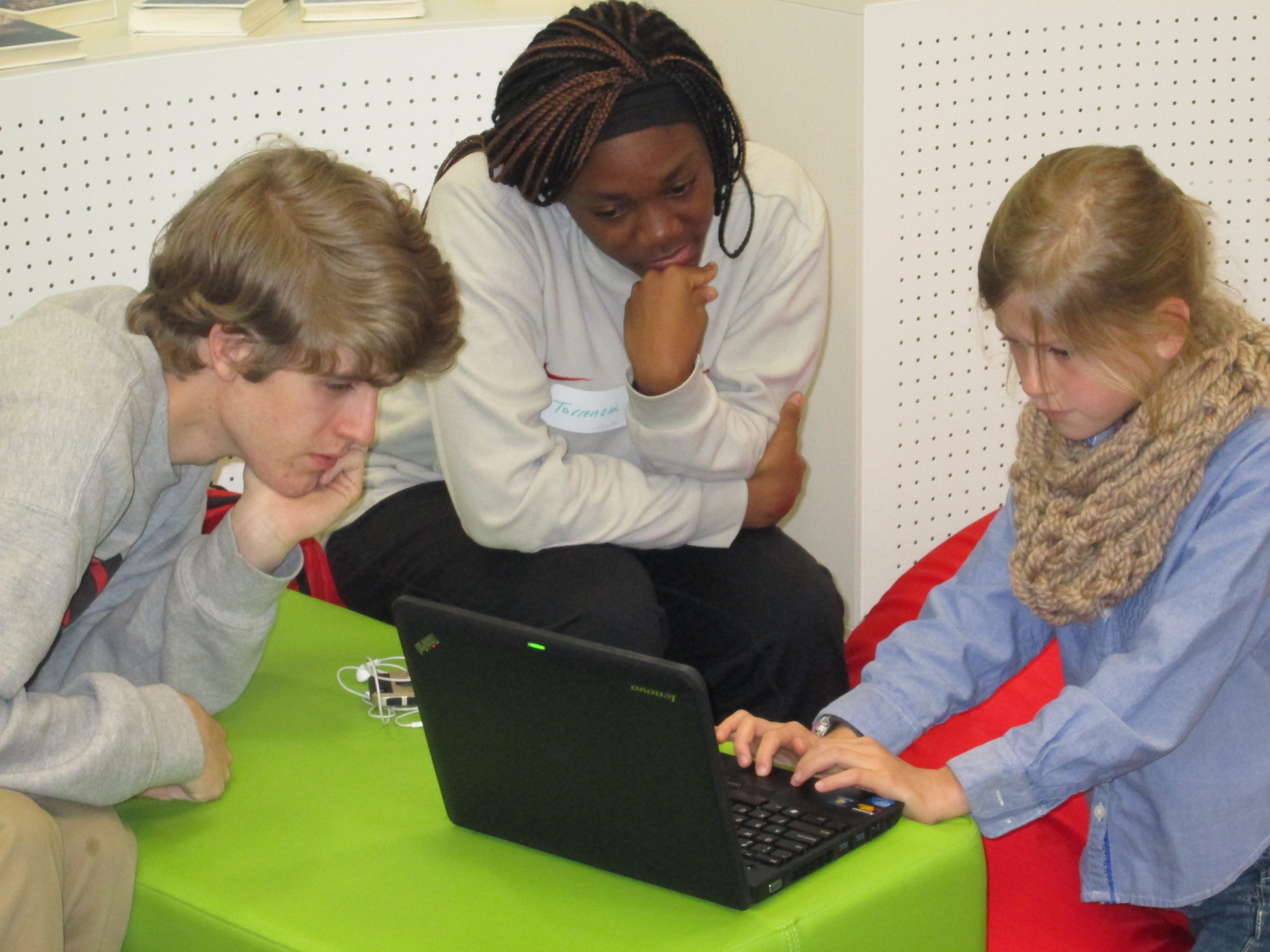
Last week a group from Gretchen Thomas’s EDIT 2000 class at the University of Georgia partnered with Caitlin Ramseyer’s 2nd grade class to work on research for the students’ GeniusCon projects. Students are answering the question: If you could change one thing about your school, what would it be?
Students topics range from improving the lunch menu to healthier options to adding additional playground equipment to eliminating homework to starting school later in the day. Even students who share the same topic are taking different approaches to what they would change and how they would do it.
Today, a new group of Gretchen’s students came to work with the 2nd graders. Last time, most 2nd graders went through their lists of questions and answered them with their own thinking. Today’s focus was to move to researching online and in books as well as developing next steps.
I loved walking around and seeing some of the online reading that students were doing with their partners.
I also loved seeing how the UGA students interacted with the 2nd graders and how they helped to keep our students focused and thinking. Of course, the UGA students learned a lot too about how much our students know about using technology.
Some of those next steps involved created Google form surveys that could be emailed out. Some students crafted emails to send out to the lunchroom or the principal. We asked students to wait before sending anything out. The main reason in doing this was to spend a little more time thinking through the content of the email or the survey. For example, one student had one question in her Google form asking students if they would like more access to the 3D printer. She was ready to send it out, but after talking with me, she realized that if students wanted access to the 3D printer, we would have no idea what they wanted to do with it. Our conversation pushed her to think more about her survey before sending it out. Similar conversations were taking place all over the library.
At the end, Caitlin pulled her class together to debrief what they had accomplished.
Catilin’s students will continue working on this project and our UGA partners will return again.
In class, students explored force and motion through a Picture Perfect Science lesson about roller coasters. During this exploration, they learned key vocabulary and concepts for force and motion. After exploring, they learned even more about force and motion through informational text. Finally, students worked in collaborative groups to build their own Rube Goldberg invention. During this process, students were able to apply many of the concepts and vocabulary that they learned through the other experiences. I loved peering into their classrooms from time to time to watch them try to get their inventions to work. I loved how they tried something, failed, and then tried again. This is something we’ve had a lot of conversations about.
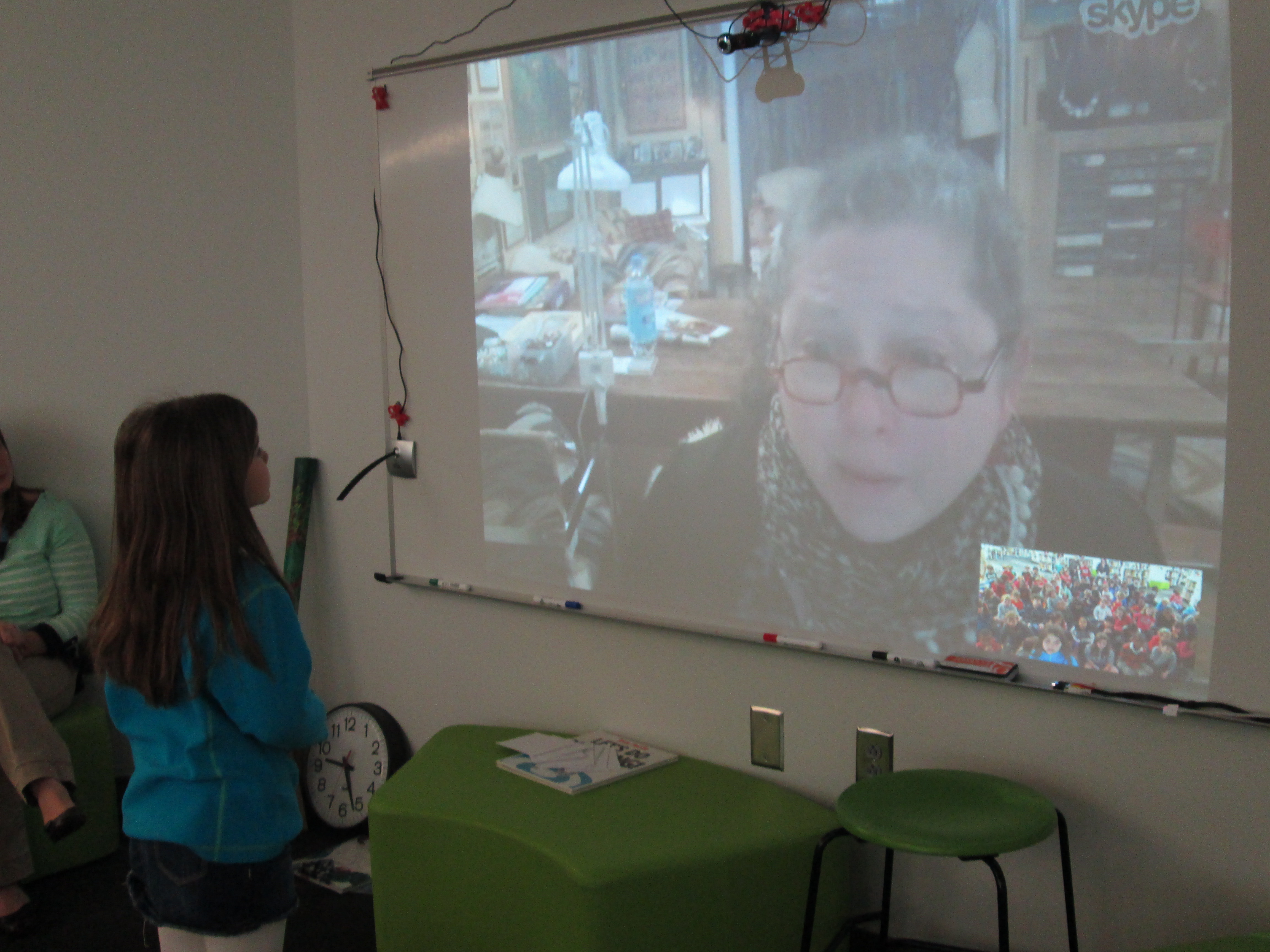
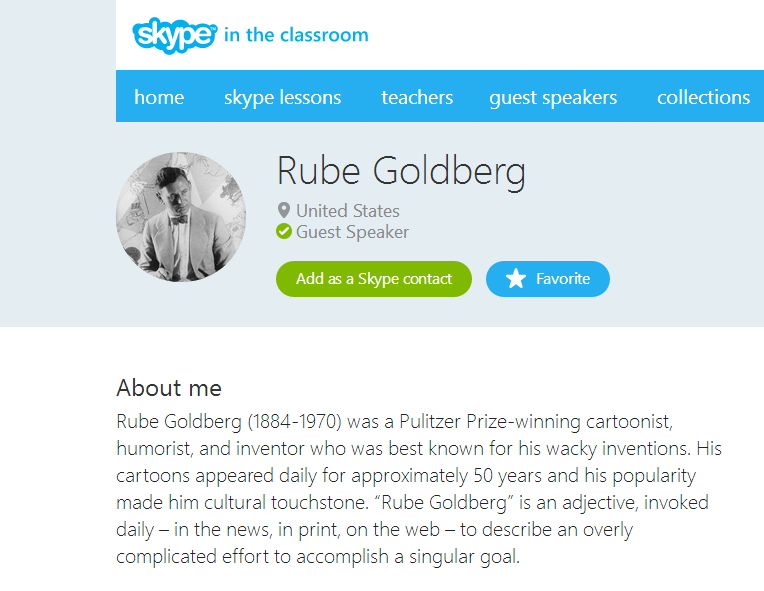
Today, thanks to Skype in the Classroom, students had the chance to Skype with Rube Goldberg’s granddaughter, Jennifer George. If you haven’t taken a look at Skype in the Classroom, you should! Teachers and guest speakers can post topics or lessons and classrooms can sign up to participate in those lessons. Once you sign up, you go through a process of communicating with the creator of the lesson or topics in order to schedule your Skype connection. Also, educators get a free Skype premium account for signing up.
Our connection lasted from about 40 minutes. During our time, Jennifer George shared some Rube Goldberg facts that only a granddaughter would know. For example:
he wore shoes when he went swimming
he was always on time
he ate whip cream for dessert and when cool whip came out he ate it by the bowl
when he got his 1st car, there were only 12 cars in New York City
She talked about how Rube Goldberg never built the inventions that he drew, but many people have taken his drawings and built the machines or designed their own. I loved how this fact fit in with our collaborative project and how each member of the team brings something different.
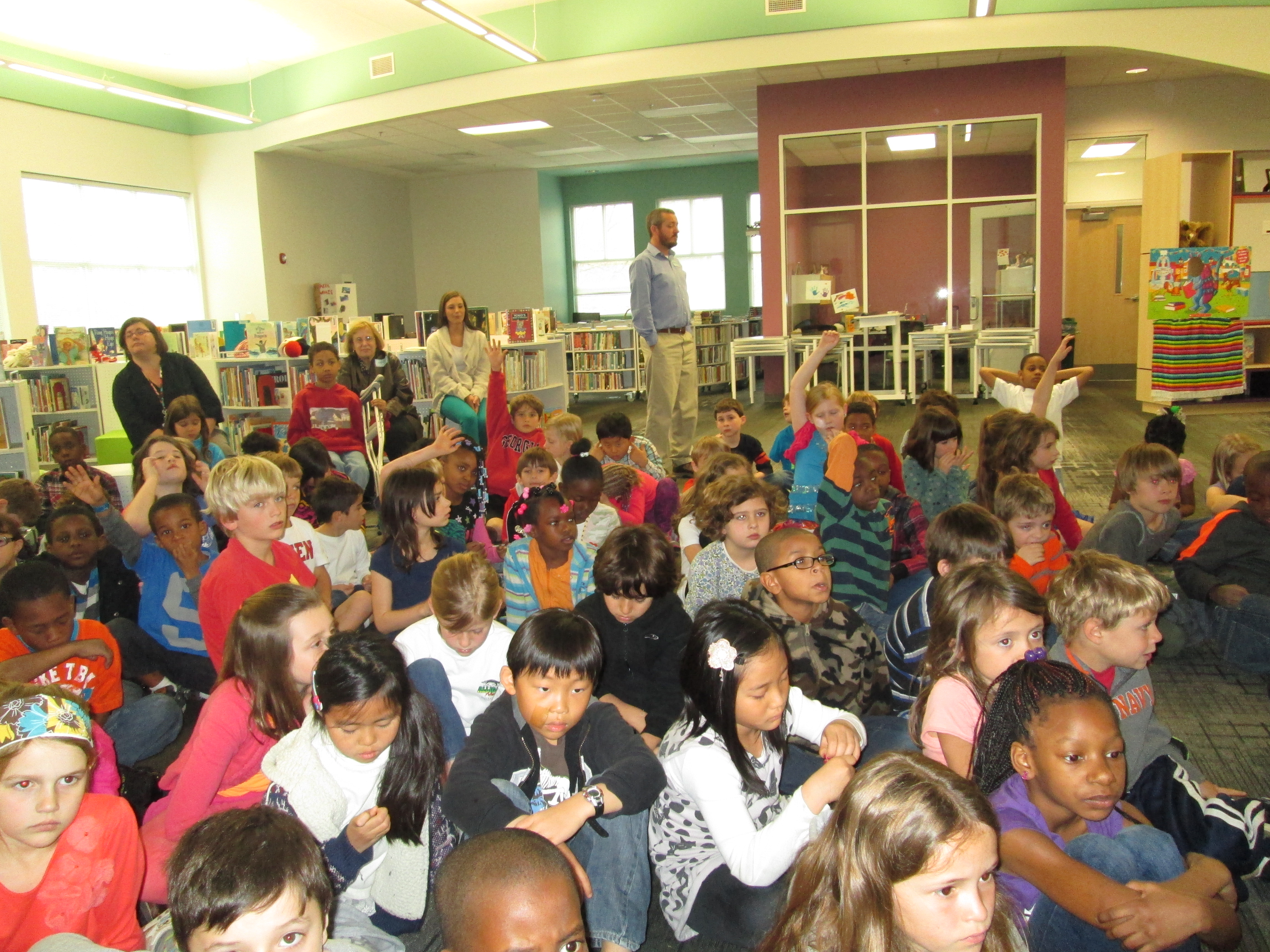
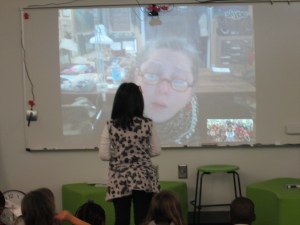
We also loved meeting Jennifer’s cat. The students couldn’t contain their excitement when the cat jumped up behind her on the counter. Jennifer gave us a close up view of him.
After Jennifer gave us some facts, she spent some time letting students ask questions. They love to do this. I loved how she listened to each student’s name and repeated it in her response. It made the conversation connected and personal.
It was during these questions that we learned things like:
Rube Goldberg created over 50,000 cartoons
He started drawing when he was about the age of our 2nd graders
Jennifer is a fashion designer who has designed clothing for several big celebrities like Madonna and Aretha Franklin
The students really wanted to see some of Rube Goldberg’s drawings, but thankfully thankfully many of them are available in a new book called The Art of Rube Goldberg. I think that students are going to be demanding that we get this book in our library. Thank you Jennifer George for sharing the stories and inventions of your grandfather with us. Thanks Skype in the Classroom for this fun time.
We have another Skype in the Classroom connection coming up soon with David Fox, developer of the Rube Works app that we have been playing. We can’t wait!
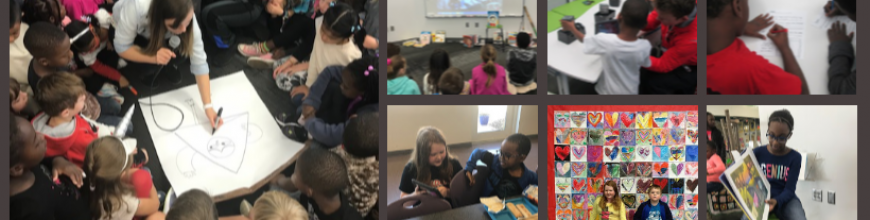
 Today Mrs. Ramseyer’s class came to work on book spine poetry. The past 2 days, I’ve had a graduate assistant and sometimes a special education teacher or other support teacher along with the teacher and I. However, today it was just me and Mrs. Ramseyer. It still worked great, but it was definitely a little more on our plates to manage with 6 groups roaming the library and working in about 5 different locations in the library. We still had fun, and in the end, the kids still wrote some fantastic poetry.






























 Expect the Miraculous