Exploring Chefs and Food Trucks with Cantata Learning’s Harmony Project

chef-jason-4

We love getting involved in global projects that connect us with different careers, cultures, and people. Last year, we shared what winter is like in our community of Athens, Georgia by contributing to an interactive ebook.

This fall, Cantata Learning’s Harmony Project is called “Give a Shout Out to Your Community“.  It will feature live connections with several community helpers such as chefs, authors, doctors, and farmers.  As students learn from these live connections, they are encouraged to explore their own communities and create videos that showcase their communities.

Students can also get involved in a service learning project in their community.  All of these products can be shared with Cantata Learning on their Harmony Project page so that they can be shared with the world and we can all learn about one another’s communities.

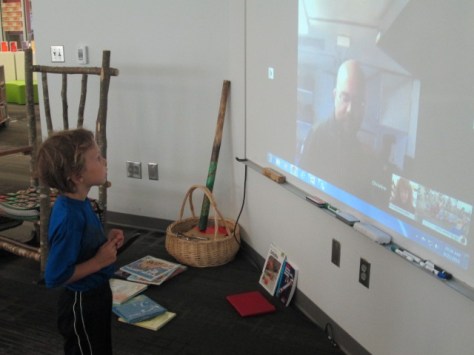
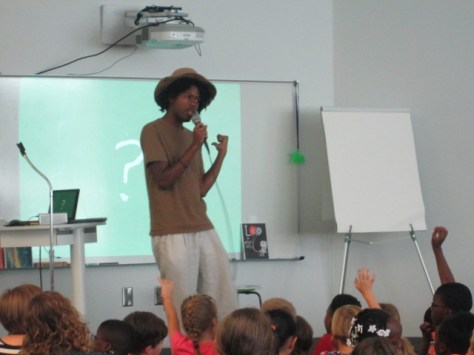
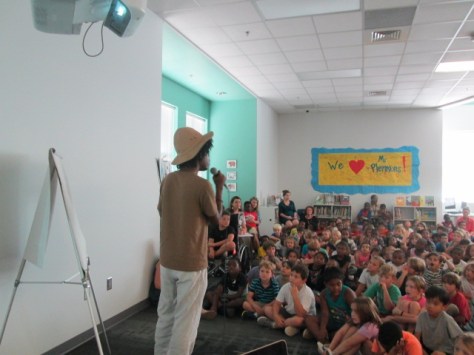
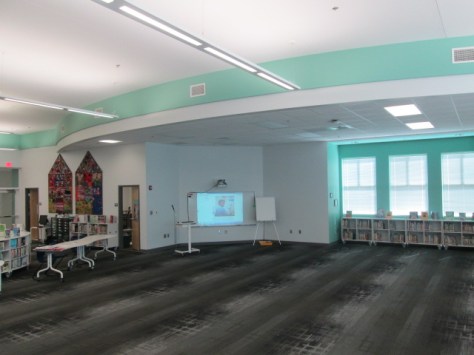
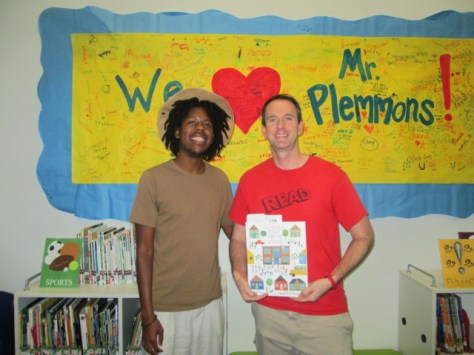
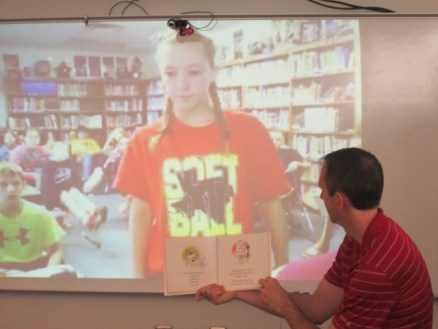
Today, Ms. Kelly’s Kindergarten class connected with Jason De Baca who is a chef and owner of a food truck in Denver, CO.  Through a Google Hangout facilitated by Shannon McClintock Miller, we were able to go inside the food truck, see a recipe prepared, and learn how a food truck works.

Ms. Kelly’s class also got to ask questions which was a very special part of our connection.  Students asked about how to become a chef, where to get recipes, where ingredients come from, what tools are used in cooking, who drives the food truck, and how much it costs to get started with a food truck business.

Jason was happy to answer all of their questions.

After we disconnected, we were able to look at a map to learn where Denver, CO is and how long it would take to get there.

Another exciting thing that happened was that a student in Ms. Kelly’s class shared that his dad owns a food truck. We hope this might lead to an opportunity for us to actually go inside a food truck or sample some food truck food.  It was also a special connection to see how food trucks are a part of our community in Athens, Georgia and Denver, Colorado too.

chef-jason-1

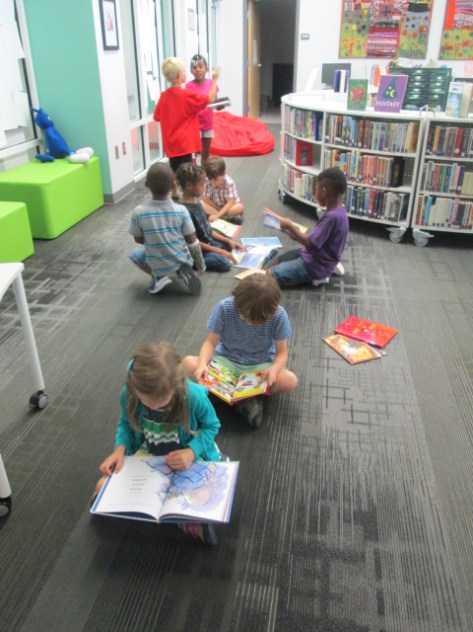
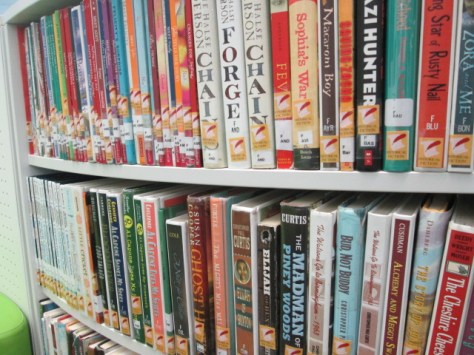
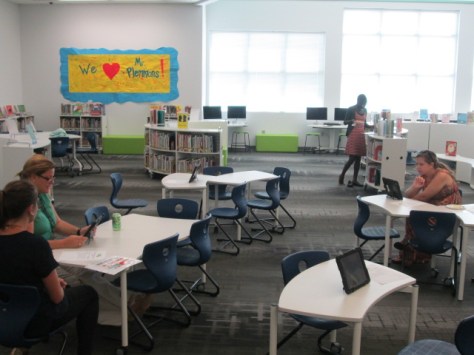
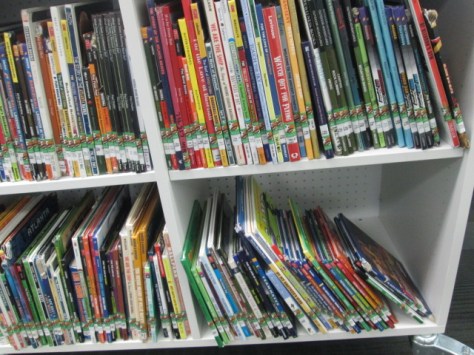
This connection also allowed me to highlight our cooking and food section of the library.  This section includes cookbooks as well as books on where food comes from and how kids can get involved in growing their food.

chef-jason-8 chef-jason-7

Ms. Kelly’s class is always dreaming up something exciting, so I look forward to what they will dream up after exploring food trucks with Jason and Cantata Learning.

Take a look at our whole connection.

Athens, GA & Seodaemun, South Korea: A Global Art Collaboration

korea-flipgrid-6

In June 2015, the mayors of Athens, GA and Seodaemun, South Korea signed a Memorandum of Understanding.  This MOU calls for both cities to exchange leadership programs in private and public sectors that promote economic development.  That basically means that our cities have a friendship to exchange ideas.


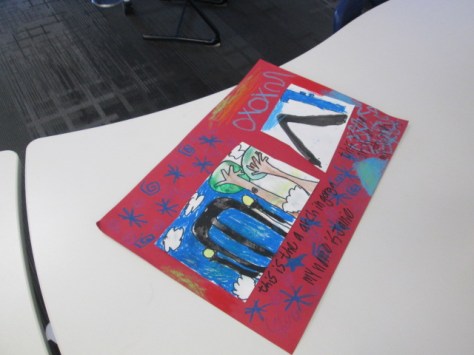
As a part of this collaboration, the 2nd graders at our school are engaging in a collaborative art project with students in Seodaemun.  This has been an exciting and challenging undertaking for our students and teachers, but it has been full of rewarding experiences.  The classroom teachers, art teacher, and media center all supported the students at Barrow in carrying out the project.

korea-research-4 korea-research-1 korea-research-3

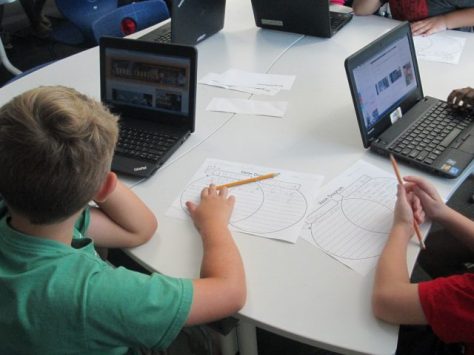
In class, students read the book Same, Same but Different by Jenny Sue Kostecki Shaw.  This set the stage for students thinking about how our city of Athens is the same as Seodaemun and how it’s different.  My wife, Denise Plemmons, in the Athens-Clarke County Economic Development Department, shared several websites with us to learn more about Seodaemun. I added some additional sites for students to visit that included resources from our state-funded Galileo databases. These were all housed on a Symbaloo page for students.

Teachers paired students within their rooms to research and create art together.  Students used a Venn diagram to write brief notes on what was the same and different between our cities. For example, students learned that we have an arch at UGA and Seodaemun has an arch at Independence Park. They saw that we go to school for 7-8 hours per day and Seodaemun may go up to 16 hours per day.  Research was done in the library, and prior to letting students search on their own via the Symbaloo, I provided some tangible examples like these to put into the diagram.

korea-flipgrid-9

The research was a challenge.  One reason was just the lack of resources on a 2nd grade level. The other big challenge was that students are 7 and 8 years old. There are currently studying regions of Georgia, so adding in a country on the other side of the world was hard to grasp within that context. We found that some students thought they had been to South Korea when in fact they were thinking of South Carolina. It may seem humorous, but it was valid conversation that we worked to clarify in the library, art room, and classroom.

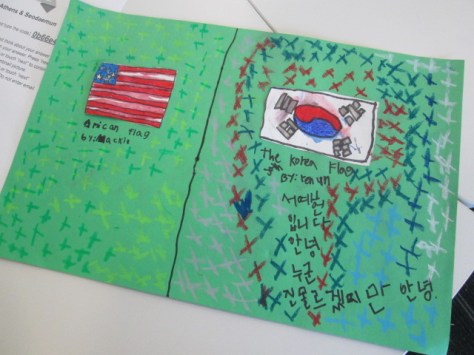
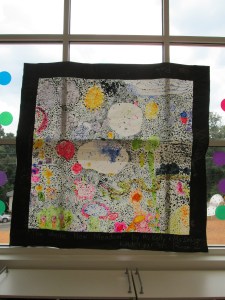
After an hour-long session of research, students took their work to Ms. Foretich in the art room.  They used their Venn diagram to decide what art they would create that would show something that was the same or different between our cities.  One of the partners painted the Athens side of the art, and the other partner painted the Seodaemun side.


In classrooms, teachers continued to share maps and facts about our two cities. Mrs. Yawn, the 2nd grade team leader, worked to plan a morning of rotations for all of the 2nd graders. Some of our students are from South Korea, so she invited the parents of those students along with support from UGA to offer rotation topics on culture, games, and food.

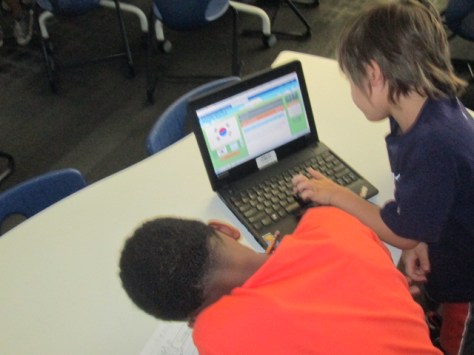
Another part of the rotations was for each class to come to the library and record a Flipgrid video explaining what each pair of students learned about Athens and Seodaemun and what they created in their art.

Our goal is to send these Flipgrid links to Seodaemun so that the Korean students can respond back when they create their own art.

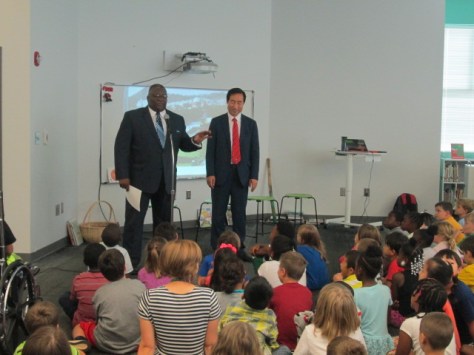
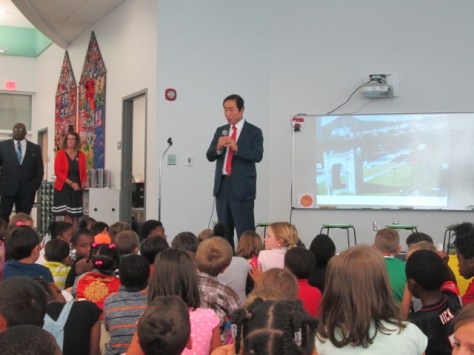
To celebrate the end of our portion of the project, the mayor of Seodaemun visited our whole 2nd grade along with members of the Athens Clarke County government.

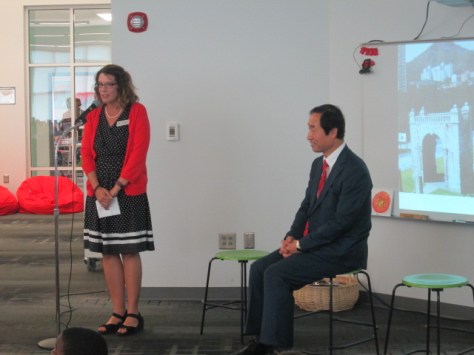
Dr. Ellen Sabatini, principal, welcomed everyone.

athens-seodaemun-8

Ms. Yawn, 2nd grade team leader, explained the project to our visitors and families.

athens-seodaemun-9

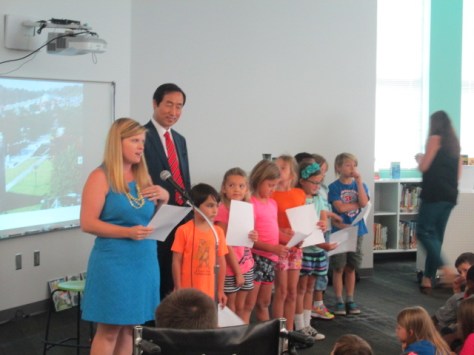
Students shared pieces of the project that they worked on.

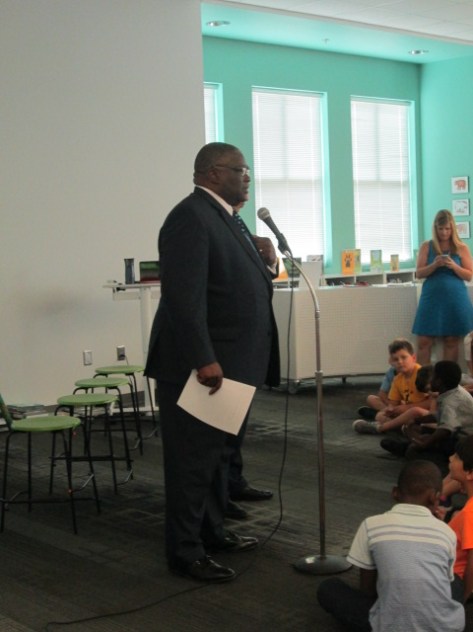
Commissioner Harry Sims spoke about how the students’ art work would now be a world traveler as it goes across the ocean to South Korea.

athens-seodaemun-14 athens-seodaemun-15

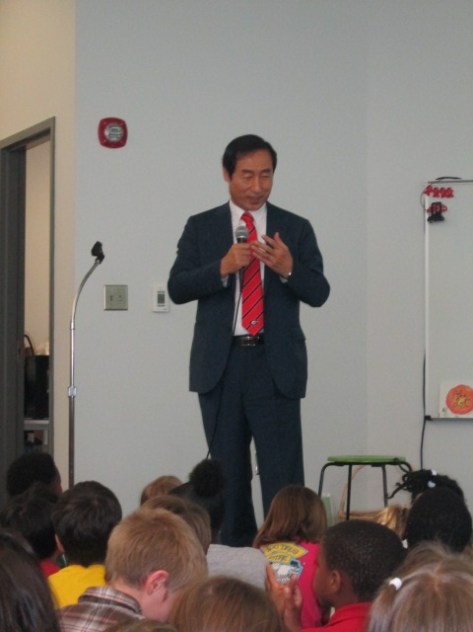
Finally, Seok-Jin Mun, the mayor of Seodaemun, spoke to students about how we are all connected to one another because we are all mankind. Even though we have different beliefs or different skin color, we are all connected.

athens-seodaemun-19 athens-seodaemun-18

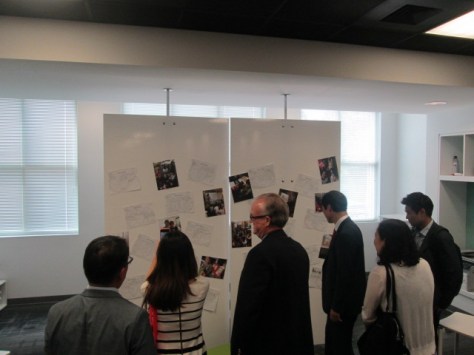
To conclude the visit, Mayor Mun, teachers, and all guests explored the student artwork on display in the 2nd grade collaborative space.

athens-seodaemun-26

Mayor Mun pointed out his observations of what stood out to our students and clarified some facts from our research.

It was inspiring to think with him and the members of our Clarke County government about how we can continue to build upon this friendship between our two communities.

Now, our artwork is preparing to make its journey, and we look forward to seeing what our new friends in South Korea learn and draw about Athens, Georgia.  We thank the Athens Clarke County Economic Development Department for this opportunity to connect our students with our global community.


The Makerspace Is Open with a New Badging System

img_8887UGA is back in session which means our makerspace is cranking up again.  We already have some curriculum connections planned for special projects, but our students look forward to the weekly open makerspace times on Tuesdays and Thursdays from 11-12:30.

Gretchen Thomas and her UGA class collaborate with us to provide a weekly time where students can signup to explore various tools and projects in our makerspace.  Four UGA students come each time and lead up to 15 students every 30 minutes in the makerspace so that I can also teach classes at the same time.

img_8875

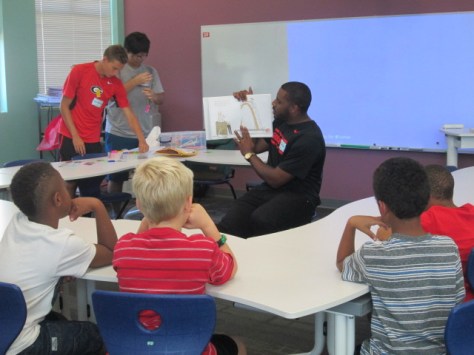
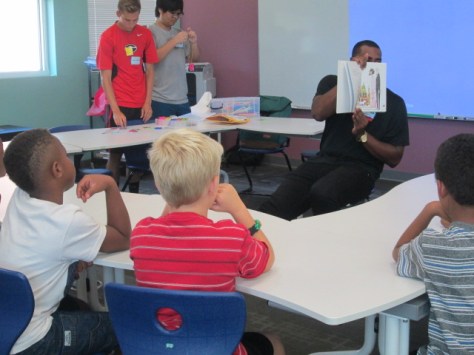
Gretchen and I are have learned a lot during our collaboration together, and I love that she’s always pushing her class to try something new.  For our first few sessions this year, the UGA students are presenting a maker-related book to the students and an activity to accompany that book.  There’s not really enough time to read the entire book and still make something, but they at least are able to show the book, talk a bit about it, and then make something with the students.

img_8874

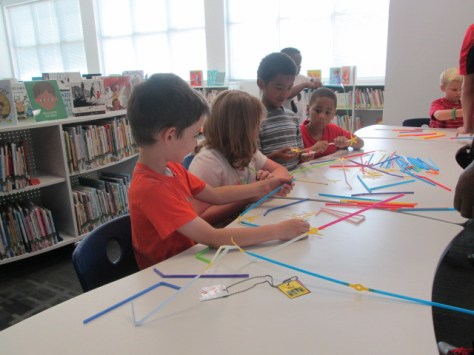
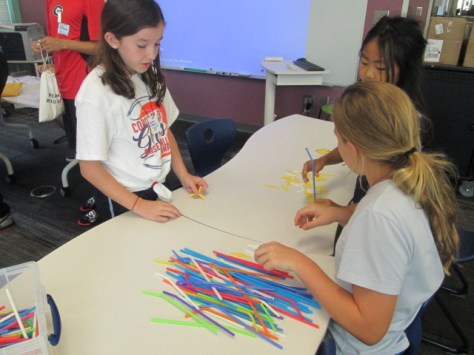
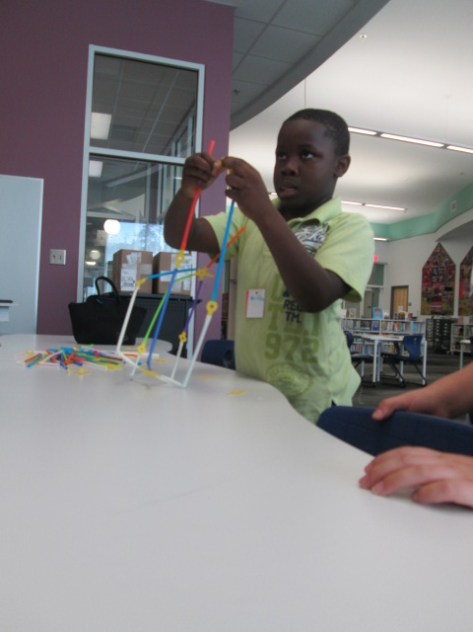
For our first session, the UGA students read or showed Iggy Peck Architect.  At the end of the book, they invited our students in 1st, 3rd, 4th, and 5th grades to become an architect and use Strawbees to build the tallest free standing tower.

img_8873

I loved watching the UGA students decide how much information to give the students versus when to let them discover things on their own.  In one group, they just gave them the Strawbees and straws and said “build”.

Then, in another group they gave some examples of how the straws and Strawbees could connect to one another.  The amount of guidance definitely impacted the type of structures made.

img_8881

I don’t know that we have a firm answer on how much structure to offer to the students, but I’m glad that we are always thinking about how much is too much.  I think we certainly stayed conservative on how much we told the students.  Every structure was different and students found things that worked really well and things that failed miserably.  In the end, the important thing is that we really didn’t have students who gave up or who even got extremely upset because they didn’t “win”.  That’s the true spirit of making.

img_8895

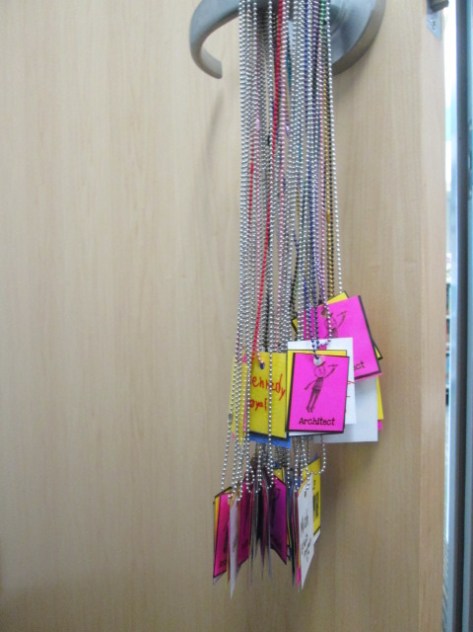
One new addition this year is something we’ve talked about for a long time.  So many students come to the makerspace, that it’s hard to track who has learned what tool or skill.  I really wanted a badging system but didn’t think I had time to make it.  Gretchen and I have talked through this many times and discussed the idea of badges for specific tools like Sphero, Duct Tape, LittleBits, etc and badges for skills such as problem-solver, thinking outside the box, teamwork, etc.

Gretchen took it upon herself to make this happen for us.  She started making badges that students would attach to chain necklaces.  Students would earn a badge for the tool they explored and the group they worked with as well as have an opportunity to earn rare badges for skills or qualities.  Gretchen and her students will continue to design badges and add them to the collection.  They will be stored in plastic drawers in the makerspace.  Students will hang their necklaces on a hook in the space and grab them when they come to makerspace.

img_8896

We’ll easily be able to look at badges and see which students have learned which tools and which students have demonstrated the skills of a maker.

I can’t wait to see where this goes, and I’m so thankful for Gretchen and her class making this happen!

A Visit with Christian Robinson

Christian Robinson (17)

We are one fortunate school. Thanks to Macmillan Children’s Publishing Group and Avid Bookshop we welcomed illustrator Christian Robinson to our school in promotion of his newest book School’s First Day of School by Adam Rex.  Christian has illustrated numerous books including the award-winning Last Stop on Market Street by Matt de la Pena.

Christian Robinson (7)

Prior to Christian’s visit our Kindergarten, 1st, and 2nd grade classes all read the book in the library during library orientation. We loved thinking about our own feelings on the first day of school and relating those feelings to the feelings of the school. We also loved examining the illustrations to see the face of the school and discovering connections to our own lives in the illustrations.  One of those connections came on the spread in the book that shows the children arriving to school. Students loved finding the way that they come to school on this page because they were all represented somewhere.

In classrooms, students created drawings of our school and turned them in to the library. Each student who completed a drawing had his/her drawing displayed in the library windows the week before the visit. Christian Robinson took some time to appreciate them all when he arrived at our school.

Our visit with Christian was in the library, so I pushed shelves and tables away to make room for over 250 little students.

Christian Robinson (1)

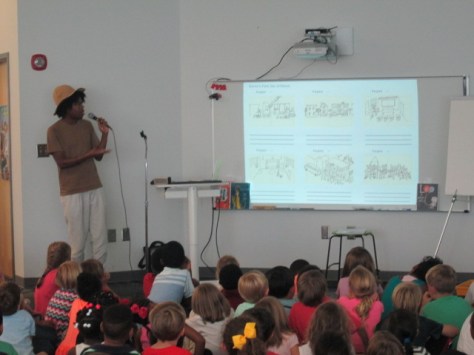
He began his visit with a reading of School’s First Day of School.  It was so fun to hear the book read by one of the collaborators. I hope students discovered something new after hearing the book again.  I know I did!

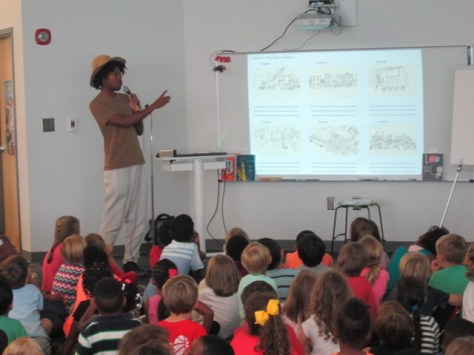
Christian Robinson walked us through his process in creating the book. We learned about starting small by making sketches on tiny post it notes.

Christian Robinson (9) Christian Robinson (10)

We also learned about making mistakes. Christian showed us one picture of a big pile of mistakes, and he stressed with students that mistakes are a part of the process.

He showed us the research that went into the book including visiting actual schools and looking at buildings that seemed to have faces in real life.

Christian also took questions from the audience.

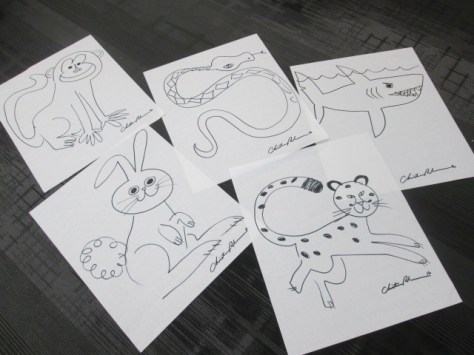
Finally, he created some drawings.  Students imagined an animal and he called on different students to suggest an animal to draw.

Christian Robinson (29)

Thanks to our incredible PTA every classroom got a copy of the book to put into their classroom library, and Christian signed them all.

The impact of these author and illustrator visits is very special. Different students connect in different ways.  Some are inspired to write and illustrate their own books that they proudly show off in their classroom, the library, and at home.  Some realize that being an artist isn’t something that has to wait until you are an adult; the foundation starts now. Some students connect with an author or illustrator as a person and realize that there’s a friendly face behind the writing or art on the library shelves. Some students connect with a story in a way that they didn’t connect before because they know the story behind the story.  Often after a visit, the author or illustrator’s books fly off the shelves and stay consistently checked out.

Christian Robinson (28)

Today as I was walking down the hall, two boys in Kindergarten stopped me to ask, “Where’s Christian Robinson?”. I smiled knowing that they had met someone who they respected and hoped to see again at our school.  Thank you so much for supporting our local bookshop to bring authors and illustrators like Christian Robinson into our schools. It matters to our students.

Genrefication Reactions and FAQs

Library Orientation (2)

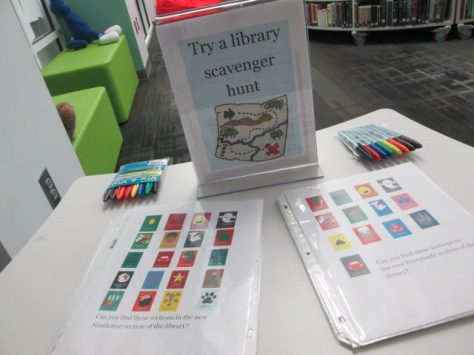
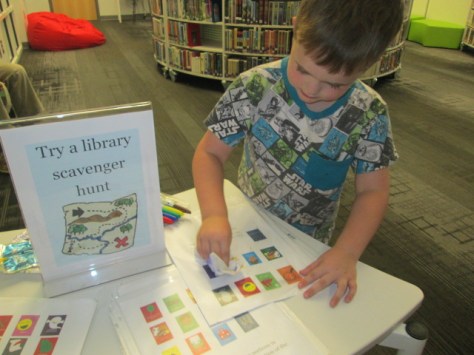
We are almost one week into our newly organized library. Each class has been coming for a library orientation. In the past, I’ve done a high-tech orientation with QR codes and videos, but this year, we went low-tech with a picture scavenger hunt of the library signs and sections in order to give students a chance to explore their new library and its organization by genre.

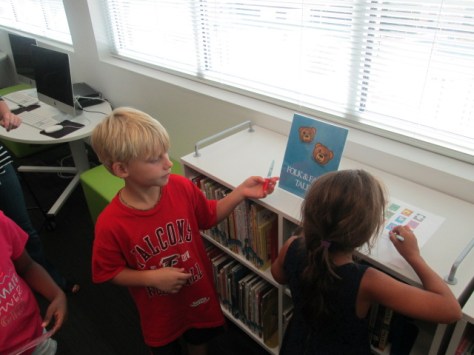
Our new genres are still sorted out into a picture book area, a chapter book area, and a nonfiction area, so I made 3 separate scavenger hunts and slid them into clear protectors so that students could us a Vis-a-vis pen to mark sections as they found them.  The trickiest part was trying to keep students focused on one section at a time because they wanted to explore it all.

What I have noticed:

  • Students were buzzing with excitement as I talked about the new genre sections and as they wandered around searching for them
  • I spent much less time walking students around to search for all the princess, scary, football, etc.  The conversations about books that I got to have with students were more about recommendations within sections or learning where favorite series of books had been moved to.
  • Since I don’t have a full-time assistant in the library, check out time can be a bit frantic with kids asking about books, asking for help on the computer, and asking for help checking out or in.  With every class regardless of grade level, I didn’t feel the frantic feelings of the past. Students were very independent within the sections they were excited about, which allowed me to focus on students who really needed to have conversation.
  • Almost no students went to the computer to look up books. In the past, many students would sit at the computer during the entire library time and then have no time to actually select a book.  They would just grab something on the way out. I talked with the few students who did go to the computer to ask what they were searching for. In many cases, I directed them to one of the genre sections because they were looking up football or ghosts or something like that. For students that truly needed to look up a title, I showed them how they could see which genre section it was located in.

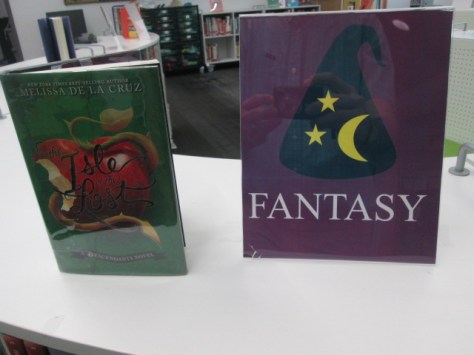
  • Students who discovered that their favorite book was already checked out tended to choose something else from that genre section. For example, a student was so excited to learn we had Isle of the Lost: A Descendants Novel. It was checked out, but I told her it was in the fantasy section. She went to fantasy and found 2 series that she had never explored before and was genuinely excited about her find. This is what I hope to see more and more, especially from students who have their one or two comfort books in the library. I hope the genre sections continue to support their comforts but also nudge them to try new things.

Reactions

Students, teachers, and families have been extremely positive with the new organization of the library.

I encouraged people to record their thoughts on the new organization using Flipgrid.  Here are a few of the reactions.


Frequently Asked Questions:

Library Orientation (5)

  • Did you put all books into genres or just the fiction section?  Every book is in a new section.  I started with fiction and then moved to picture books followed by nonfiction.  Picture books was the hardest section for me to sort, but so far the categories are supporting our readers.


  • What are your categories?  Here’s a link to my Google doc of categories.  This doc will change if I decide to modify any sections.


  • How did you decide which section to put books in?  I read the summaries, used my own knowledge, looked at the Library of Congress subjects on the copyright page, and used Novelist K-8.  I used the great advice of Tiffany Whitehead to really think about the reader during the process and consider what kind of reader would most enjoy each book. I tried not to get stuck on a book for too long, but I did make a pile of books I was unsure of and came back to them later.


  • What did you do in your catalog to indicate genres?  I created subcategories in Destiny. Once I sorted books into genre sections, I updated each copy by scanning it into its new subcategory. Now, if someone searches for a book, the call number of the book remains unchanged, but the location indicates which genre section the book is located in.  The library can always be put back into Dewey order if needed.


  • How are books arranged on the shelf?  For now, the books are still arranged in order by call number on the shelf within each genre section. In fiction and everybody, that means that books are sorted by author’s last name within each genre.  In nonfiction, that means that the Dewey call number is still used to put books within order in the section.  This may change as we go because the sections are being heavily browsed. It makes it hard to keep things in perfect order.  The graphic novels and sports are already not in any kind of order because of the heavy use of those sections.


  • What labels did you add to each book? Every book still has its same call number and barcode.  My wife designed genre labels using Publisher and these were printed on spine label sheets from Demco. We added the genre label either above or below the call number on the spine in an attempt to not cover up the title.  I also plan to add numbers to the series so that students know which books is 1st, 2nd, 3rd, but we haven’t done that yet.  Fiction Labels      Picture Book Labels      Nonfiction labels


  • How long did it take?  It’s really hard to add up the time. I can say that I’ve thought about it for a long time. This summer I spent some time reading about other libraries and also listening to webinars. I wanted to hit the ground running at the beginning of this year, so many volunteers helped out with the project. The actual work of sorting, labeling, and shelving was done in about 15 days working from 8:00-3:00.

Library Orientation (10)

If you have additional questions, add them in the comment section and I’ll try to update the post with new answers.  I’m very happy with the impact of this project so far, and I know that I will continue to see things that I love as well as things that need to be adjusted. It’s all about the readers.

Library Orientation (4)

A Sneak Peek of Our Finished Genrefication Project


Genrefication (4)

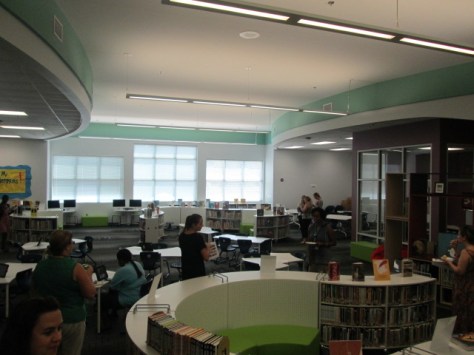
Around the Barrow Media Center we “expect the miraculous”. After 15 intense days, dozens of volunteers, ten thousand genre labels and protectors, and lots of weight lifting, our collection of 10,000 books is sorted by genre. When we started this project, I tried to set a realistic goal of being done by Labor Day. However, in my heart, I wanted to be done much sooner for the sake of our readers. Thanks to all of the volunteers from families, the community, and UGA, we took what seemed impossible in this amount of time and made it happen.

When I really thought about it, we are opening just one week later than we usually do in the school year.  Week 1 is usually computers and week 2 is library orientations. We’ll be start orientations at the end of week 2 and all of week 3. Pretty miraculous!

The final steps happened this week:

  • The genre labels were turned into signs and printed to put into picture frames

Genrefication (3)

  • Books continued to be shuffled around on the shelves until they fit in a mostly logical arrangement
  • Each genre had to be put into order. Up until this point, we were just sticking the books in their sections in any random order
  • The rest of the library had to be put back together from all of our moving around
  • Videos had to be made to support volunteers and readers
  • Plus lots of other minor housekeeping items

Today, to thank the teachers for their patience, we held a sneak peek of the genrefied library. After school, we had refreshments and a chance to check out the newly organized collection.

teacher preview (1)

Teachers had a chance to get familiar with where things are, check out books, and ask questions. Some even started thinking about their own classroom libraries and how they might mirror the organization of the school library in their classrooms.

Genrefication (2)

I put together a picture scavenger hunt to use with kids, so I put those out for teachers to try as well. My son was in charge of inviting guests to try out the scavenger hunt.

teacher preview (2)

I also asked teachers to post a short Flipgrid video of their reactions to the new organization.  It was so much fun to listen to people’s reactions. I had so many compliments in conversations with teachers who visited, but it was great to be able to go back and hear reactions that I missed during the preview.

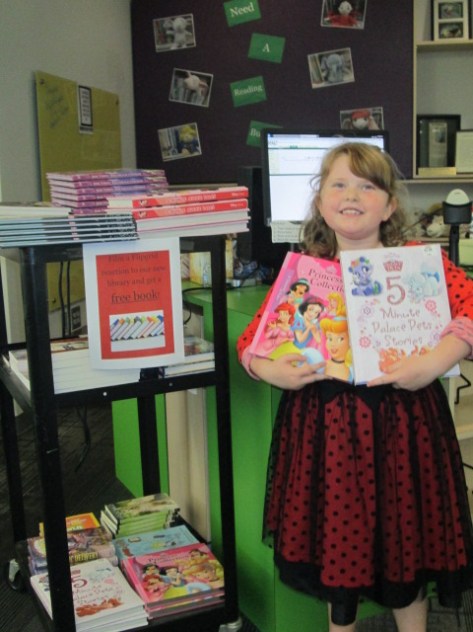
For their efforts, I had a stack of free books to choose from. My daughter was in charge of inviting people to record and reminding them to pick up their book.

teacher preview (4)

Thank you to every person who helped with this project.  It’s so hard to list them all, but I want to give a special thanks to my wife Denise Plemmons for designing some amazing genre stickers and signs. I also want to thank Janice Flory for rounding up a great team of volunteers to hit the ground running on the first day of pre-planning. Some of them stayed for 3-4 hours at a time.  Thank you to Gretchen Thomas for bringing in an entire class of UGA students to knock out some of the final pieces of the project.  Finally, thank you to my administrators Ellen Sabatini and Jennifer Leahy for believing in our library program and trying something new in the interest of kids and literacy.

teacher preview (3)

Now, it’s time to see what the students think and get our regular volunteers ready to support our readers through keeping the library organized and directing readers to books.  The big part of the project is done, but a project like this doesn’t really end. Books will move from section to section if needed and each new order of books will need to be labeled. However, we won’t have to do the project at this magnitude again. Here we go!


Journeying Into Genrefication: Process, Roadblocks, and Community

IMG_8761

Toward the end of last year, I made up my mind that the 2016-17 school year was going to have a big focus on literacy. I of course do a lot with literacy already, but I want to do more. At the close of the year, I talked with my principal about genrefication and the possibility of delaying the opening of our library at the start of the year so that we could get everything organized. To my relief, she was completely on board and even offered ways to support the project.
IMG_8766

I’ve wanted to sort the library by genre for a very long time but just wasn’t sure how to make it happen. I started the process at the end of last year by sorting the fiction section.  Over the summer, I looked at many other libraries who have done this process as well as attended a webinar with Tiffany Whitehead.  During the summer I started listing out my possible genres in nonfiction and everybody.

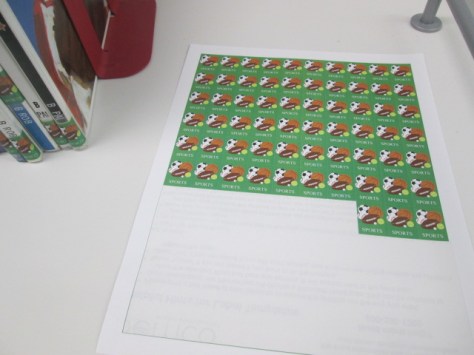
I also started making a list of materials I would need to get going with the project as soon as we got back to school.  This included blank spine label sheets and ultra aggressive label protectors.  I debated about ordering genre stickers, but there were categories I wanted to make that weren’t available as stickers. I’m terrible at graphic design, but my wife is super talented at it. She agreed to make all of my stickers.  She used Publisher, Open Clip Art, and her own imagination to draw out new labels.

Also during the summer, I met with Courtney Tobin, last year’s library volunteer coordinator, and Janice Flory, this year’s volunteer coordinator, to talk about the genrefication project and the help I would need during preplanning and the first weeks of school.
IMG_8765

Volunteer jobs would be to:

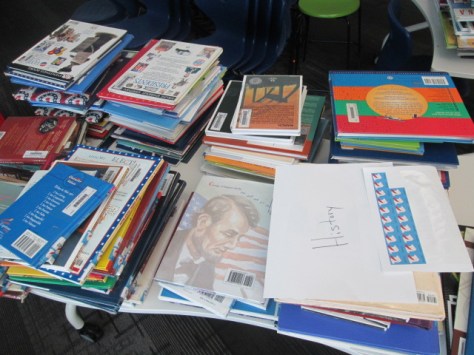
  • Scan books into subcategories in Destiny after I sorted them into stacks
  • Label each book with a new genre sticker above or below the call number depending on space
  • Put the books back into stacks for moving into their new areas

Janice made a Signup Genius for volunteers, and I had between 2-5 volunteers each day during pre-planning and the first week of school.

Since Fiction was already sorted, volunteers started there with scanning and labeling while I continued to sort the Everybody section during pre-planning. Most people know how busy pre-planning is, so the meetings, questions from teachers, and to-do list kept me from keeping ahead of the volunteers. A few of the volunteers felt comfortable assisting me with sorting books, so I released a bit of control to keep moving forward.
IMG_8763

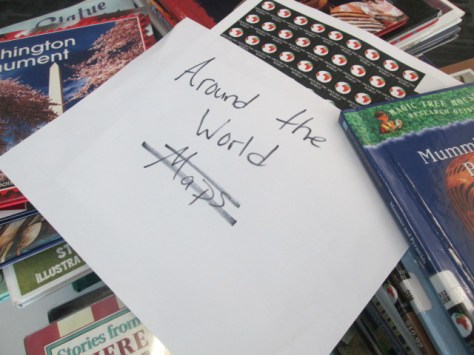
Categories changed throughout the process as we saw needs in the collection. The final categories for Fiction included: humor, scary, sports, realistic, historical, fantasy, science fiction, mystery, and adventure. Picture books included: humor, sports, scary, celebrations & seasons, superhero, princess, animals, favorite authors & characters, school, once upon a time, historical, realistic, and transportation. Nonfiction included: animals, makerspace, biography, careers, cooking & food, all about me, language, native americans, dinosaurs, georgia, math, music, folk & fairy tales, transportation, jokes, space, around the world, poetry, religion, sports, ghosts & mysteries, graphic novel, war & military, fun facts, nature, science, mindset, and history.

The process was pretty much the same every day: sort, scan, label, move.  Miraculous things happened along the way like 4 district support staff showed up and asked how they could help.  While I attended meetings, they scanned most of the Everybody section into categories.
Unnamed image (14)


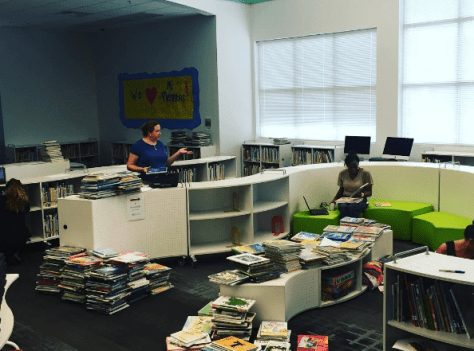
Families dropped by to see how they could help. Parents and kids worked side by side making decisions and taking ownership of their library.

I learned a lot about the collection and just how disorganized the nonfiction section really was. Each time books of similar topics came together it felt good.

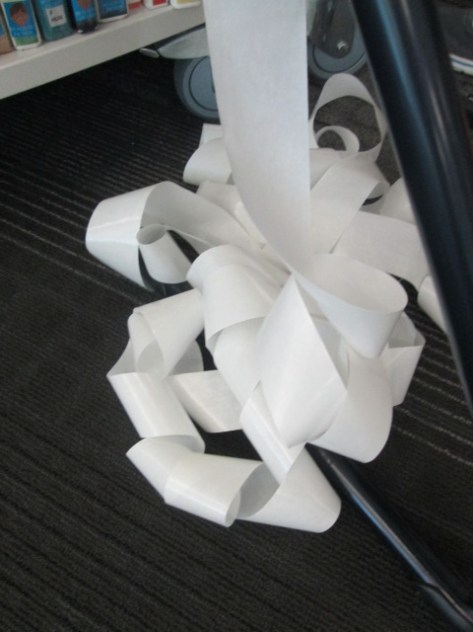
I also suddenly felt free of a sequential order of the books and could really think more about where it made sense to place books in the library. For example, our books related to makerspace were able to move right outside the makerspace door.

We faced some road blocks along the way too.  Some books were scanned into the wrong sublocations. I caught the mistake when a teacher asked for a book and I couldn’t find it in the section it said it was in. Some sections of the Everybody section had to be rescanned. Some volunteers tried to save the library some resources by cutting the label protectors to smaller sizes on the spines. The label immediately started falling off and getting stuck to the books next to them, so we had to go back through, find them, and add an additional label protector on top.

About every 5 minutes, I went back and forth from thinking this was the best idea ever to asking myself what have I done.

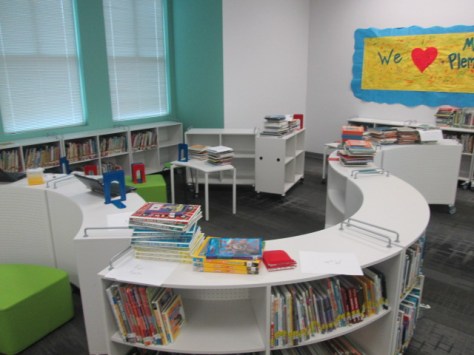
My current road block is where to put all of the books.  When every book is here, they don’t fit on the shelves. I know it won’t take long to free up some space, but for now, I’m at least trying to estimate how much shelf space to dedicate to newly established sections with new numbers of books.  Thankfully, the mobile shelves allow me to move things around pretty easily to new spaces, but I still have to move books from one shelf to another trying to figure out the best configuration.  The library looks pretty disorganized because of this.
IMG_8764

Students are getting really excited as they look into the library and see the work going on. Classes are asking how they can come and help. The ultimate question is: “When will the library open?”  I’m hopeful to be done within the next week and we’ll host a grand re-opening orientation for each class.
IMG_8760

I love our community and how they have come together to support this project. Returning volunteers have stepped up, but we’ve seen new families and new volunteers get involved in the project too. A project of this size takes a village. What I thought would take until almost Labor Day has been done is about 3 weeks.  That’s miraculous!
 

Make Your Mark for Dot Day 2016…Let the Planning Begin

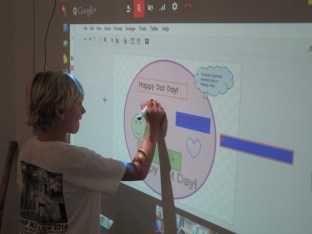
One of our favorite times of the year is Dot Day and September 15 will be here before we know it!  It’s a day to celebrate connecting, collaborating, and creating and seeing where our creativity takes us. Can you believe that it’s less than 2 months away?

Now is the time to start brainstorming ideas for celebrating creativity and supporting your students in making their mark in the world. You can read all about this special day and sign up here.  There is a wonderful educator’s handbook that you will receive as part of the registration.

Then head over to the Get Involved…Making a Mark page to be inspired to Read, Create, Learn and Visit on Dot Day too.

There are tons of ideas on Shannon McClintock Miller’s International Dot Day Pinterest Board

In our own library, we’ve enjoyed reading lots of stories related to dots and creativity as well as connecting Dot Day to core subject areas.

Check out these examples:

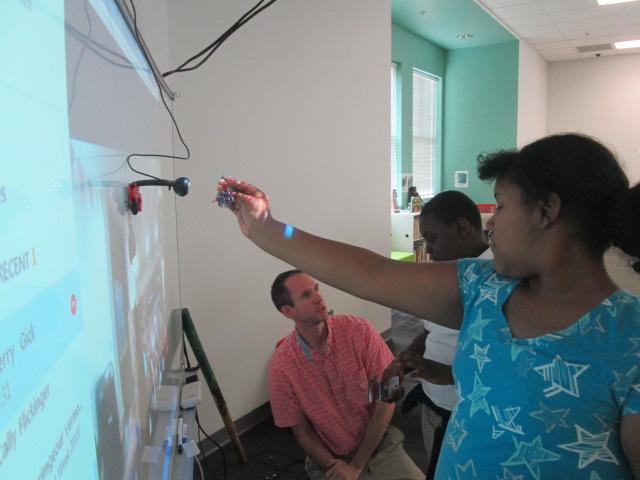
  • After reading the book, Going Places, with Sherry Gick’s students in Indiana, two of our students made their mark by teaching Sherry’s students how to create a beading craft from our makerspace

Dot Day 2015 (4)

  • We’ve enjoyed countless storytimes with classes around the globe reading dot-related stories and stories of creativity including Ish, The Dot, Press Here, Mix It Up, Let’s Play, Rose’s Garden, Little Elliot Big City, and more.

For the last several years, hundreds of us have used our Google Doc as a place to make and plan lots of special connections on September 15 and throughout the week of Dot Day. When we put our minds together, we come up with amazing new ways to celebrate the day with our students.

You can add your schedule, connect with others, and start making your mark with others around the world. Check out the doc here: http://bit.ly/dotday2016 

Please include your information including name, location, grade level and subject, Twitter handle and whatever else you’d like to share.  As you start planning, add your schedule and ideas.  Others can then look at your profile and connect if they’d like to on the Google Document with you. If you have any questions, feel free to reach out and ask.

Let’s Make Our Mark on the World! Happy Connecting!

Many thanks to Shannon McClintock Miller for co-writing this post.


Wishes and Plans: Exploring Life Challenges Through Books

FullSizeRender

Somehow, I’ve managed to read three books recently that all feature a main character grappling with the challenge of having an absent parent. I didn’t choose these books because of this fact, but reading about someone’s life challenges that are so different from my own has made me a better person. In his recent Newbery speech, Matt de la Pena referenced an encounter with a librarian where she said that she loved his books but didn’t stock them in her library because she didn’t have those kinds of kids at her school. Those kinds of thoughts make me cringe because books allow us to escape to magical worlds and do things we could only dream of doing and they can also allow us to step into someone else’s shoes for just a moment to get a brief perspective on the world through someone else’s eyes. While it can’t make you an expert on the struggle that the character is going through, it does allow you to see that we all face challenges and struggles and we don’t always wear those troubles on the outside for everyone to see.

One of these books is Raymie Nightingale by Kate DiCamillo, which I already mentioned on the blog. Two of these books that I read are upcoming releases from Farrar Straus Giroux. Barbara O’Connor’s Wish comes out in late August.   It features an 11-year old girl named Charlie whose mother is having trouble keeping her life in order and whose father is in jail. She goes to live with her aunt and uncle in a small town. Every day of her life since fourth grade she makes the exact same wish and wonders if it will ever come true. Charlie’s list of ways to make a wish is pretty impressive, and I can’t help but wonder how many ways there are to make a wish after reading this book. What did Barbara O’Connor discover that she didn’t even include in the book? While Charlie is with her aunt and uncle, she meets a stray dog who she names Wishbone. Along with her new friend Howard, they craft a plan to catch Wishbone so Charlie can have a pet of her own.

Woven into this tale of longing for a pet is Charlie’s struggle with finding a place she belongs and her desire to have a mother and father who care enough about her to give her a stable home filled with love. That struggle affects how Charlie interacts with those around her. She lashes out at anyone who ruffles her feathers, and I couldn’t help but wonder how I would act if faced with a similar situation. I can’t say that I blame her for writing mean things to her teacher, giving kids a shove, or insulting her aunt.  What I was struck with the most was how her Aunt Bertha handled every incident of acting out. She offered nothing but love and understanding. I must admit that my own reaction might be to jump at the negativity with a punishment, but Bertha just offered a heap of love.  One of the quotes that still stands out to me after reading wish is:

Sometimes we get so caught up in our own drama and challenges that we lose sight of what others are going through. Instead of being quick to judge or react, I want to slow down and remember that love is a powerful gift.  Barbara O’Connor has once again masterfully written a southern tale that can speak to us all.

IMG_2431

In Kate Beasley’s Gertie’s Leap to Greatness coming in October, Gertie deals with an absent parent as well. However, this parent lives in the same town and still doesn’t have any interaction with her.  How would that feel to know that your mom lived just a few streets away yet had no interest in seeing you or talking to you? It’s certainly very far away from my own experience of having a mom and dad who are always there for me, wanting to know where I am at every second, and still want to talk to me every single day on the phone. Gertie is a firecracker of a girl. She takes matters into her own hands and makes a plan to be the best 5th grader in the entire universe. Gertie wrestles with her absent parent in a different way than Charlie does. She thinks that if she does enough then her mom will notice and want to be a part of her life or realize that Gertie is so awesome that she doesn’t need a mother anyway. Gertie has something standing in her way: a new girl named Mary Sue. Both of them have what it takes to be standout students, but their battle for the top results in even more struggles for Gertie to deal with.

Gertie is a character that I just want to hang out with. She is full of wit and adventure and can take just about any situation and make the best out of it. She does all of this even with a gloomy situation hanging over her. I think about my role in education and how a student like Gertie might slide by unnoticed as having a challenge to deal with. She isn’t one to reach out for help because she thinks she has to handle it all herself. How do I recognize those students? What opportunities can I give to students that allows them to shine and be the star that they are?  I love how even the stern Mrs. Stebbins recognized the potential in Gertie and gave her a moment to shine.

I highly recommend all three of the books mentioned in this post. Check them out at your local independent bookshop or library and add them to your collection.

I love to read books that I connect to, but I also love to read books that challenge my thinking and open my eyes to new cultures, perspectives, or challenges that are different from my own experience. I hope that I’ll keep finding books in my path that enrich my life in this way. As I’m looking toward the new school year, I am thinking about goals and what I hope for the students and families in our library. Right now, I hope that we can all step into the shoes of characters that we connect with but more importantly step into the shoes of characters that give us new perspectives to learn from and enrich our lives. I want to work as hard as I can to offer a collection of books to our readers that gives the opportunity to do this.


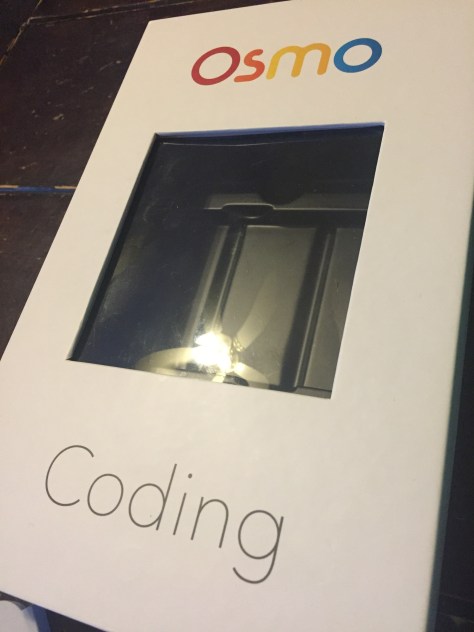
Kids Can Code with Osmo Coding

IMG_1715 (1)

We love using Osmo in our library for makerspace opportunities, centers, and lessons with multiple grades. We’ve had Osmo since it first came out. If you aren’t familiar, Osmo is an attachment for iPad that comes with a base and a mirror that attaches over the camera. There are 5 apps that are used with Osmo. Tangrams allows users to build figures with real tangrams that are recognized on the iPad app through the mirror attachment. Numbers allows users to use both numerals and dots to create different combinations that equal a set number. Masterpiece allows users to draw on paper outside the screen by following tracing lines on the screen. Words allows users to look at a picture and spell a word with letter tiles based on the image. Finally, Newton allows users to create angles to make falling balls bounce and hit a target.

IMG_1718

Recently, they released their coding set.

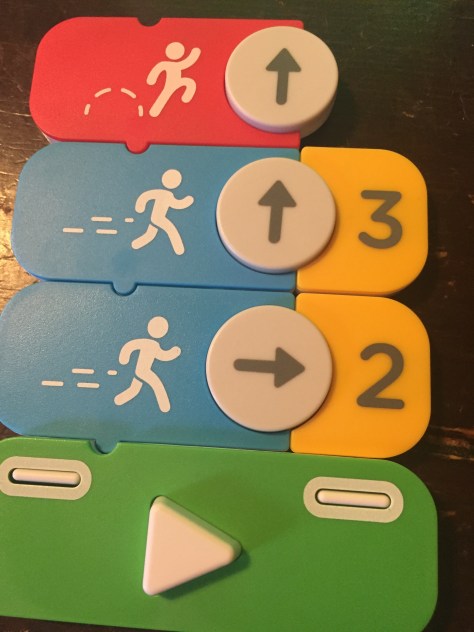
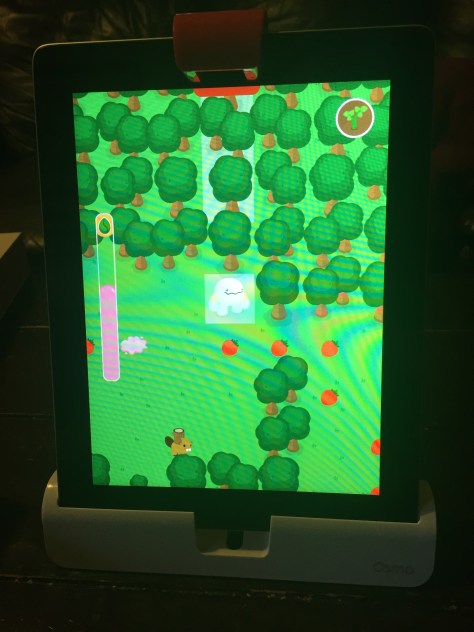
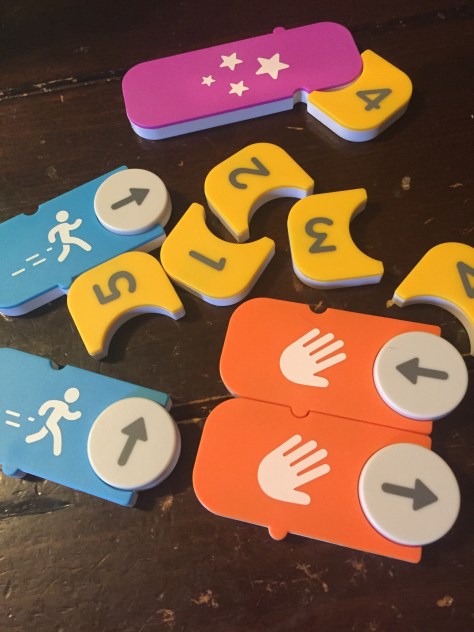
It’s summer for us, so I haven’t had a chance to use the set with a class of students. However, I was able to hand the set to my 6 year old daughter to see how well she could use it straight out of the box. It didn’t take her long at all to figure out how to snap the various coding pieces together in order to get Awbie, the strawberry-eating monster, to find his strawberries and earn seeds to plant.  Osmo coding has several built in tutorials in the beginning to show users which pieces to put together and as the game progresses, there are signs in the game that show how to add together more complex code. One thing I love is that there isn’t just one right answer. Kids can snap together small or large amounts of code to see what happens without being penalized. They can safely advance the character one space at a time or experiment with making Awbie move multiple spaces by snapping on a number.

IMG_1717

After a few sessions of using Osmo coding, Alora decided to make a quick video to show off the pieces and how they work.

I will say that Osmo Coding has some glitches to work out. Sometimes when you press the run button, Awbie does not do what you have in front of him. Sometimes he’ll only move one space even though you have multiple commands lined up. Other times, you press the run button multiple times and he doesn’t respond at all. However, even with these glitches that I’m sure will be worked out in future updates, the game is engaging and easy to use. It’s a tangible way to introduce block coding to our youngest learners, as well as older learners too, and build up to online coding in other block coding programs.

IMG_1716

I can’t wait to get more sets of coding and explore block coding with our earliest grades in the fall.

Osmo can be purchase at https://www.playosmo.com/en/ with prices ranging from $75-$145 per set.