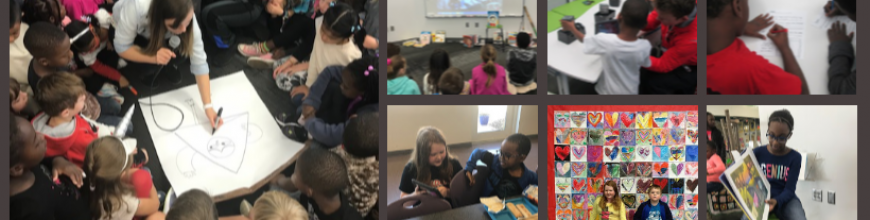
Dr. Seuss Author Study Centers

Seuss (2)

It has been some time since I did traditional types of centers that student rotate through.  Third grade is currently working on a Dr. Seuss author study as they close out the year, and they wondered what students might do in the library related to Dr. Seuss.  We looked at the days on the calendar along with everything that has to be done and decided that there wasn’t time to pull off a project around Dr. Seuss and really give it the time it needed.  Instead, we decided that I would give students some experiences to connect with Dr. Seuss as enrichment.

Before student arrived, I setup the 5 centers around the library so that they were somewhat in a circular arrangement.  I wrote the 5 centers on the whiteboard so that students could check the order as needed.

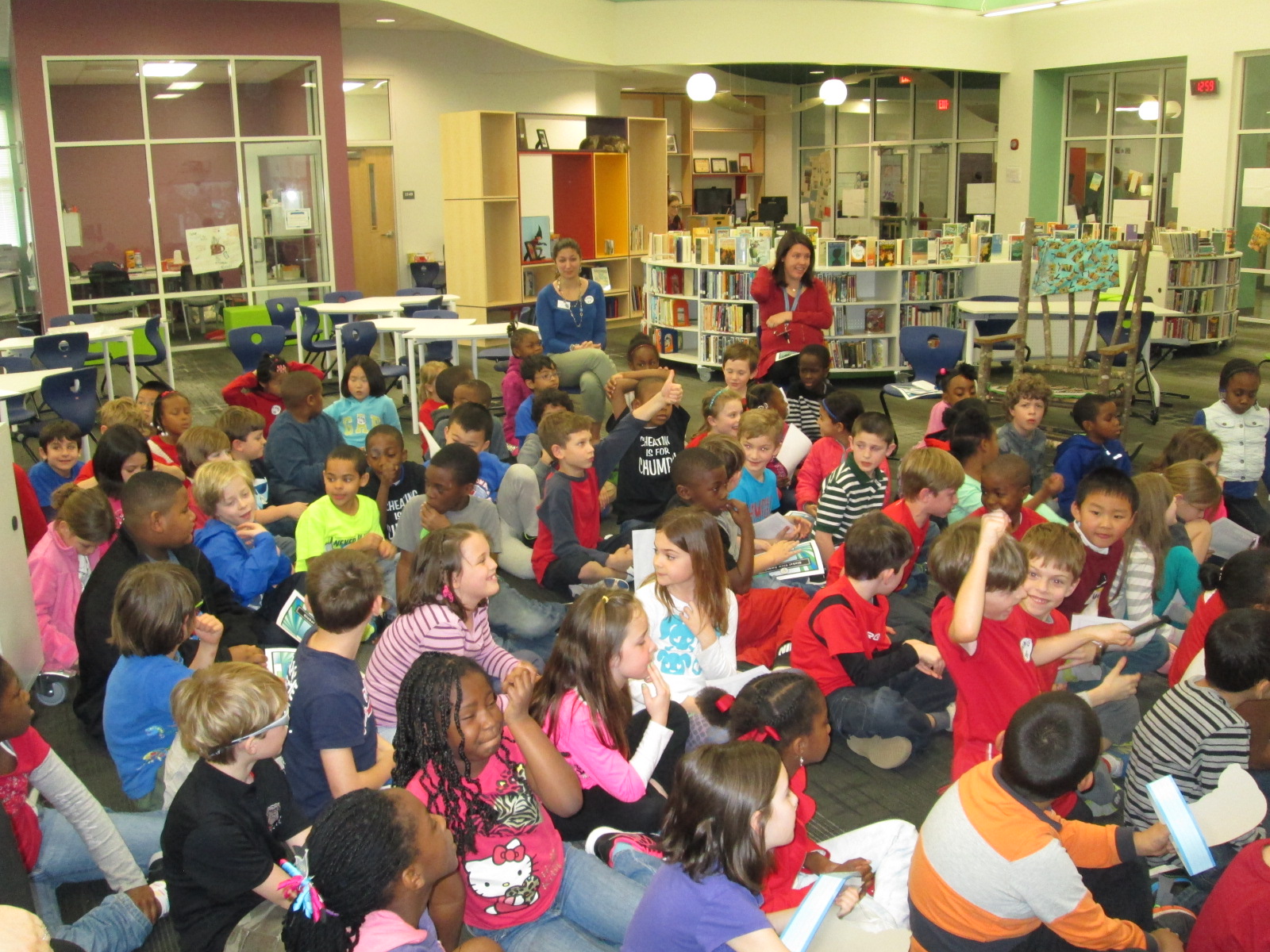
When students arrived, I explained each center very briefly and then we numbered off 1-5 to begin centers.  Each center lasted about 10 minutes before rotating to the next center.

Center 1: Tongue Twisters

Listen to our tongue twisters here!

I found a variety of tongue twister online as well as some Dr. Seuss books that had more tongue twisting lines than others.  At this center, students practiced reading tongue twisters from the table, recited ones they already knew, or even made up their own.  When they found one they were happy with, they recorded the tongue twister on Flipgrid.  They loved listening to how other students sounded and many students “liked” other student videos.  Most students recorded more than one tongue twister while at this station.  I had fun with one student writing a variation of Peter Piper picked a peck of pickled peppers.  Her family own a pickle business, so we were trying to change the words to match her family business.  We came up with “The Phickle Chickle picked a peck of Phickles Pickles.”  I encouraged her to continue writing her version and we would record it sometime.

Center 2: Checkout

Rather than waiting until the end to have students check out books, I made it a center.  Students could check out up to 5 books or just browse the library if they had enough books out already.

Center 3: Seussville on computers

I setup 5 Lenovo computers with the Seussville website pulled up.  Most of the students had never visited this site, so this gave them some time to explore the videos, games, and activities that fill this site.  Many found things that they wanted to print out and do later, so I hope some students discovered some summer activities.

Center 4: iPad apps

I downloaded 2 free iPad apps related to Dr. Seuss.  One is the Happy Birthday to You camera.  This was definitely the most popular app of the two.  Students enjoyed taking selfies or pictures of friends and then using the stickers to develop their own Seuss personality.  This would have been a great lead in to creative writing.  Students could have created their picture and then developed an accompanying story to match the picture.  The other app was the Dr. Seuss Fun Machine, but students moved away from it fairly quickly due to its simplicity and lack of clear instructions.

Center 5: Seuss books

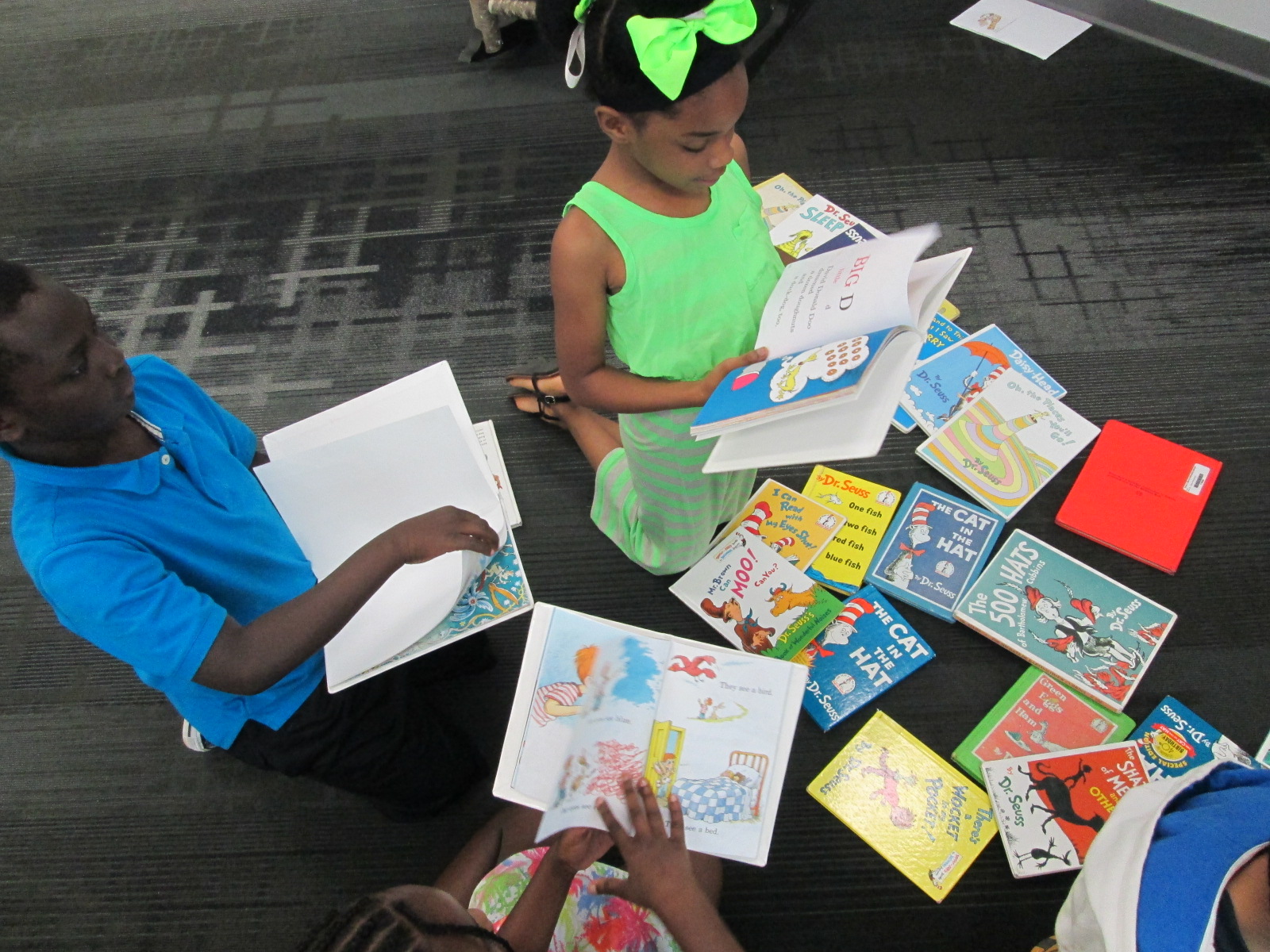
We have SO MANY Dr. Seuss books in the library, but it’s amazing how many of them students have never seen or read.  I loved having a station built in where students could just spend time browsing Seuss books, reading along, or buddy reading.  This was a center that most of the teachers visited along with students to read with them or listen to them read.

This was a wonderful end of the year activity, but I saw several potential opportunities that could have taken us into a larger project or even just a follow-up lesson.  It reminded me that centers can serve many purposes and are still a great way to split students up into a variety of experiences.

Why Do We Explore Space?: A Virtual Field Trip Opportunity

Ms. Kelly’s Kindergarten class has just amazed me across this year by how they have used a study of space to flow into so many of their standards.  They have written their own ebooks, composed music, written lyrics, researched multiple questions, and now they are coming up with a plan to help the people who want to go on a one way trip to Mars.  During the course of this study, an interesting question came up.  Why do we explore space in the first place?  It’s something we haven’t even considered during all of our research.

It came about because of an email that Ms. Kelly got about a virtual field trip to NASA’s Goddard Space Flight Center.

30 minute virtual field trip begins at 1:00 PM (ET) and is appropriate for all grades. Get a tour of a NASA facility and learn about the research being carried out into planetary exploration. Learn why it is important to explore the universe and how our knowledge of the universe has expanded due to the space programs. Understand the multitude of scientific practices involved in space travel, and see the application of many of these in the real world.

The virtual field trip is next Friday May 1, 2015 at 1PM EST.  It’s appropriate for all grade levels and it’s free!  All you have to do is register and you can even have students submit questions ahead of time.  http://www.discoveryeducation.com/Live/of-the-people-space-day-2015.cfm

Ms. Kelly wondered if we might explore the idea of space exploration a bit before students engage in the virtual trip.  I’m brainstorming about this right now, but I first wondered about putting the question out to more people.  I wonder what all of us think about why we should explore space or even why we shouldn’t.  I decided to make a Flipgrid.  Anyone can post a 90 second to this grid responding why we should or shouldn’t explore space.  I would love to have kid voices and adult voices from multiple perspectives to share with this Kindergarten class.

If you have a moment, reflect on the question and make a video.  If you have even more time, do this with your own students in the next few days.  If you don’t have time to make a video, consider sharing it with someone who might.

Why should we explore space? (or not explore space)

My thinking at the moment is that I will share these videos with my Kindergarten students as an opener.  We’ll take time to read some books such as The Planet Hunter or Moustronaut and reflect on the question ourselves.  Then, students will have a chance to add their own ideas to the grid along with the other voices.  http://flipgrid.com/#c6c0c1f0

Ms. Kelly and I never know where we are going to end up.  We just keep our minds open, look for opportunities, and give it a shot.  We usually find that our risk-taking leads to some miraculous opportunities for our students.


Kicking Off Poetry Lessons for Poetry Month: Blackout Poetry

blackout poetry (13)

I love to do poetry throughout the year, but April always brings an increase in poetry lessons since it is National Poetry Month.  It’s also the month that we have Poem In Your Pocket Day across 2 days at our school.

blackout poetry (6)

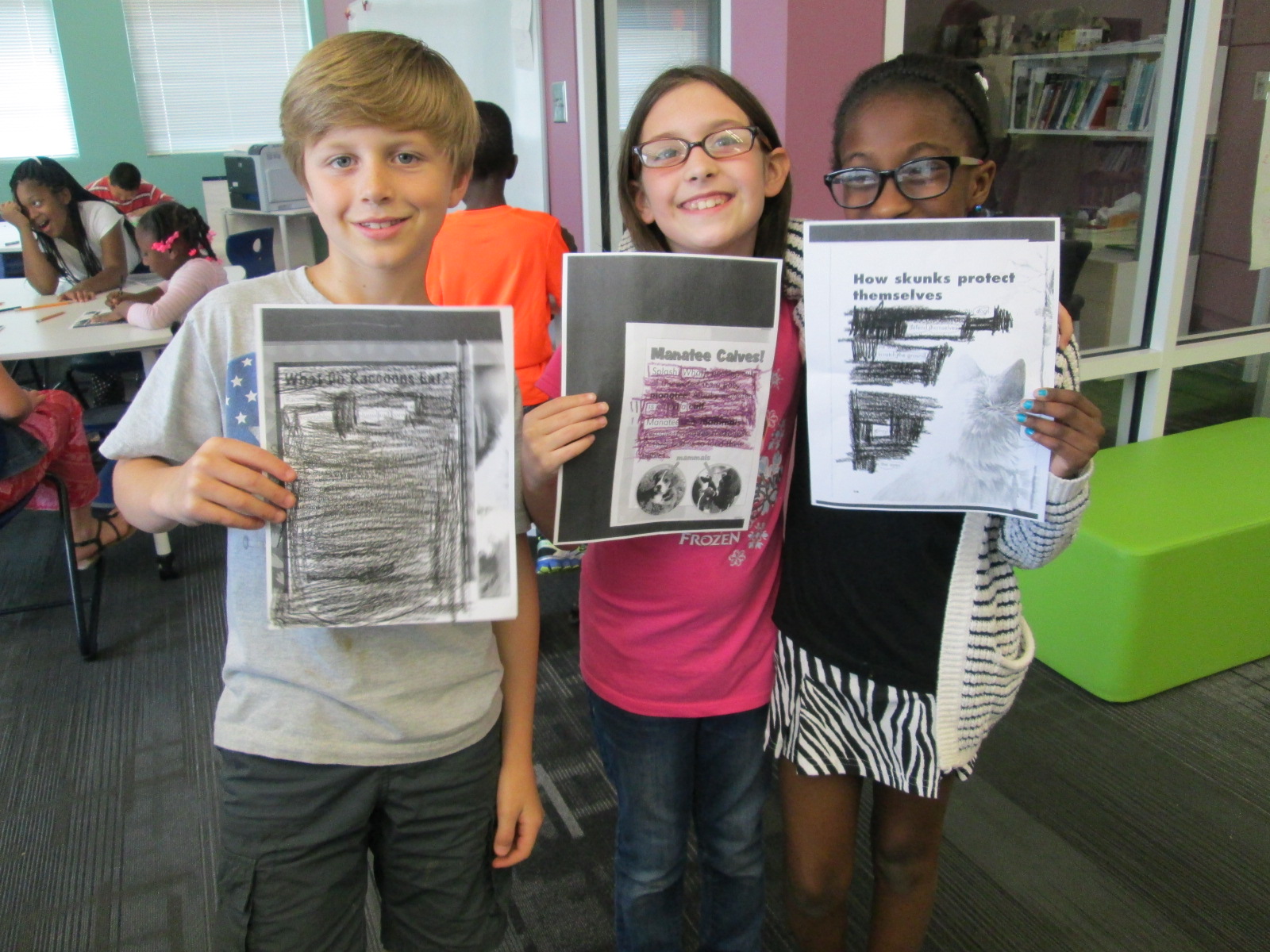
Our 2nd grade has been busy with poetry in these first few days of the month.  They’ve already explored list poetry and now they are trying a kind of poetry called “blackout poetry”.  This poetry was invented by Austin Kleon when he had a case of writer’s block and started using the New York Times to help him write his poetry.  You can see a time lapse video of Austin’s process, which we showed to each class before we started.

Blackout poetry is a kind of found poetry because it uses words that were created by someone else.  You put boxes around the words that you want to use in the poem and then blackout everything else.  You can find your text in so many different places:  instruction manuals, pages from books, newspapers, junkmail, old tests,……the list could go on and on.

blackout poetry (2)

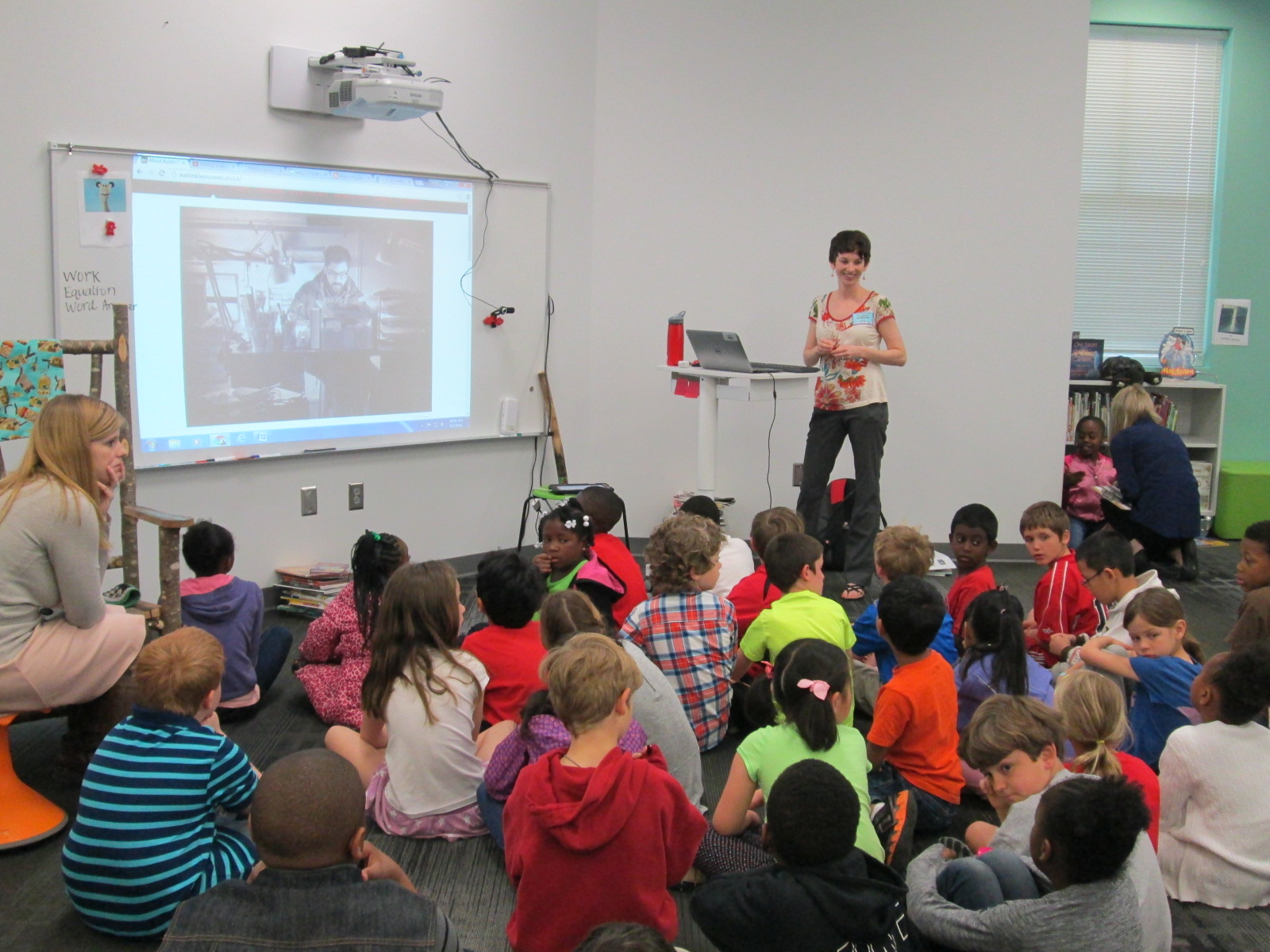
Two classes at a time came to the library for this lesson.  We started by looking at the video as well as some examples of blackout poems online.  Then, we talked a bit about what we noticed about the process.  Austin Kleon put boxes around words that he thought he might use.  He tried to find words that seemed to go together.  We noticed that there were times where he was sitting and thinking without marking anything on the page.  We also noticed that he blacked out some of the words that he originally thought he would use.

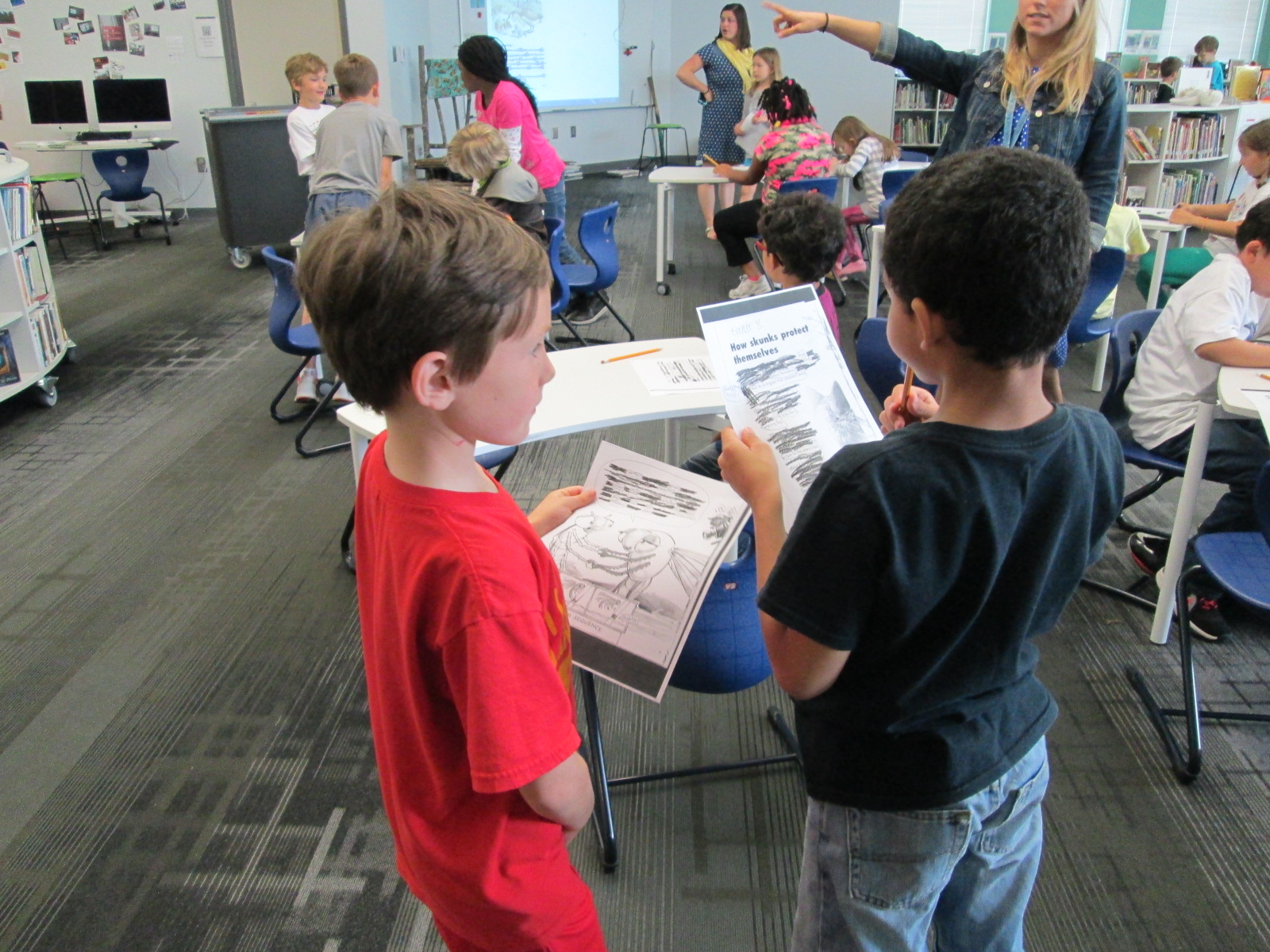
We encouraged students to try out this same process at tables.  Since 2nd grade is working on animal and plant life cycles and habitats, we selected a few pages from a variety of animal and plant books and made multiple copies of them.  Students sat at a page that looked interesting to them.  The teachers and circulated to assist students as needed.
Most students jumped right in, but a few needed some help getting started.  One of the things that I did to help students was just to talk out loud about what I would do if I was writing the poem.  I said words that seemed to have a connection with one another and then scanned the page for more words that fit with those words (and so on).  Most of the time this nudged students to start.

As students finished selecting their words, they used crayons, color pencils, regular pencils, and markers to blackout their page.  Then, they practiced reading their poems.  Some shared with one another.
blackout poetry (12)

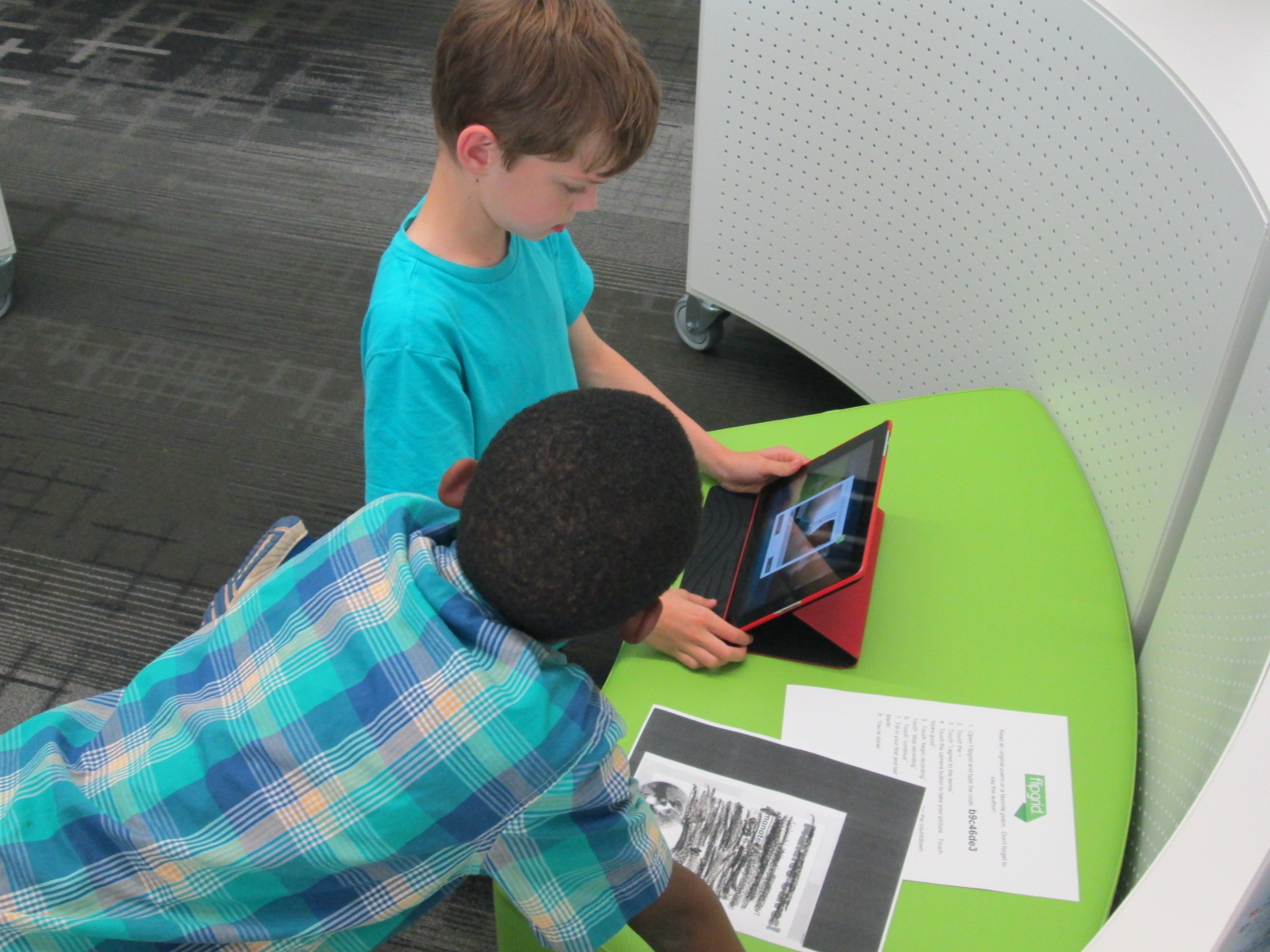
Other students decided to use our poetry Flipgrid to record their poems.

blackout poetry (11)

Click the picture to visit our poems!

Many of these students will carry these poems in their pockets on Poem In Your Pocket Day.  I love seeing how students break down the text to create a new meaning.

blackout poetry (14)


A Flipgrid Celebration for Our Black History Project

Flipgrid Celebration (1)

Flipgrid is just an amazing group of people.  At the end of our black history project, we held a Skype session with them to celebrate our work.  It was very special for our students to connect with the entire team of developers of the app, but they had a big surprise in store for us.  The Flipgrid team truly admired the work of our students and how they were using Flipgrid to get their voices out into the world, so they wanted to show their appreciation to the students by giving them a little celebration.

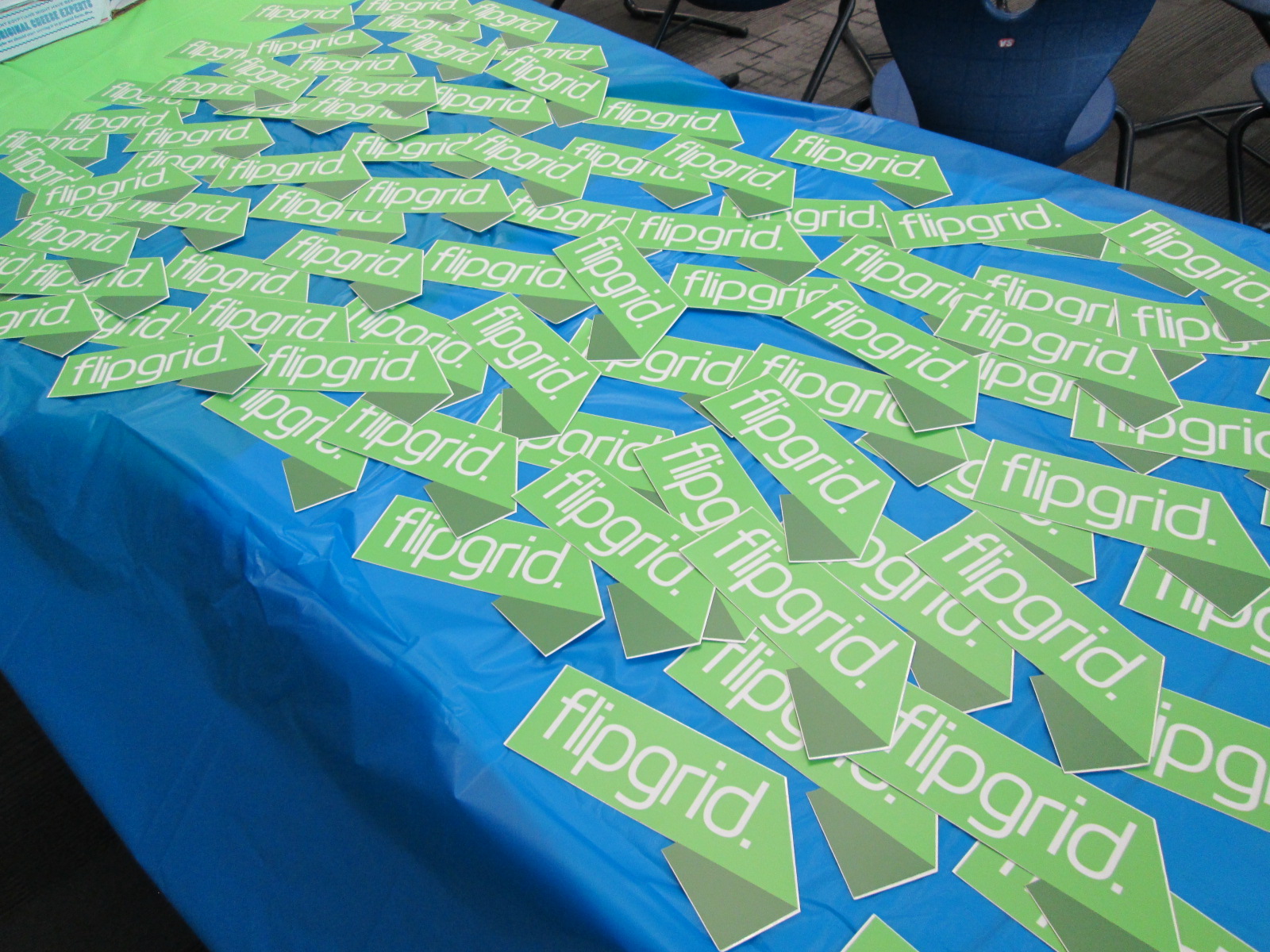
They mailed us a big pack of stickers to give to every student, a handwritten thank you note, and some funds to sponsor a little party for the students.

Flipgrid Celebration (8)

The students had a blast coming to the library to have  a slice of pizza, a juice, an orange, and a Flipgrid sticker.  We used this time to have a viewing party of our work and chat about our week.

Flipgrid Celebration (7) Flipgrid Celebration (6)

Then, some of the students took a moment to send a thank you back to Flipgrid by recording some videos on a Thank You grid.  We love our collaborative relationship with Flipgrid and look forward to using this tool for many more years to connect our voices with the world as well as unite our voices with the world.


Listen to our thank you’s by clicking the picture below.


Providing Space for the Miraculous

WRAD15 Day 3 (4)

I’m a planner.  In my personal life, I like schedules, details, and wouldn’t consider myself very spontaneous.  However, in education, I’ve learned to push this part of me aside and embrace flexibility.  It isn’t always easy, but it is essential.  When I meet with teachers to plan a collaborative project, we definitely put together a strong plan, but nothing makes me happier than hearing teachers say “let’s just see where this goes”.  Phrases like that mean that we are giving ourselves permission to be flexible.  We are providing space to look for miraculous things that are taking place right before our eyes.  If we script every step of a project, then the project gets done, but at what cost?  To me, the cost is student voice.  When we structure lessons and projects too much, we miss the opportunities to listen to individual student voices and interests.  We miss opportunities that might be waiting for us out in the world with experts, other schools, developers, and more just because it doesn’t fit on our timeline.

IMG_4947

Here’s a perfect example of what can happen when space is provided for the miraculous to happen.

During our 2nd grade black history project, we made numerous changes to our plans.  I’ve written several posts about this, but to summarize, we:

  • made the project more authentic by creating our own award called the Barrow Peace Prize
  • established our own criteria for the award, which matched numerous character traits that students study in social studies
  • housed all of the student videos on Flipgrid and linked them on a Google site with our embedded voting tool
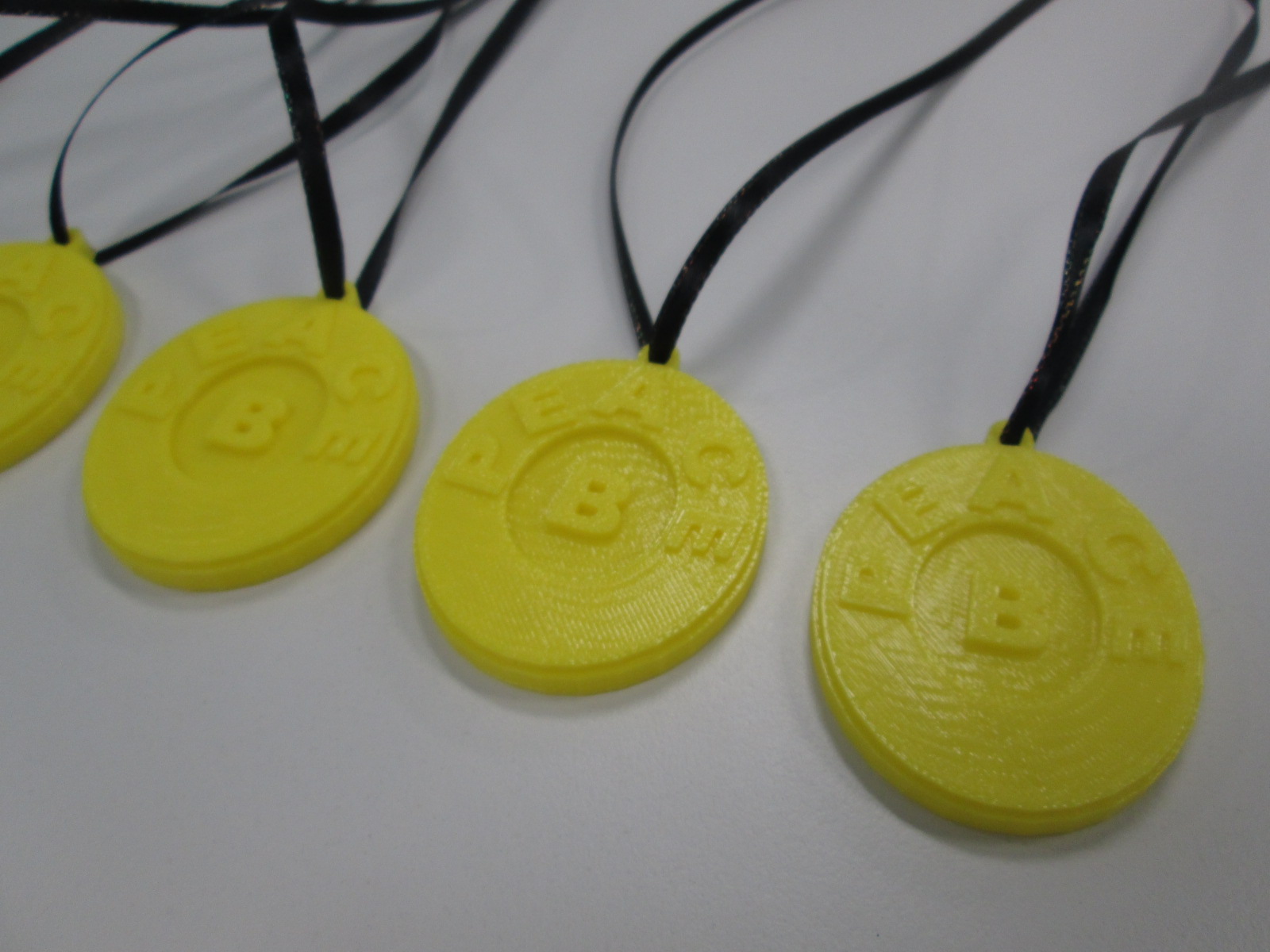
  • created a medal using our 3d printer to honor the person from black history who won the votes

When we planned this project, we knew that certain components would be there such as time to research, time to write persuasive pieces, and time to record videos.  One thing we didn’t know when we started was that we would actually create a medal on the 3D printer.  Because we allowed ourselves to be flexible, to give individual students voice, and to look for the miraculous, an individual student was able to design and create a 3d-printed Barrow Peace Prize.

Taylor, our student designer, has been so proud of his work.  This one moment where we provided space for the miraculous has given him and our school some other incredible moments.  Taylor was able to share his work with Okle Miller’s Kindergarten students in Tampa, FL via Skype and inspire them to make their own inventions.  He also shared his work with the Flipgrid team in Minneapolis during our Skype.

While Taylor was designing his work, I was of course sharing it on Twitter.  Brad Hosack, co-founder of Flipgrid, half-jokingly replied:

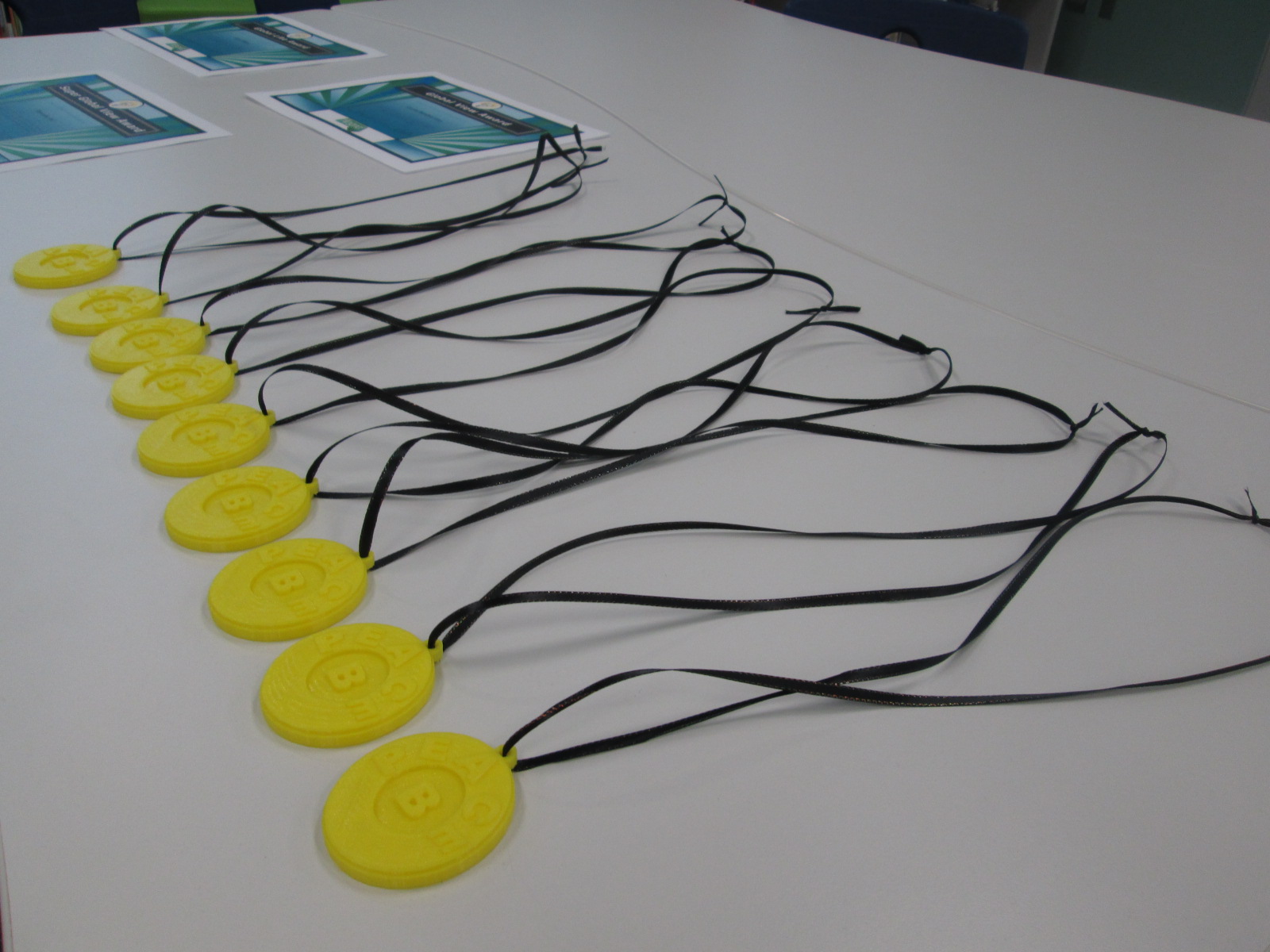
This one tweet made us think even more.  We originally just planned to print one medal and share it among all of the 2nd grade teachers in honor of the winner of the black history votes, but because we gave ourselves space for flexibility, other miraculous things happened.  We printed enough medals to put one in each 2nd grade class so that now students can take turns in their classroom holding or wearing the medal, and we also sent some to Flipgrid headquarters in Minneapolis, MN.

Flipgrid Barrow Peace Prize (1)

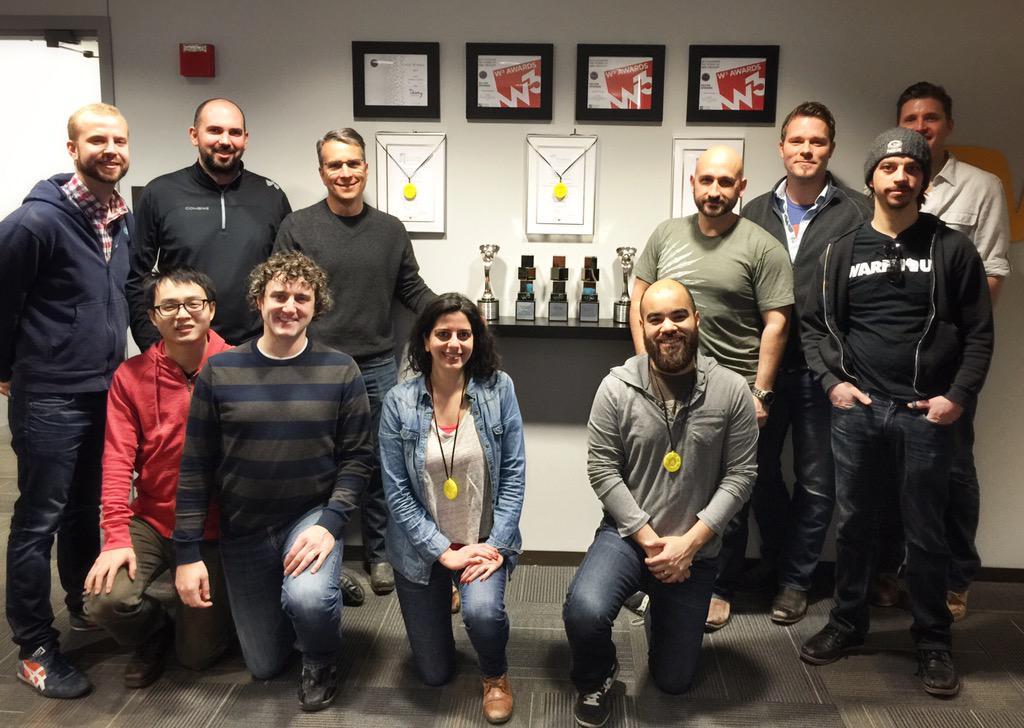
Now, Taylor’s 3D creation is hanging in Minneapolis with Flipgrid’s many other awards.  How miraculous is that?

The Flipgrid team proudly displays their Barrow Peace Prize medals along with their numerous other awards.

It is stories like these that remind me of the importance of slowing down and being flexible.  Planning is still crucial, but I’m reminded that I shouldn’t plan so much that it hinders the amazing things that can happen when we let go of control and see what happens.  I encourage you to give it a try.

https://twitter.com/EMCPublishing/status/575379804901351424

The 2015 Barrow Peace Prize with the Flipgrid Team: And the winner is…

Flipgrid Barrow Peace Prize (2)For the entire month of February, people around the globe have been voting on our 2nd grade black history Flipgrid project.

After all of the research, the writing, the filming, the promoting, and the designing, we are ready to announce our winner.

Flipgrid Barrow Peace Prize (4)

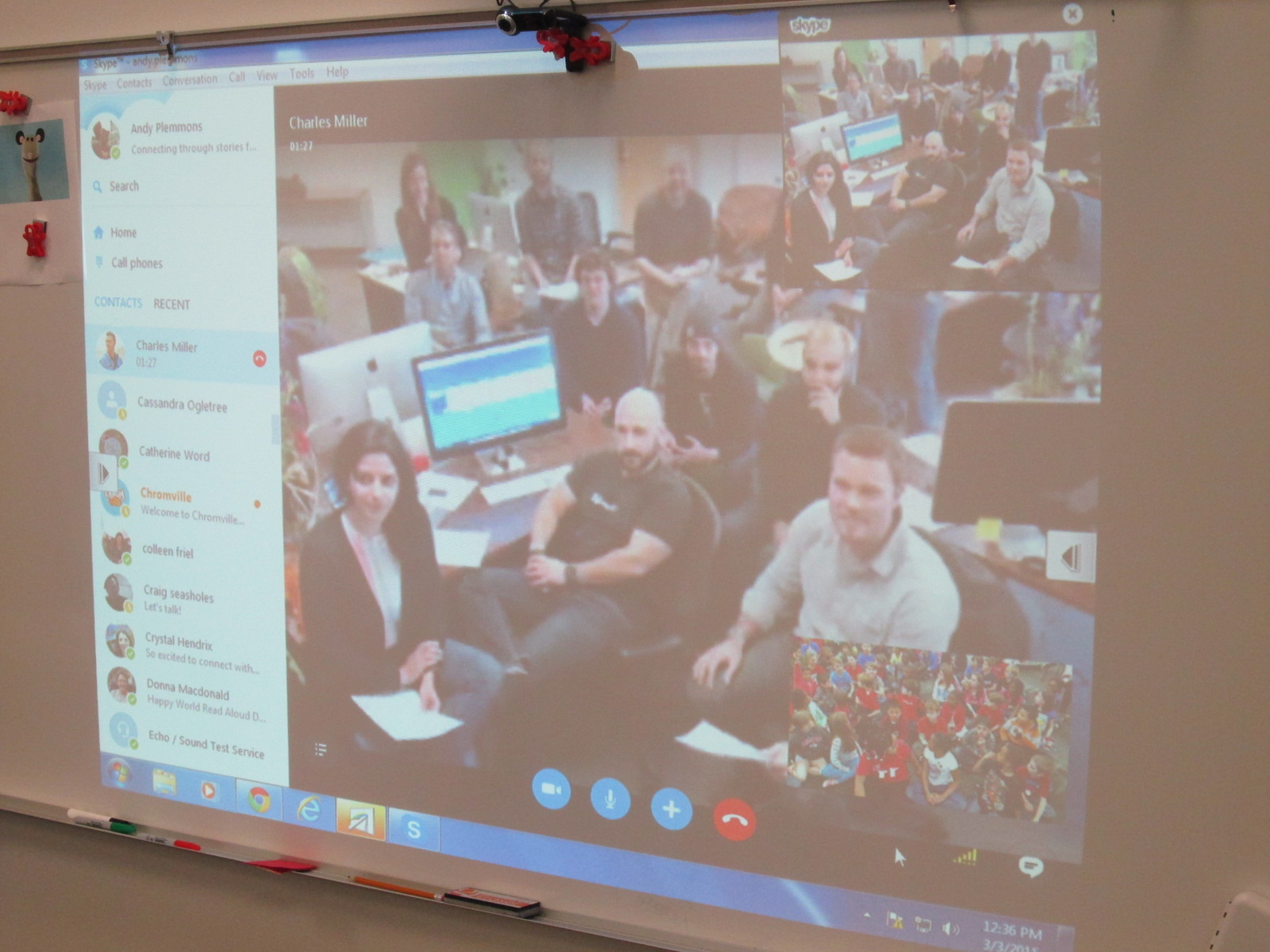
Today, we Skyped with the Flipgrid team in Minneapolis, Minnesota to learn about Flipgrid, announce the winner, and also give out some very special recognitions.

First, students got to meet the Flipgrid team and ask some questions about creating an app.  I love when students get to talk directly to the developers.  They gain an understanding of how coding plays into real careers.  They also hear that app developers come from many different backgrounds and didn’t necessarily come into their role with all of the expertise to create an app.

Flipgrid Barrow Peace Prize (3)

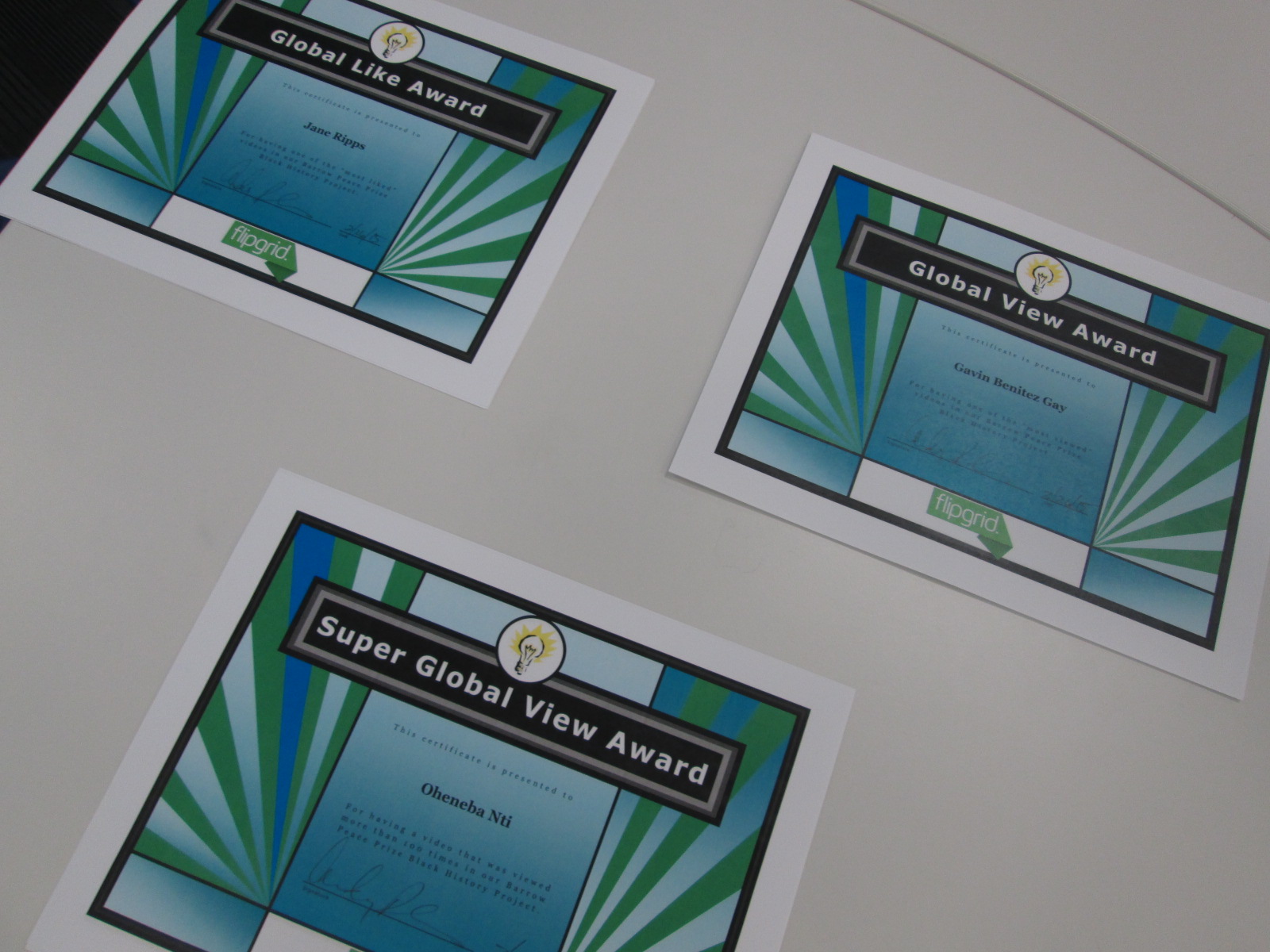
One of the very special parts of our Skype with Flipgrid is giving out awards.  I combed through our grids and looked for students who had the most views and the most likes.  These students received some special awards called “The Global Like Award” and “The Global View Award”.  Three students had more than 100 views each so they received a special award called “The Super Global View Award”.

I emailed the names to the Flipgrid team and they took turns calling out student names.  The teachers and I handed out certificates, and it was so much fun to see the kids cheering each other on.  It was a supportive community.  Since there were several awards, we did our best to do silent cheers and silent claps for one another.  Even the Flipgrid team joined in with our silent celebrating.

Another special moment happened when Taylor, the designer of our Barrow Peace Prize medal, stepped up and told the Flipgrid team about his design.  I presented him with the very first Barrow Peace Prize to take home with him.

We also told the Flipgrid team that we are sending a Barrow Peace Prize medal to them as well.  They are going to hang it in a special place in the office with their many other awards.

Finally, it was time for us to announce the winner of the 2015 Barrow Peace Prize.  The votes were very close between our 6 people from Black History, but in the end, we are happy to announce that the 2015 Barrow Peace Prize goes to….Jesse Owens!

Another copy of the Barrow Peace Prize medal was presented to the 2nd grade in  honor of Jesse Owens, and it will be passed around among the classes.

Flipgrid Barrow Peace Prize (1)

Of course, when you’re Skyping it’s always interesting to see the perspective from the other side.  Here are a few views of what it looked like in the Flipgrid headquarters.

At the close of our Skype, the Flipgrid team let the students know that they would be getting a special Peace Prize party complete with Flipgrid stickers!

Flipgrid Barrow Peace Prize (19)

We would like to send another big thank you to the Charlie Miller, Brad Hosack, and the whole Flipgrid team for taking time out of your day to connect with us and remind our students that their voices matter in our global community.  This project just keeps growing and inspiring us (and others) to do even more.

Using the 3D Printer to Empower Student Voice: A New Piece of Our Barrow Peace Prize Flipgrid Project

IMG_4943

Any time I implement a collaborative project, there are way more ideas swirling around in my head than we can actually pull off.  This year, our Flipgrid Black History Project has gone through so many changes.  Several of these changes were ideas that we had last year.  One of those ideas was the concept of moving this project to something more authentic than designing the next postage stamp.  We wanted something that was more within our control that students could actually have a voice in deciding.  We came up with the Barrow Peace Prize.  I’ve written a few posts about this project already this year.

One day an idea just popped into my head that we really need an actual “Barrow Peace Prize” to present when we announce which person from Black History will receive this honor this year.  Since we have a makerspace in our library with a 3D printer, I knew it was certainly possible for us to make a professional award.  I considered how this might happen.  Should I ask an older student who had experience with 3D printing but no real connection to the project?  Was there a 2nd grader who might work with an older student to design our award?

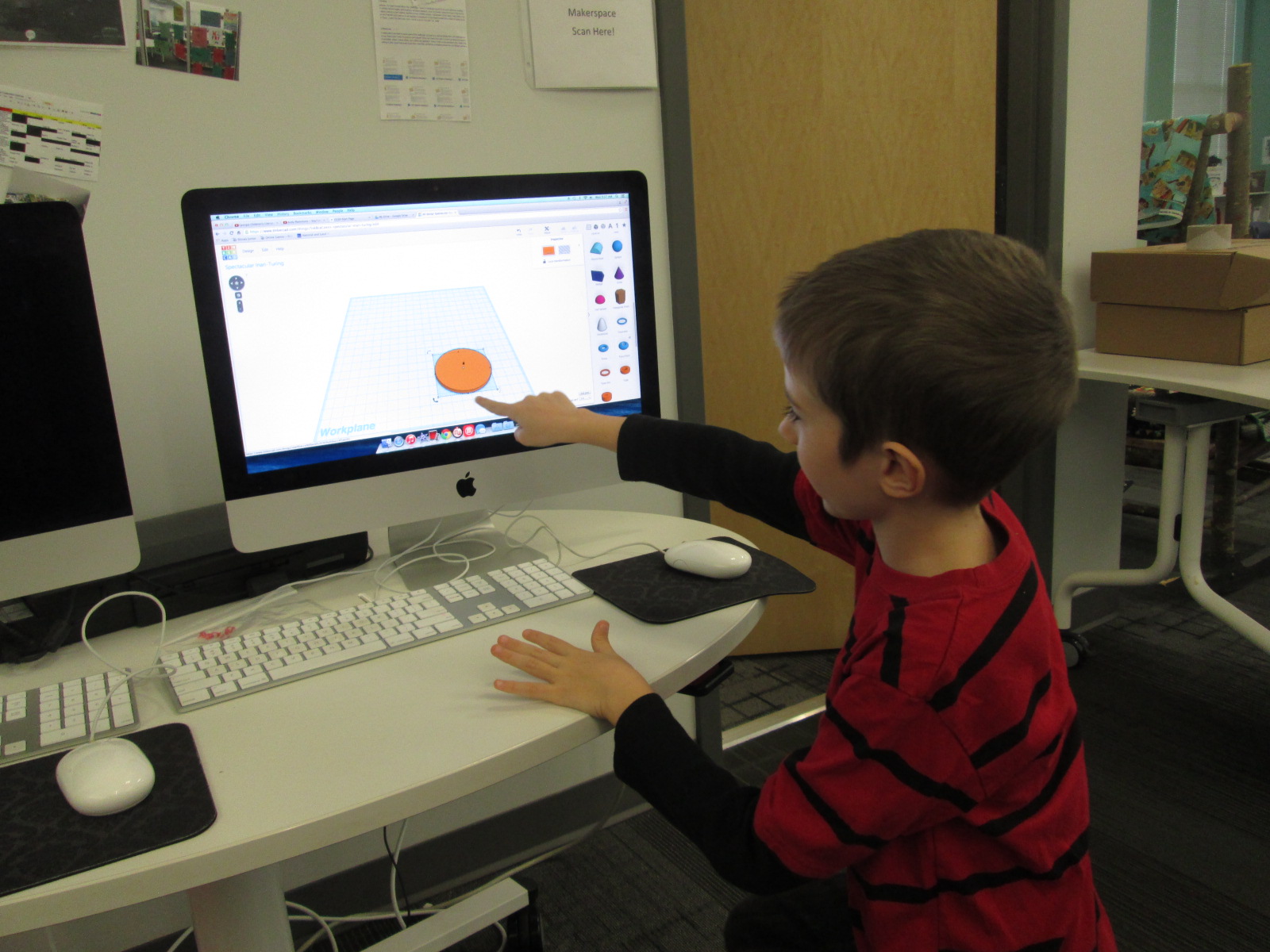
Then, a student voice came through during one our enrichment cluster sessions.  Taylor is a 2nd grader who has tinkered with all sorts of things in our makerspace.  At our last enrichment cluster session, Taylor brought in a pair of spy glasses.  They are glasses that have mirrors build in so that you can see what is behind you. He wanted to learn how he could design something like this by using Tinkercad and our 3D printer.  He had never used Tinkercad before, but he jumped right in and started tinkering.  He had a clear plan in his mind of what he wanted to create and in one session he had an initial design for his glasses.

Ideas and student voice collided and I knew that Taylor was the designer for our Barrow Peace Prize.  By the time this all happened it was just days before our Skype with Flipgrid and the announcement of our award, so I emailed his teacher just to see if it was possible to pull him into the library at some point to work with me on a design.  One of the things I love so much about our school is how much our teachers know each individual student and how much they want them to explore their passions.  His teacher wanted to do everything possible to make this happen.  We scheduled a time…..and he was absent.   We scheduled another time…..and he was absent.  The third time was the charm apparently because on the day before our Skype with Flipgrid, he was here.

I brought him into the library and told him about the idea.  He was beyond excited to get to work.  I showed him one of the designs that I had tinkered with.

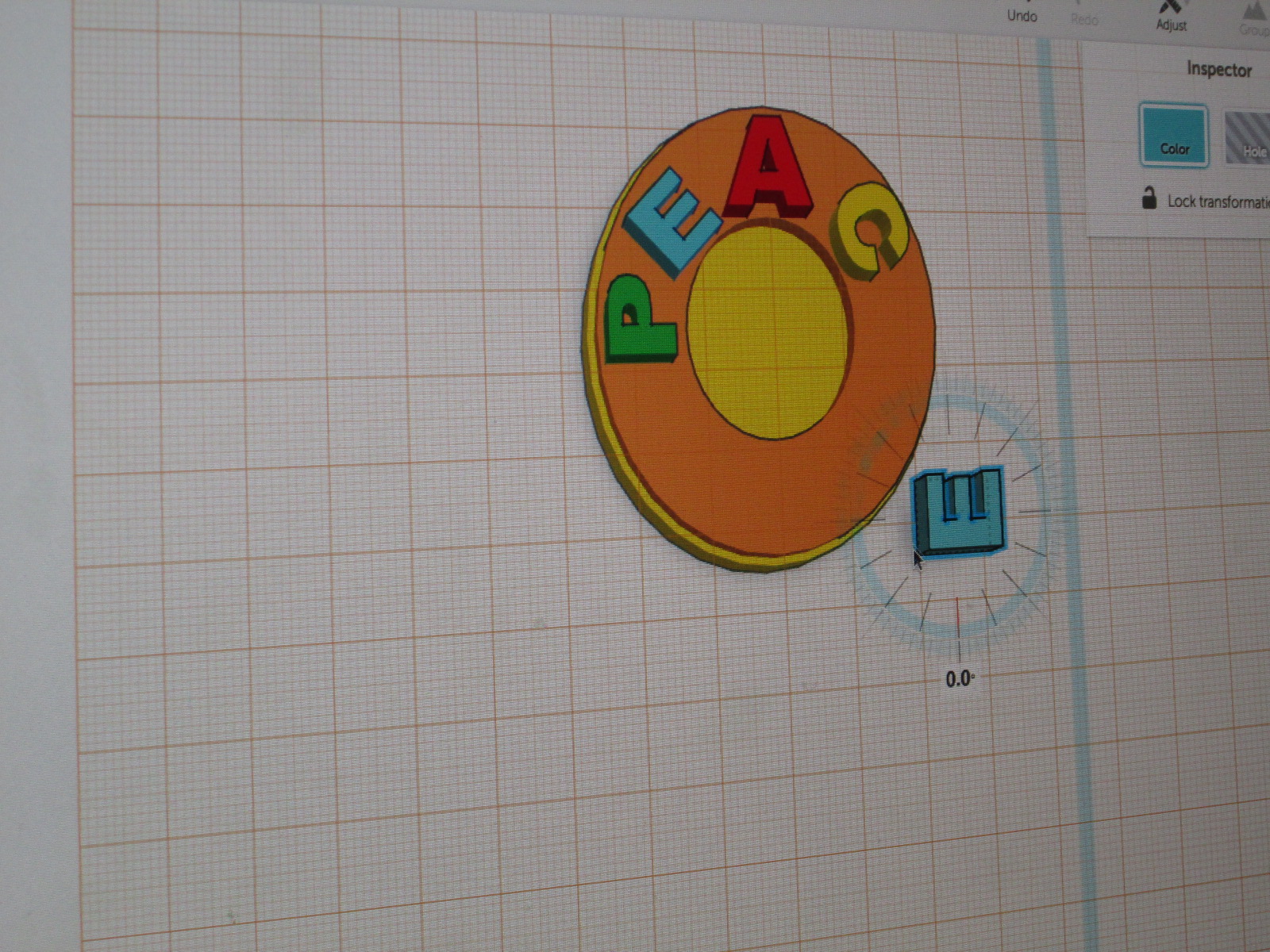
One of my designs as I was tinkering with the idea of a peace prize

Being the kind student that he is, he said, “Well….I do like how you included the word peace, but I was thinking it should be more like a medal”.

I handed over the mouse and he got right to work.  I really sat back and let Taylor drive the work, but if I saw a tip that would help him I jumped in and shared.  For example, he didn’t know about grouping objects in Tinkercad so that they always stay together as you move them.

Within 30 minutes, he had his design ready to go and we put it into Makerware to prepare it for 3D printing.


Taylor’s Tinkercad Design

Taylor picked out his filament to look like an actual medal, and he pressed the glowing M to get it started.  While he was gone, this happened.

We are very used to failure in our makerspace.  I’m not really sure what happened, but I think the filament got tangled on the spool and caused some stress on the printer.  We decided to make some very minor tweaks and also to print it smaller than we were trying to print.

Taylor came in when the other print was nearing its finish and we talked about the first print failure.  He picked up the failure and started showing me all of the things that went right in the print.  It was an amazing examination of work.  Seeing a student not reach a point of frustration or meltdown, but instead, look for what was right and what needed to change was simply miraculous.

We did keep a close eye on this 2nd print, and before we knew it, we had a medal.

Even our friends at Flipgrid think this student voice is awesome.

Like many people, we are not having the best luck with weather right now, so we hope we are able to connect with Flipgrid very soon and announce the winner of the Barrow Peace Prize.  For now, we will celebrate that one more student’s voice was empowered through the makerspace in our library.

Social Studies Character Traits: Historical Figures and Personal Connections

IMG_4902This year our school has been creating space for vertical alignment meetings for each subject area.  In these meetings, a representative from each grade level talks about the standards for each quarter and we start to look for ways that we might collaborate across grade levels or move curriculum around the better serve our students.  One of the conversations that keeps coming up in the social studies meeting is character traits and historical figures.  Every grade has a list of historical figures that they have to cover along with a list of character traits that each person represents.  Students really have to understand both the historical figure and the character trait in order to connect the two.  We’ve discussed looking for themes in character traits across the school curriculum so that we might feature specific traits each month with both historical figures, current figures, and ourselves.

IMG_4901

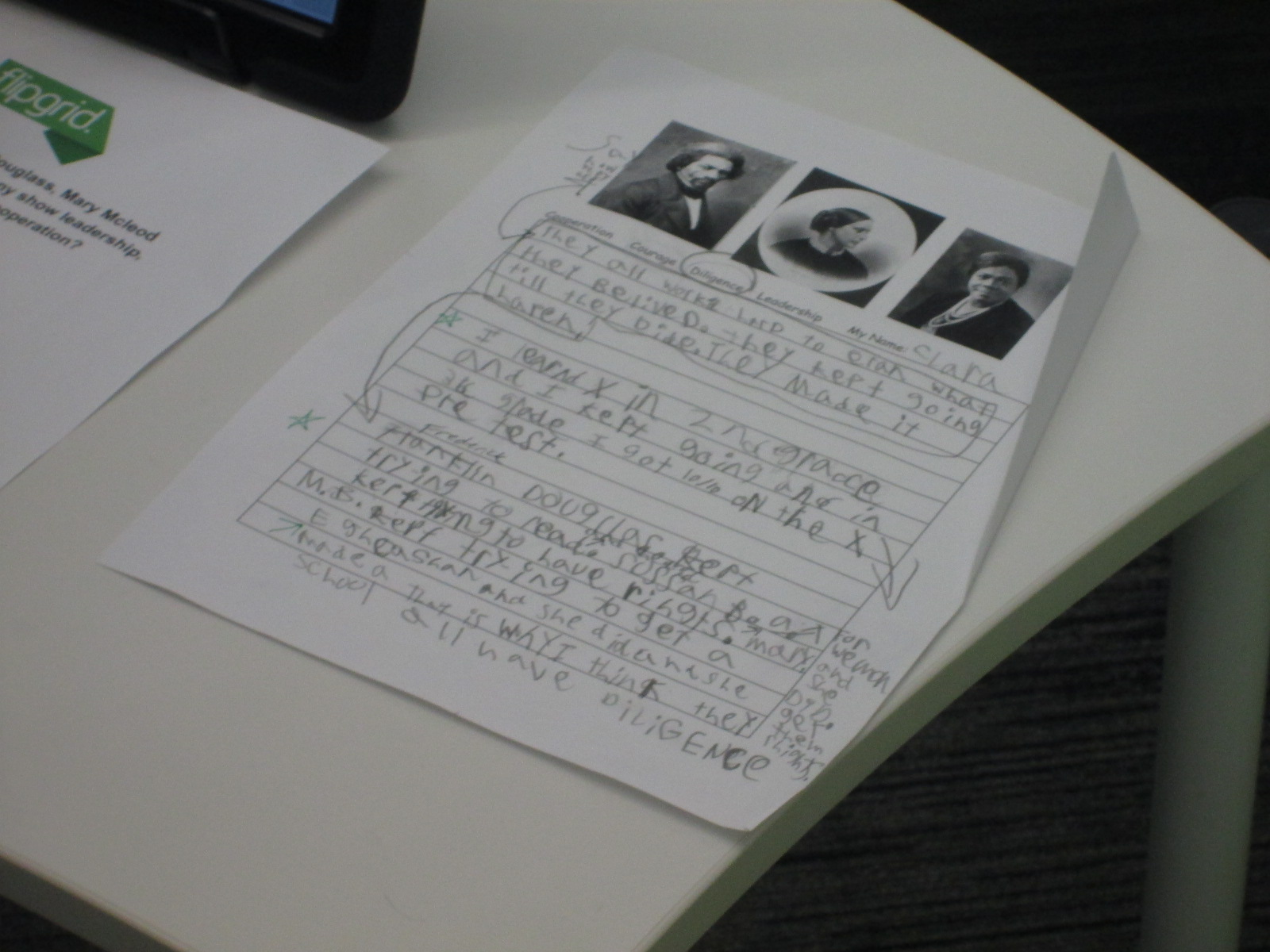
Third grade just tried something new with their standards.  They learn about Mary Mcleod Bethune, Susan B. Anthony, and Frederick Douglass and how these figures demonstrate leadership, diligence, cooperation, and courage.  Wow!  That’s a lot to understand.  I love how the 3rd grade approached this.  They spent two weeks  really going in depth with each historical figure.  They read informational text, used the PebbleGo database, and other online resources to know the main contributions of each historical figure.  Along the way, students gathered facts about each historical figure.

IMG_4906

They also spent time learning about diligence, leadership, courage, and cooperation. With these traits, they tried to think of real world examples of how each trait was used.

In the library, each class came for a 45 minute session to comb through all of the facts collected through the lens of a character trait.  Each student chose one character trait to focus on.  The goal was to look back through all of the facts about Susan B. Anthony, Mary Mcleod Bethune, and Frederick Douglass and pull out the facts that demonstrated that character trait.

To setup this time, I modeled the process by using another historical figure that wasn’t part of the social studies unit: Martin Luther King Jr.  We quickly reviewed the 4 character traits.  I thought students would better be able to pull out facts that demonstrated a character trait if they first had a personal connection to the trait.  I told a personal story about how I had shown courage.  When I was in high school, I was terrified of public speaking to the point that I would shake uncontrollably and get sick to my stomach.  By using courage, I have not eliminated this fear from my life, but I’ve learned to control it and now speak in front of many different groups of people.

After telling this personal story, we looked through lists of facts about Martin Luther King Jr and tried to pull out facts that matched each of the character traits.  Students turned to partners and talked about which facts matched which traits and why.

Then, students moved to tables and began their writing time by reflecting on themselves and their chosen character traits.  The teachers and I circulated to talk with students about this.  Then, they went through each of the 3 historical figures and pulled out facts that matched that character trait.

Back in class, students continued working on this process and then crafted their chosen facts into a script where they could explain how each of the historical figures demonstrated the chosen character trait.

Students returned to the library for 10-minute recording sessions.  They used Flipgrid to capture their thoughts.

I think that this was a big step toward thinking about how to make character traits and historical figures connect with our students’ worlds today.  I think we have more work to do, but I love that a new process has started.

I invite you to listen to all of the incredible 3rd grade videos about courage, diligence, leadership, and cooperation.

Leadership

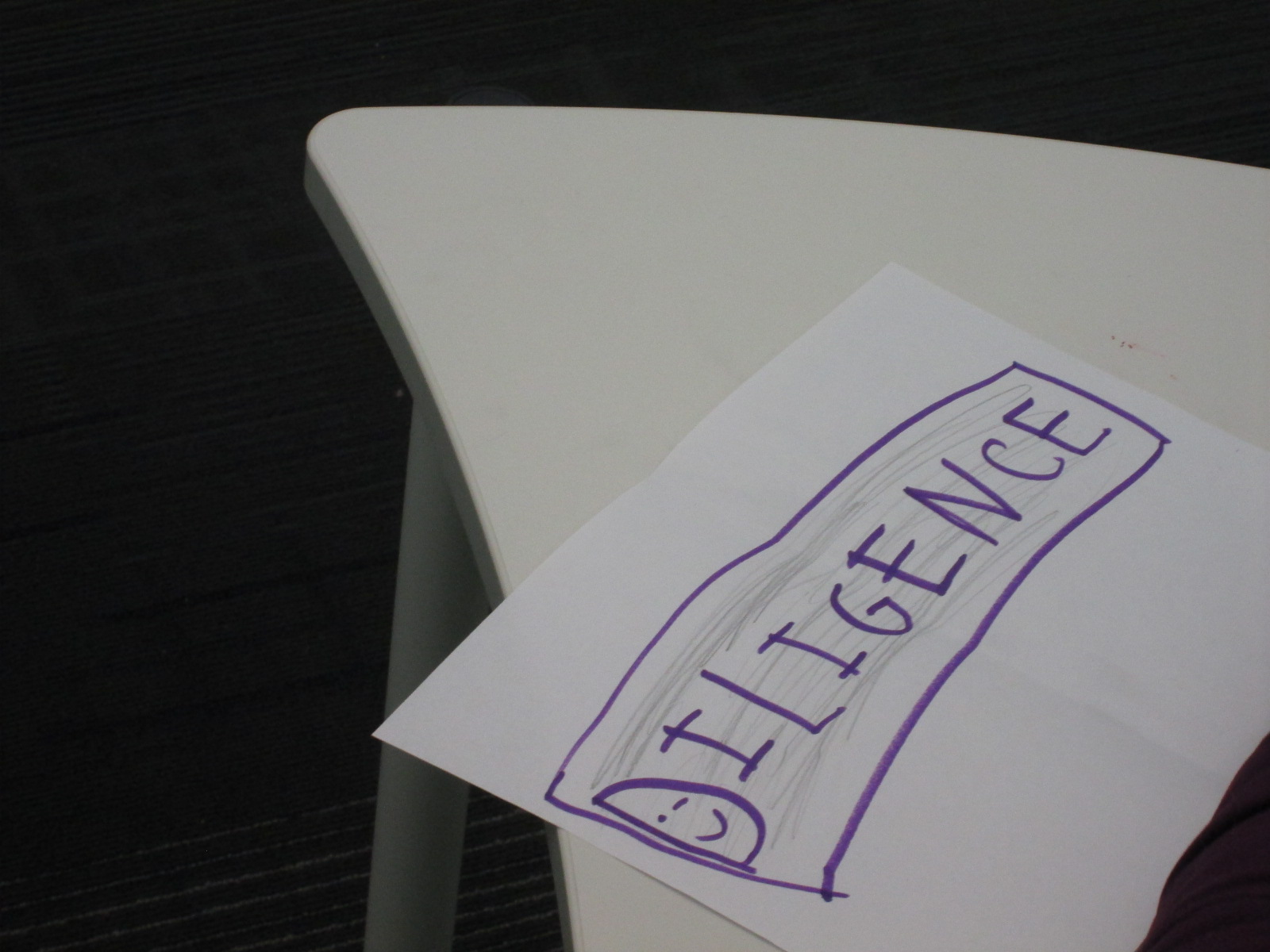
Diligence

Courage

Cooperation

2nd Grade’s Black History Flipgrid Project is Ready for Your Votes!

filming (7)

Our Barrow 2nd graders have been hard at work creating this year’s Black History research project.  We built upon our momentum from last year, but added many new layers.

filming (19)

During the project students

Over the past 2 weeks, students have been coming to the library in groups of 4 during blocks of 10-minute segments.  During each session, I put a sign on the library door to encourage people to enter quietly.

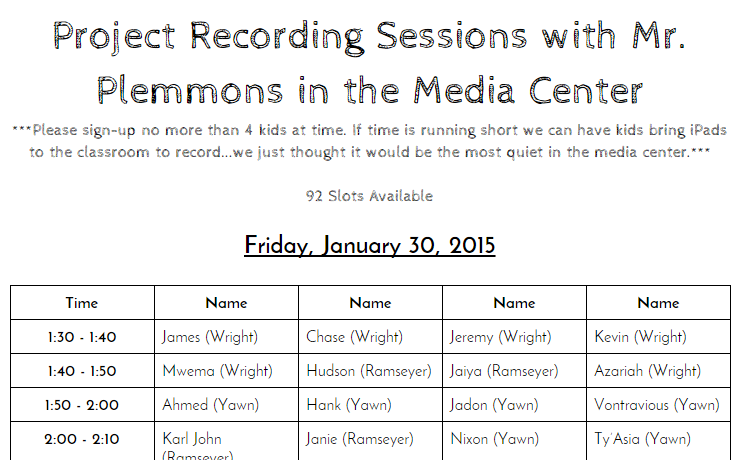
The teachers scheduled their students on a shared Google doc, so I knew who was coming at each 10-minute interval.  This was really helpful for me to know if students really had some extra time or if they needed to finish and hurry back to class.  recording sessions

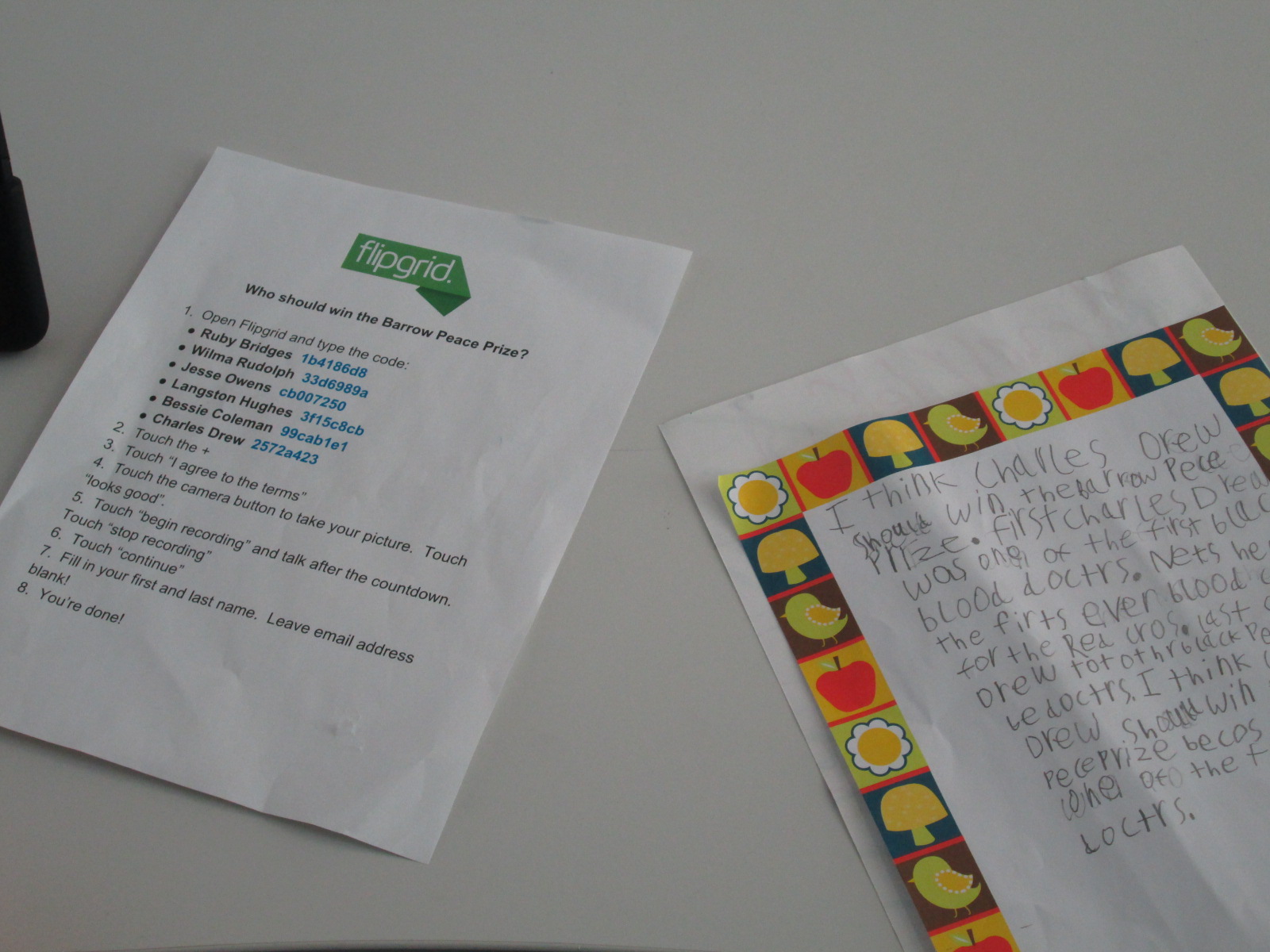
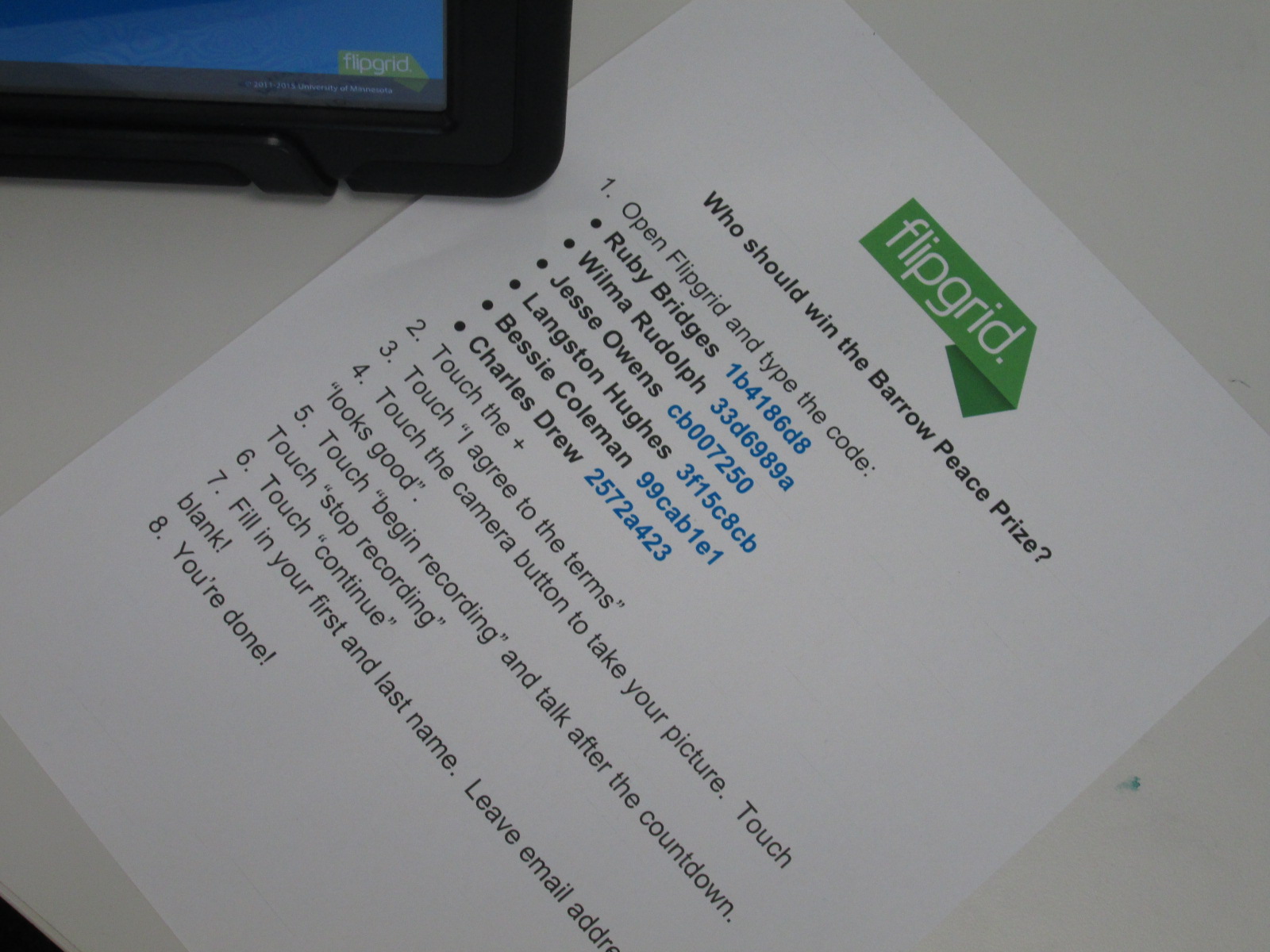
I put out a helpful list of instructions by 4 iPad stations in the library with all of the codes that students would need to get to their questions.

filming (14)

Students were focused and productive as they got their work ready for the world.

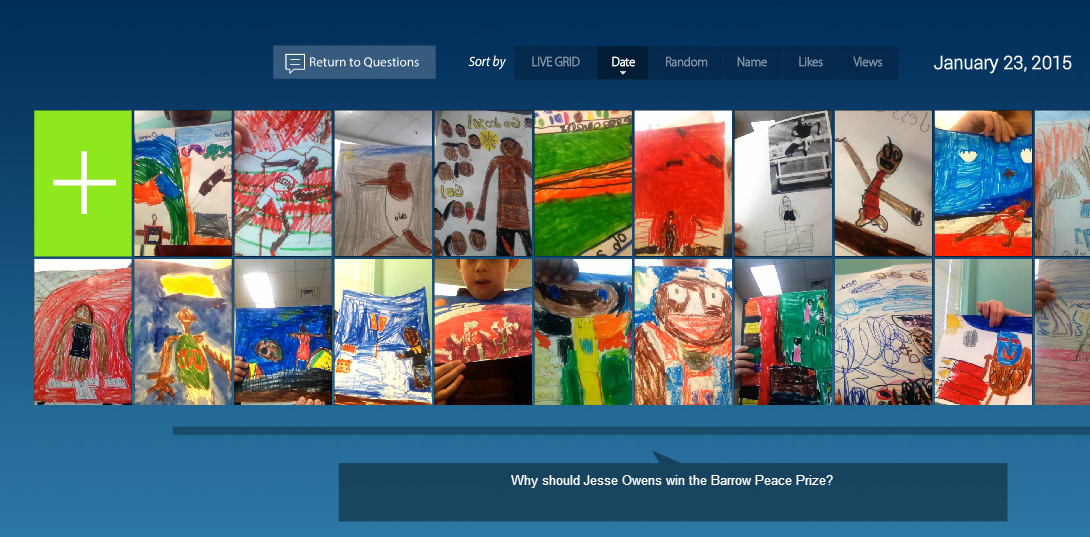
Now, the students are finished with their recording and they need your help.

jesse owens

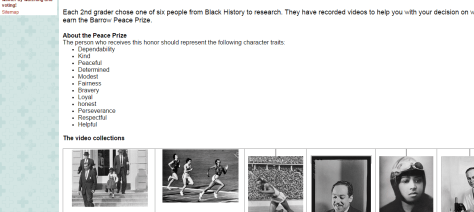
They would like for you to visit their Google site and view videos about each of the 6 people.  Then, help us decide who should win the first Barrow Peace Prize.  Students decided that the person who wins should be someone who represents the following character traits:

  • Dependability
  • Kindness
  • Peaceful
  • Determined
  • Modest
  • Fairness
  • Bravery
  • Loyal
  • Honest
  • Perseverance
  • Respectful
  • Helpful

In a couple of weeks, voting will close and we will announce the winner of this year’s Barrow Peace Prize.  Thank you for taking time to view the students’ work.  If you have any comments about specific videos feel free to leave a comment or a Tweet for me to share with the students.  Also, you are welcome to share this project with other educators you know and encourage them to view and vote, too!

Visit our Google site to view our videos and vote on the Barrow Peace Prize.

Visit our Google site to view our videos and vote on the Barrow Peace Prize.

Click here to visit our Google Site and Vote! 

Keeping Project Momentum When the Schedule Gets in the Way: One Use of Google Hangouts

Barrow Peace Prize Criteria   Google Docs

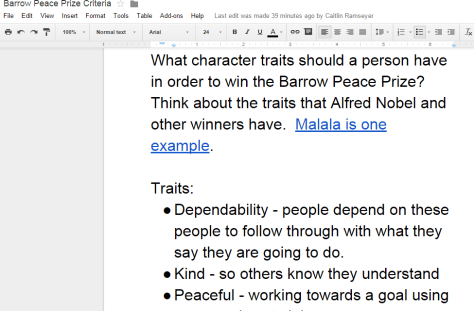
Our 2nd grade is deep into their project on six people from Black History.  Most classes are finishing up their research for our Barrow Peace Prize Flipgrid project.  Before students begin the writing process, we want them to understand what the Nobel Peace Prize is and consider the character traits that someone might have who receives this award.  Every class needs the exact same lesson, but they need the lesson before students can really move forward with their writing.  Sometimes the library schedule can get in the way of these kinds of projects.  I don’t want the library schedule to cause a project to be delayed simply because we can’t fit everyone into 30 minute slots across a day or two.  This is the perfect time to use technology to maximize our time.

For the 2nd time, I did a Google hangout with an entire grade level in order to save time.  Before the hangout, I setup a Google Hangout on Air and sent the participation link to all of the teachers via email.  I also created a Google doc where we could do some brainstorming and invited all four of the 2nd grade teachers to be collaborators.  I made sure that the link to the doc was “view only” for anyone else with the link.

Before the hangout started, I opened the hangout, turned on my cam, and muted my microphone.  As the four classes joined, I could easily hear if their microphone and video was working or not.  Then, I could use the control room tool to mute each teacher’s microphone while we waited on all classes to join.  Periodically, I came back on the microphone to update the classes who were waiting and remind teachers to open our shared Google doc.

The purpose of the hangout was to help 2nd graders get familiar with Alfred Nobel and the Nobel Peace Prize as well as to develop a list of characteristics for our own Barrow Peace Prize.  After a quick intro, I read the book Alfred Nobel: The Man Behind the Peace Prize by Kathy-jo Wargin and illustrated by Zachary Pullen.  Then, I told the students just a bit about Malala Yousafzai, the youngest winner of the Nobel Peace Prize.  We watched just the beginning of a CNN video of her acceptance.

Then, I invited each class to look a the shared Google doc and brainstorm the qualities that we hoped would represent the Barrow Peace Prize.  I muted all microphones while classes discussed and added to the doc.  While that was happening, I shared the viewable link to the doc on Twitter so that an audience could watch the list be constructed.

We immediately had multiple viewers of our work in progress.

Each class had an opportunity to step the microphone and share just a bit of what they discussed.  I was in charge of calling on each classroom and muting and unmuting each teacher’s microphone.

Finally, I closed by reminding students to use their research as well as the character trait list when writing their piece about their person from Black History.

https://www.youtube.com/watch?v=2ljM_kdkdnc

What would have taken 3-4 hours on the library calendar took only 30 minutes and now the 2nd grade can move forward with the writing process.  I want to check in with the 2nd grade teachers to see how things felt on the other side of the camera, but from my side, this seemed like a great model for whole grade lessons that lend themselves to a hangout.  I certainly wouldn’t want all lessons to be like this one, but this format felt right for this situation.