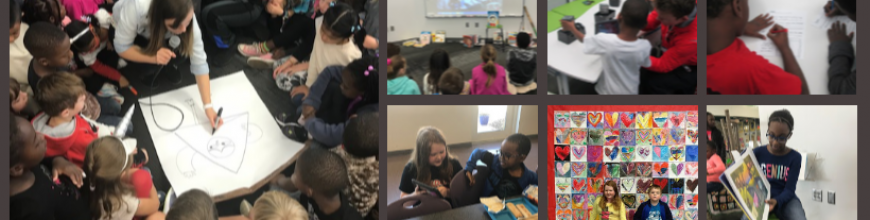
Unpacking Our Student Book Budget Books: Part 1

Unpacking (9)

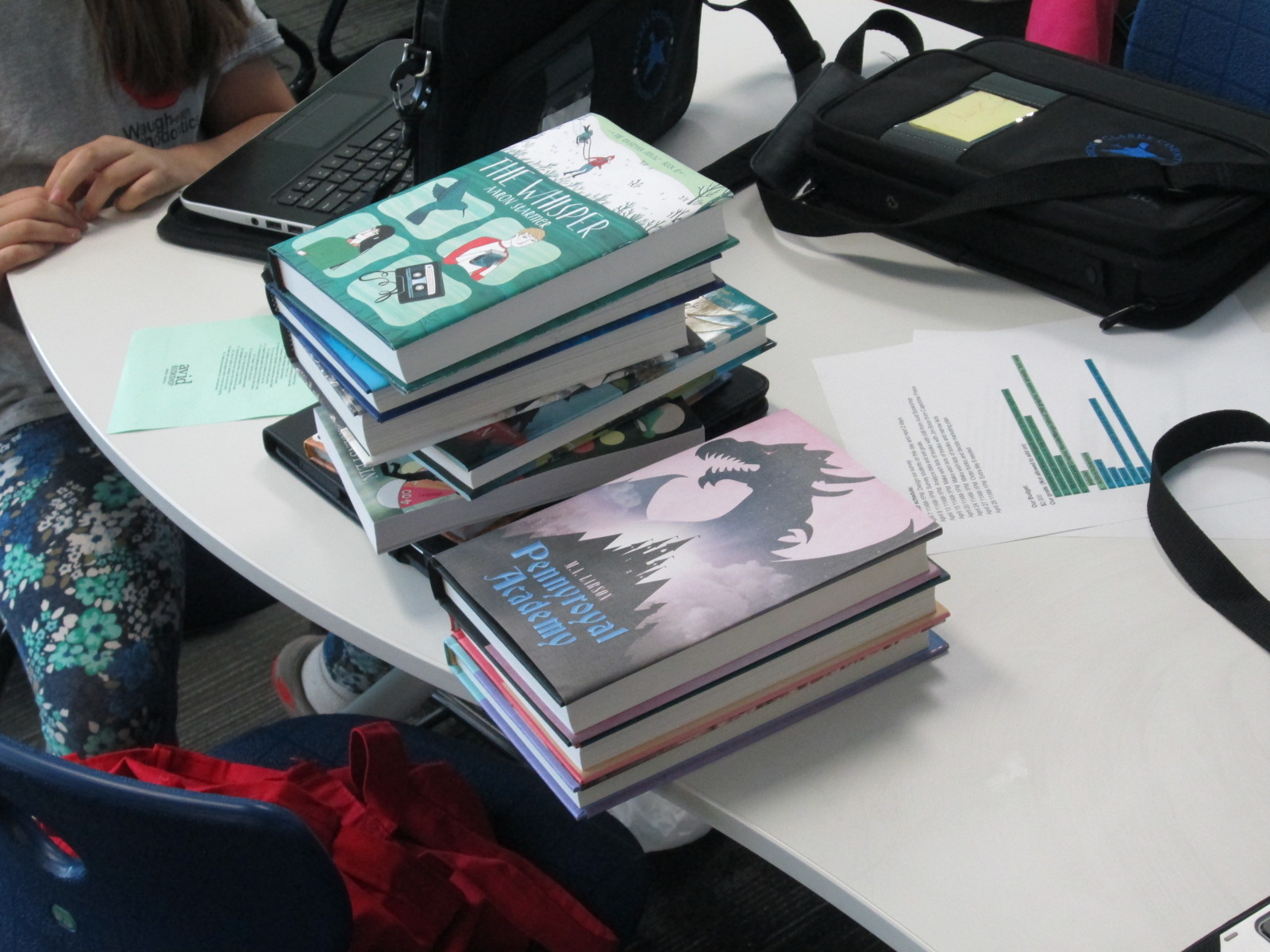
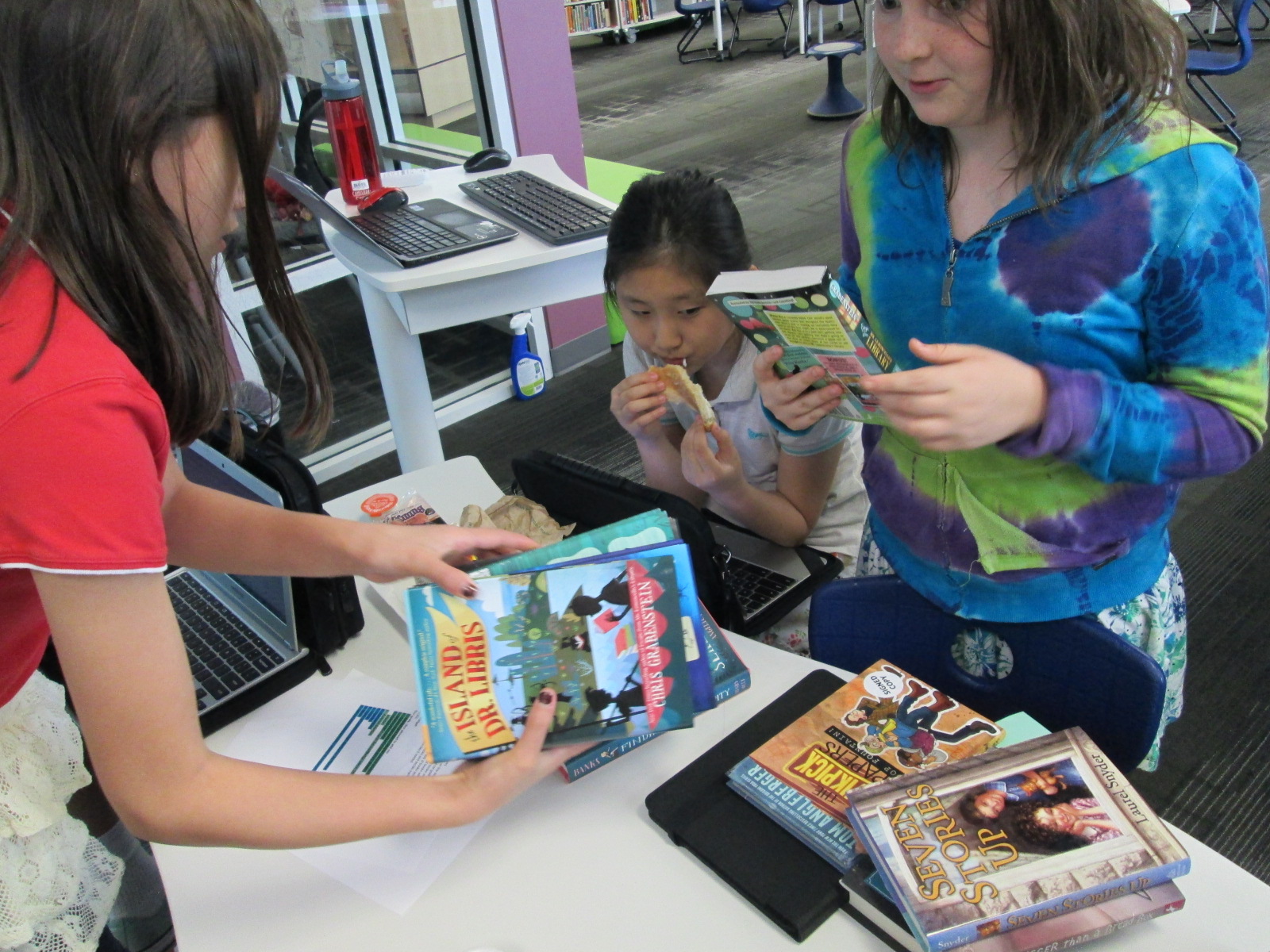
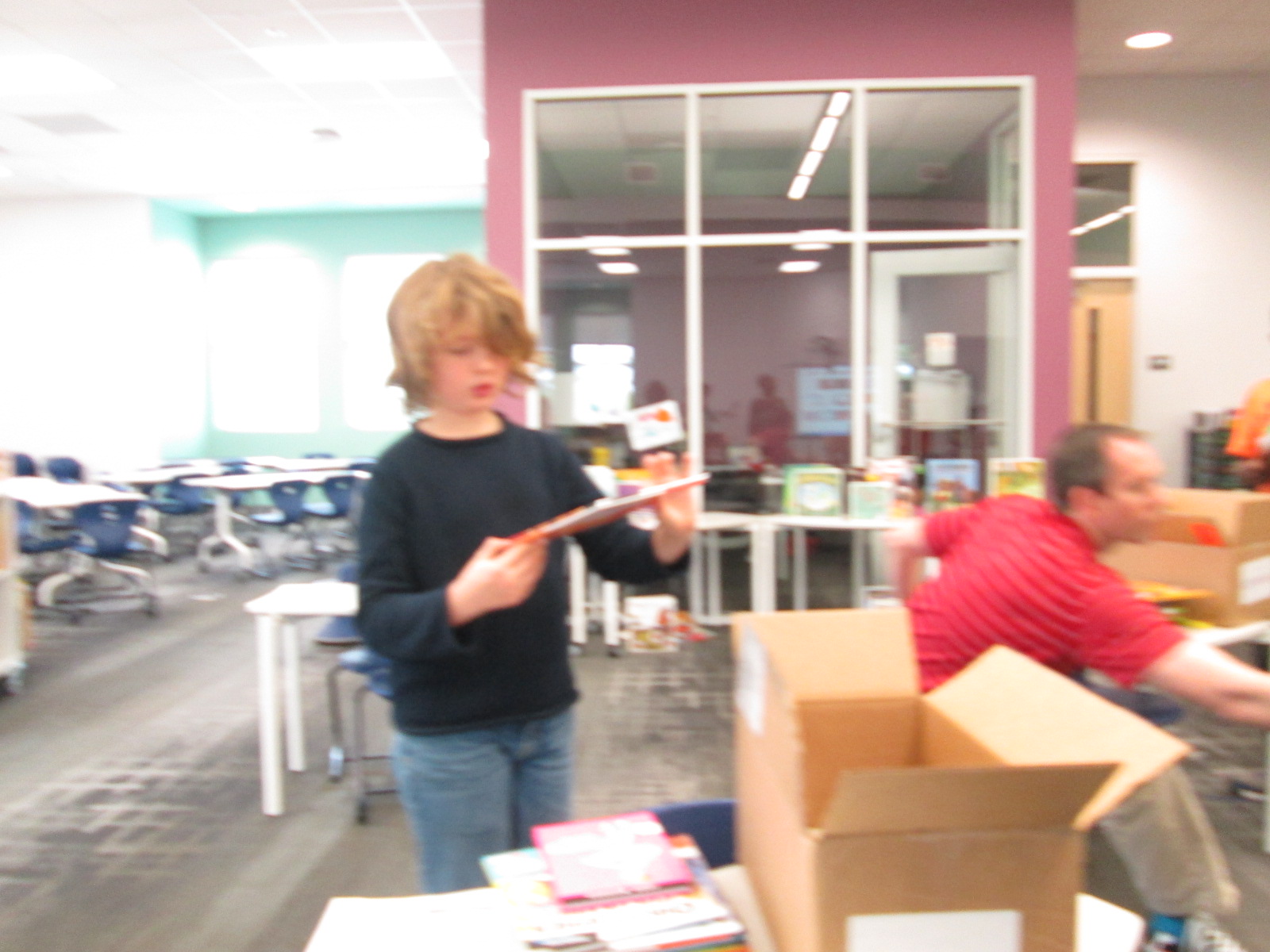
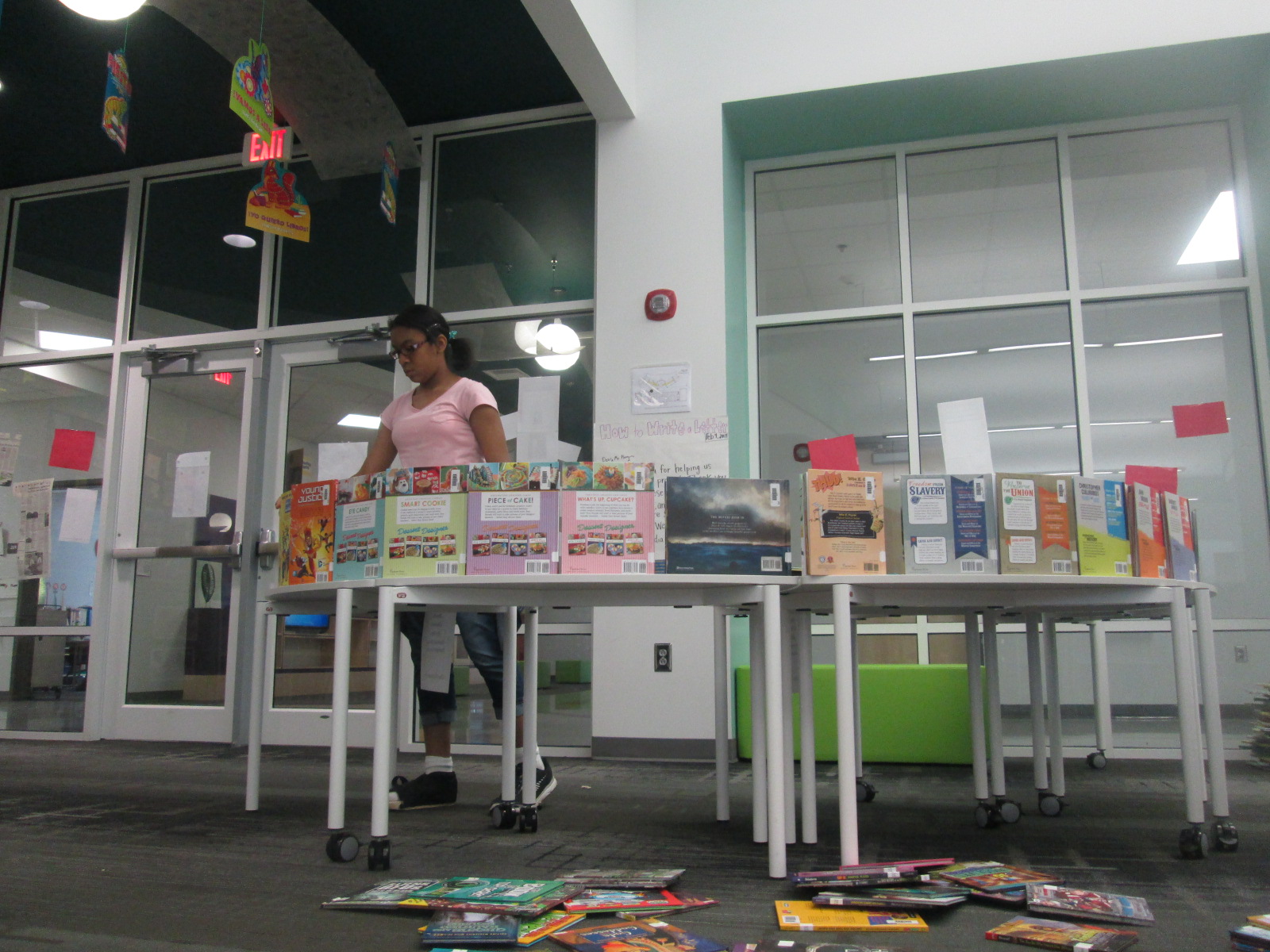
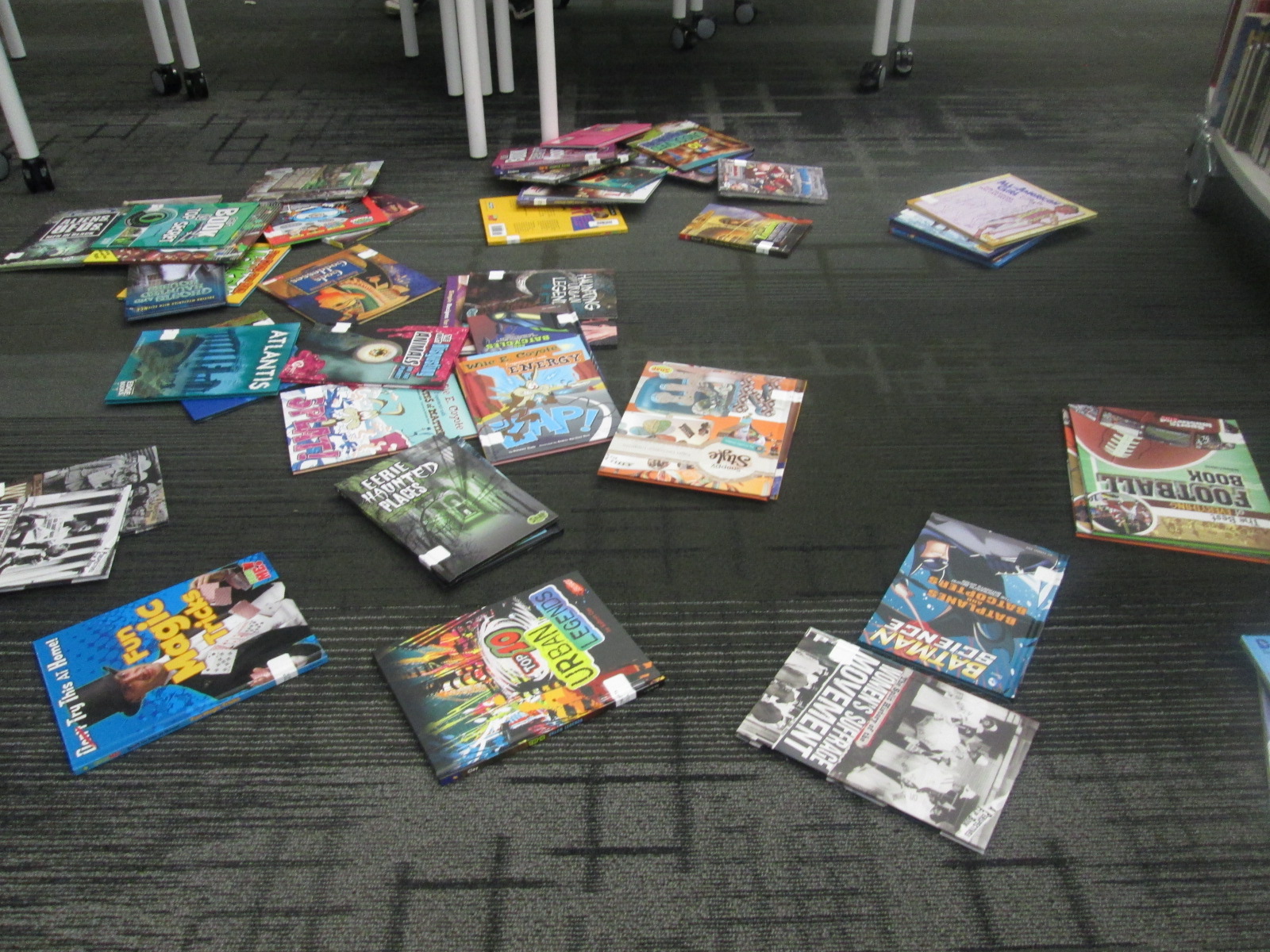
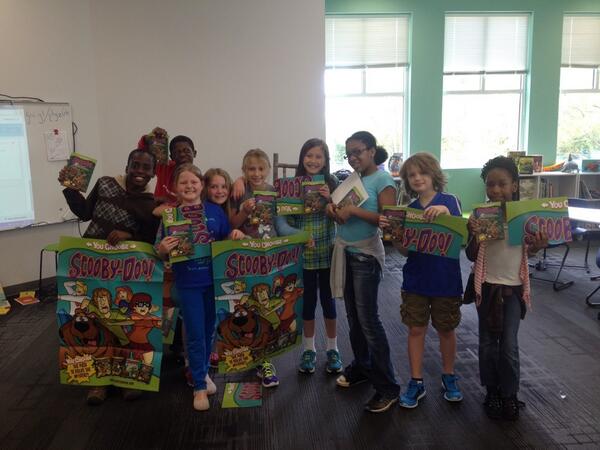
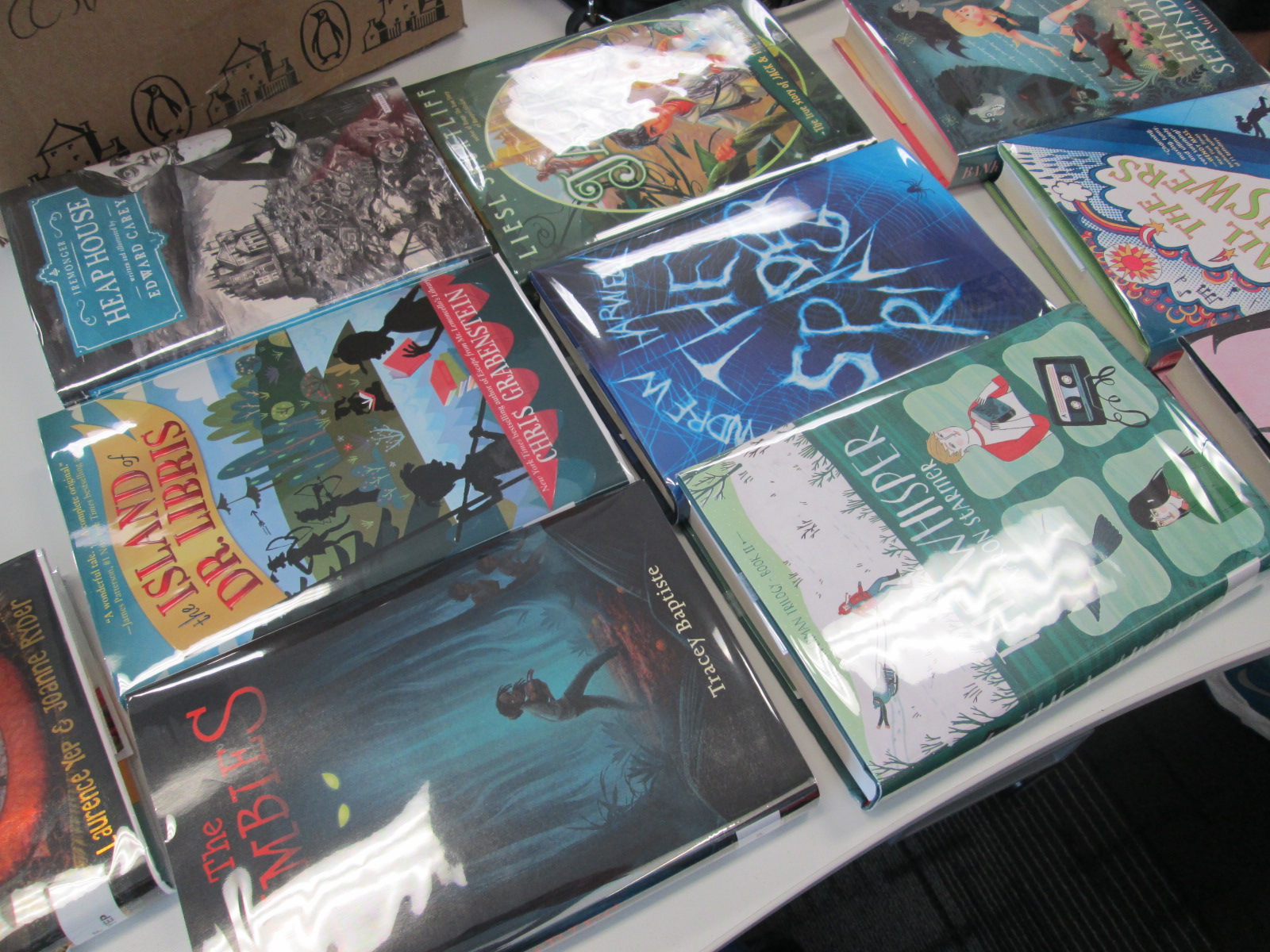
Two parts of our 2015 student book budget arrived!  It’s always exciting when I can email the students and tell them that the books are here.  They’ve been asking me almost daily since we placed the order.

All of our books from Avid Bookshop arrived during our author visit with Sarah Weeks.  The first box of Capstone books arrived while our 5th graders were at Skidaway Island.  I emailed the whole book budget group and told them to come today at noon to unpack books.

Our timeline has been a bit crunched this year.  We are almost out of school days and book check out is already coming to an end for the school year.  I need to do a better job next year of making sure this project doesn’t slip too far into the year.  Usually, we put all of the books out when they arrive and let the students start checking them out.  However, with only 8 days of school remaining, I handed this dilemma to the group.  There was a lot of debate about whether or not to have a special checkout of just book budget books or to wait until the opening of the library in the fall.  After a lot of discussion, the students decided that they wanted to wait and have these books be the first new books available to students in the fall.  It’s always nice to start the new school year with some exciting new books.

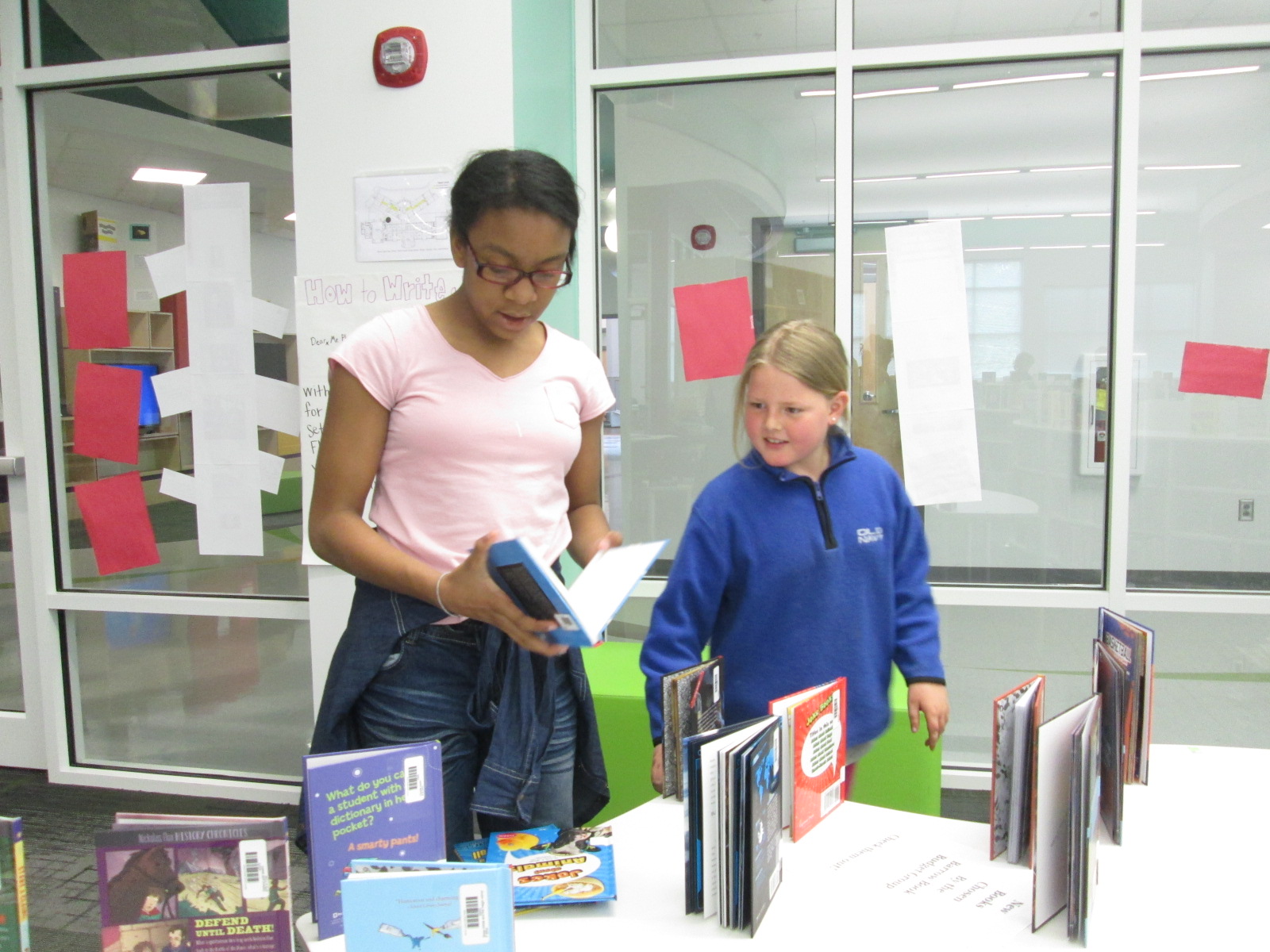
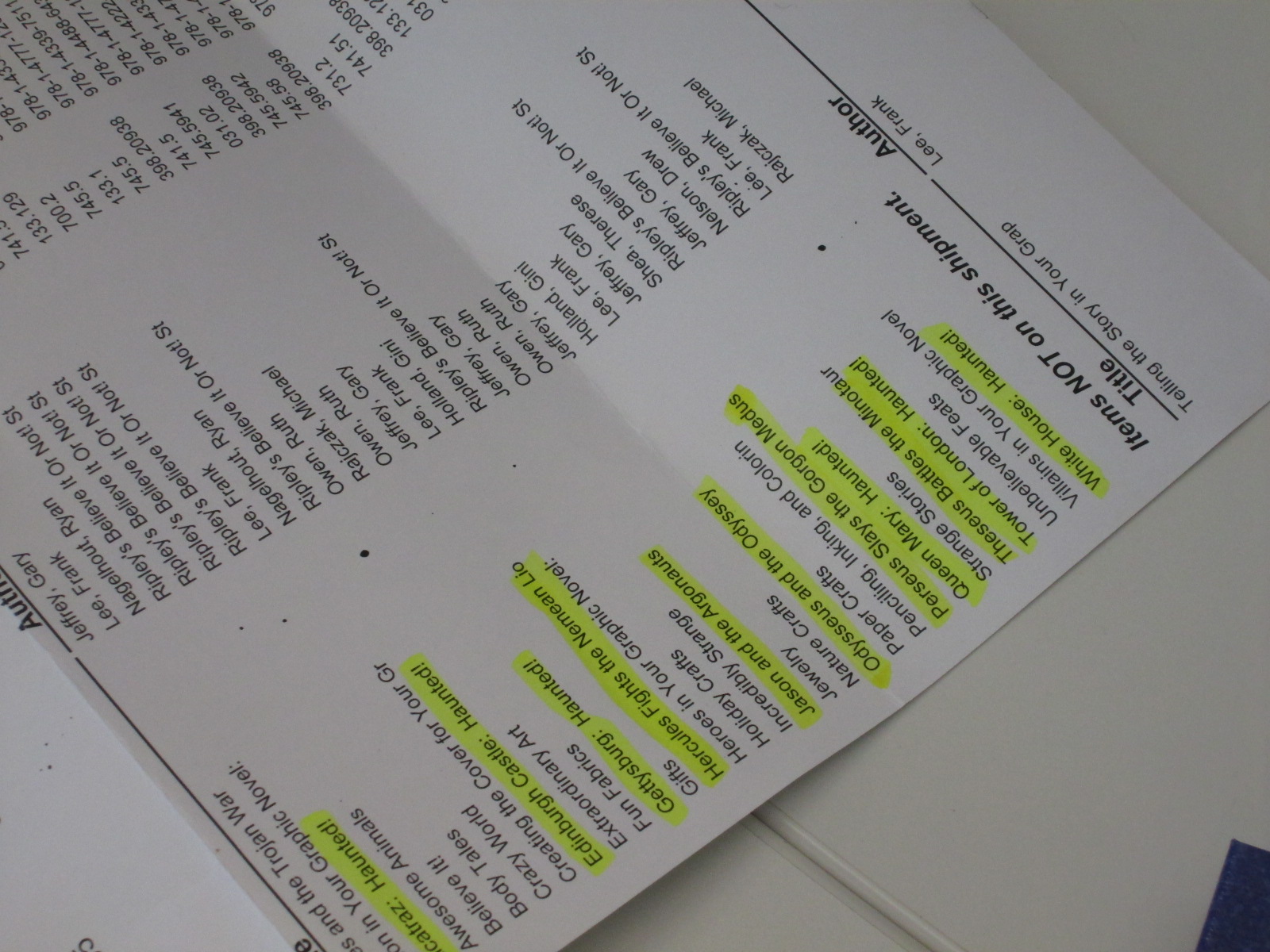
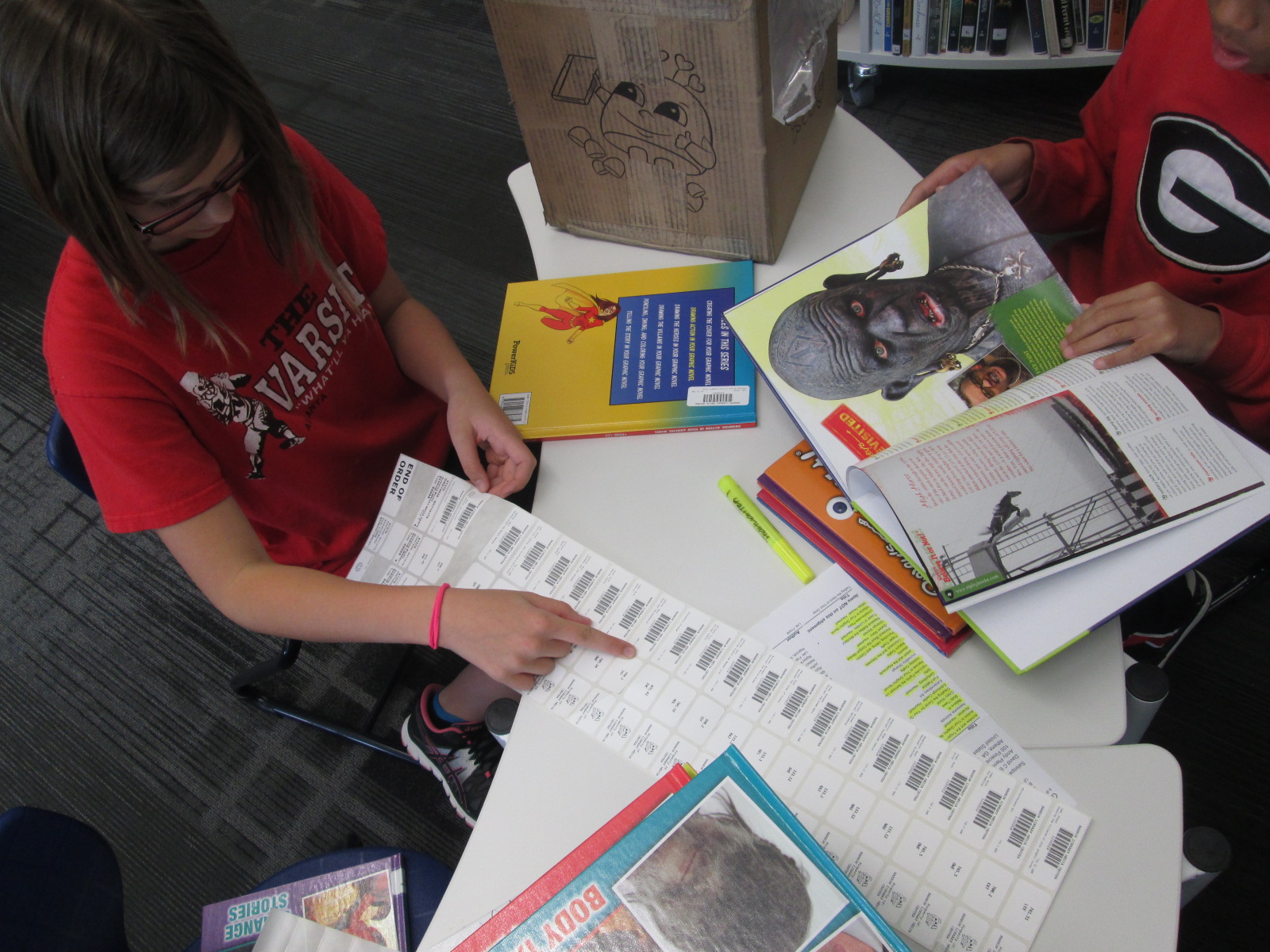
As we unpacked the books, we checked them off of our packing slips.  I had already cataloged the Avid books and uploaded the MARC records for Capstone, so the books were ready to go into circulation.  Once they were checked off the list.  Capstone sent us some special labels to put inside our books so that students could indicate books that they chose for the order.

Unpacking (3)

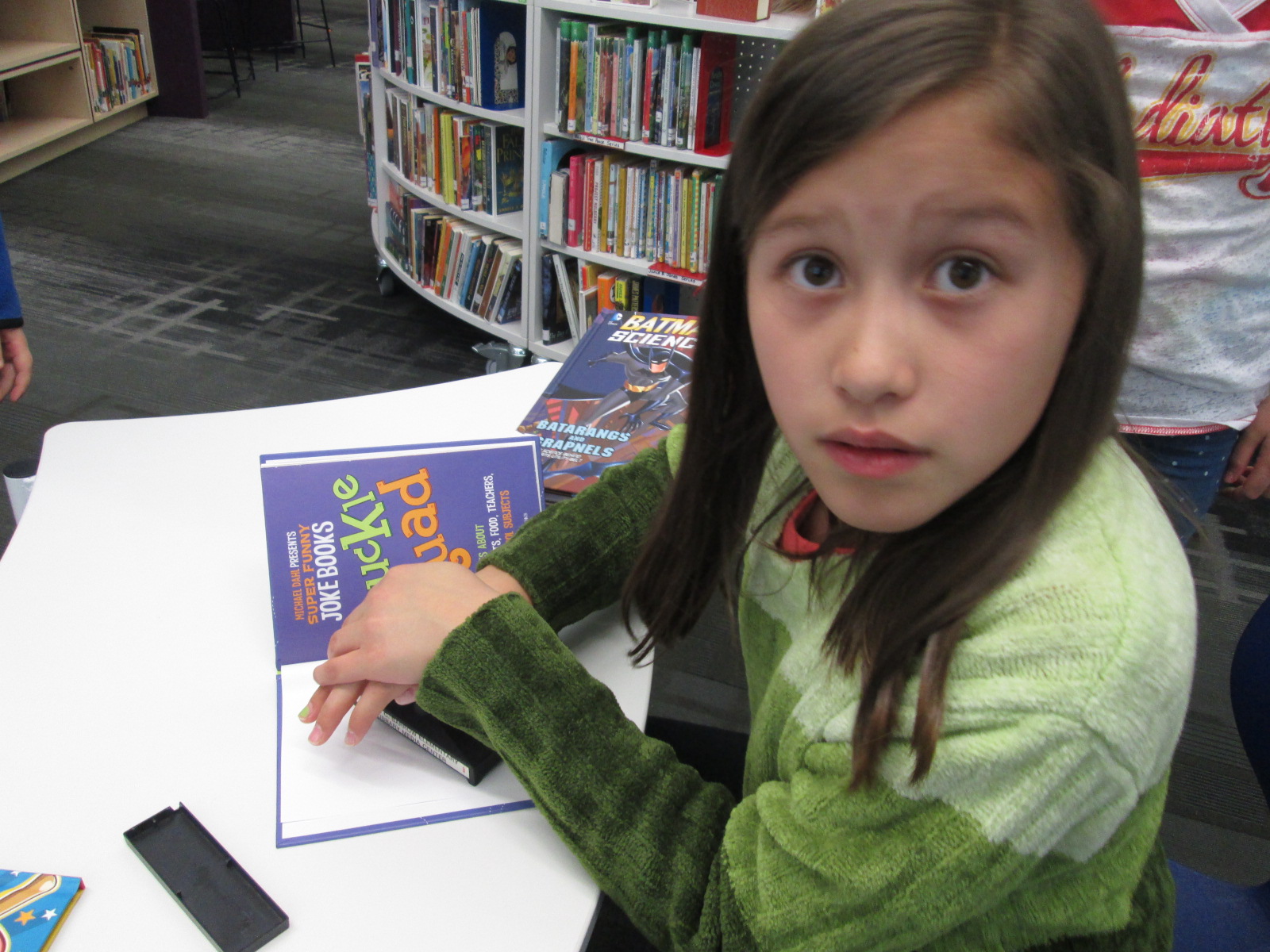
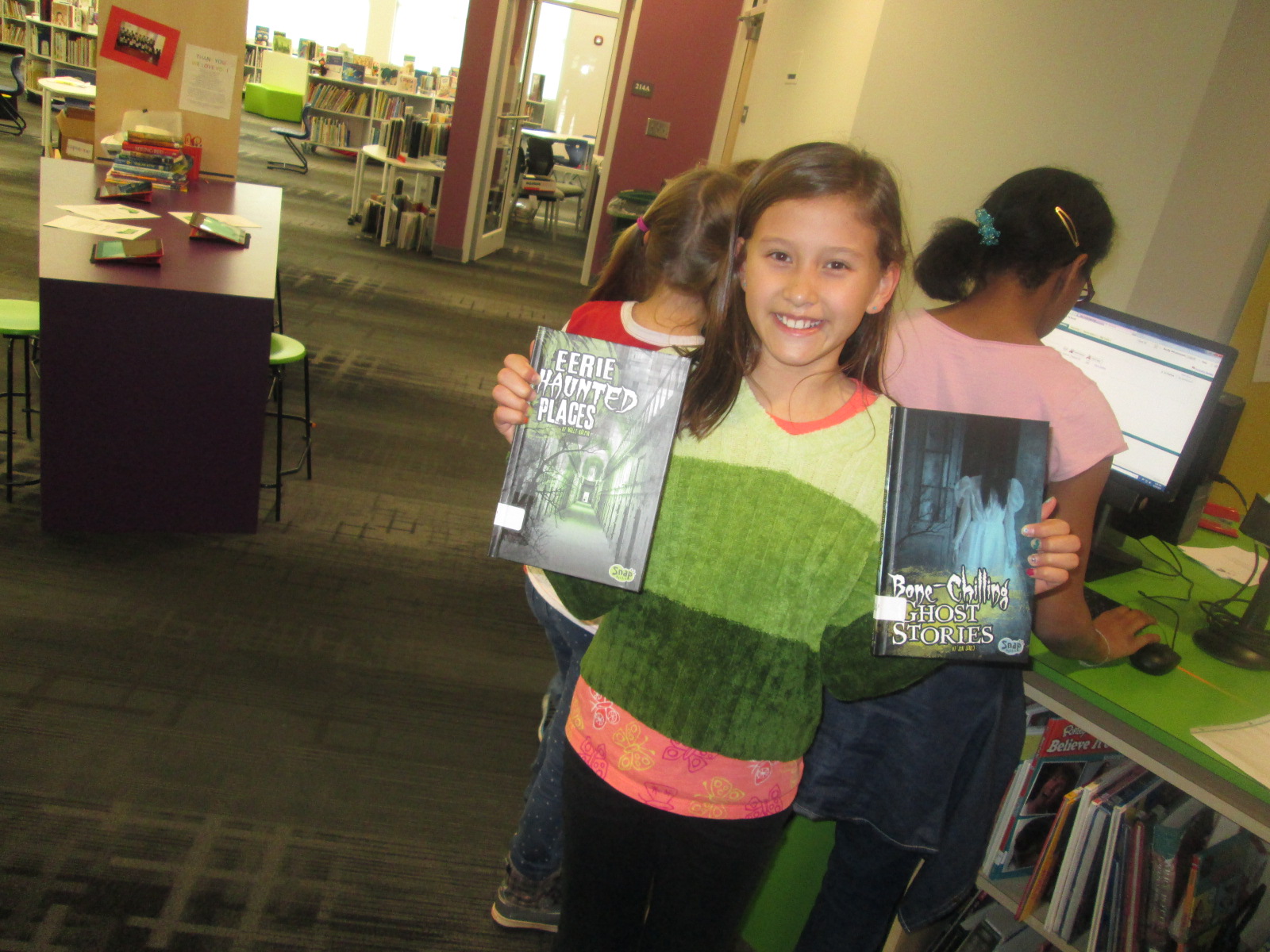
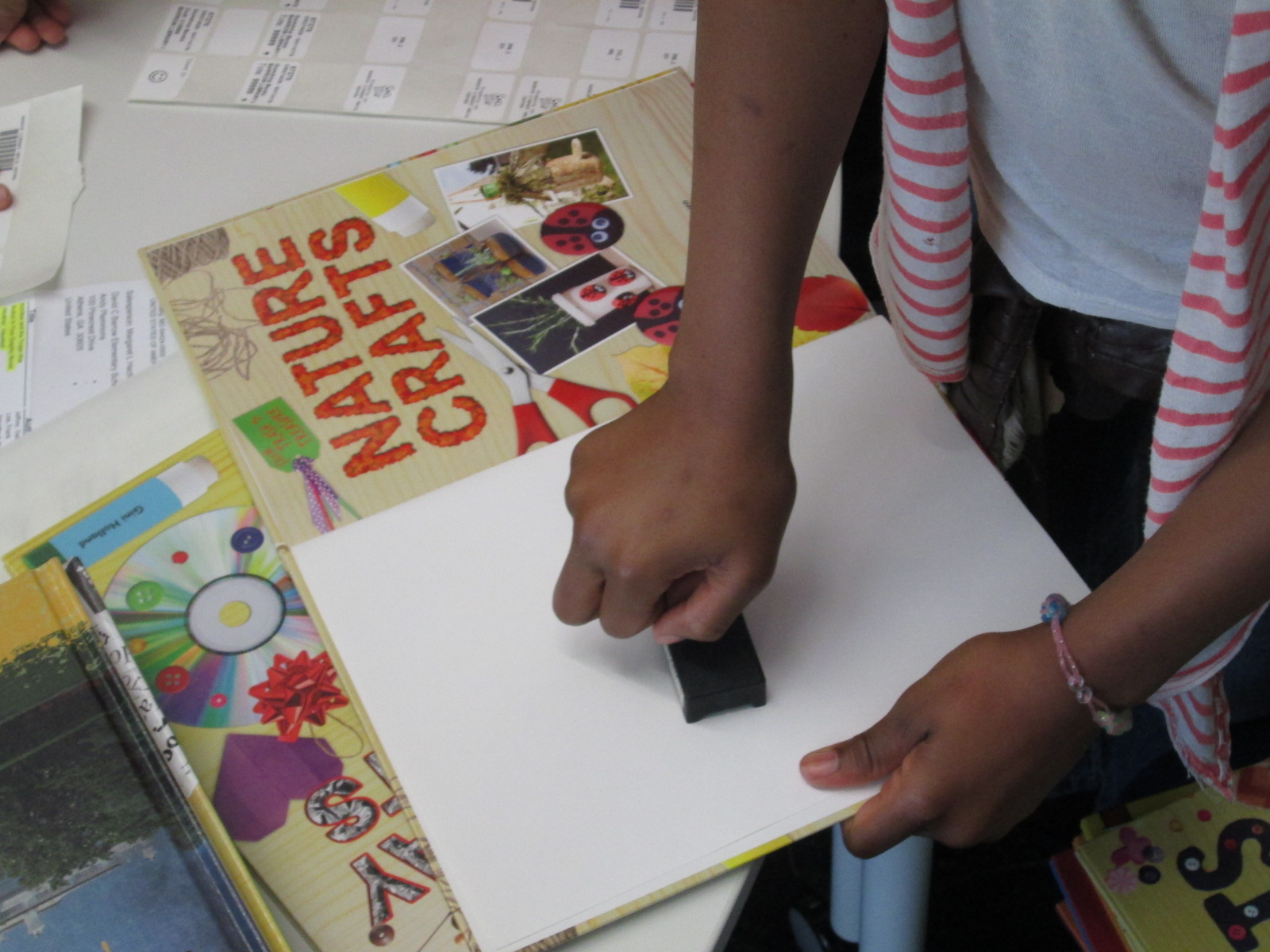
Each student chose a label, wrote his or her name on the label, and added it to the inside cover.  Students also stamped the books with our library stamp.

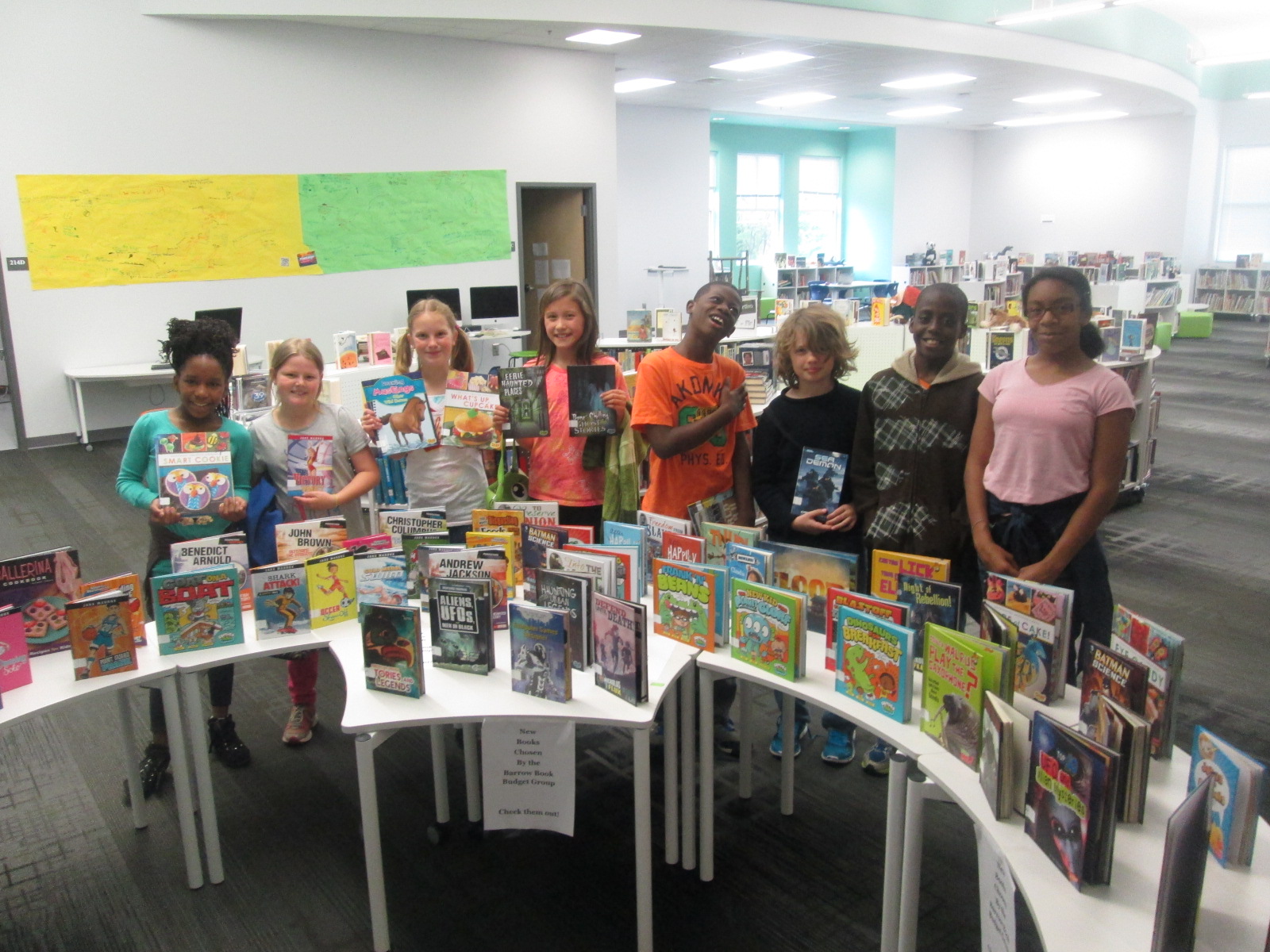
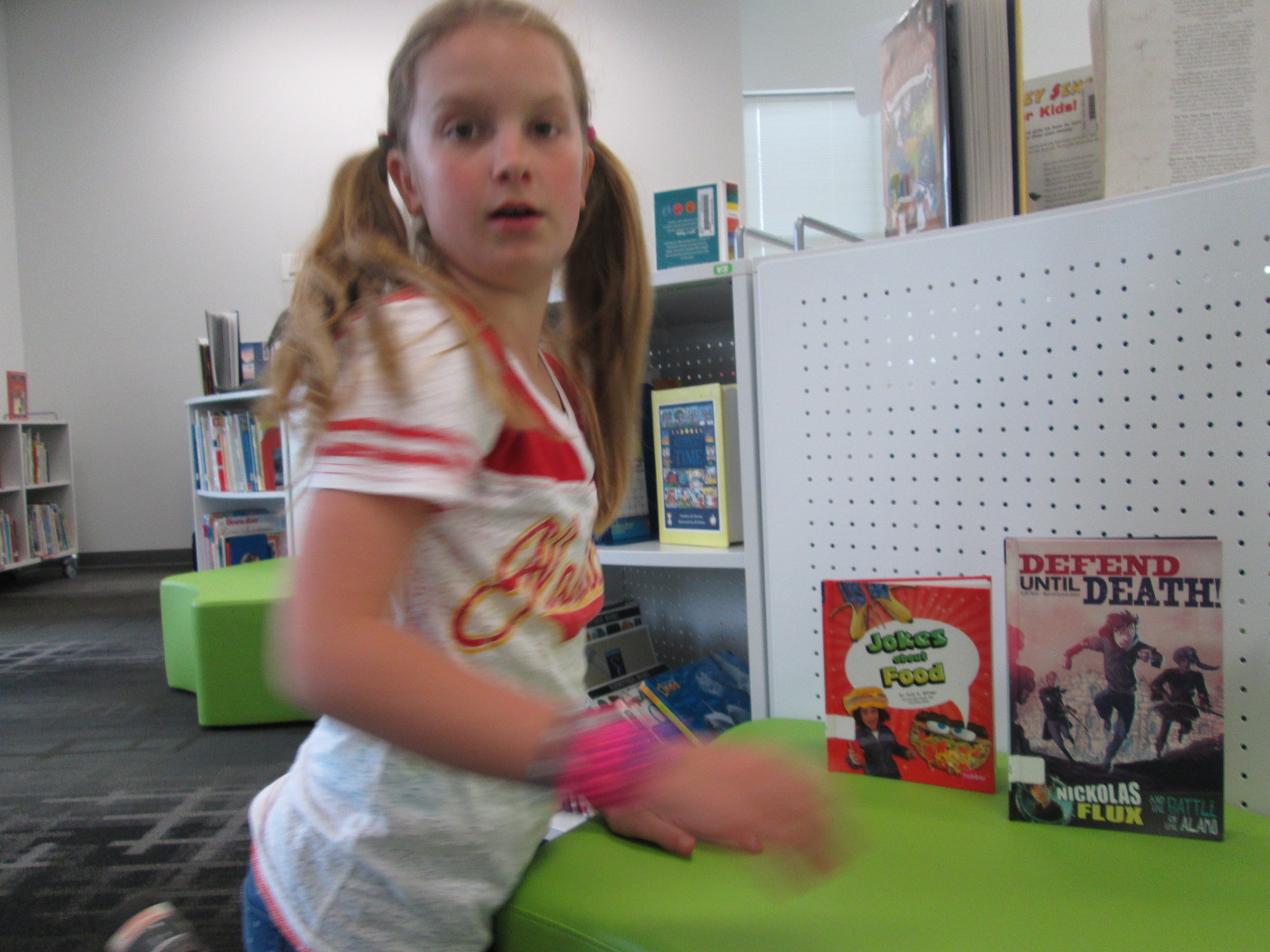
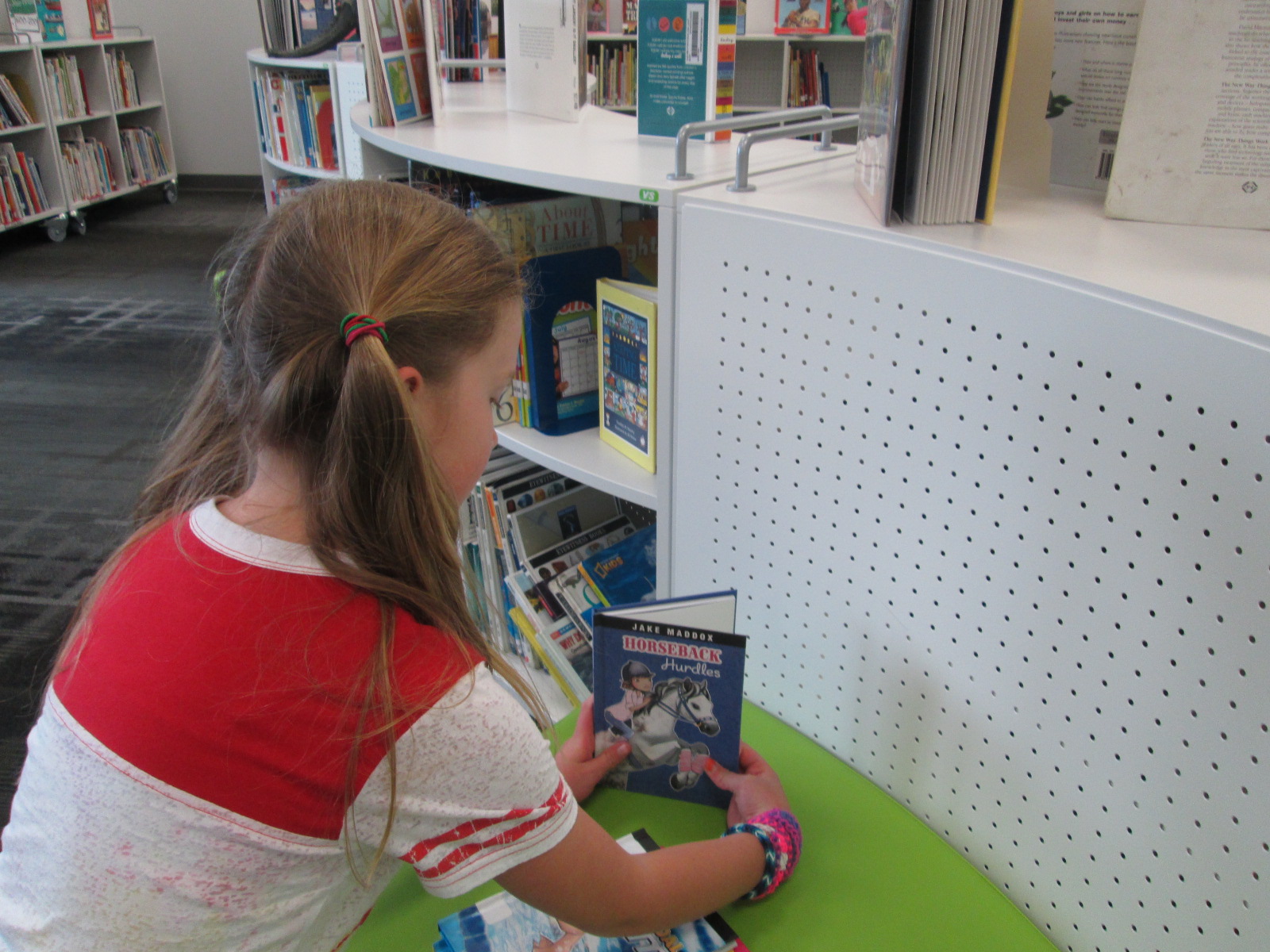
The excitement was high and it was so much fun to see the students immediately diving into the books.  They all tucked away around the library to read by themselves or with a partner.  Before they left, the book budget students did get to checkout a few of the books to read over the next few days.  They will return these books to the boxes so that they are ready for the next school year.

We are eagerly awaiting our final order from Capstone which should be arriving in the next few days.

Student Book Budgets: The Final Lists

final lists and skype (1)

It has been a long road to the final book lists this year, but our student book budget group has done it!  They’ve taken over $4,000 worth of books and narrowed it down to our final order.  In the last moments, they chose to take advantage of Capstone’s incentive right now which is to spend $1750 and earn 30% in Capstone Rewards.  This stretched our budget to almost $2300 for Capstone and $250 for Avid Bookshop.  Our list from Avid was not quite as long for this first time working with them, so it was easier for students to decide to go with the Capstone incentive.

final lists and skype (3)

After lots of debate, we narrowed the list down one book at a time until our dollar amount matched our budget and we felt like the books we included matched our goals.  We all got to take a deep breath because the hardest part was done.

final lists and skype (4)

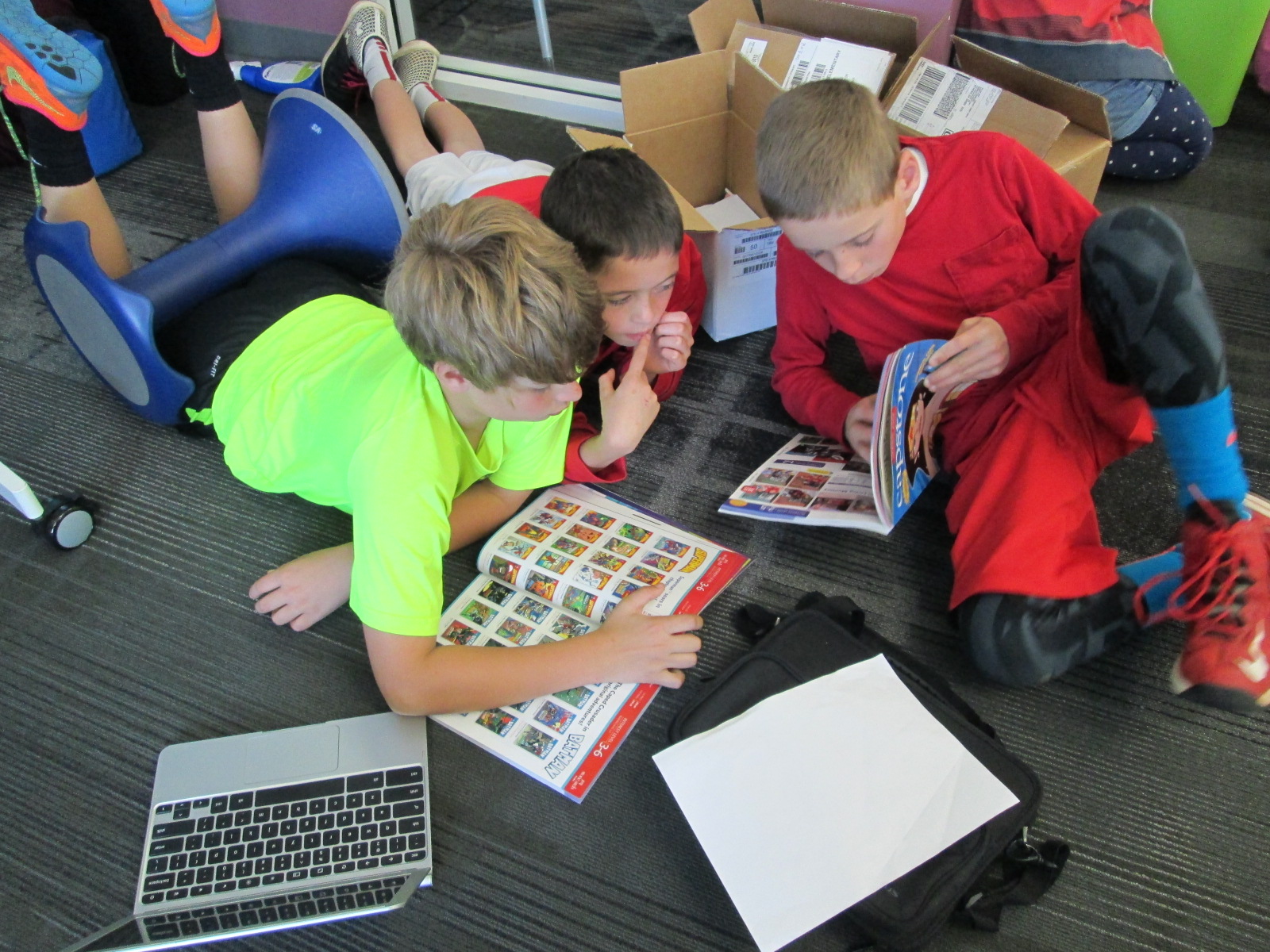
Next, I got to share some great news with the students.  Each year, Capstone is a huge supporter of our project.  We do lots of sharing of our work and it has inspired many other libraries to give this type of project a try.  In turn, Capstone loves to celebrate the work of the students and our willingness to share the work of our process.  This year, Amy Cox offered the students a tremendous opportunity.  Since they had made such tough decisions about books, she wanted them to each have a chance to pick a book for the library that they personally wanted to include on the list.  It didn’t have to match a goal; it just needed to be a book that mattered to that student.  You should have seen how fast they started flipping through catalogs when I shared the news!

final lists and skype (8) final lists and skype (7)

I made a separate list in Capstone for this order and we started adding in books.  We saw books come back onto the list that had to be cut as well as books that students had longed for as they looked at catalogs.  There were hilarious books such as the Space Penguins series but also prolific books such as the Montgomery Bus Boycott.  We can’t thank Capstone enough for this special surprise for our students and library.  It means so much.  We are even going to put special stickers inside to mark that the books were donated by the 2015 Student Book Budget group.

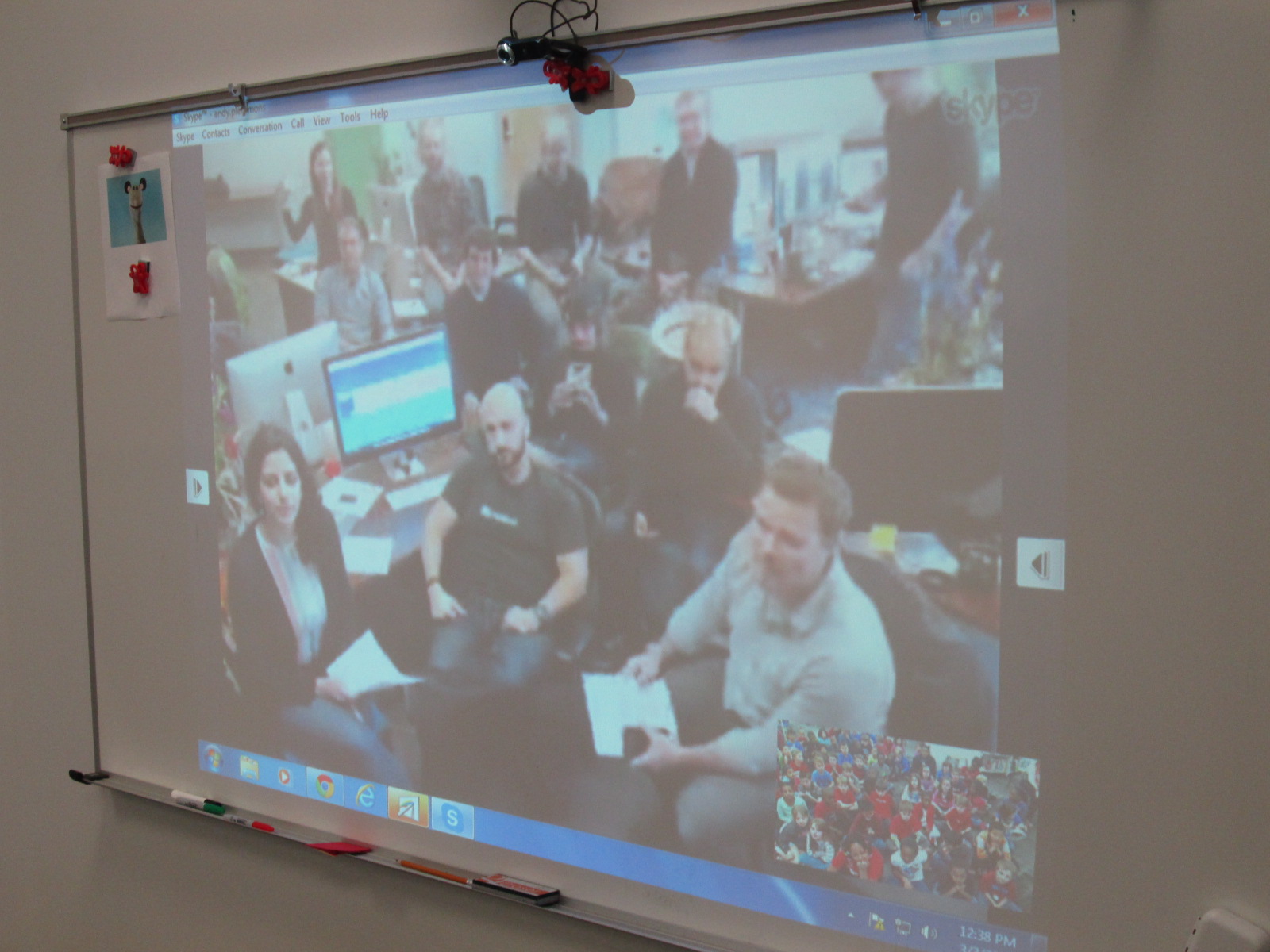
During our final meeting before ordering, we were able to Skype with Karyn Lewis in Houston, Texas.  She was inspired by our long-standing project to try this with her students.  She also worked with her Capstone representative.  It was fun to have our group who was about to place an order talk with her group who is still in the midst of making decisions.  The students were able to take turns telling about our work so far.  We immediately noticed the connections that our students had with the students in Texas.  Some of the same types of books were popular in both states, and graphic novels were high on the list.

https://twitter.com/capstonepress/status/593093160852566016

Then, we did a screen share and showed them our list.  Many of Karyn’s students noticed that we had some of the same books on our list as they were including on theirs.  Both groups of students also got to ask questions to one another.  They asked about things like how the surveys were done.  The Texas students noted some trouble getting responses due to testing and other school events, and we shared that we experienced some of the same problems.  We were able to share some strategies we used for getting more responses such as going to lunch and surveying people while they ate.

After we disconnected, I showed the students what would happen with their order at this point.  Amy Cox at Capstone shared a great video with me that shows just what happens to that order when it reaches the warehouse.  It was fascinating for all of us to see so many books and how they fill an order.

When students left, I proceeded to send off their orders to the appropriate places.  Now, we get to take a breath and wait for the fun day when the books all come in.

Thank you so much to the Amy Cox, Jim Boon, and the whole Capstone team.

Unnamed image (9)

Also, a huge thanks to Will Walton and Janet Geddis from Avid Bookshop.

Unnamed image (10)

Our project would not be the same without all of this support.

I can’t wait to see how this project continues to grow and inspire other.  Just today a library in New Jersey shared how they are trying out the project too.  The students were so excited to consider themselves teachers of schools around the country.

https://twitter.com/McTagueLisa/status/593150983934447616

Student Book Budgets: Building Wish Lists and Making Tough Decisions

narrowing (12)Our student book budget group is hard at work.  So far, they have made lists that total almost $4,000, but our budget is $2,000.  Isn’ t this the struggle that we all face with budgets?  How do you decide what to buy and what not to buy?

During our most recent session, we revisited our goals.  We decided based on our survey data to purchase books about

  1. Animals
  2. Sports
  3. Mystery
  4. Comics and graphic novels
  5. Action Adventure
  6. Horror/Scary
  7. Fantasy
  8. Humor
  9. “How to”
  10. Music
  11. Games/Video games

As we made wish lists, our excitement over so many wonderful books caused us to add several things to our list that really didn’t match our goals so we had to think about this.  Do we stick with our goals or do we give ourselves permission to buy whatever we want?  The general consensus was to stick to our goals but possibly have some extra additions here or there.

Since we are way over budget, we have a lot of work to do.  During the most recent work session, we divided the responsibilities.  We identified 3 things that needed to happen:

  1. Continue searching through the Capstone catalog for books that match our goals and adding them to the list
  2. Examine the current Capstone list to see what does not match our goal or what might need to be cut
  3. Continue searching for books that match our goals that could be purchased from Avid Bookshop

One group of students formed an independent group to work on the Avid list.  They used Avid’s website, Amazon, and Novelist to look for books that might be of interest.

The students in the Avid group accidentally lost part of a title on our list, so we consulted our friend Will Walton at Avid via Twitter.

https://twitter.com/WillWalton8/status/591652594952568832

The author of the book even jumped in on the conversation.

https://twitter.com/AaronStarmer/status/591658670112509952

Another group of students worked with Mr. Coleman, a 4th grade teacher, to examine our existing list.  He was great at facilitating a conversation with this group.  Only one person at a time was in charge of the mouse to delete books from the list, but all students were engaged in conversation about the books.  As usual, it was heated at times and at other times there was quick consensus about a book.  They narrowed the list below $3,000, but they knew that another group was adding more books to the list.

I worked with the third group who each chose one of our goals and looked through the Capstone catalog for books that matched.  They once again used the easy scan feature to scan books into the list.  I had a great conversation with a student who was adding an animal book to the list.  She asked me, “Do you think this is a book that fits the nature category?”  It really seemed like she was just putting the book on the list because it matched instead of putting it on the list because she thought people would read it, so I asked her about that.  I asked, “Do you think this is a book that kids would be excited about reading?” She paused.  “Do you think this is a book that a teacher would assign someone to read?”  She said yes.  It was a good time for me to say that I strongly believe that the book budget group is a time for kids to buy books that they think kids will be excited about reading.  I can buy books that teachers can use or books that fill gaps in our collection at another time.  This budget is all about what students want.  She smiled and continued looking for a books that mattered to students.

At the end of our time, I don’t think we narrowed our cost at all, but we did get closer to finding books that matched our goals.  Our next step will be to look closely at our budget and the promotions that Capstone offers to consider what our budget really is.  With Capstone Rewards, we really have a lot more money because if you spend $1750 you get 30% in rewards.  This might help our decisions during our next meeting.

Can a Foodini 3D Printer Go to Space?: Empowering Student Voice in the Makerspace

Ms. Kelly’s Kindergarten class is continuing to explore how humans might one day travel to Mars and live.  You may recall that they spent a day in our makerspace exploring several tools that might help them in their research and inventing.

Students are now in the design phase of their project.  They have each thought about a topic that they want to focus on in relation to surviving on Mars.  Some have chosen topics like water, oxygen, food, shelter, robot exploration, and clothing.  They are continuing to research online and in books, but they are also taking time to think about their own dreams of what might be possible in 20 years when we might live on Mars.

A small group of students came to me in the library.  After a quick check in on topics, each student started sketching some designs on blank paper.  I walked around and listened to students describe their designs and asked follow-up questions or shared resources that I knew about.

One girl was focusing on food.  She wanted to create a machine that would dispense food as needed.  Since I knew the kids were familiar with our makerspace, I asked her what she knew about 3D printing.  It turns out that her brother is the very student who designed our Barrow Peace Prize medal, so she knew a whole lot!

I followed this discussion by telling her that there are many kinds of 3D printers including ones that print food.  She looked at me in disbelief, so we went to the computer to look for some information.  We came across the Foodini.  We read some information and then we watched a video about how it worked.

After watching the video, the student went back to her design and started drawing her own version of the Foodini.  She thought it would be great if we could take the storage containers of food into space, put them into the printer, and then print food as we needed it.

She was also very curious about whether a Foodini would work in space, so I said “why don’t we ask them?”  I pulled out my phone, opened twitter, and composed a tweet to Natural Machines (@NaturalMachines).  The student helped me write what to ask.

Later that day, we heard back from Foodini.

I thanked them for answering us back.

It was nice to know that there was a company out there willing to answer a question from a Kindergarten student, and it makes me wonder how many other opportunities are out there for our students if we just step up as the connector between the student and the company.  A Kindergarten student shouldn’t have a Twitter account, but the teacher or teacher librarian can harness the power of Twitter to make that connection for her.

I can’t wait to see what this student comes up with in the end, and I look forward to connecting even more students with the resources they need through my access to social media.

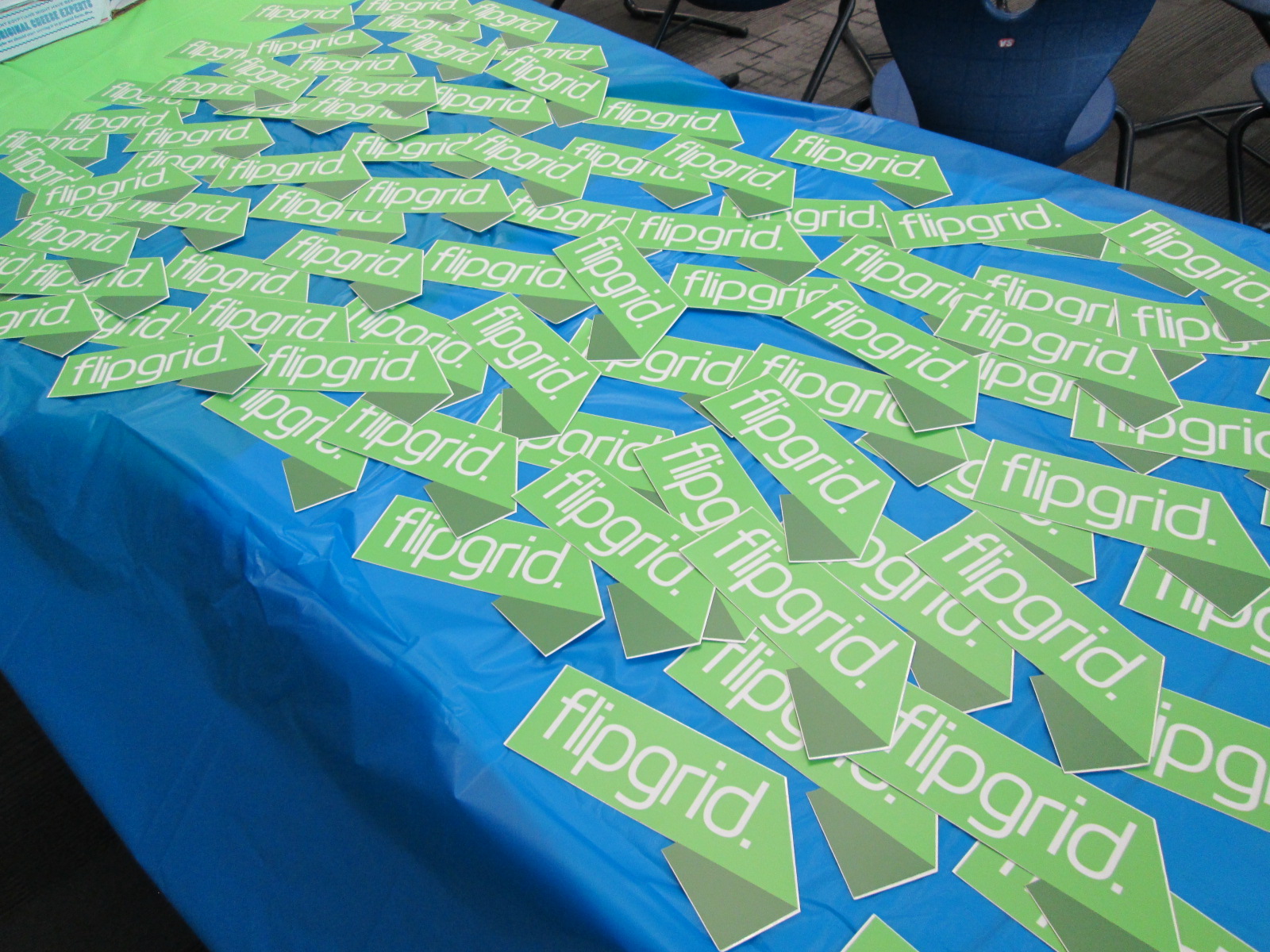
The Natural Side of Student Voice with Flipgrid

Flipgrid Celebration (5)

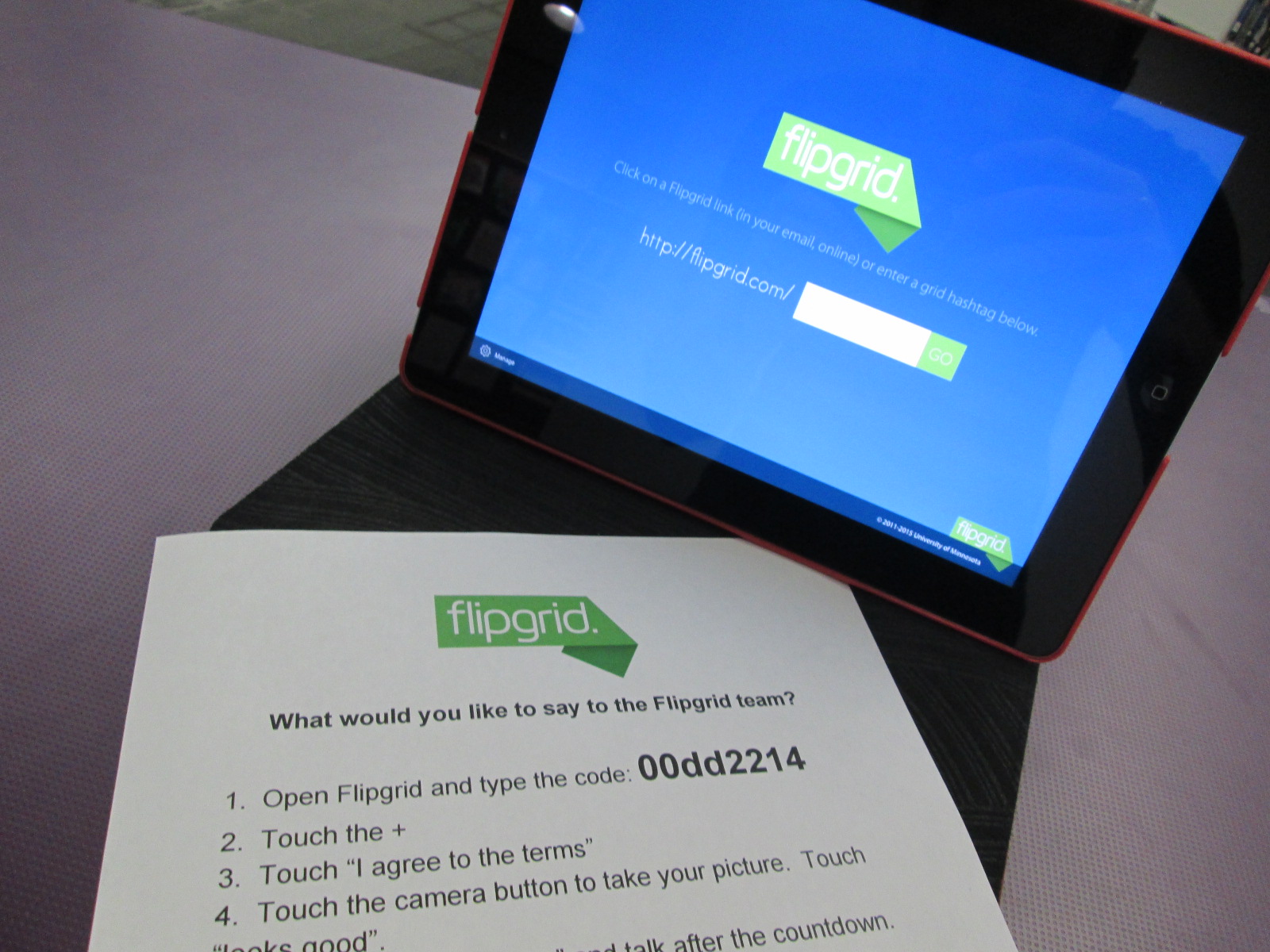
Empowering student voice has become one of the goals in the library that I am most passionate about.  I love it when a student’s voice reaches out into the world, finds an authentic audience, and gets a response.  One of the tools that has been the most helpful in getting student voices out into the world has been Flipgrid.  In fact, we use Flipgrid so much that students ask why we aren’t using Flipgrid if we choose to use something else.  It is user-friendly for both the educator and the student.

Flipgrid Celebration (8) Flipgrid Barrow Peace Prize (7)

With your yearly Flipgrid subscription, you get 10 grids.  Think of your grids like your classes or your big topics.  I have a reading grid, math grid, science grid, etc.  Within those grids, you can ask unlimited questions with unlimited video responses from students up to 90 seconds each.  As soon as students press the submit button, there video is uploaded and live for an audience to view which means no extra work on the part of the educator to prep videos for viewing.

You can find multiple uses of Flipgrid within the posts on this blog.  It seems like we are always coming up with new ways to use the tool in our library.

Recently, some of the Flipgrid team visited my school to see what a day in our library is like.  Along the way, they saw ways that our students have a voice as well as ways that we are using Flipgrid.

The first of two videos has been released based on that visit.  I invite you to watch this short video about the natural side of student voice.  Share it with your network and consider how you can give students a voice within your library.


Creating Wish Lists with Capstone Press: A Next Step in Student Book Budgets

Capstone Jim Boon (6)

Jim Boon from Capstone Press has been doing student book budgets with me since the beginning.  Each year things change just a bit, and Jim naturally adapts right along with me.  This year, we have our largest group of students working simultaneously so it gets noisy fast.  The most challenging thing is making sure that every voice is heard and that all members of the book budget group are engaged.  I love bringing in Jim because he masterfully listens to all students.  He makes connections with them and even remembers them from year to year if they have been part of the group before.  The students in turn have come to know him.  The returning students welcome him back and the new ones quickly learn why we bring him back every year.

Ahead of Jim’s visit, I email him some possible dates to visit.  We establish a time and he mails catalogs for all of the students to use on the day of his visit. Once we have our purchasing goals, I share those with him as well.  He sets up a big selection of Capstone books for students to look at that match the goals that they have set.  He even divides the books into 2 displays: fiction and nonfiction.

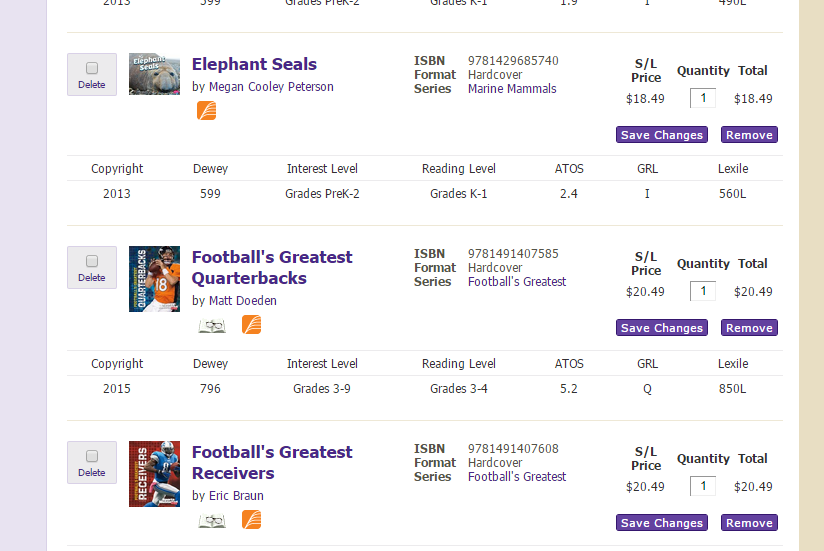
Jim does a very short explanation of what students have in front of them. He shows them how to look for books in the index and as well as how books a grouped together. He shows them that the displays might only have one book from an entire series that they can find in the catalogs. He shows them where to find prices for individual books as well as complete sets.  He shows them how each set of books has a barcode in the catalog that can be scanned straight into a wishlist on capstonepub.com  This scanning feature puts the entire series into the list, but then you can go in an uncheck the books that you don’t want to add.

Finally, Jim talks to students about current promotions that Capstone is offering that might stretch their budget even more. I love this part because it helps students think about how they might invest their money or how they might request extra money from me in order to take advantage of a promotion.  This discussion usually doesn’t happen on this particular day, but I always love seeing their wheels turning as they give me reasons why we should spend our money a certain way.

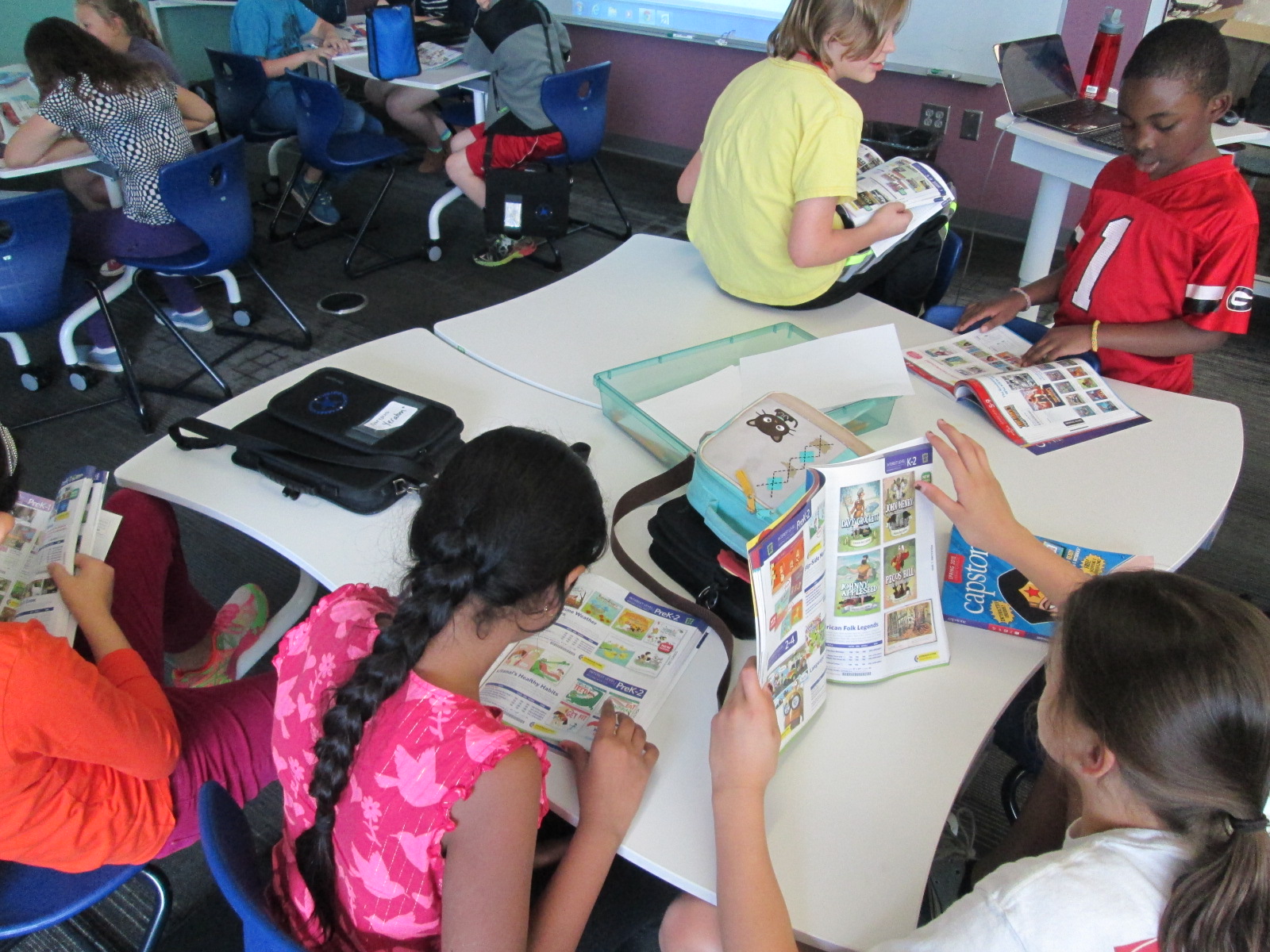
The fun begins when students leap into action. They take books from the display back to their tables and look through them.  They peruse the catalogs.  This is the point where it is hard to stay focused on our purchasing goals.  With a catalog of hundreds of pages, there are so many interesting books that don’t match what we said we were going to buy, and students easily slip into what they personally want to buy rather than what the whole school wants.  I don’t really worry about this very much during our first day with catalogs. Instead, I give a few reminders to think about our goals, but I know that we will revisit the entire list when we make cuts to match our budget.

As students find books that they want to add to the wishlist, they begin forming a line at my computer. I pull up a student book budget list on capstonepub.com and students scan the barcode in their catalogs.  We uncheck all of the books in the series that they don’t want to keep and then save the list.

https://twitter.com/capstonepress/status/590192650319319040

At this point we don’t worry much about money, but when a student scans a series of 32 books and says that they want to add all of them, I do let them know how much all 32 books would cost.  Most of the time, the student is shocked and quickly narrows down to a few books that they really want to add.

Across an hour, students made a wish list with 161 titles totaling $3071.91.  Capstone is not our only vendor we are working with, so we are definitely going to have to cut some titles from this list.  We will meet 4 more times to add more titles, revisit our goals to see that they are all represented, and finally narrow our list down to the budget we have agreed upon.

We thank Capstone Press and Jim Boon for their continued support of his project.  We appreciate that this company listens to students as well as offers a rewards program that allows us to stretch our student budget even more.


Students Meeting with Vendors: Book Talking with Avid Bookshop

Avid (2)

One of my favorite steps in the student book budget process is when the students get to meet real vendors and talk with them.  This year at the School Library Leadership Summit someone asked me if I ever used an independent bookshop as one of my vendors for student book budgets.  The answer was no, but this year we changed that.

I email Janet Geddis, owner of Avid Bookshop, and asked if she would like to be a part of this year’s project.  It was refreshing to hear that community outreach is actually a big part of her business plan, so she definitely wanted to be a part.  When our students had their purchasing goals created, I sent them to Will Walton at Avid Bookshop.  Will is an awesome bookseller and has his first novel coming out in May called Anything Could Happen.

Avid (6)

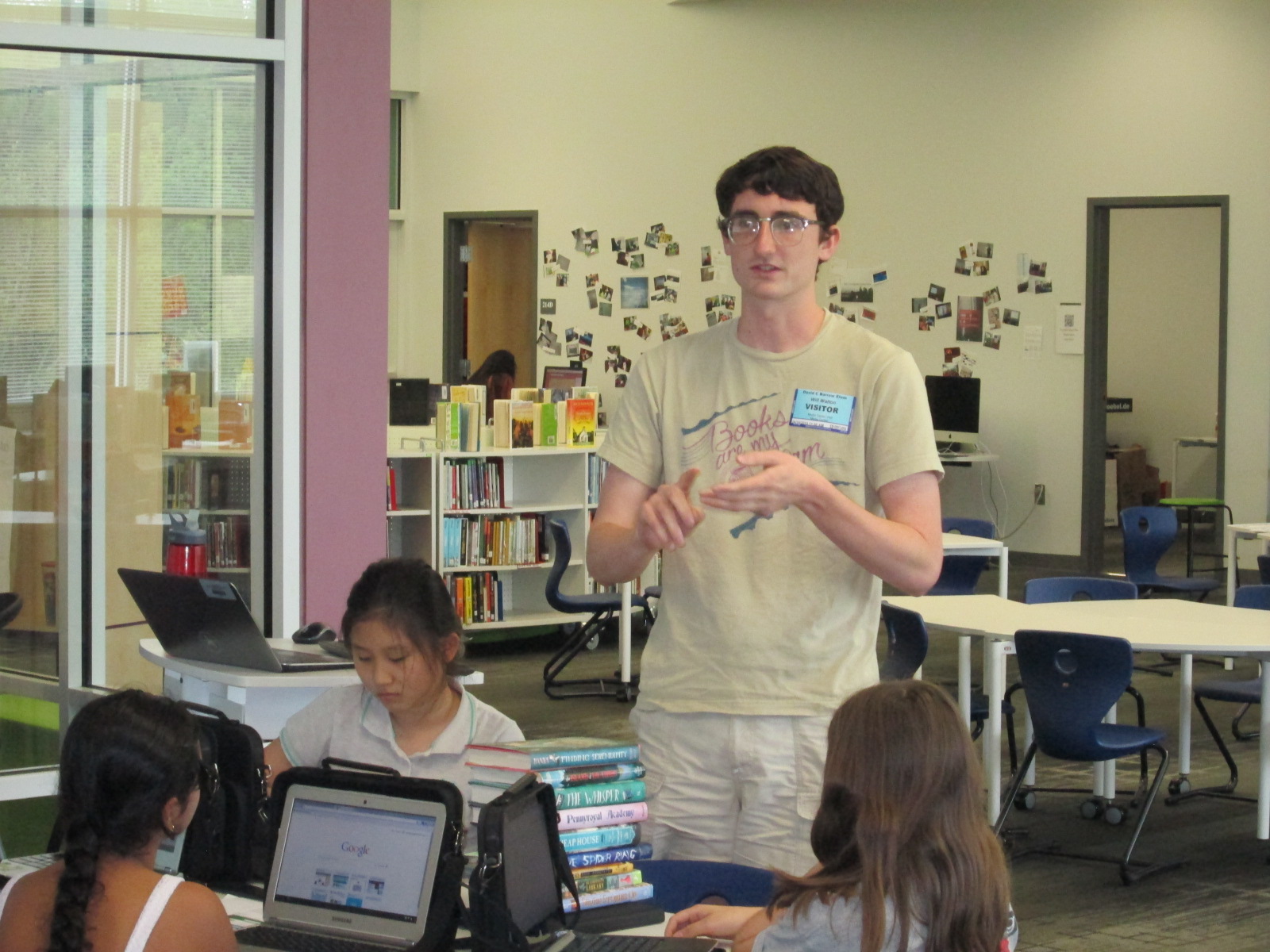
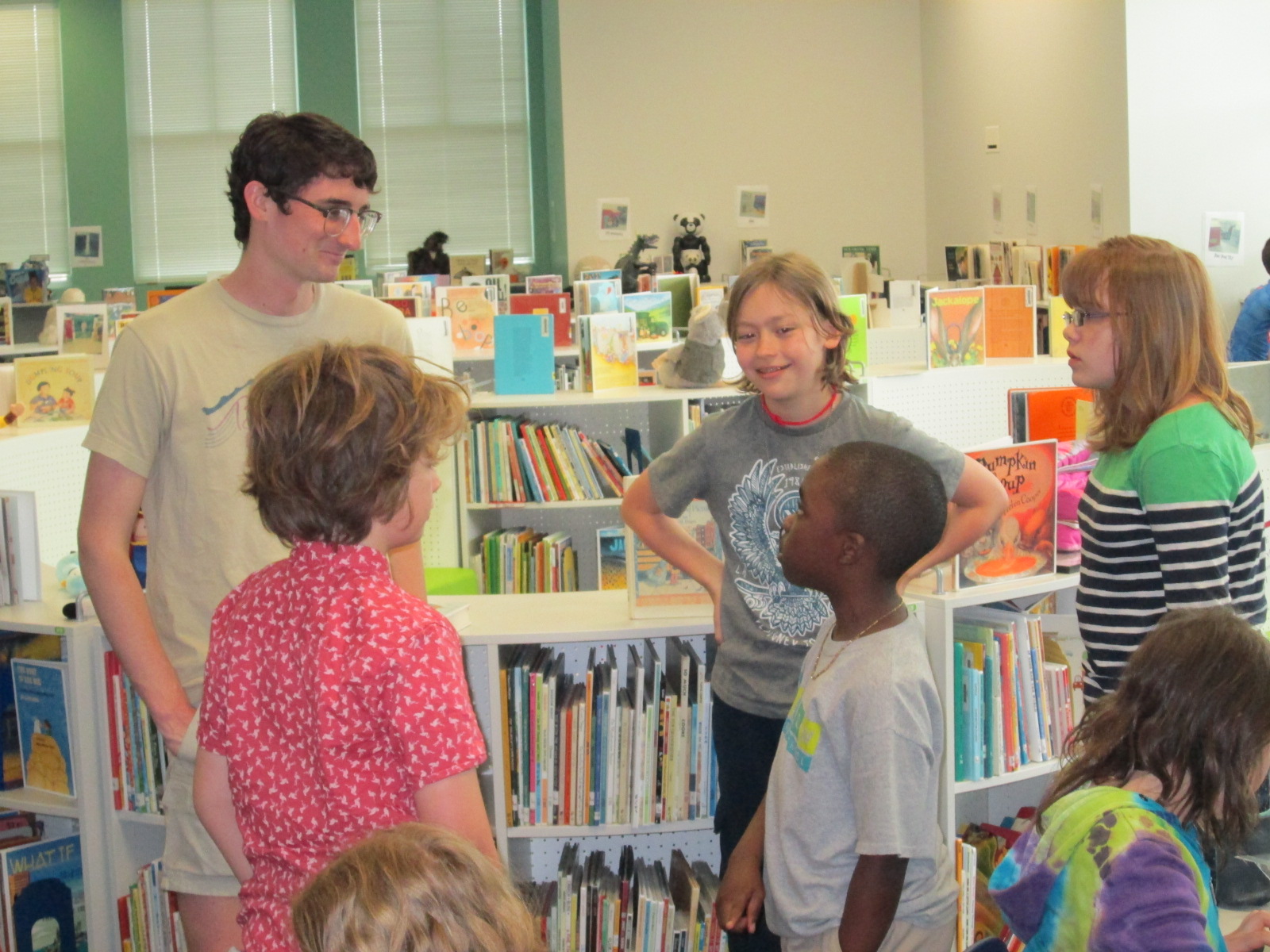
Will pulled several books from the shop and brought them to our book budget meeting.

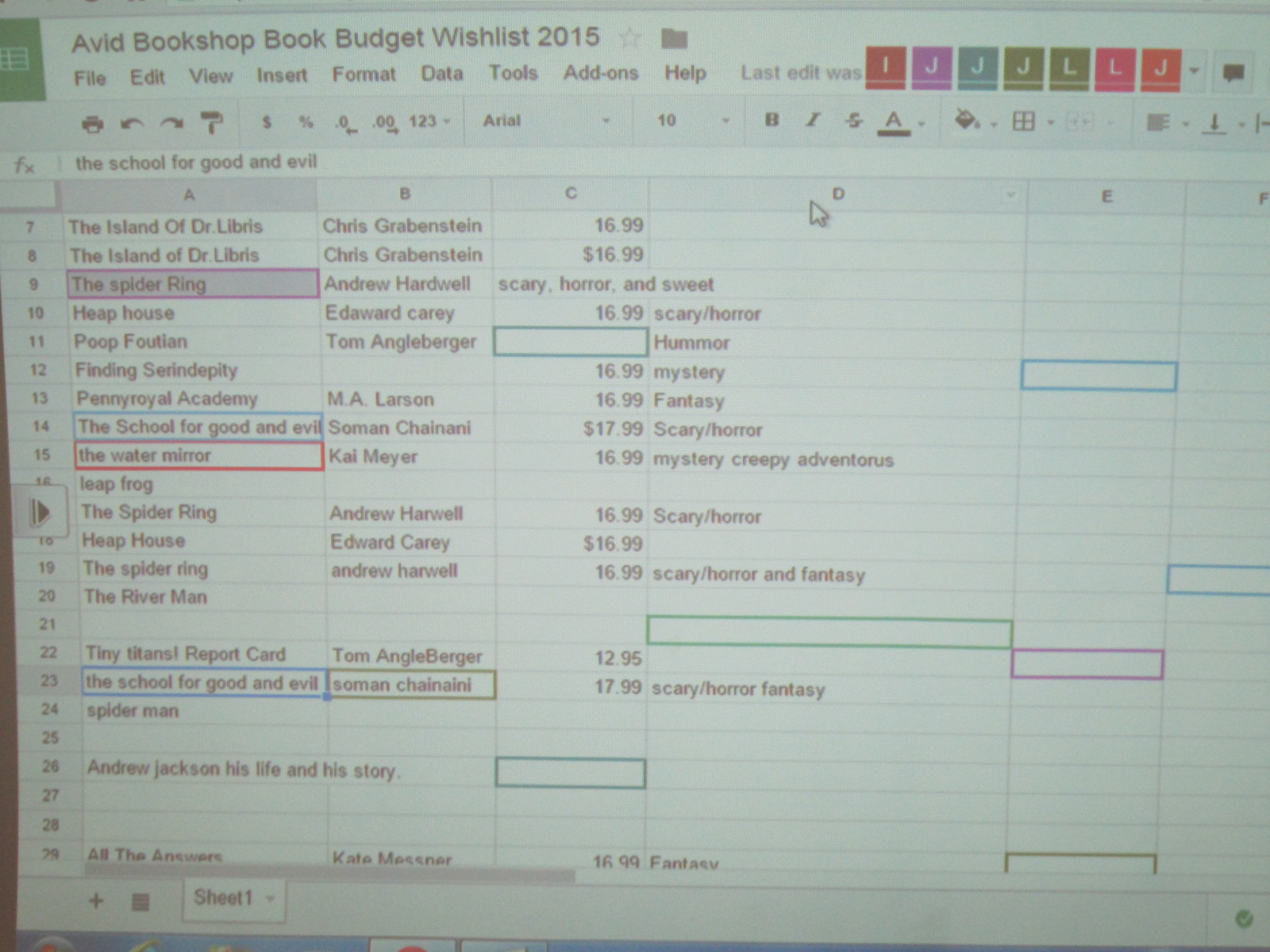
I made a Google spreadsheet and shared it with all of the students.  The spreadsheet included a spot for title, author, price, and which goal the book matched.  Will put the books into various categories and started talking about each one.  If the book sounded interesting, then the students worked together to capture the details in the document.

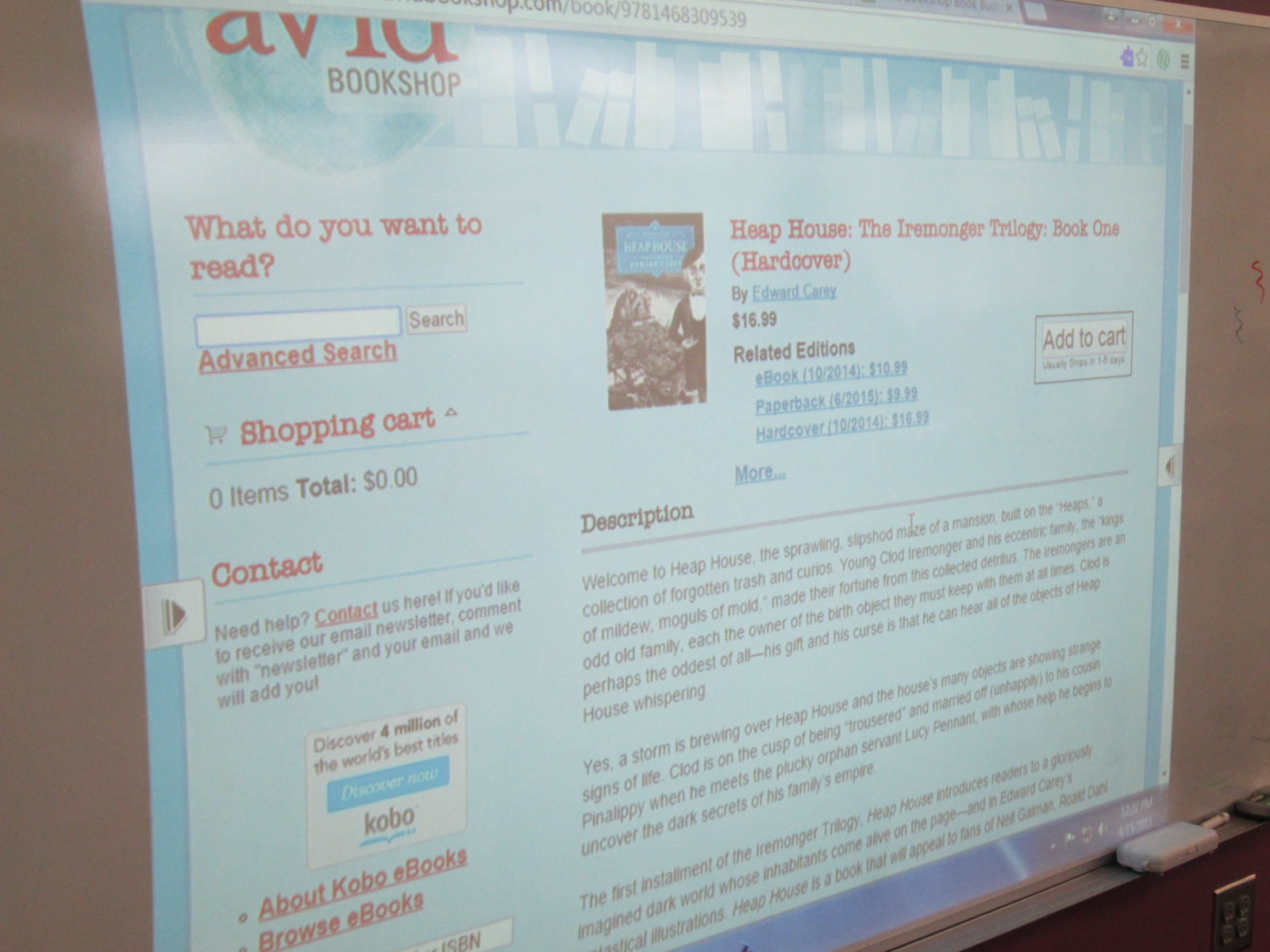
I learned pretty fast that they needed to see the title, author, etc so I pulled Avid’s website up on the board and typed in each book as he talked.  The students could easily copy down the info while he talked.

Avid (5) Avid (9)

After talking through several titles, the students had lots of questions for him.  They had a great time just talking books with Will.  Several students branched off to do their own thing, so I decided to add another layer onto what they could do.

Avid (7)

We used our state database, Galileo, to pull up Novelist K-8 Plus.  I showed students how they could look at books by age range and genre.  Then, Novelist shows books that are similar to books that you have read and liked.  I suggested that they use Novelist to find books that sounded good and matched our goals, and then use Avid’s site to find the price and add to our spreadsheet.

Avid (10)

Mr. Coleman’s ELT group is joining us in this project and they plan to continue this process this week before we meet again on Monday.

Avid (8)

We are very grateful to Avid Bookshop for their support of students.  I loved how Will talked directly to them.  He asked them questions about books but also questions about how they planned to spend their money.  He posed interesting questions such as “Have you thought about paperback versus hardback?  The cost difference can be about $10.”  Students were shocked by the price difference but most agreed that they wanted hardback for durability in the library.  That was without any prepping or pushing from me.  I was amazed.  They said the extra $10 was worth it if the book lasted longer.

Avid (1)

I love how these types of conversations naturally surface.  You can’t force plan each one, but they usually come up at some point.  Soon, the students will meet with another vendor and start the hard process of cutting their wishlist to meet our budget.

2015 Student Book Budgets: First Steps

survey production (2)

We are a little late this year, but our student book budget group has finally started.  Each year, I reserve a portion of our library funding and allow students to make the decisions about how that money is spent.  This is more than just having a wish list for students to contribute to.  This is giving them complete control in every part of the decision making process.

survey production (6)

Each year, the groups are chosen in different ways.  This year, I made a video to show to our 4th and 5th graders to explain the project.

https://www.youtube.com/watch?v=qfdavmqeEsc

Then, I created a Google form that was shared with all of our 4th and 5th graders to tell why they would want to be in the student book budget group.

Aziz Coleman, 4th grade teacher, really wanted his ELT group of 12 fourth graders to be a part of the project, so all of them filled out the form along with about 30 other students.  After reading through the responses, it really seemed like everyone who signed up was genuinely interested in being in the project, so I took them all!

I created a schedule for our meetings along with a timeline of where we are going.  Over the years, I’ve fine tuned the steps that we go through, but student voice and student choice always stays at the center of what we do.

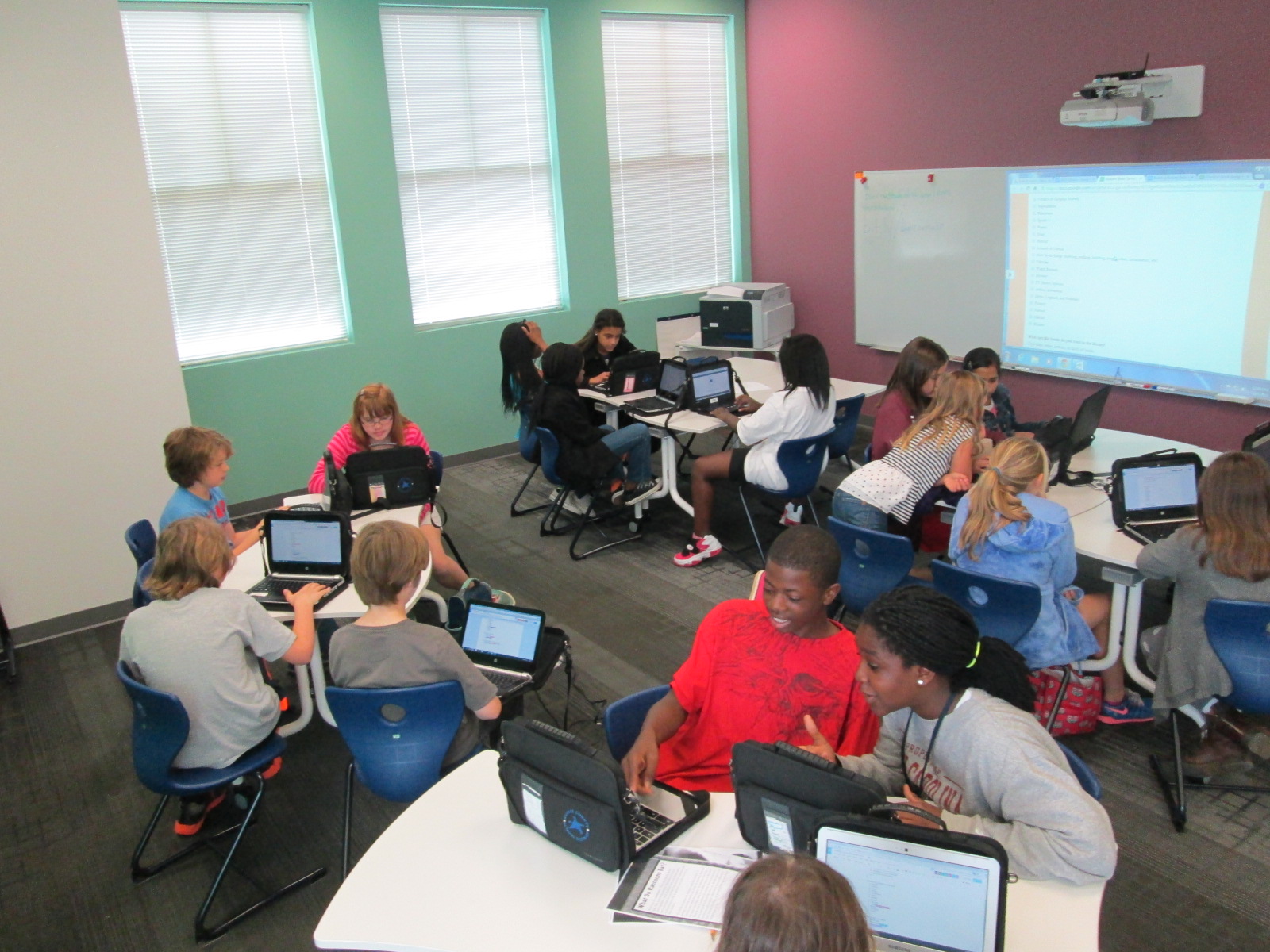
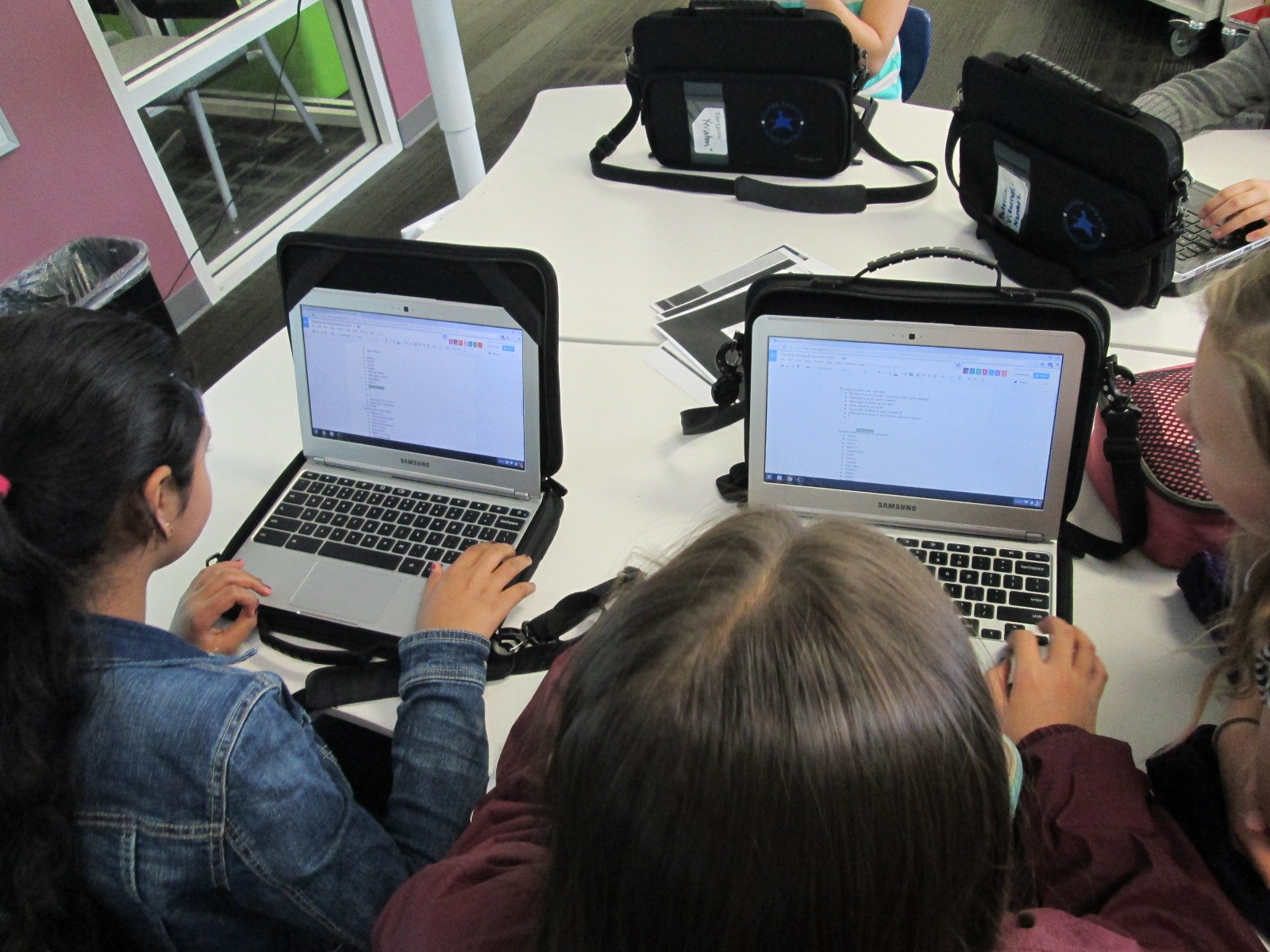
During our 1st two days together, we have focused on creating our survey about reading interests.  I made a contact group with all of the students in my gmail.  That makes it easy for me to invite the entire group as collaborators on docs that we use.  I made 2 docs.  One was a brainstorm doc for us to brainstorm possible things to ask about on the survey.  I thought it would be easier to brainstorm on a doc rather than try to do it all on the Google form.

It was amazing to see so many students working together toward one common cause.

After some brainstorming started, I gave them editing rights to our 2nd doc which was our Google form survey.  We made a copy of last year’s form, and then started using our brainstorming list to make changes.

This was the 1st time I’ve tried collaborating on the Google form.  Usually we just put it up on the board and work together whole group.  I liked seeing every student involved at once, but it was definitely messy.

I checked in with students periodically and gave them some focus.  At times, we broke the tasks up into groups.  For example, one group worked on fine tuning the brainstorm list.  Another group added questions to the survey.  Another group looked carefully at the checklist on the survey to see what needed to be added or changed.

Students worked during their recess, extended learning time, and even left to get lunch and come back.  They were excited and very focused.  There were a few students who started getting off task, so I offered that they might want to go back to recess if they felt like they had contributed their part for the day.  This was totally in their hands, and some of them took me up on the offer.

We are now in the survey process. We want to survey students at every grade level.  We will email the survey to our 3rd-5th graders since they all have a computer and we will use iPads to survey the lower grades.


Click here to view this year’s survey.

Since our meeting time is during a prime lunch time, we have been taking over the lunchroom with iPads to survey students.

Once we have results from the survey we will set goals based on those results and start meeting with our vendors such as Capstone and Avid Bookshop.

Our Student Book Budget Order from Capstone Has Arrived!

IMG_3014Each year when students participate in the student book budget group, the most exciting day for them is the day that we unpack the boxes when they arrive.  It’s the day that all of their hard work and tough decisions pays off.  After surveying almost the entire school, setting goals, meeting with vendors, creating wish lists, cutting books from the lists to fit the budget, and placing the order, the students finally get to hold books  in their hands.

Today our order from Capstone came.  We love buying books from Capstone each year for many reasons.  One reason is that their books are popular with our students.  We also love their customer service.  Our sales representative, Jim Boon, always comes in and helps students with the book selection process.  We also love how Capstone stretches our budget.  This year’s order from Capstone was $1750, and with Capstone’s current promotion, we earned an additional $525 in books.  When we were unpacking the order today, a student said, “Capstone Rewards sure does help us get a lot of extra books.”  I love that this project really pushes students each year to think about fiscal responsibility and how to stretch a dollar.

Just like every other step of the way, the students are involved in every step of unpacking the books.  We basically form an assembly line.

Some students pull books out of the boxes and inspect them for any damage.  There’s usually not any, but we always check.

IMG_2951

Another student takes these books and highlights each one on the packing slip to make sure they are all accounted for.  Today, I helped with the highlighting process because there were so many books to take through the entire process in only 45 minutes.

These books then go to a student who stamps them with our library stamp.

IMG_2938

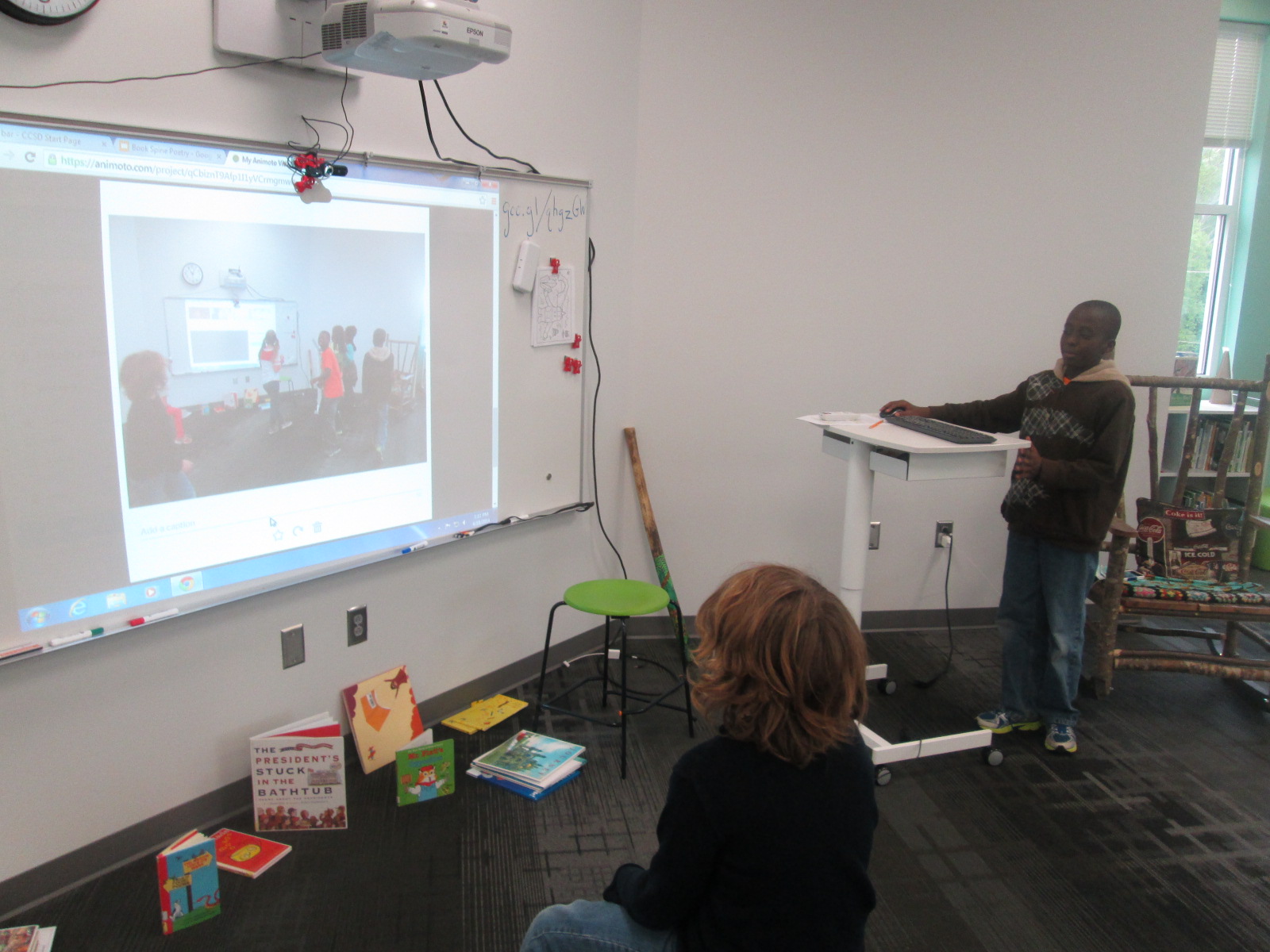
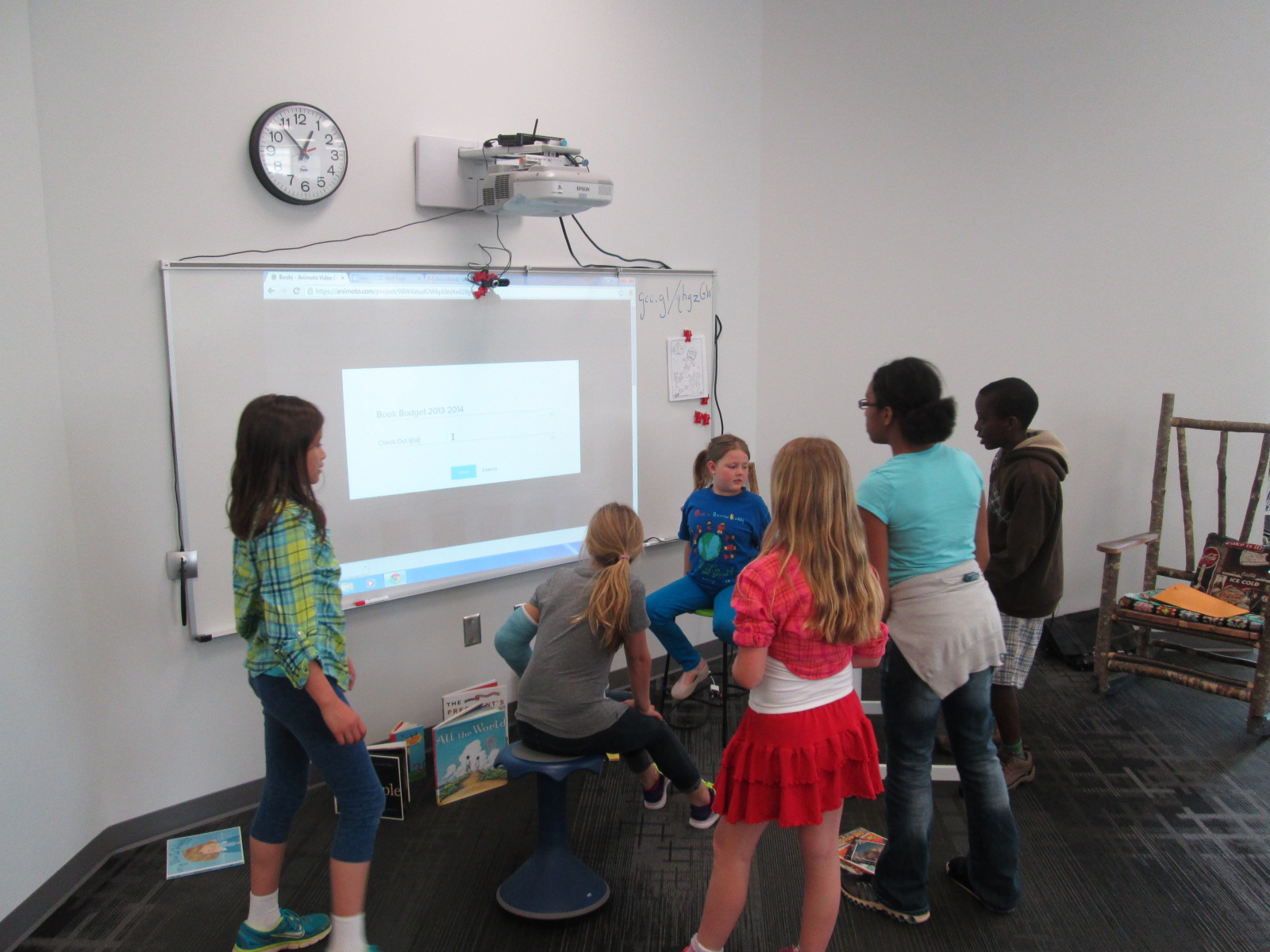
From there, a group of students takes pictures of the covers to put into an Animoto to show on our morning broadcast.

IMG_2942 IMG_2949

When all pictures are taken, the pictures are uploaded to Animoto by another group of students.

IMG_3009

https://www.youtube.com/watch?v=DJwRefE1YjA

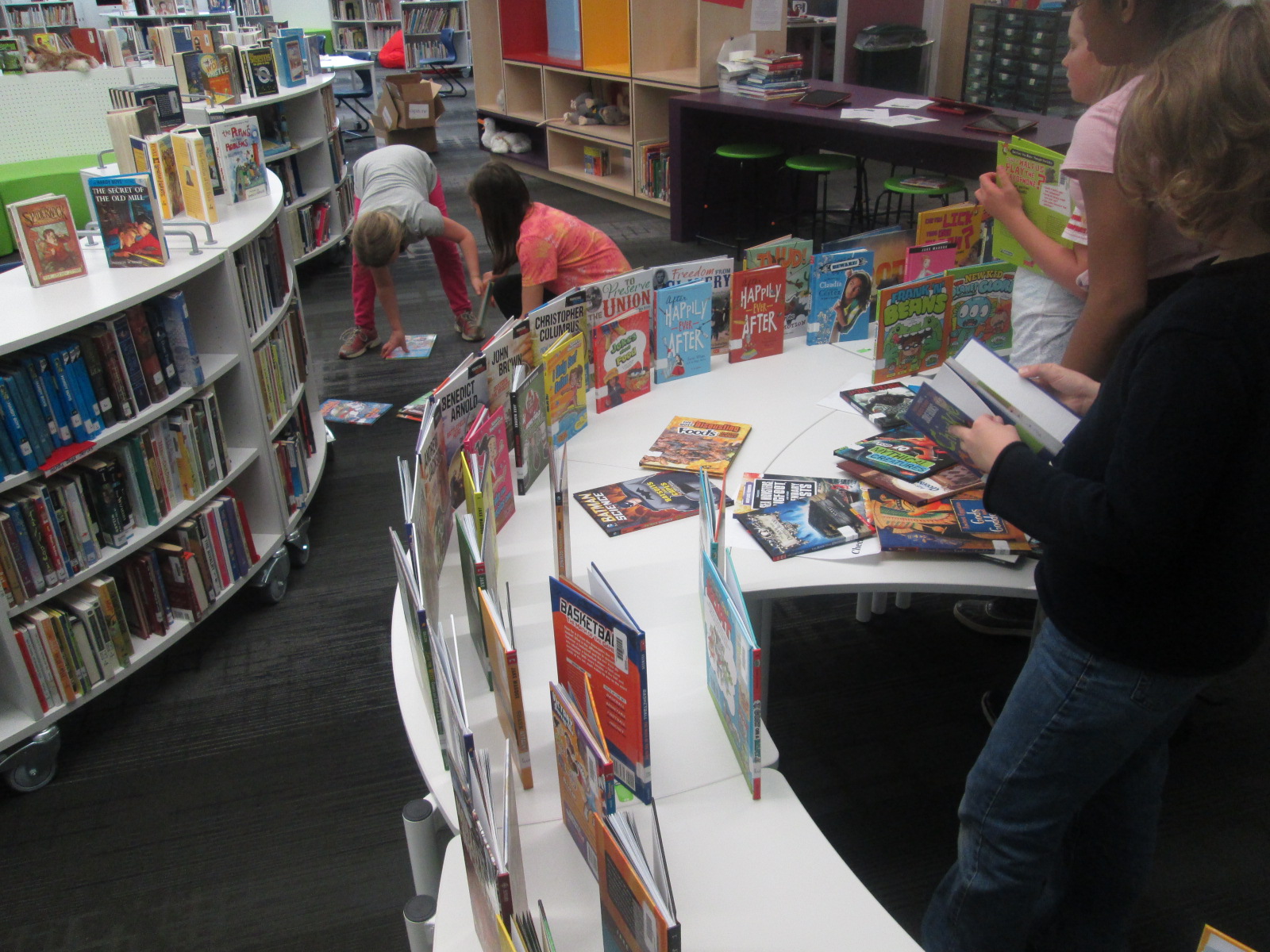
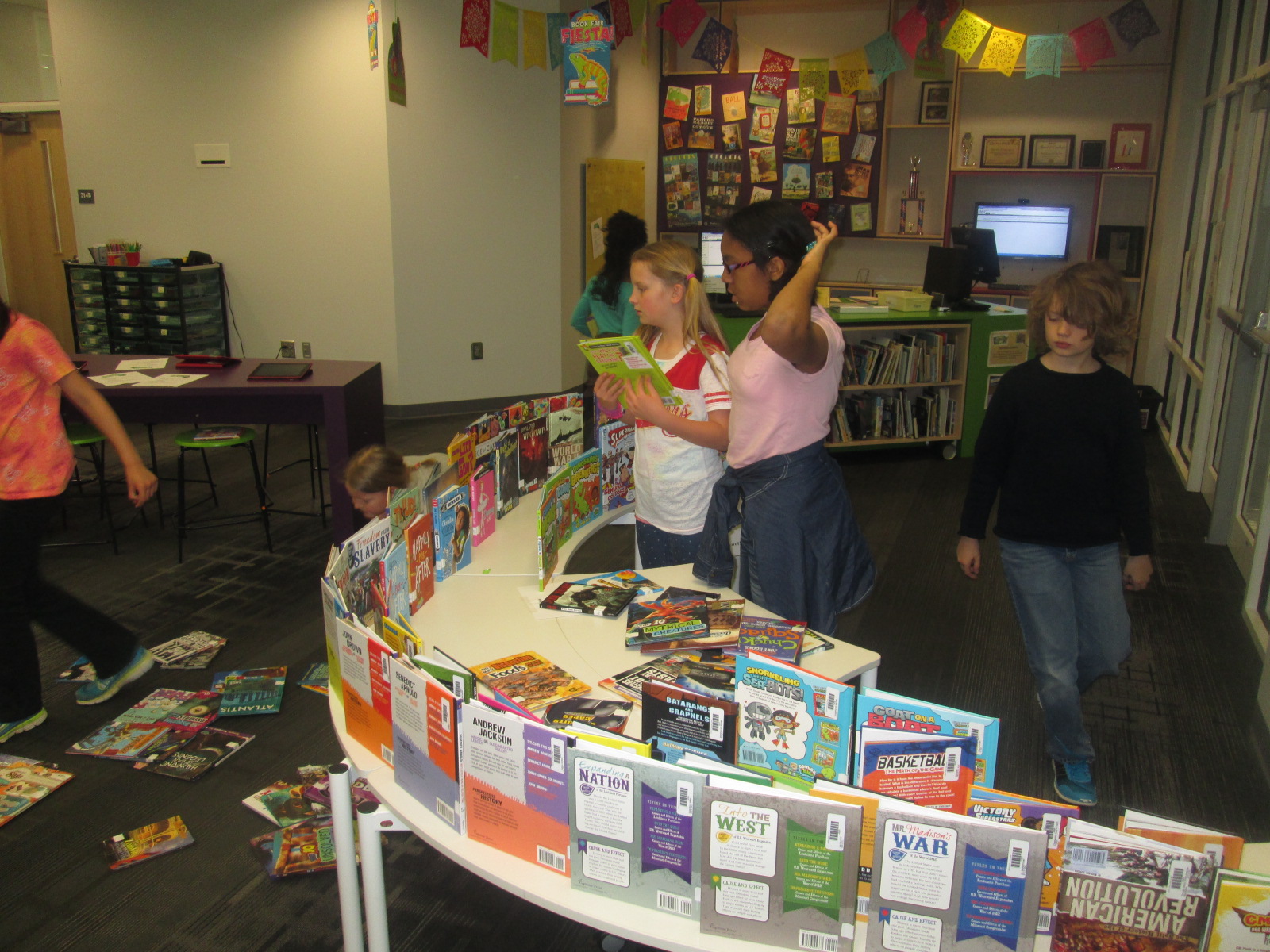
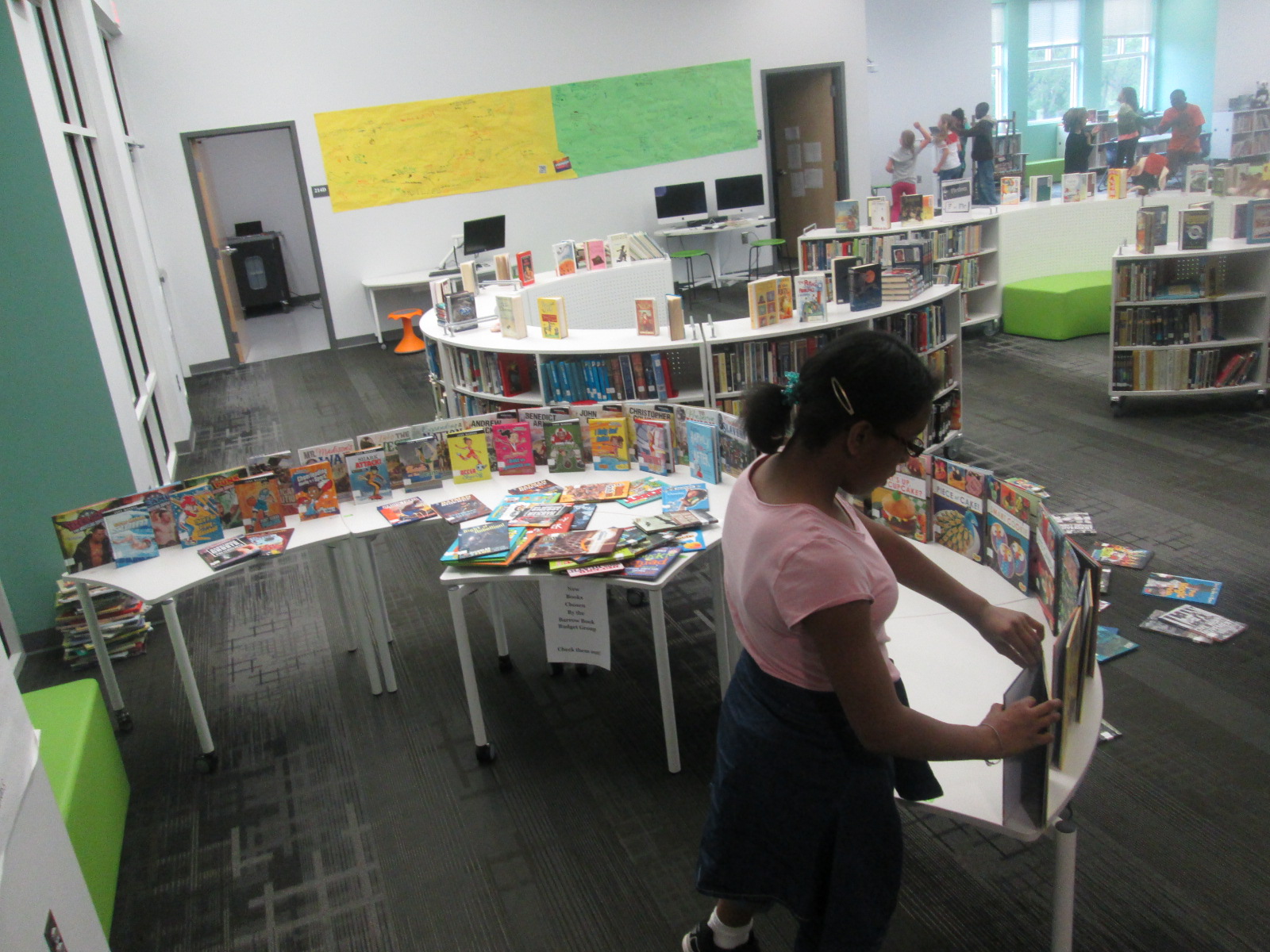
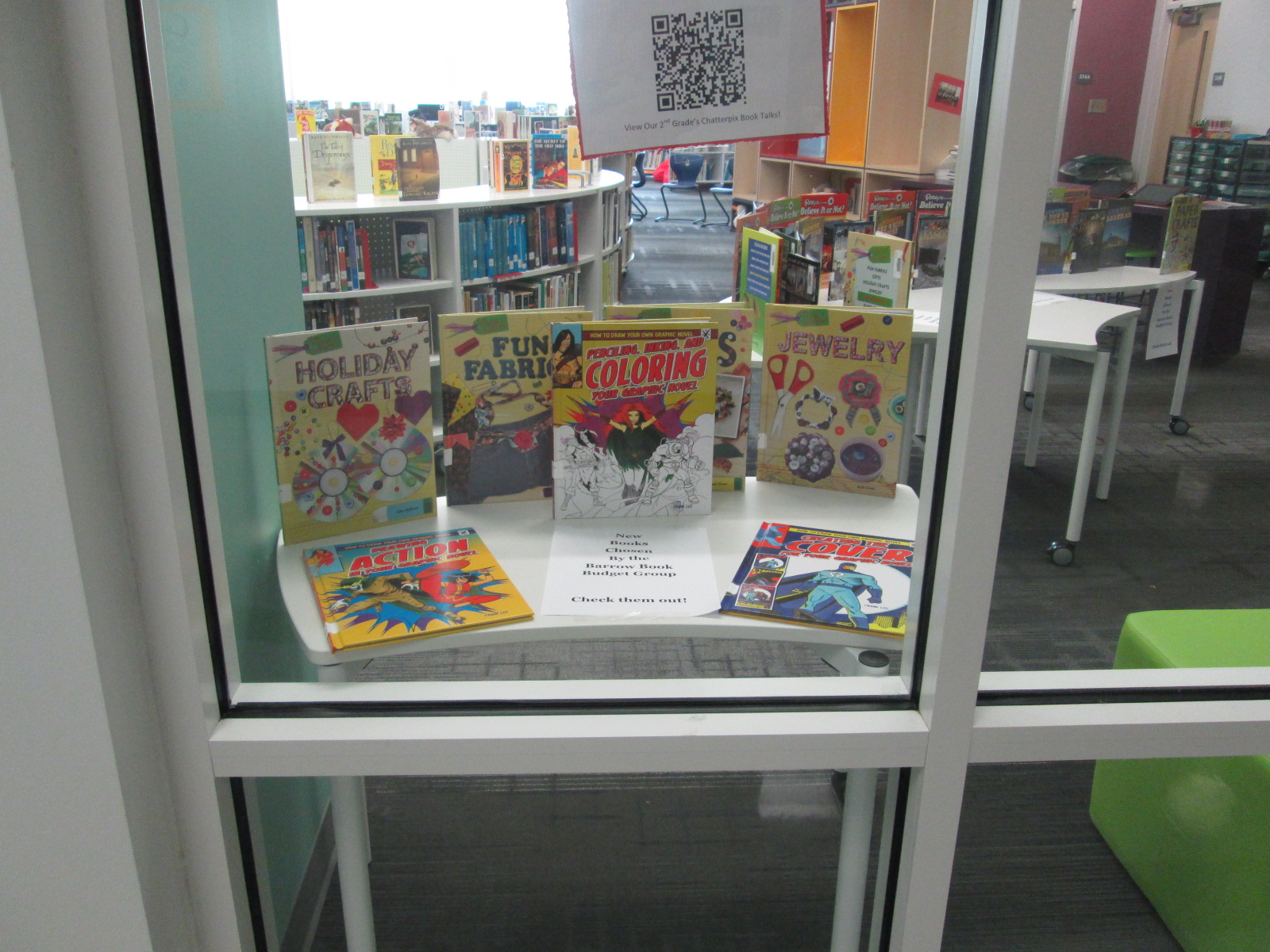
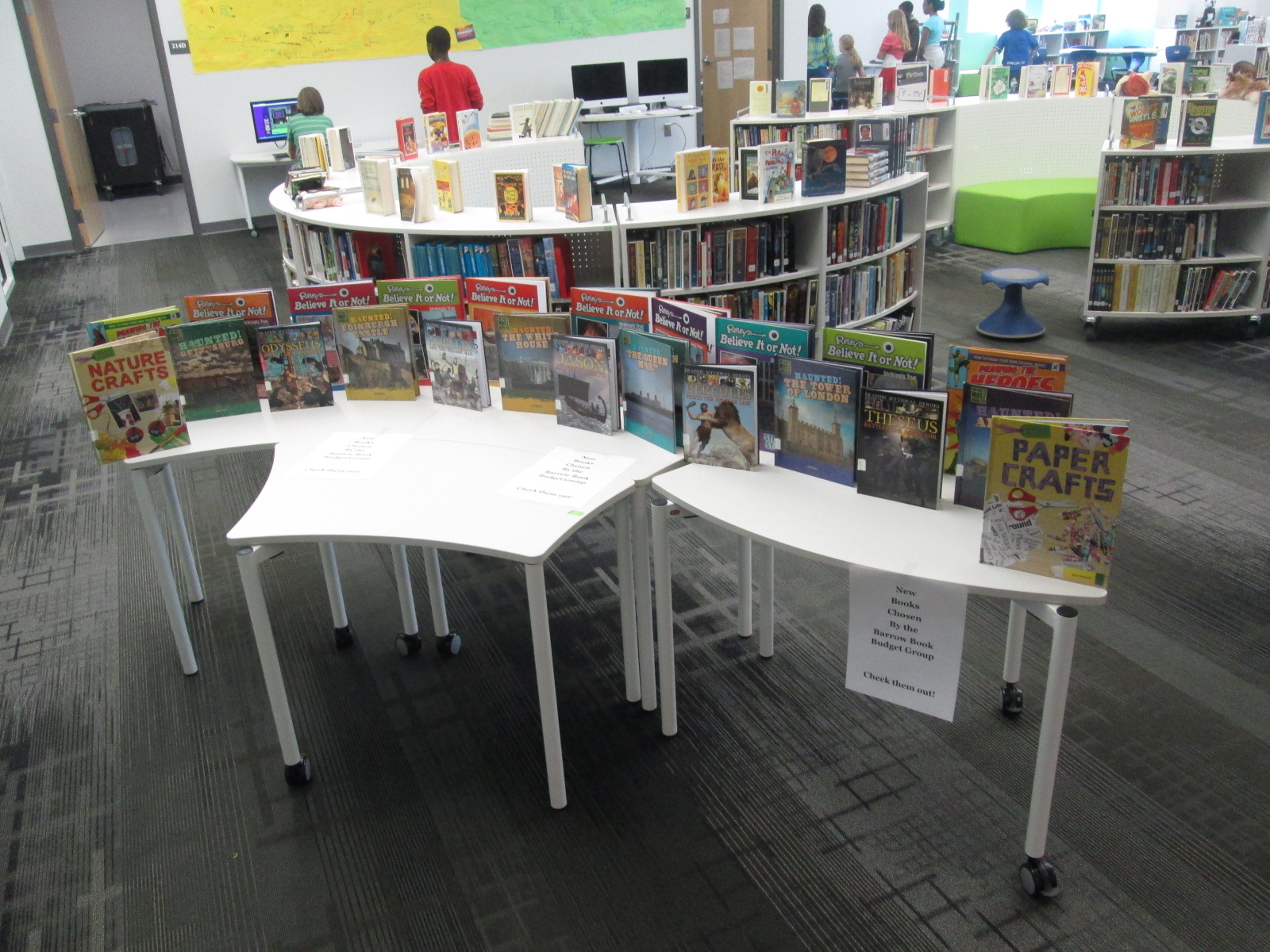
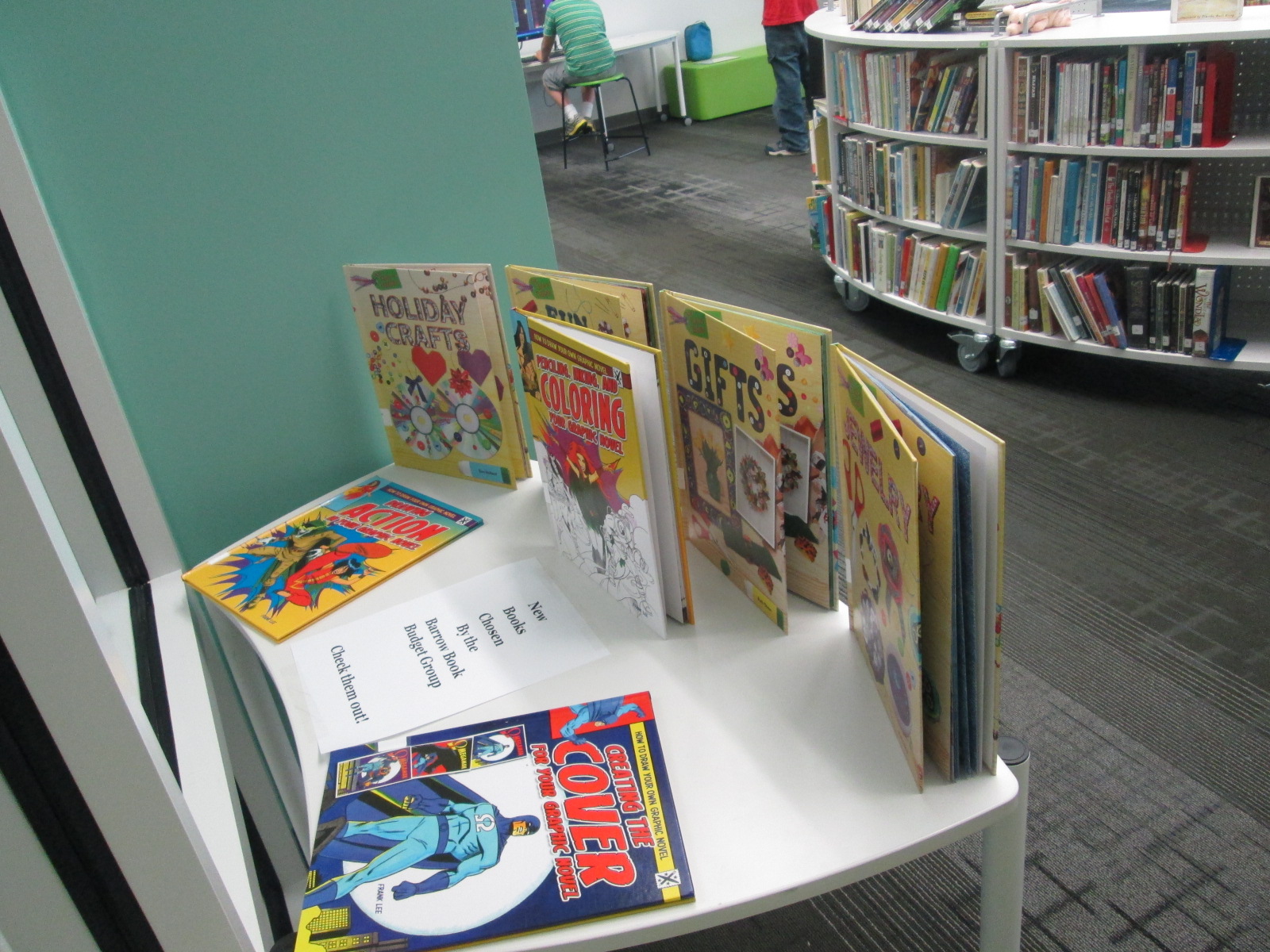
Then, all of the students work on setting up a display at the front of the library.

IMG_3005 IMG_3004 IMG_2999 IMG_2998 IMG_2997 IMG_2946

The students all got to check out one of the books before they were really revealed to the rest of the school.

IMG_3000 IMG_3001

Then they watched their Animoto and had a little dance party to celebrate new books.

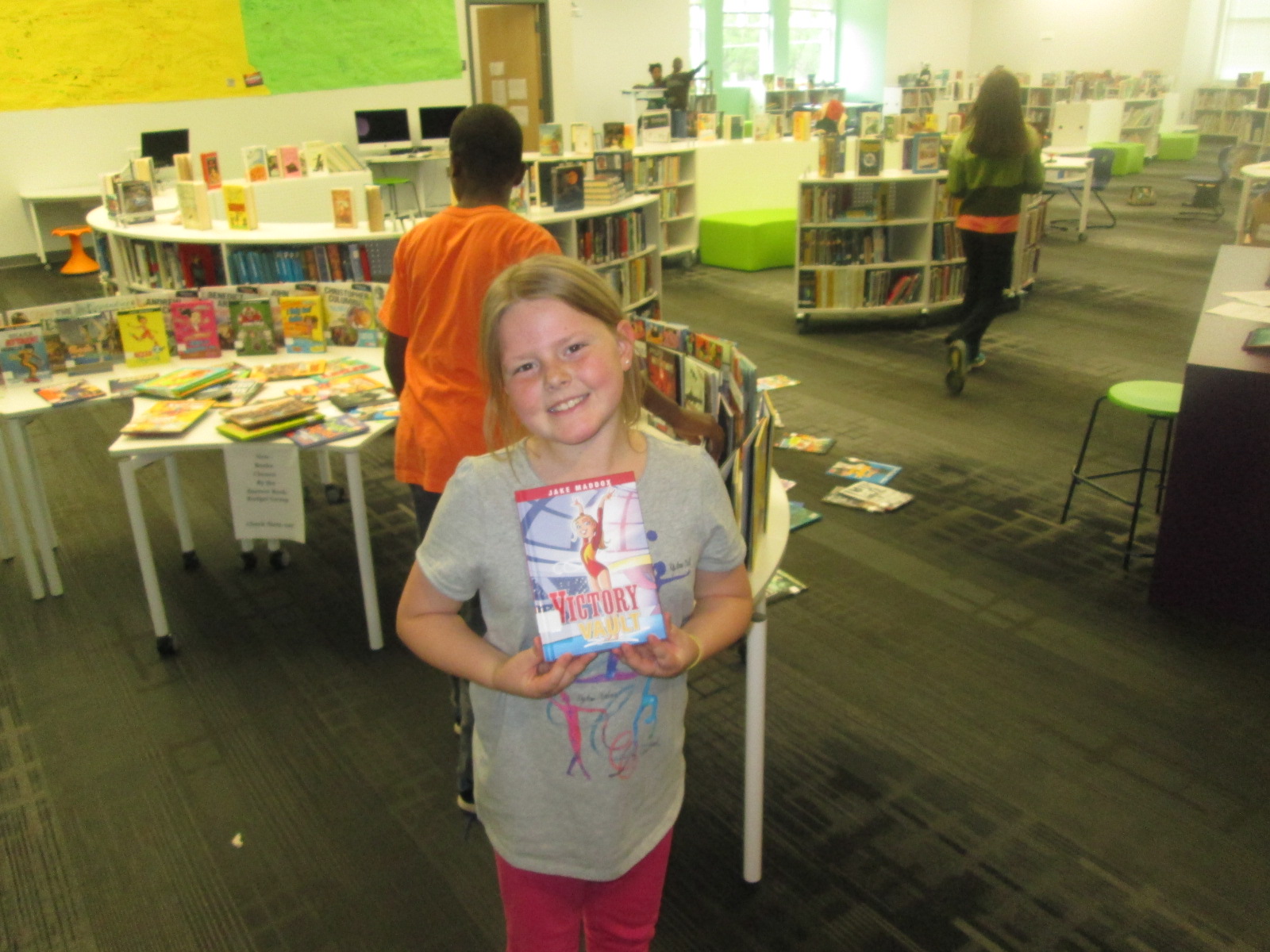
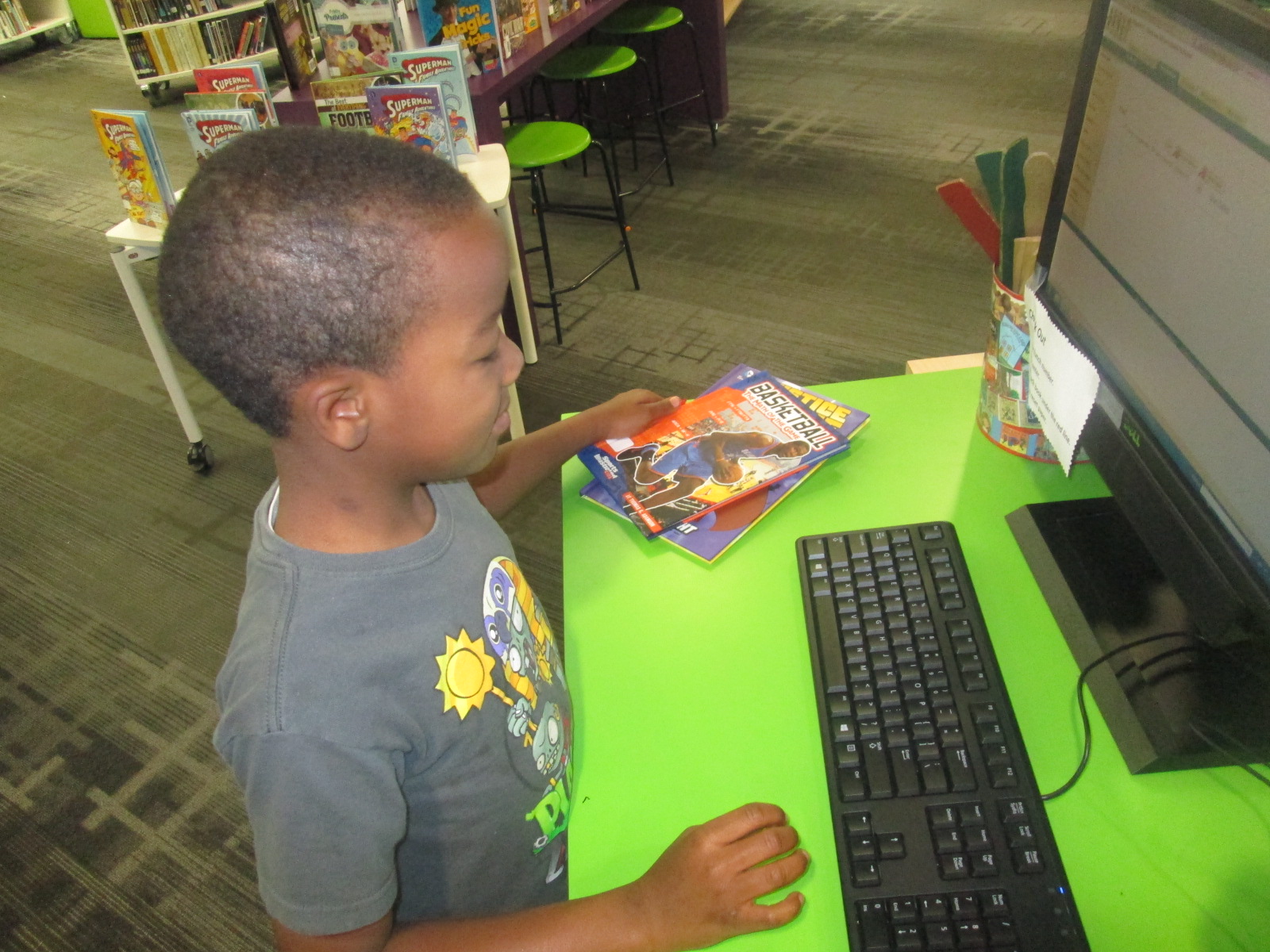
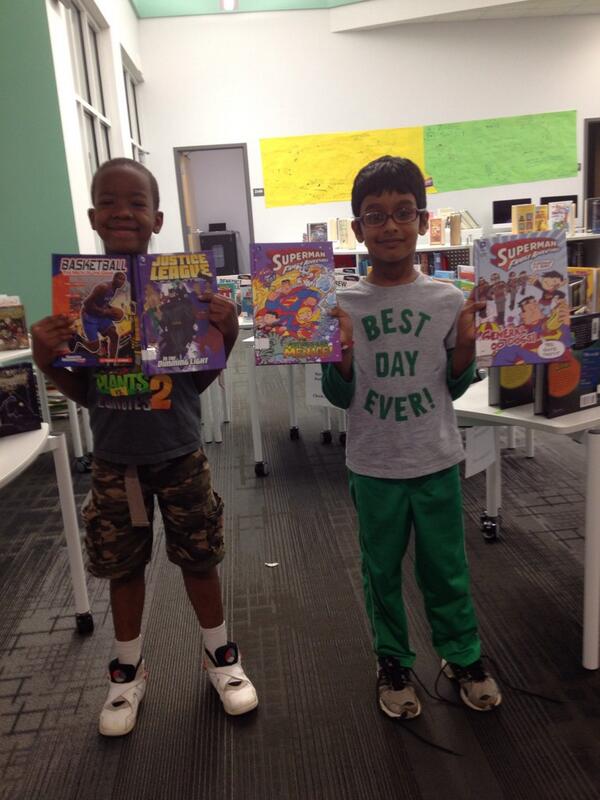
Usually, students start coming in to check out the books before we even get them all setup.  Today was no different.  Some of the DC comics and sports immediately got checked out by 2 eager boys.  I love how one student’s shirt says, “best day ever”.  It sure feels like a great day when we see so many smiling faces for books.

IMG_3012

It was also a little sad to see our project for the year come to an end.  These students have been so dedicated by coming in during their recess time to work.  I smiled when one of them said, “I think I want to grow up to become a library media specialist”.  Other students said, “Please let us do this again next year.”

When I asked them why they like being in the student book budget group, they said things like:

  • who wouldn’t want to buy books for the library
  • we loved making decisions
  • it was fun to spend money for the library
  • people are reading the books that we chose

This process is so empowering for students.  The project has proven again and again that students know how to buy books for other students.  Their books are checked out rapidly and stay among the most popular books in the library.
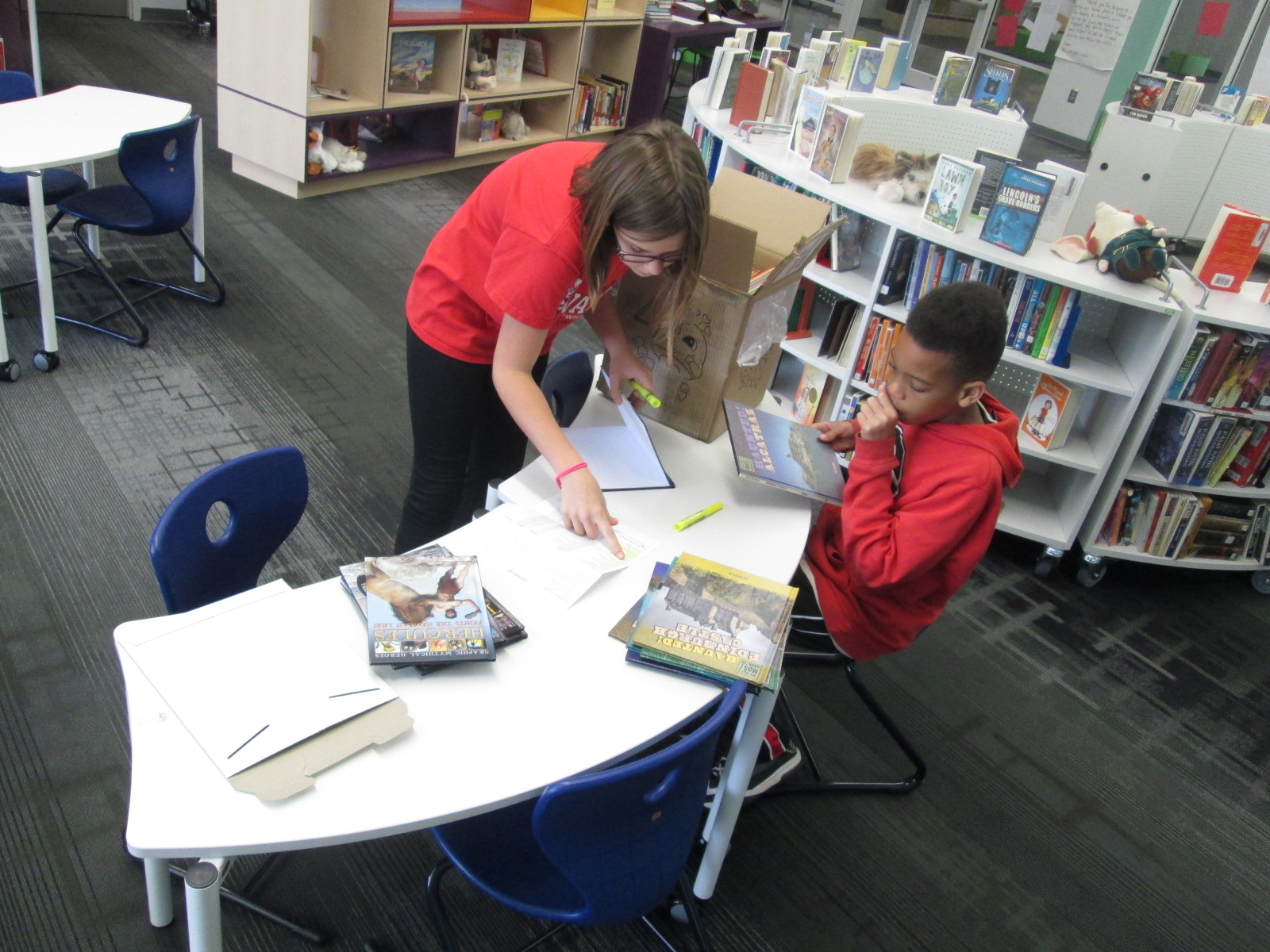
Thank you Capstone for supporting our project each year.  Your promotions, great selection of high interest books, and book swag gifts, made the students feel like rock stars.

capstone

Unpacking Our Student Book Budget Order from Gumdrop

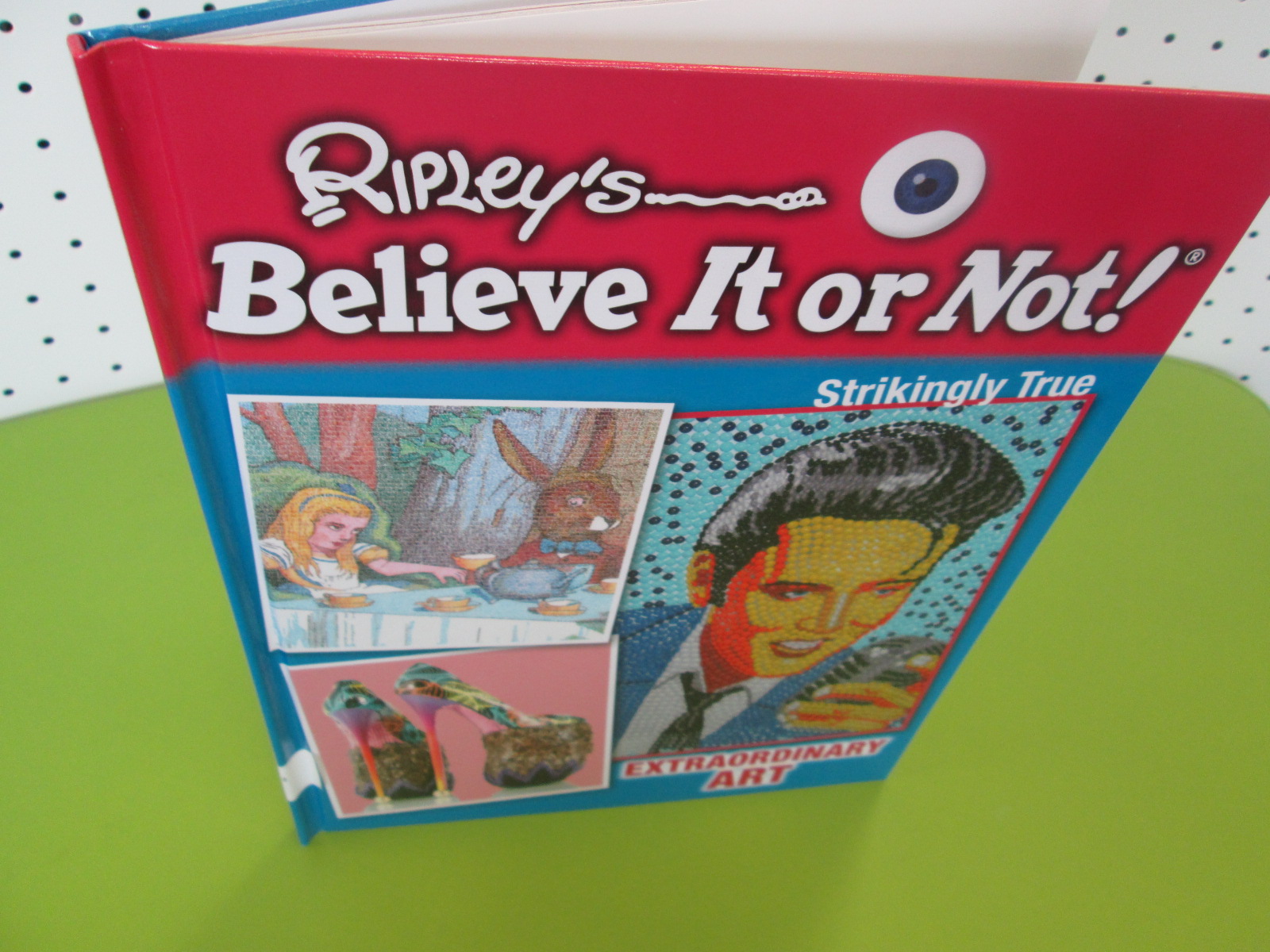
IMG_2827Today, the student book budget group came to the library to unpack our first order.  Most of our books that we ordered will come from Capstone, but there were a few books that they found from Gumdrop.  Gret Hechenbleikner is our Gumdrop rep who brought in several book samples for students to look at.  One of our goals for purchasing books was World Records.  We have several Guinness World Record books, but Gumdrop had some Ripley’s books that were much smaller in size that the students loved.  They also found some haunted history books that I’m sure will be extremely popular.  We are trying to increase the number of books we have about making things, so they found a series of books about making graphic novels as well as making crafts out of various materials.

To save a bit of money, we did not purchase shelf ready books.  We did order the barcodes and protectors, though.  Students came in during their recess and worked through several steps.

Step 1 was to unpack the box, check off the packing slip, and check the books for damage.

IMG_2807

IMG_2809

Step 2 was to put the labels and label protectors on each book.

IMG_2810

Step 3 was stamping each book with our library stamp.

IMG_2813

Step 4 was to download the MARC records into Destiny.

IMG_2848

Step 5 was to think of how to advertise the books to the school.  Students decided on 2 things.  They wanted an Animoto of all of the books and the unpacking process on our morning news show for Monday.  They also wanted to create a display at the front of the library.  One group of students worked on taking pictures.  Another group worked on making the Animoto.  A final group worked on creating the display.

IMG_2851 IMG_2849 IMG_2850


It was fun to watch them celebrate when their Animoto was made.

The books haven’t even been officially advertised to the school yet, and already several of the books have been checked out.  I won’t be surprised on Monday when there is a stampede to the library to check out what is left.

https://www.youtube.com/watch?v=AY56QRBi8kU

These students will meet again next Friday, when they will unpack a large order from Capstone and repeat the same process.