March Madness Global Book Talk Challenge (Final)

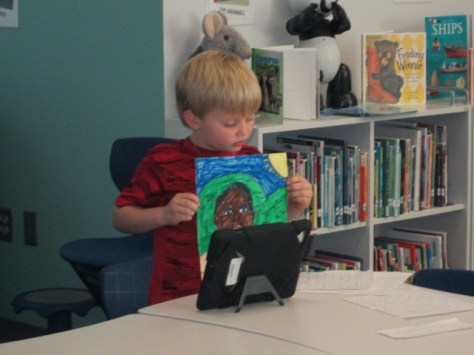
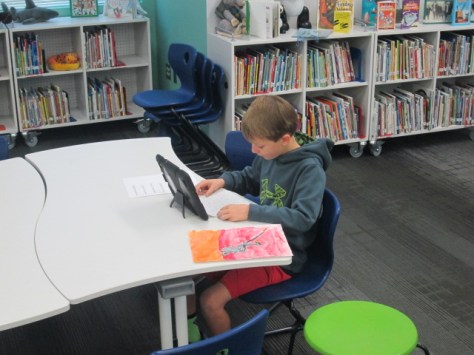
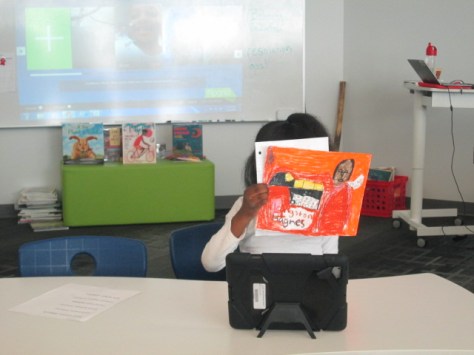
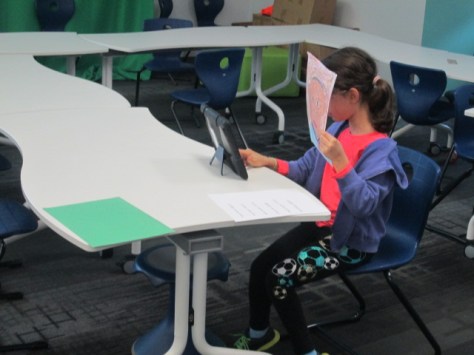
Many votes have been cast in our global book talk challenge and we are down to our final 2 students.  Will it be Evin?  Will it be Adaline?

Take a moment to watch (or rewatch) their videos and vote on your favorite.  Share with friends, family, and your own networks.  Voting will end on April 2.


Vote Here!

Be sure to take time to visit the full grid of videos to watch many other incredible book talks from around the world.  The competition is fun, but the real reward is hearing from so many student voices sharing their love of books.


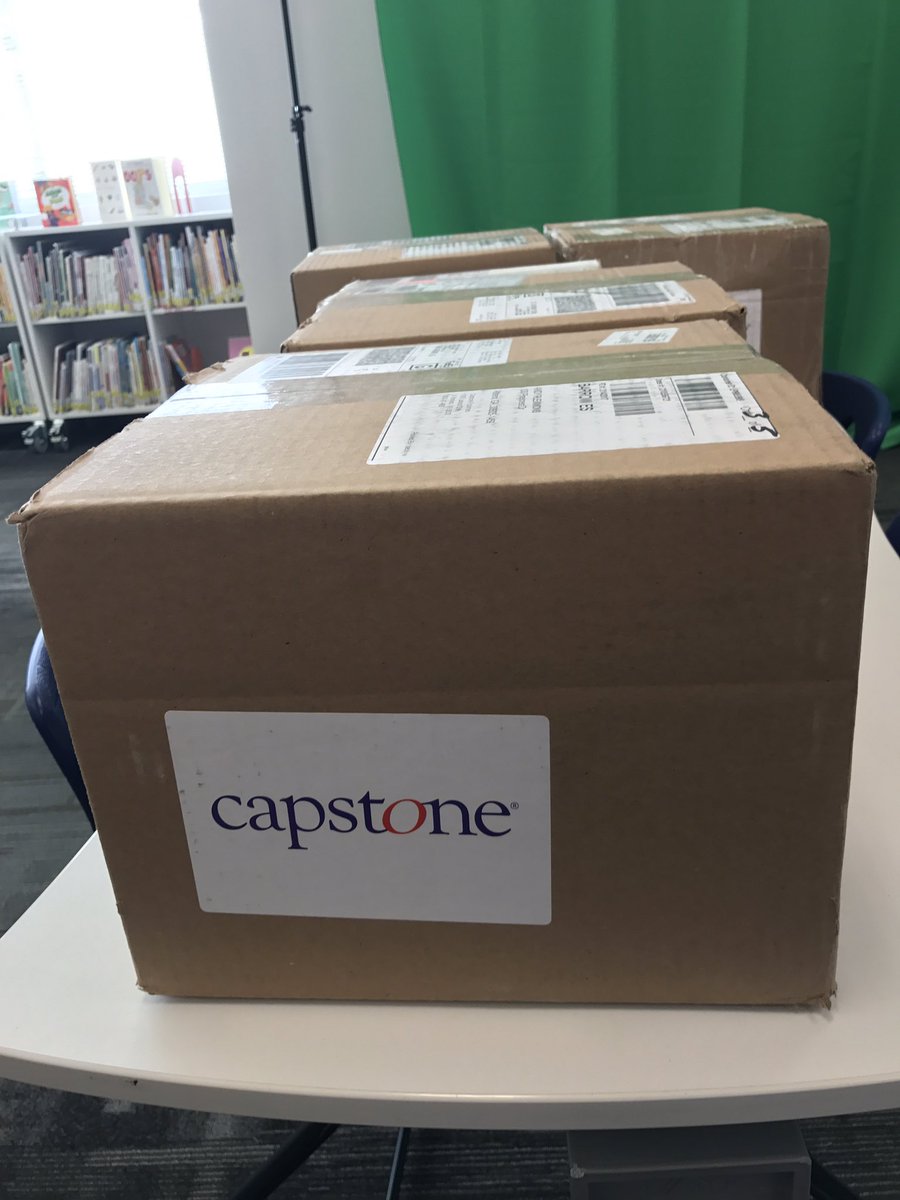
The 2017 Student Book Budget Books Have Arrived!

Every year a volunteer group of students give their time to spend a budget on books for the library. This budget comes from grants, book fair profits, and rewards points and it is completely in their control. They create a survey, interview students throughout the school, analyze the results, set goals, meet with vendors, create consideration lists, narrow the lists to the final order, unpack the books, and display them for checkout.

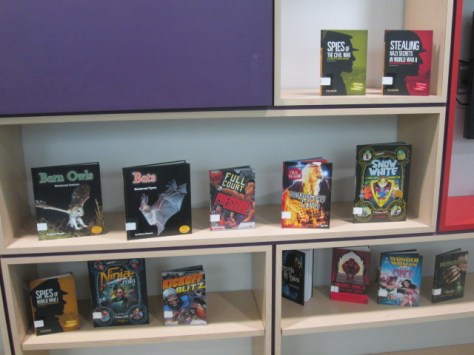
This year’s book budget group purchased over 150 new books for our library from Capstone and Avid Bookshop.

When the books arrived, this year’s crew had a big additional step that previous crews didn’t have.

They had to sort the books into genre categories, label the books with their new genres, and scan them into those subcategories in Destiny.

Once the books were all ready, the students put them on display all over the tables of the library, and the excitement of check out began.

Because there were so many books, it was hard to put them all out at once. As books got checked out, we refilled the tables with new books.  Within the day that the books were put on display, almost all of them had been checked out.

Once again, the amazing Amy Cox at Capstone allowed our committee members to choose 1 book that was their personal choice for the library and these books were donated to us as a thank you.  Students got to put a personalized label on the inside cover to show that they were the selector of the book.

Student voice matters in the library, and every year I value this process of seeing students BE the process of collection development instead of just requesting books to be purchased.  When they take part in every step of the collection development process, they see the thought that goes into each book on our library shelves.

They see that their interests and requests matter because they immediately see those represented in the books on our shelves.  If the library is to be a true community, then I feel like one person can’t decide on all of the books in the collection. I certainly have a major role in collection development, but when my students work alongside me in this process, we all become members of our library rather than just a consumer.

Happy reading!


March Madness Global Book Talk Challenge (Round 1)

Back in January, we were inspired by Jennifer LaGarde and Brad Gustafson’s 30-second book talk challenge.  Our 5th graders all worked on scripts and recorded 30-second book talks on Flipgrid.  Thanks to Flipgrid’s new Global Connections feature, our grid was shared with other users of Flipgrid.  I also shared it widely on social media. Over time, students from around the globe started adding their voices to our grid.  Thanks to views, likes, and judge’s choice, we now have a top 16 out of over 90 videos on the grid.

Using Google Drawing, I made a bracket for us to use over the month of March.  Round 1 is now open.  Students were placed into groups of four to compete against one another to move onto the next round.

I also embedded the drawing onto a Google Site with a form for voting.

This is my first attempt at a March Madness style reading incentive.  It is truly amazing to look at all 90+ videos and see how passionate and creative the kids were in their talk.  The real winners in all of this are the students who made the videos and every viewer who takes time to listen to their voices.  The March Madness event is just a little icing on top to celebrate our hard work.

We invite you to join in round 1.  Voting is open through the end of the night on March 17th.  Then, round 2 will be announced.  Please feel free to vote more than once and share with your own networks.

https://sites.google.com/clarke.k12.ga.us/epicbooktalk/ 

Building Home Libraries: A Community Collaboration

4reading

One of the goals of the Barrow Elementary Media Center is to support the reading habits and curiosities of students, teachers, and families.  During the school year, our library is a huge source of reading, but I often wonder what I can do to continue to support reading during the summer months when students are at home.  What do their home libraries look like? What can we do as a school to support the idea of building a home library?

Many schools in Clarke County are supported by an incredible program called Books for Keeps where every student in the school receives 12 books for summer reading. Our school will eventually be served by this organization, but at the moment, we are not. Since we can’t really raise enough money to buy books for every child in the school, I decided to start with 2 communities of students in our school.

This year, I am working with our community, writing grants, and raising funds to support families in building home libraries in their communities. The Junior League of Athens is purchasing 6 books for each student from the Bethel Homes community who attends our school.   These books are for the students to keep and share with their family. There will be a family day of learning about home libraries, creating a plan for a home library, and adding these 6 books to the home library.  We hope by taking this step, we are supporting a culture in each home of having a dedicated place to keep books that are purchased, borrowed, or donated.

Through First Book UGA, we have a $750 grant to replicate the Junior League’s program in the Parkview community. This will provide approximately 3 books per student through First Book.  In order to replicate the same program we are offering at Bethel, we needed to raise some additional funds.  After getting approval from our superintendent, I created a GoFundMe campaign to raise an additional $1,000. I began sharing the campaign through many avenues of social media as well as personal emails. Camilla Bracewell, a Barrow grandparent and huge library supporter, also shared the project through her own networks. In just over 24 hours, we raised the funds needed.

I’m notorious for jumping into a project before I really know exactly what it’s going to look like, but I always leap in with the faith of expecting the miraculous and knowing that things will work out. Now that the funds are in place, some logistics must be worked out.

Logistic 1:  If students are going to create home libraries, what will I actually use for the home library container?

I didn’t want to assume that every student had a home library at home or that they knew that a home library could be any place you keep books, so I wanted them to have a container to take home with their books. I started pricing containers at Walmart and Target and seeing what Dollar Tree had. Along the way, I posted Instagram pictures of my journey and invited people to chime in with suggestions.

People chimed in with ideas:

Then, my wife suggested that I contact Suki Janssen with the Athens Clarke County Recycling Division, so I did.  She invited me to come and check out the warehouse where the Teacher Reuse Store items are kept. This CHARM facility houses items that are difficult to recycle.  I met with Chris Griffin and he let me browse the building and see what I could find.
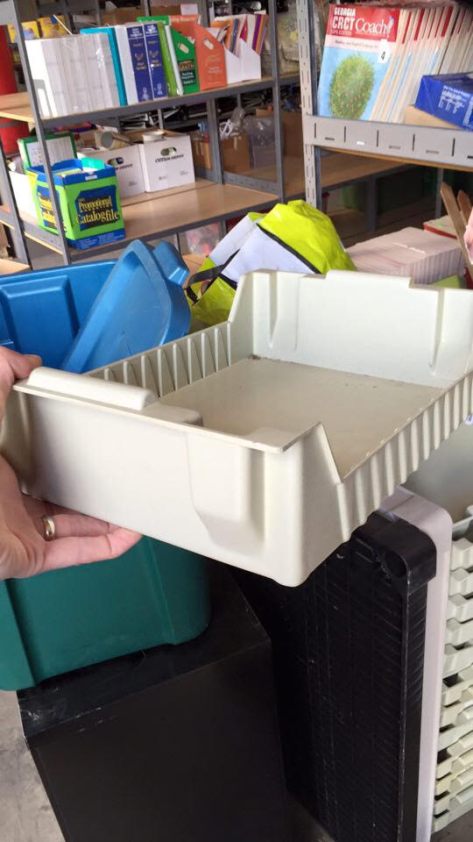
bins at recycling

Miraculously, I found  3 different stacks of trays in varying shapes, sizes, and conditions and was fortunate enough to take them all home with me.

Logistic #2: Getting all of these trays ready to become home libraries.

I took all of the trays home and started cleaning a few of them and brainstorming exactly what to do to the trays to decorate them.

Again, I reached out to the community for ideas. Gretchen Thomas, my collaborative partner from UGA, suggested lots and lots of spray paint.

I went out and bought some cans to do a paint test.

It was a time consuming process to clean and paint the trays and I quickly realized I couldn’t do it alone.

Logistic #3: Who can clean and paint all of these trays?

I brought all of the trays to school.

I called upon my wonderful volunteer coordinator Courtney Tobin as well as Gretchen Thomas to send out emails and ask for volunteers. Once again, the community didn’t disappoint. Camilla Bracewell came in along with Margaret Christ and her librarian mom came in to clean trays.

I also have volunteers scheduled to come in and start spray painting the trays outside.

Logistic #4: How will I order the right books for students?

Since we have a First Book account and grant, I can order books directly from First Book for a great price. I really wanted to go back to my student book budget model and give each student a certain amount of money to spend in the First Book marketplace.

However, I don’t think I have enough time to pull that off.  Instead, I created a short reading interest survey so that I can do interviews with each student and find out some of their interests in order to get the books they really want to read. Again, this isn’t something I can do alone since there’s 75 kids in this project, so volunteers are helping me interview students with printed copies of the survey.

Logistic #5: How will I get the order done?

As we interview students, I’m searching the First Book Marketplace for books that match what students are asking for. I’m adding these to a wish list that I can pull from when it’s time to order.  I’ve blocked off times on the library calendar next week to work on the actual order.  I plan to take each student survey sheet and personally search for books to meet the needs of the student request and age.  Then, I’ll use the donated funds and grant to pay the bill.

Logistic #6: How will students take ownership of the libraries?

Rather than just hand over the books and trays to students, I want them to have some investment in the project. In two weeks, we are going to hold some decorating sessions where students can come and decorate their libraries with personal touches. During that time, we’ll talk about what it means to have a home library as well as talk about sharing books between home libraries. Since these students are in the same community, there is an opportunity for students to be able to exchange books with one another if they want to.

I know that I have many more logistics to work out in this project, but it is amazing to look at where this seed of an idea has grown into a blossoming project.  I can’t wait to see where the project takes us, how it impacts students, and what we all learn about one another along the way. Having a community that pulls together around a common project makes such a difference.


Kindergarten Green Screen Animal Interviews

animal interview green screen (15)

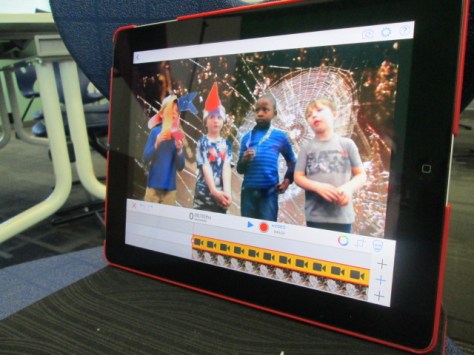
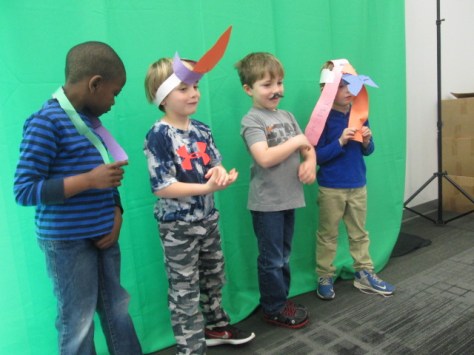
Ms. Kelly’s Kindergarten class has been hard at work on an animal research project that is unlike any other I’ve been a part of.  For the culmination of the project, students recorded an interview of an animal in its habitat using our green screen and the Do Ink app.  There were many layers to the process that students went through the create their final product. The class has been to the library throughout the project to initiate various pieces and then moved forward with the project work in class.

animal interview green screen (17)

It’s hard to even go back to where the project began, but eventually each student came to be in one of 4 groups researching an animal of interest: crows, sharks, spiders, and alligators. Students checked out both fiction and nonfiction books about their animals in the library during one piece of the project. During another piece, students spent time researching their animals and gathering facts.

animal interview green screen (16)

In another lesson, students came to the library to talk about crafting great interview questions. We looked at the Story Corps great question generator and practiced interviewing one another in a way that would elicit extended responses from the person being interviewed.

Students took this skill and went back to class to write questions that they would ask to their animals if they were doing an interview of the animal they researched.  Using their research, they thought about the answers to their questions.

animal interview green screen (13)

In another session, students came just to learn about how the green screen worked.  We watched a tutorial video from Do Ink as well as a video that had been made on our green screen.

Finally, students came back for one more work session in the library to prep for their interview project. This was a work session because students were in all kinds of stages of their completed project. The teacher, parapro, and I all worked with groups of students at the point they were at. My group was getting close to ready for use of the green screen, so we took some time to experiment a bit with what students hoped to do. Instead of a static picture of the animal’s habitat, students wanted a video of the habitat. We searched creative commons Youtube videos for nature scenes that matched where an animal would be found and used the iPad to record snippets of those videos. This helped us think about what we would need to accomplish before recording.

animal interview green screen (11)


Back in the classroom, students made final preparations for their animal interviews. They made props. They wrote our their script on cue cards and assigned parts to each person in the group.  The teacher made copies of these cards for students to practice with in class as well as sent them home for weekly homework practice.  Students also decided exactly what they hoped to have a video of for the background of the green screen. The teacher sent these to me in advance, so that I could pull some videos from Youtube for us to use.

Each group came individually to the library to record. We did a practice run of the script.  The teacher held the cue cards and I ran the iPad.  I flipped the screen so that students could see themselves as they talked. This helped them know to be in the right place, but it also tempted them to wave at the camera and make faces.

Once students finished recording, they had a chance to watch their video back. I uploaded the videos to Youtube so that we could share them with families and authentic audiences.  I encourage you to take a look at the work.

animal interview green screen (3)

Pulling off Kindergarten projects like this takes some creative thinking. Anytime that we can break the project into pieces, work in small groups rather than the whole group, and do recording within single groups makes the project run much more smoothly. I also love when a project flows in and out of the library and classroom.

animal interview green screen (5)


Ms. Kelly is an awesome teacher to collaborate with because she finds so many connections to the standards students are working on but also weaves in student interest and expertise.  She dives into a project and trusts that along the way she is going to realize just how many standards a project based in student interest and curiosity can actually included. She also thinks about how to reinforce the project so that students are fully prepared before jumping in to creating the final product. I thought it was genius (and time consuming) to create so many cue cards and give students copies to practice for homework.

I’ve been doing several technology computer projects lately, and I’m so thankful for the flexibility of our schedule so that we can get creative with how to break the projects down into pieces as well as smaller groups.  Bravo Kindergarten for another awesome project.


The 2016 Barrow Peace Prize is Ready for Your Votes!

flipgrid peace prize recording (29)

Our Barrow 2nd graders have been hard at work researching 6 people from history to nominate for the Barrow Peace Prize. As part of this process, the students developed a list of criteria for what character traits should be represented by the winner of the peace prize. They wrote persuasive essays and created pieces of art work with Ms. Foretich, our art teacher.  You can read more about what the students have done in the post, Beginning the Barrow Peace Prize.

flipgrid peace prize recording (15) flipgrid peace prize recording (8) flipgrid peace prize recording (2)

This week, students have been coming in to the library in groups of 4 for 15 minutes to record their persuasive essays. When they come, I give them a quick overview of Flipgrid and remind them that there work will be seen by lots of people. Then, they split up around the library and we make sure that the space is relatively quiet for recording. I setup a question for each person from history so that all of the Ruby Bridges videos are together, all the Langston Hughes videos, etc. During the process, students take a picture of their artwork for the Flipgrid and then record themselves reading. Some chose to show their artwork while recording, and other chose to have their face on the video.

flipgrid peace prize recording (16) flipgrid peace prize recording (7) flipgrid peace prize recording (4)

One of the things I love the most about Flipgrid is that the videos are instantly uploaded in one central place. I don’t have to spend hours uploading and naming 100 videos after students have recorded.

Now that the videos are recorded, we need you and everyone you know to watch the videos and help us decide which person from history should be the 2016 Barrow Peace Prize winner.  I’ve created a Smore page to pull everything together.

Here’s what you need to do:

  • Visit https://www.smore.com/dfmsd-2016-barrow-peace-prize 
  • Click on the link to each grid an watch as many videos as you can.
  • Click the heart icon on any video that you “like”.
  • At the bottom of the Smore, you will find a link to the Google form to vote on the person you think should win.  Or…you can click here.
  • Finally, please share our project with your students and networks so that we can have a record-breaking number of votes this year!

On February 18th, we have big plans for how we will announce the winner.  We can’t reveal exactly what is going to happen just yet, but we promise it’s big!  Happy voting!


The Student Book Budget Books Have Arrived!

book budget unpacking (41)

After almost two months of working on the 2015-2016 student book budget project, the books are rolling in to the library, and the excitement is brewing. This year’s budget was made possible thanks to a grant from James Patterson. Students had $5,000 to spend on books. They created a survey, surveyed the school, analyzed the results, set goals, met with vendors, compiled wish lists, cut lists to match our budget, and helped order the books.

Now the books are arriving, so students are meeting once again to go through the process of unpacking, inspecting, and marketing the books.

We have many more books than usual, so it is taking a bit longer to unpack the books. So far, we have books from Capstone and Gumdrop. Students came in by grade level for 30-minute shifts. Each company required a different process. This was mainly because we opted to not have full processing on Gumdrop books so that they would ship faster. I’m sort of regretting that decision, but it’s giving students an additional experience.

For Gumdrop, students had to apply the barcode, spine labels, and label protectors. This was tedious work for them to locate the correct labels for the correct books, and they passed this job off as often as they could since it was so time consuming. This process is still not complete, so no Gumdrop books have gone out to readers yet. We need to finish labels and check books off of the packing slip.

For Capstone, our books were already processed and ready to go. All students needed to do was unpack them, check them off the packing slip, and stamp them with the library stamp.

Additionally, Capstone let each book budget member choose one book that was their personal pick. They also sent us labels that could be put into the front of these books so that students could write their names to remind readers who selected those books.

The crew loved locating their books and applying the labels. As an added treat, they were the first to check out these books.

One student took it upon herself to start displaying the books while everyone else worked on all of the other tasks. Ajacea cleared out spaces in  the front of the library and started standing up books. If she didn’t like the way it looked, she took it all down and started over. I saw her do this more than once.

Finally, she had the idea of maximizing display space by putting books in the windows of the library facing out to the hall. There was room to put a top level and bottom level of books. She also used some of our library cushions, tables, and counter space.

It was a prime time for setting up a display because many classes were leaving lunch and walking right by the library. I saw many conversations happening in the hall about the books, and it wasn’t long before those same students were rushing back to the library to checkout what they saw.

There were moments of frantic grabbing when a whole class ended up coming to check out. The books were only on display for a little more than an hour and I would say at least half of the displayed books were checked out.

Students will come once again tomorrow to finish the books we have, and then they will reconvene when our order from Avid Bookshop arrives. I’m always inspired by how proud students are when they see their hard work pay off on unpacking day. They realize that the time they sacrificed was worth it to add more books to the library. They love getting the first look at the books, and they are amazed when the books fly off the shelves.

Ajacea stopped by at the end of the day to see what happened to her display. She had told me earlier in the day that her job would be ongoing because she would need to refill the empty spots. Her mouth dropped when she saw just how empty the windows were at the end of the day.

Our friend Amy Cox with Capstone Press followed along with our day on Twitter, and Ajacea was so proud when Amy said that she would be a great marketing intern.

https://twitter.com/capstonepress/status/686960767296393216

Ajacea’s response? “Tell her to call me.” I love the real world implications of this project and how many times it has given an opportunity to students to explore their interests and realize that their voice is heard and matters. Bravo student book budget team!


Student Book Budgets 2015-16: Getting Started

surveying (1)

For several years, I have dedicated a portion of our library budget to be completely controlled by students.  This project has come to be one of my favorite ways of empowering the voices of the students in our school.  It’s so much more than just asking students what they think I should buy for the library.  It gives students a voice in every aspect of the decision making and purchasing process.  Each year is a bit different, so here’s a look at how we started the project this year.

Where did we get the money?

Some years our budget comes straight from my state budget.  Some years it’s part of book fair profits.  Some years it’s a grant. This past spring, I applied for the James Patterson Partnership grant where he gave $1.75 million dollars to school libraries.  I was one of the lucky libraries to receive this grant in the amount of $5,000.  This will be our budget this year along with rewards dollars that I have collected through Capstone Rewards.

How did I choose students?

This year I created a Google form and emailed it to students.  I primarily pull students from 3rd-5th grade for this project and these students regularly check their email.  I kept the form open for 5 days for students to apply.  The beginning of the form included some details about book budgets followed by a video intro.

https://youtu.be/lrdvrGViO4A

For students who marked that they might be willing to give up some recess time to participate, I followed up with individual emails and conversations.  I accepted every student into the group unless they decided they didn’t want to do it.  I created a group of all of the students in my email contacts so that I could easily send messages to them all.  On my initial emails to the group, I included the teachers so that they were in the loop with what they were doing and why they were coming to the library instead of recess.

First Week

On Monday, students came to the library at 11, 11:30, and 12:00 depending on their grade level.  I did a quick overview of the purpose of the book budget group and the steps that we would most likely go through across the course of the project.  They also had a chance to ask questions.  Then, we jumped into the work.

Our first goal was to gather reading interests from every grade level in the school.  We made a copy of last year’s Google form.

Then, students talked about each question and whether or not they wanted to make changes to the wording from last year.  Each grade level added to and revised the form until it was ready.

They made several changes, including asking students about their preferences in types of books such as picture book, chapter book, and informational books.  They added some new categories of books and revised the language to be more clear.

During the 5th grade group, we went ahead and emailed the form out to students to begin collecting responses.  We also created a QR code so that students who were surveying younger grades with iPads could easily pull up the form.

I emailed an update to the entire group to let them know that surveying needed to begin, and they started coming in before school, during lunch, during recess, and during any extra moments of the day to start surveying.  All along the way, we could check our progress.


Throughout the week, I emailed updates to the group as well as sent reminders to teachers to let students fill out the survey.  We will meet one more time this week to examine our results so far and decide if we have enough data to set goals or if we need to survey more people.

I’m very proud of this year’s group already and I know they are going to do miraculous things this year!

Remembering September 11th and Moving Forward

September 11 (56)

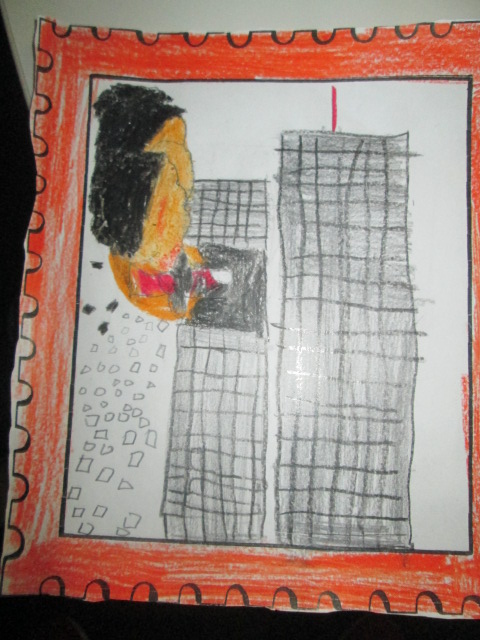
Each year, our 5th graders learn about September 11th as a part of their social studies standards.  They have to know about the events of the day as well as how that act of terrorism has impacted our lives today.  It’s a scary topic for an elementary student who has no memories of this event.  For them, it’s really just a part of history that doesn’t resonate in the same way as it does for adults.  That doesn’t mean that we can’t explore this tough subject.

We look at the day from multiple angles and see what we can discover about terrorism but also the heroism of the day.  We’ve used this tragedy to think about how we respond to sadness, how we memorialize those who mean so much to us, and how we create good in the world.

We spread our learning across an entire day.  Each teacher leads a different part of the day and students rotate through several experiences.

With me, students use a Symbaloo to explore online content.  I love Symbaloo because I can group the links together in a meaningful way.  I split the links into 4 areas: looking back & reflecting, the events of the day, rebuilding, and remembering.  When students came in, I used our Flipgrid responses from last year to talk about how we have to rely on people’s memories and what has been left behind in order to learn about and learn from history.

Last year’s Flipgrid

We also talked about how different the documentation of 9/11 would be if it happened today.  It happened at a time when smart phones, instagram, Twitter, and Facebook didn’t exist.  We also talked about our comfort level with tragedy.  I labeled several of the links “graphic” so that students could decide if they really wanted to click on that area.  Students could stop at any point and take a break in the hallway or with the counselor.

Our 9/11 pathfinder

At the close of my session, students had a chance to talk about what they heard and saw.

With Ms. Mullins, students looked at the first responders of 9/11, including the rescue dogs.  They used the information they learned to write haikus in response to the heroism.

With Ms. Selleck, students read 14 Cows for America and talked about how other countries responded to our tragedy.  We saw September 11 as a time when other countries felt our pain and reached out to help us.  Students responded by creating artwork to symbolize a response to tragedy.

With Ms. Olin, students read Fireboat and talked about how everyone pulled together on September 11 to help one another regardless of jobs or beliefs.  We were all Americans.

September 11 (4)

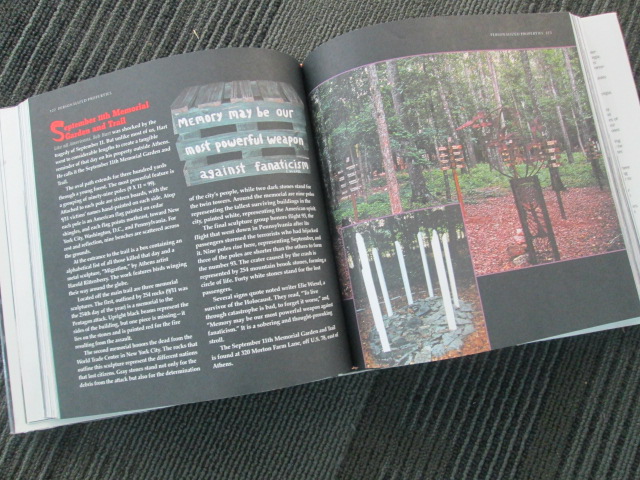
After lunch, we had a guest speaker.  Bob Hart has created a 9/11 memorial trail right here in Athens, and he came to tell the students about how he got the idea, what each part of the trail represents, and answer questions from the students

Bob Hart’s 9/11 Memorial Trail in Athens, GA

This was a new piece to our 9/11 remembrance day and it was powerful.  Bob had so many touching tributes to the victims, and each part of  his memorial was thoughtful and created with love and respect.  His trail is open to the public, so I’m sure many students will want to visit.

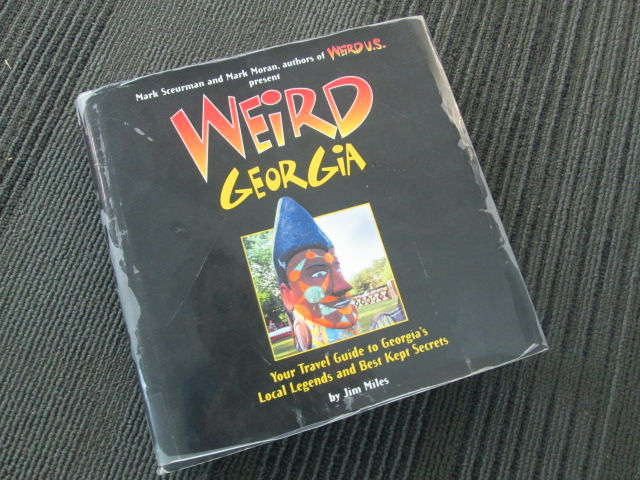
We even found out that his trail is featured in a Weird Georgia book which we have in the library!

September 11 (61) September 11 (60)

At the close of our day, students used Flipgrid to record their haikus, artwork, and reflections.  Three volunteers came in to help me facilitate the recording so that students had a quiet space.  You simply have to listen to their voices!
Students shared art, poetry, and reflections about 9/11 on a Flipgrid

While this day is tragic, it is a day that I cherish each year because our kids take so much away from the day about heroism, response to tragedy, and the pride of being an American.

Discovering Interests, Igniting Passions, and Amplifying Student Voice

IMG_6482

I’ve been doing a lot of work with teachers and students over the past couple of weeks focused on the IPICK strategy.  One of the big pieces of this strategy is “interest”.  The idea is that if we read things we are interested in then we are more likely to enjoy the books we read.  But…what if you don’t know your interests?

In each class I’ve taught, there has been a handful of students that no matter what you ask, what you suggest, or what stories you try to pull out they cannot name a single thing that they like.  This is frustrating, but rather than throw my hands up, it has made me very curious.  Why are these kids just shrugging their shoulders when you ask them what they like?  What can I do (we do as a school) to support all students in exploring their interests?
Ms. Spurgeon, a 4th/5th grade teacher, came to me with this exact same noticing. She had asked students to do an “All About Me” assignment, but when it came to interests, several students came up empty handed.  She wants us to do a project together this year using student interests, but we can’t start because we don’t know their interests.  We decided to try another route.

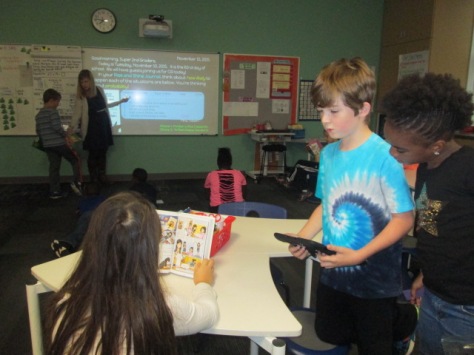
We were trying to decide what kind of text would immerse students in a variety of topics while still being very accessible to a range of reading levels.  I’m not really sure how we decided it, but we decided to try magazines.  I don’t really subscribe to magazines any more in the library, but we have all of the Ranger Rick, Zoobooks, Sports Illustrated, etc that we’ve subscribed to through the years.  I pulled out the boxes and put them all over the tables.  We did a very quick overview of how we really want to think about our interests and one way we do that is by trying as many things as we can.  Ms. Spurgeon talked about some foods she had tried like zebra and how she would never have known how much she liked the taste if she hadn’t tried it.  We modeled what “trying” a magazine looked like.  We were very specific to not read every page and were honest how we as adults often just flip through a magazine and pick out the pieces we want to read.  I loved this because I saw students perk up.  Knowing that they didn’t have to read the entire magazine was an invitation.  They dove in and started exploring.  They oohed and ahhed over so many pictures they saw, and Ms. Spurgeon and I had casual conversation with them about what they saw.

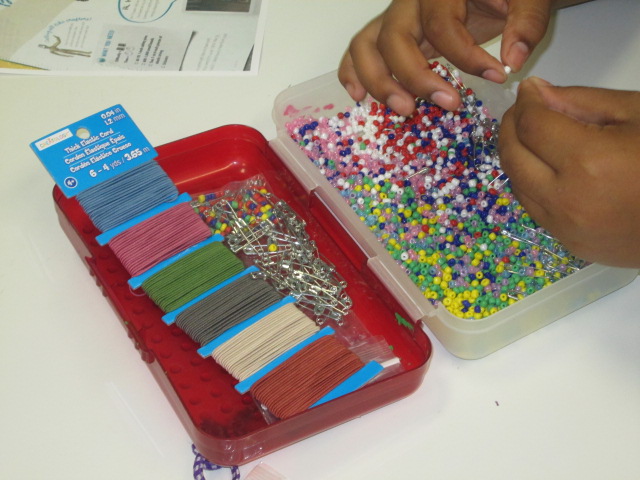
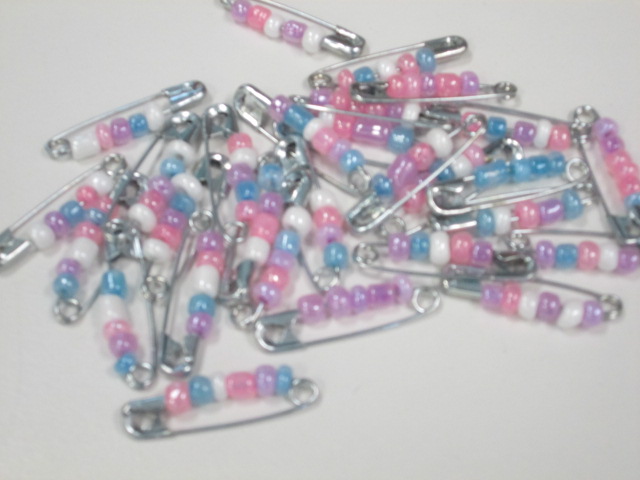
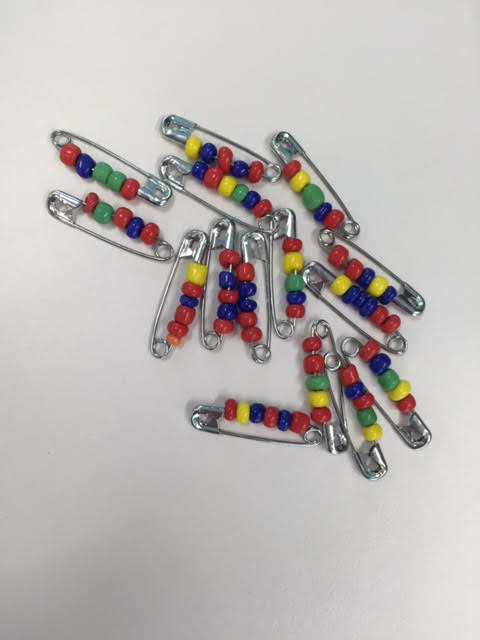
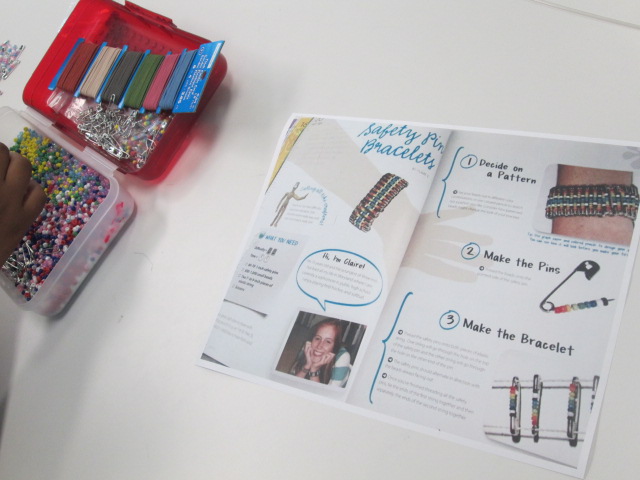
One moment stood out to me. Carlos and Carlena were looking at Kiki magazine together.  This magazine features a lot of fashion and crafts.  They discovered a page with a great 80’s style craft involving beads and safety pins.  The safety pins were put together on elastic string to create a bracelet.  They were glowing with excitement, so I told them I would take a picture of the page and send it to Gretchen Thomas at UGA to see if we could incorporate it into makerspace.

They looked a little shocked at first like, “You mean we could actually make this?”  Then, right after school I got an email from Carlos asking if I could email him the picture of the instructions.

It was that moment that told me I couldn’t let this momentum go.  This was a chance to empower individual students to explore a genuine interest.  Who cares if it was “just a craft”?  It was something they were suddenly passionate about when they had moments before been shrugging their shoulders.  That weekend, I went out and bought supplies, and I emailed them both first thing Monday morning.

I wasn’t surprised at all when I saw both of them walk in during their recess to get started on their project.

They came in for 3 days in a row during recess and didn’t even want to stop for lunch.

IMG_6481 carlos

As they’ve worked, I ‘ve shared their process via Twitter.  They have watched me documenting the process along the way, and I’ve told them that they are trying something out that they might teach to others or inspire other makerspace projects.

One day while we were working, Gretchen Thomas at UGA tweeted a picture of pins that her students had made.  When I showed it to Carlos and Carlena, they both smiled and said, “They’re doing that because of us?”

Another opportunity started to emerge because I saw how seeing the impact that they could have outside of our school walls was a motivator for them.  Next week for Dot Day, we are connecting with Sherry Gick and her 2nd grade class.  I asked Carlena and Carlos if they would share with this class how they are making their mark by being the first to try a craft in our makerspace and how they hope to pass on what they’ve learned along the way.  Without even blinking, they said yes.

IMG_6483

I have no idea where this is going to go, but I feel like I’ve tapped into something that I can’t let go.  I have to keep asking myself, my students, and our teachers how we can continue to explore interests, seek out individual passions, and amplify student voices beyond the walls of our school.  All of our students deserve to explore so many things to figure out what they are truly interested in.